
Film
Crime and Punishment
Other titles called Crime and Punishment: the 1935 film, the 1956 film, the 1998 film, the 2002 film, the 2019 series (Channel 4).
Vitaly Mansky's unflinching documentary follows a Chinese police station in a border town where the line between law enforcement and casual brutality has dissolved entirely. It's a portrait of institutional corruption rendered with almost unbearable directness—less about crime than about what happens when power answers to no one. For viewers who can sit with genuine discomfort.
Should you watch it?
Watch it if you want to watch institutions at close range, where a fly-on-the-wall camera lets ordinary procedure reveal more than any narrator could, and you're happy to draw your own conclusions.
Skip it if you need clear stories, a narrator, or relief from bleakness, since it offers little explanation and its scenes of rough treatment stay on screen without comment.
What it asks of you: Long, unhurried and watchful: scenes often hold well past the point where you expect a cut, and you're left to weigh what you see yourself.
Not sure? Find tonight's pick in a minute.
If you liked this
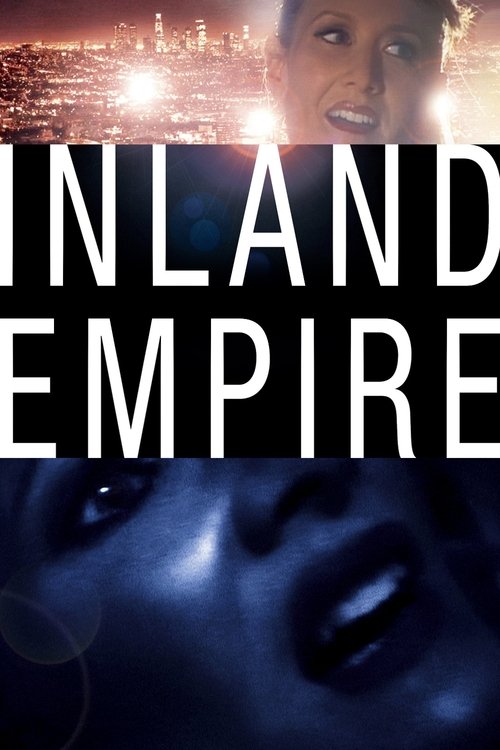
Inland Empire2006
David Lynch's three-hour nightmare of performance, identity and Hollywood's dark machinery. Like Crime and Punishment, it trusts the audience to navigate chaos without explanation. Visually hypnotic, morally unmoored.
But Deliberately plotless and deliberately ugly. Long stretches feel like punishment. Comprehension is not the point.
La Haine1995
Mathieu Kassovitz documents a day in the Paris banlieues where police contempt and youth rage are locked in a death spiral. Urgent and elegant. Shows how systems crush individuals through casual indifference.
But The social realism can feel dated if you're not invested in French politics. Some scenes linger past the point of comfort.

The Act of Killing2012
Joshua Oppenheimer's astonishing documentary lets mass murderers restage their own crimes. It's a study of impunity, performance, and the corruption of conscience. Devastatingly original in method and insight.
But Watching perpetrators reenact atrocities is genuinely harrowing. The film's refusal to condemn feels provocative in ways that can alienate.

Not sure tonight? Get a pick in a minute, starting from Crime and Punishment
The wildcard
Something you would not have found on your own.
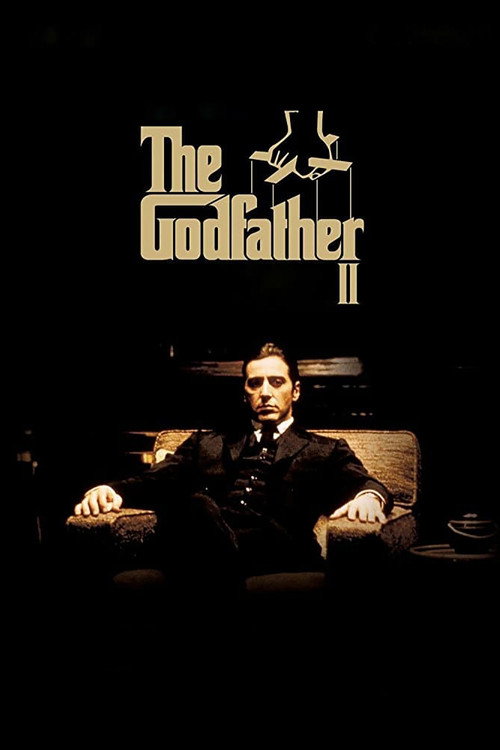
The Godfather Part II1974
Both trace how corruption becomes institutional culture. Crime and Punishment watches it happen; The Godfather shows how dynasties cement it.
Coppola parallels Vito's rise with Michael's consolidation, showing how systemic evil is inherited and normalized. The Corleones are a dark mirror of the police station—same logic of power, same moral rot, dressed in silk instead of uniform.
But Nearly four hours. Sprawls across continents and decades. If you want a tighter film, this is indulgent.
More like this (6)
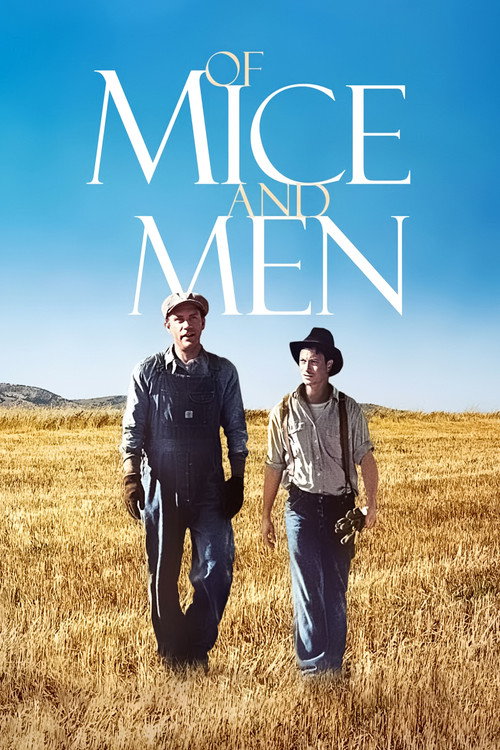
Of Mice and Men1992
Gary Sinise's adaptation of Steinbeck finds the quiet despair in small-town America. Two men on the margins, a system indifferent to their suffering. Devastating restraint.
But Slow. Bleak. The ending is predetermined. You watch it for its humanity, not its surprises.
Winter Light1963
Bergman's 80 minutes of spiritual desolation in a Swedish village. Faith, duty, and the erosion of meaning. Austere and hypnotic. A film about what happens when institutions fail.
But Glacially paced. Dialogue is sparse. If you need narrative momentum or emotional catharsis, this will frustrate you.

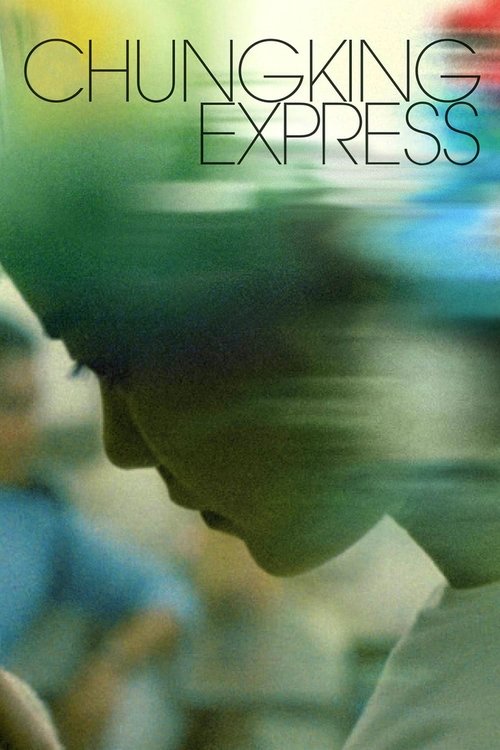
Chungking Express1994
Wong Kar-wai's kaleidoscopic Hong Kong is bright where Crime and Punishment is grey, but both explore alienation in crowded spaces. Melancholic, visually ravishing, deeply humane.
But Deliberately obscure plot. Style drowns substance if you're not in the mood. The whimsy can read as evasion.
The Turin Horse2011
Béla Tarr's final film: a philosopher and his servant witnessing the world's slow unraveling. Bleak metaphysics. Shot in black and white. About systems failing and silence descending.
But Two hours of repetition and decay with minimal dialogue. A film about nothing happening. Patience is not optional.

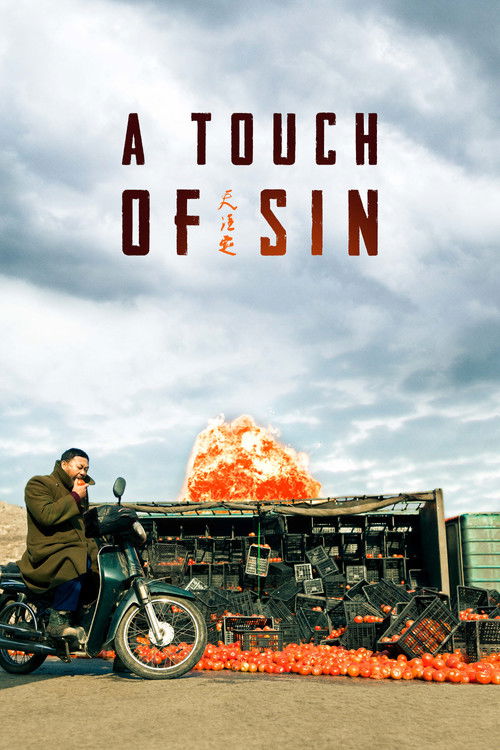
A Touch of Sin2013
Jia Zhangke weaves four stories of violence in contemporary China. Dreamlike and jagged. Captures the moral vertigo of rapid modernization. Raw performances, stunning compositions.
But Structurally fragmented. Violence arrives suddenly and shockingly. The connection between stories is thematic, not narrative.
Synecdoche, New York2008
Crime and Punishment documents a false world (performative justice). Synecdoche is about an artist building one intentionally. Both explore the gap between appearance and reality, systems and truth.
Kaufman's deranged masterpiece about a director building a replica of New York inside a warehouse—a metaphor for creating false worlds and the systems that perpetuate them. Formally dizzying, philosophically brutal. Art as corruption.
But Wilfully difficult and structurally chaotic. The grief is relentless. Feels like watching someone's breakdown in real time.

People
Directing
- Zhao LiangDirector