
Film
The Master and Margarita
- Fantasy
- Strange
Mikhail Bulgakov's masterpiece finally on screen: a 1930s Moscow where a devil and his carnival of demons descend to humiliate apparatchiks and corrupt writers while a love story unfolds in the shadows. It's baroque, furious, tender, and sly—a film that trusts you to hold contradictions. For anyone who loves ambitious fiction that swings between the profane and the sacred.
If you liked this
Stalker1979
Tarkovsky's meditative sci-fi shares Bulgakov's ability to ask enormous questions through constraint and delay. A journey into a mysterious zone becomes a mirror for desire, faith, and the human soul.
But It moves at its own glacial pace. If you need plot to push you forward, you'll find yourself fighting the film's rhythm rather than surrendering to it.

The Seventh Seal1957
Bergman's knight plays chess with Death itself. Like Bulgakov, he's interested in faith, mortality, and meaning when history is brutal. Both films are dances with darkness.
But The philosophical weight can feel heavy-handed if you're not in the mood for medieval allegory about the human condition.

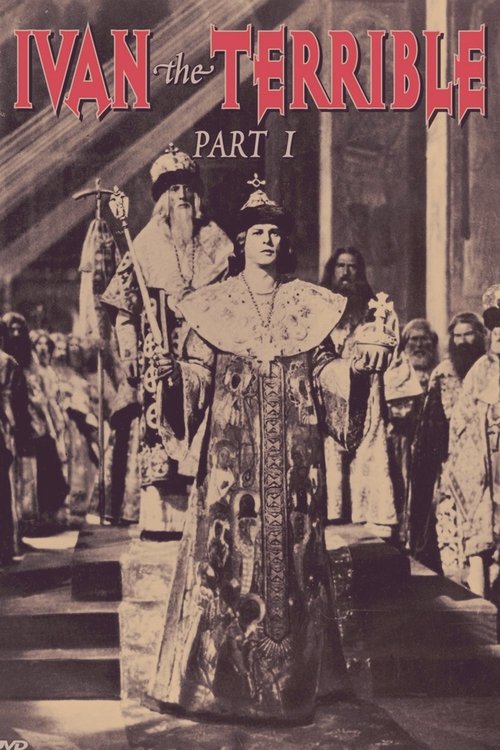
Ivan the Terrible, Part I1944
Eisenstein's operatic take on tyranny and power in Russia shares Bulgakov's baroque visual language and his refusal to simplify history into morality plays. Madness and grandeur in equal measure.
But The editing and performance style are deliberately artificial—it's not trying to feel naturalistic, which can read as dated or mannered.
Not sure tonight? Get a pick in a minute, starting from The Master and Margarita
The wildcard
Something you would not have found on your own.
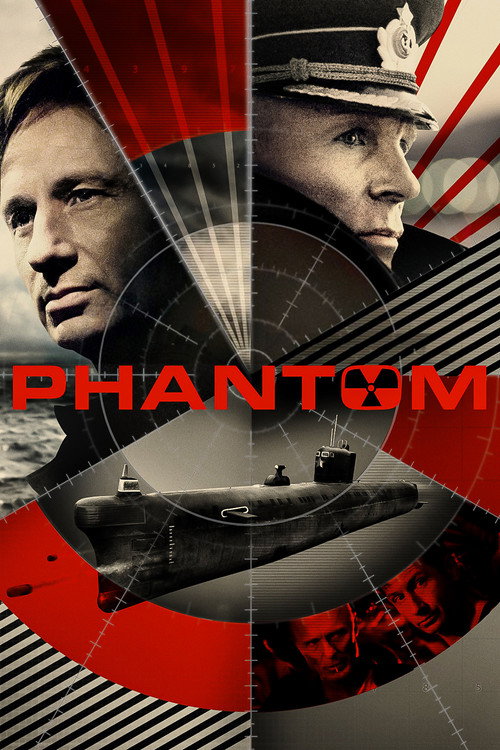
Phantom2013
Both use fantasy and distortion not as escape, but as the truest way to tell the truth about power, desire, and the soul's corrosion under history's weight.
Sokurov's haunted film about a Russian naval officer drowning in memory and obsession. Like Bulgakov, it's a fever dream where the past and present bleed together, where sanity is negotiable. Visually ravishing, morally disorienting.
But It's essentially a man's descent into madness, repetitive and cyclical by design. That can feel less like storytelling and more like being trapped in someone's nightmare.
More like this (5)
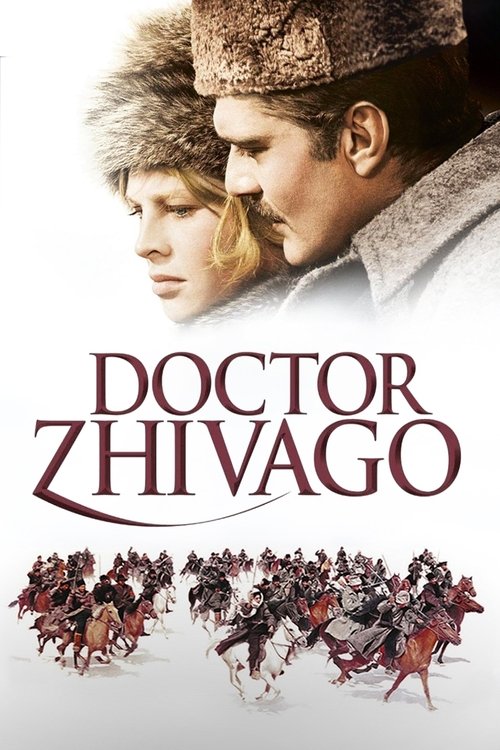
Doctor Zhivago1965
Lean's epic Russian romance captures the same turbulent era with sweeping visual poetry. A writer at the mercy of history, love blooming in chaos, music that aches—thematic cousins.
But It's three and a half hours of romantic melodrama. If big emotion isn't your taste, the sincerity might feel exhausting.
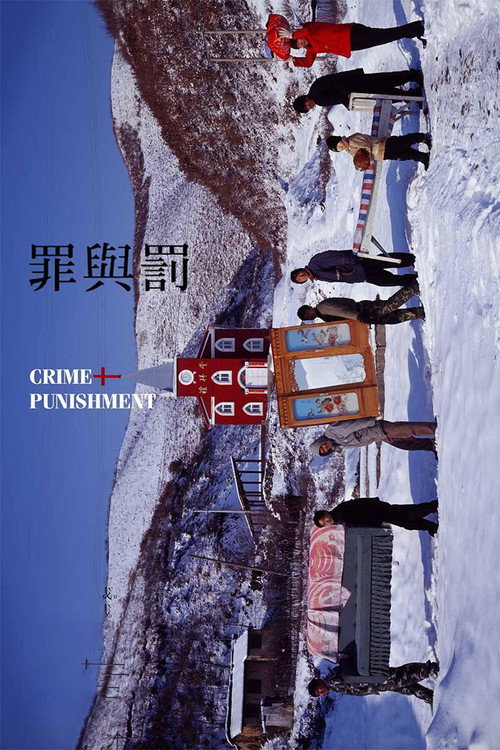
Crime and Punishment2007
A Russian psychological noir about guilt, morality, and the soul. Like Bulgakov, it trusts the audience to sit with spiritual dread and doesn't offer easy answers.
But It's bleak and introspective. There's no lightness or wit to break the tension, just the weight of conscience pressing down.
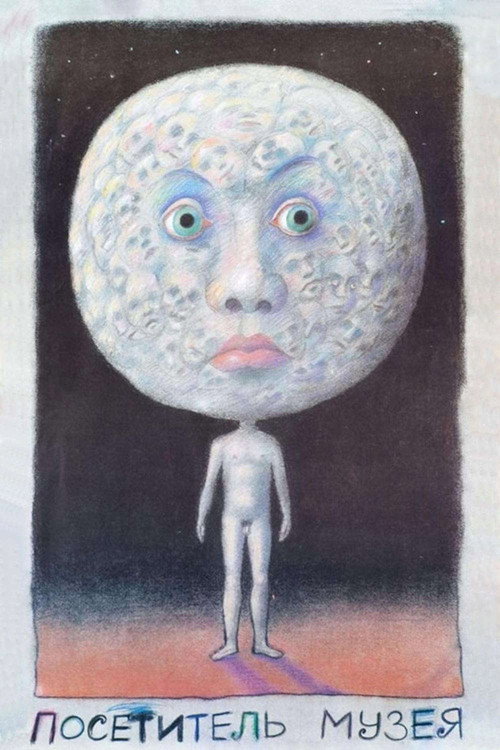
A Visitor to a Museum1989
Sokurov's hallucinogenic meditation on memory, loss, and Russia's impossible history. Visually intoxicating and morally complex, it shares Bulgakov's sense that reality is stranger than logic.
But It's experimental and formally challenging. If you want clarity or conventional narrative, this will frustrate you quickly.
Come and See1985
Elem Klimov's annihilating film about WWII from a child's perspective. Like Bulgakov, it refuses to let you hide from history's real cost or the hypocrisy of those who wage it.
But It is genuinely traumatizing. This isn't entertainment or escapism—it's a direct assault on your capacity to remain unmoved.

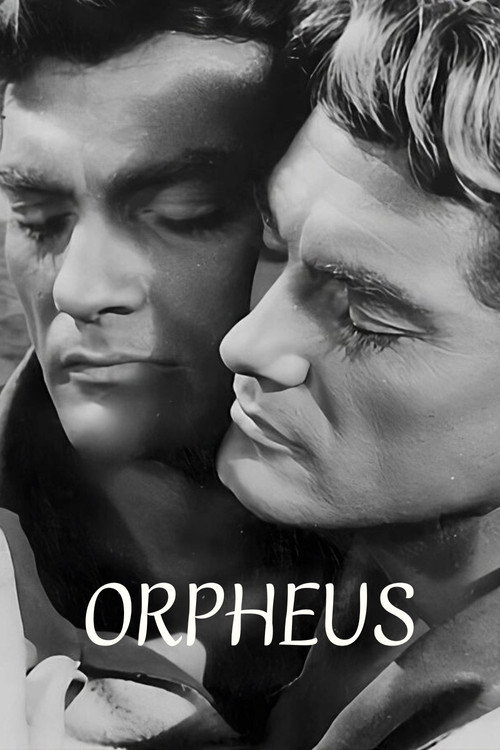
Orpheus1950
Both traffic in myth and the fantastic not to escape reality but to illuminate it. Both understand that demons, death, and love are metaphors for the same human ache.
Cocteau's modern retelling of the Orpheus myth: Death becomes a woman, the underworld is a mirror, and Fate is a chauffeur. It's surrealist, tender, witty—a film that believes in magic and the absurdity of love and loss in equal measure. The tonal cousin Bulgakov would recognize.
But It's theatrical and deliberately artificial. If you're looking for realism or contemporary dialogue, Cocteau's stylized world will feel mannered and archaic.
People
Cast
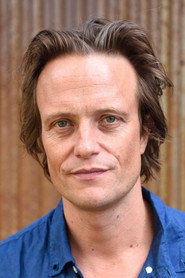 August DiehlWoland
 Yuliya SnigirMargarita
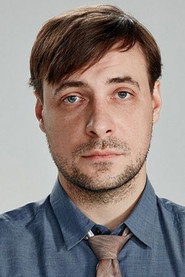 Evgeny TsyganovMaster
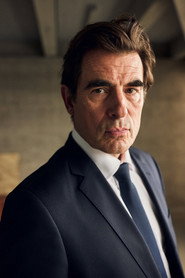 Claes BangPontius Pilate
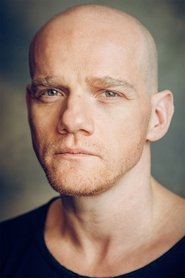 Yuri KolokolnikovKorovyev
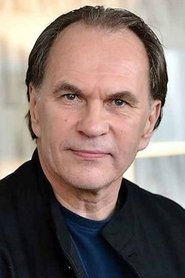 Aleksey GuskovMaygel
 Aleksey RozinAzazello
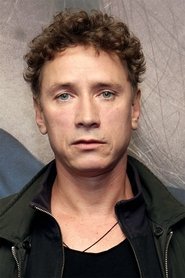 Aleksandr YatsenkoAloysius
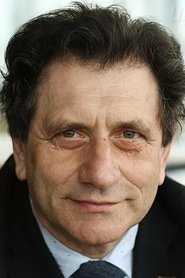 Yevgeni KnyazevBerlioz
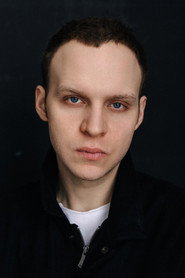 Danil SteklovBezdomniy
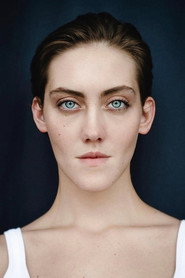 Polina AugHella
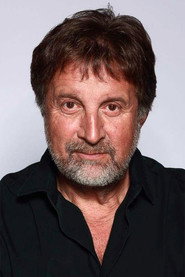 Leonid YarmolnikStravinskiy
Directing
- Georgy KhodjamiryanAssistant Director
- Michael LockshinDirector
- Aleksandra KozlovaFirst Assistant Director
- Asya GusakovaFirst Assistant Director
- Krasimir KhazarbasanovFirst Assistant Director
- Mariya ShklyarevskayaFirst Assistant Director
- Anastasia MolchanovaScript Supervisor
Writing
- Michael LockshinIdea
- Roman KantorIdea
- Mikhail BulgakovNovel
- Roman KantorScreenplay
Production
- Colin JonesCasting Director
- Vladimir GolovCasting Director
- Anatoly AkimenkoExecutive Producer
- Igor TolstunovExecutive Producer
- Ruben DishdishyanExecutive Producer
- Yuliya BabanovaExtras Casting
- Maria LozovskayaLine Producer
- Zula BadmaevaLine Producer
- Kseniya KiselyovaPost Production Producer
- Aram HovhannisyanProducer
- Aram MovsesyanProducer
- Natalia KlibanovaProducer
- Yuliya IvanovaProducer
- Armen HarutyunyanProduction Manager
- Medea KaraashevaProduction Manager