
Film
The Saragossa Manuscript
A Napoleonic officer discovers his grandfather's manuscript and falls into a labyrinthine dreamscape of nested stories—tales within tales within tales. Wojciech Has constructs a hypnotic puzzle-box in black and white, where nothing quite resolves and logic bends to a fever dream's rules. For anyone who loves cinema that unfolds like a magic trick.
Should you watch it?
Watch it if you love nested tales that loop back on themselves, where each story opens a door into another, and you don't mind a puzzle that rewards patience with strange, dreamlike wonder.
Skip it if you need a story to move briskly, since this one wanders through digressions, sometimes loses its own thread, and at three hours can feel long.
What it asks of you: It asks for a long, unhurried sitting and a willingness to let stories stack inside stories, with a dark, eerie mood that stays playful rather than frightening.
Not sure? Find tonight's pick in a minute.
If you liked this
The Seventh Seal1957
Bergman's meditation on death, fate, and meaning unfolds through symbolic encounters and philosophical debate. If you loved Saragossa's willingness to let a film mean many things at once, this is essential groundwork.
But It moves slowly and asks you to sit with questions rather than answers. Some find its seriousness unbearable; others find it mannered.

Mulholland Drive2001
Lynch builds a narrative that fractures and reforms, where you're never quite sure what's real. Both films reward rewatching and theory-spinning—they trust the audience to do the work.
But It's deliberately opaque and frustrating by design. If you need clarity by the end credits, this will infuriate you.

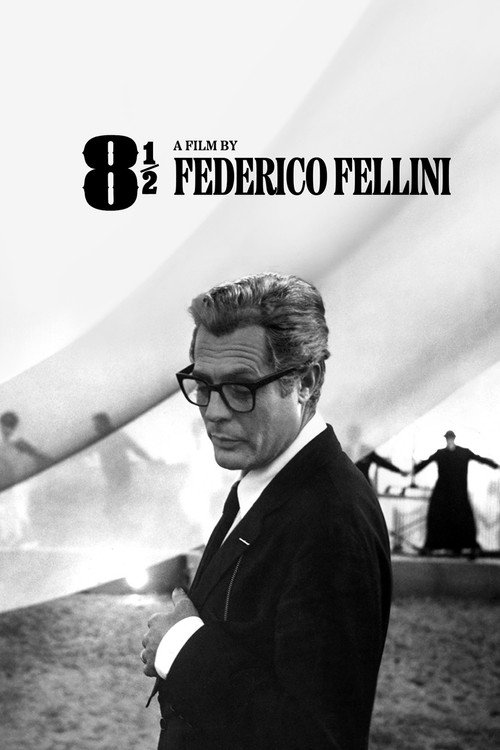
8½1963
Fellini's portrait of a director's creative crisis layers surrealism onto autobiography. Like Saragossa, it's a film about storytelling that becomes a story itself, gorgeously shot and endlessly interpretable.
But Nearly as long as Saragossa and equally indulgent. Patience required; payoff is spiritual rather than narrative.
Not sure tonight? Get a pick in a minute, starting from The Saragossa Manuscript
The wildcard
Something you would not have found on your own.
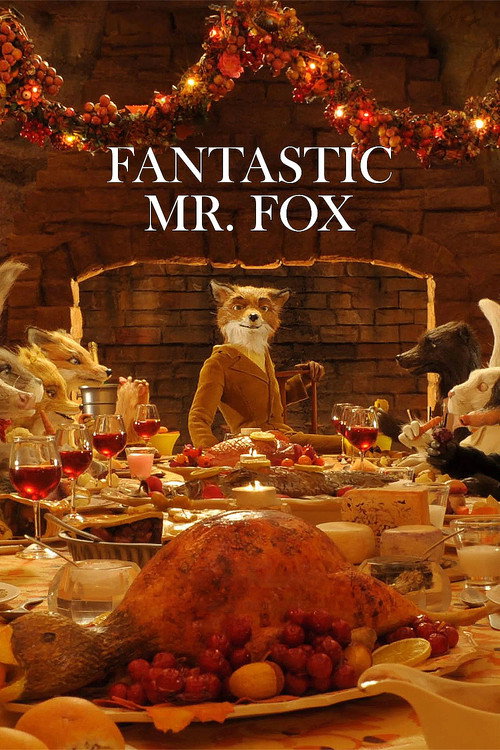
Fantastic Mr. Fox2009
Both films are acutely aware they're films, using formal artifice as their primary language. Anderson's nested narratives and self-aware stylization echo Saragossa's embrace of story-as-artifice, though one is whimsical and the other is hallucinatory.
Wes Anderson's stop-motion fable about a father's reckoning—folksy and mannered, built from nested story-within-story structure. Like Saragossa, it's a love letter to narrative itself, but in miniature, claymation, and primary colors instead of labyrinthine black and white.
But Its cuteness and artificiality feel calculated. If you associate animation with lightness rather than depth, it reads as whimsy rather than substance.
More like this (8)
Stalker1979
Tarkovsky guides us through a mysterious landscape toward something unknowable. The film's pace is deliberate, its purpose obscure, its power immense—a masterpiece for those who surrender to its logic.
But Slow doesn't begin to cover it. If you need plot momentum or conventional drama, this will feel like watching paint dry.

The Cabinet of Dr. Caligari1920
German Expressionist nightmare where reality warps and storytelling itself becomes unreliable. A spiritual ancestor to Saragossa's dizzying nested narratives and tilted worldview.
But Silent, theatrical, deliberately artificial. The acting style alienates modern viewers; the story is simple.

The Holy Mountain1973
Jodorowsky constructs a series of grotesque, allegorical encounters as a spiritual journey. Like Saragossa, it's surreal, precise, unapologetic in its refusal to explain itself.
But Graphically disturbing and deliberately obscure. It feels designed to repel as many viewers as it attracts.

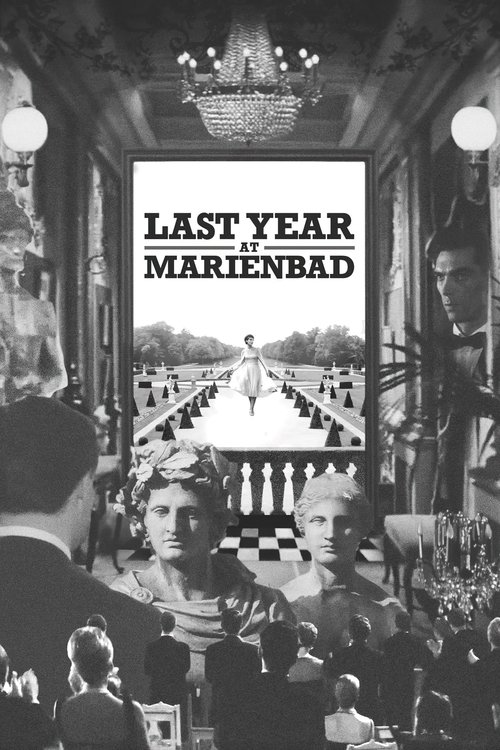
Last Year at Marienbad1961
Resnais and Robbe-Grillet build a puzzle of memory, time, and seduction where nothing is stable. The style is glacial and artificial; the mystery is genuinely unsolvable.
But Impenetrably formal and cold. Its puzzles have no solutions, and some see that as a feature while others see it as a con.
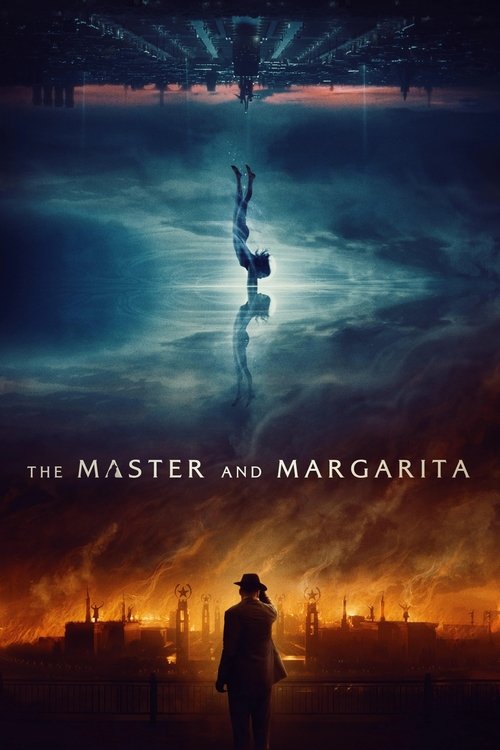
The Master and Margarita2024
Adapted from Bulgakov's novel, it layers Soviet reality with demonic fantasy and nested stories. A modern film that understands how Saragossa works: meaning lives in the spaces between narratives.
But Russian, long, and structurally complex. The adaptation has mixed reviews; some find it unfaithful to the book.
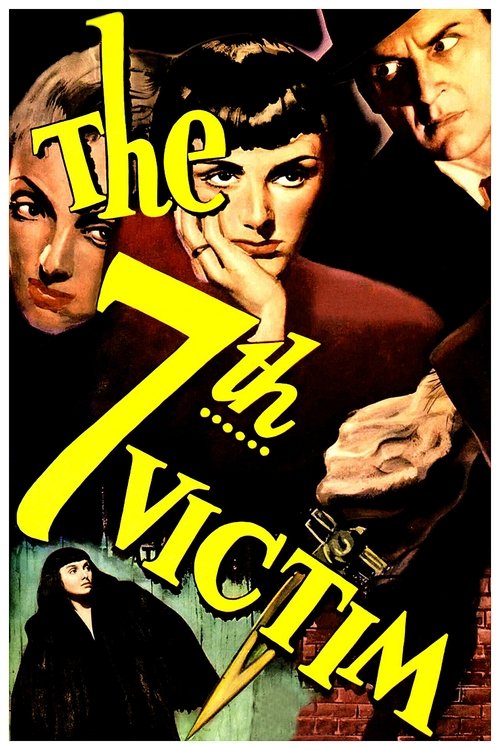
The Seventh Victim1943
A low-budget Val Lewton production that builds dread through suggestion and shadows rather than spectacle. Different era and tone, but the same trust in the viewer's imagination to complete the horror.
But Quite slow and understated by modern standards. The mystery resolves less satisfyingly than the mood promises.
Come and See1985
Both are three-hour immersions into disorientation and moral dislocation, but Saragossa achieves it through fantasy while Come and See achieves it through realism. Each proves the other's point: medium is irrelevant when conviction is complete.
A Soviet war film that follows a boy into hell during WWII. It's the inverse of Saragossa's dreamlike dissociation—grounded in historical trauma, accumulated horror, and the destruction of innocence. A howl where Saragossa whispered.
But Genuinely brutal and difficult to watch. It's not a film you enjoy; it's a film that wounds you. Many viewers will find it unwatchable.

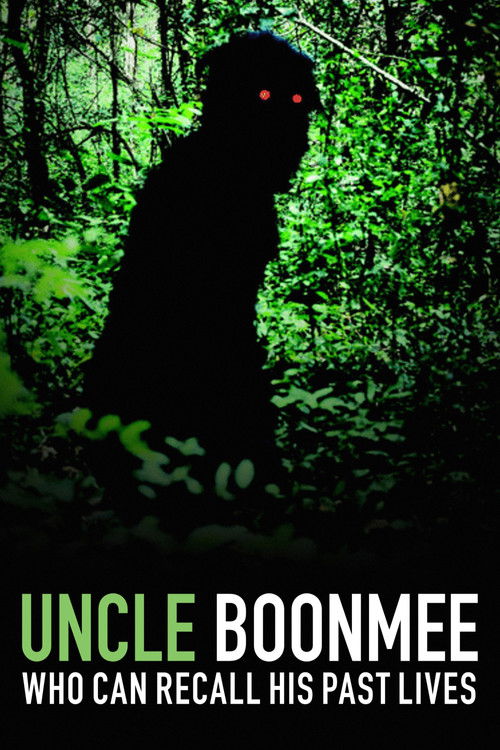
Uncle Boonmee Who Can Recall His Past Lives2010
Both films trust that strangeness itself can be the subject. Where Saragossa buries its mysteries in stories, Boonmee lets them float in silence. Both demand you sit with the uncanny rather than solving it, proving that mystery needs no plot.
Apichatpong's Thai ghost story where time collapses and the dead visit the living. Shot in long, patient takes with minimal dialogue. A film about acceptance and memory that works like a séance—the opposite of Saragossa's baroque complexity, yet equally devoted to strangeness and patience.
But Glacially paced and meditative to the point of inertia. Requires genuine surrender; if you expect narrative propulsion, you'll be frustrated.
People
Cast
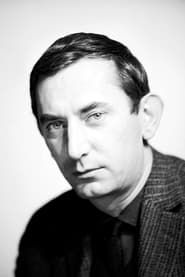
 Zbigniew CybulskiAlfonse Van Worden
- Iga CembrzyńskaPrincess Emina
 Elżbieta CzyżewskaDonna Frasquetta Salero
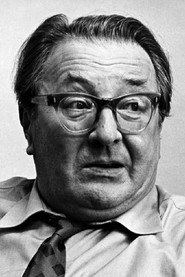
 Gustaw HoloubekDon Pedro Velasquez
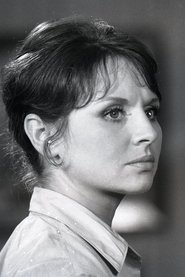
 Stanisław IgarDon Gaspar Soarez
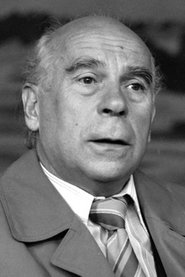
 Joanna JędrykaZibelda
 Janusz KłosińskiDon Diego Salero
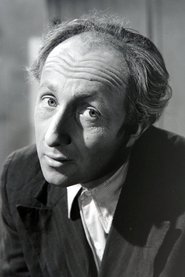 Bogumił KobielaSenor Toledo
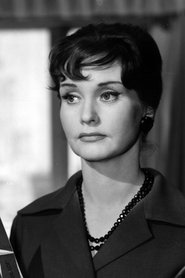 Barbara KrafftównaCamilla de Tormez
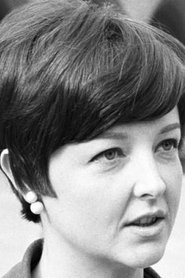 Jadwiga KrawczykDonna Inez Moro
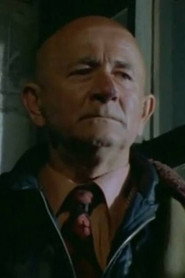 Sławomir LindnerVan Worden's Father
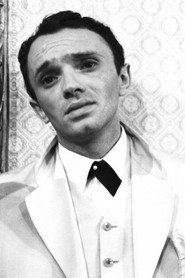 Krzysztof LitwinDon Lopez Soarez
Directing
- Barbara SassAssistant Director
- Halina GarusAssistant Director
- Wojciech HasDirector
- Andrzej Jerzy PiotrowskiFirst Assistant Director
Writing
- Jan PotockiNovel
- Tadeusz KwiatkowskiScreenplay
Production
- Barbara Pec-ŚlesickaAssistant Production Manager
- Wanda Wojnar-IliewAssistant Production Manager
- Wlodzimierz KaczmarskiAssistant Production Manager
- Zdzisław ŻygulskiProduction Consultant
- Ryszard StraszewskiProduction Manager
Recommended by
The Singing Ringing Tree, Viva Maria!, The Corsican Brothers, Thale, Schmatta: Rags to Riches to Rags, Parsifal