
Film
Parsifal
- Drama
- Slow-burning
Hans-Jürgen Syberberg's Parsifal is a four-hour film-essay that treats Wagner's opera as a springboard for philosophical meditation on German identity, redemption, and the nature of art itself. Dense, visually austere, and unapologetically experimental, it's performance-art cinema for people willing to sit in ambiguity and strangeness. Not entertainment in any traditional sense.
If you liked this
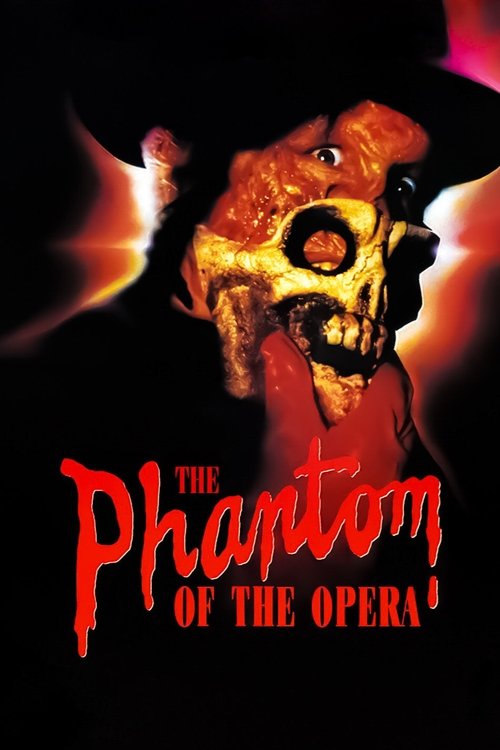
The Phantom of the Opera1989
Joel Schumacher's operatic melodrama wraps psychological complexity and German Romantic aesthetics into a more accessible package. It shares Parsifal's obsession with redemption through art and beauty, but with Gothic atmosphere and genuine emotional momentum.
But It's slick where Parsifal is austere, emotional where Parsifal is cerebral. If you want the film's intellectual rigor, this will feel like comfort food instead.
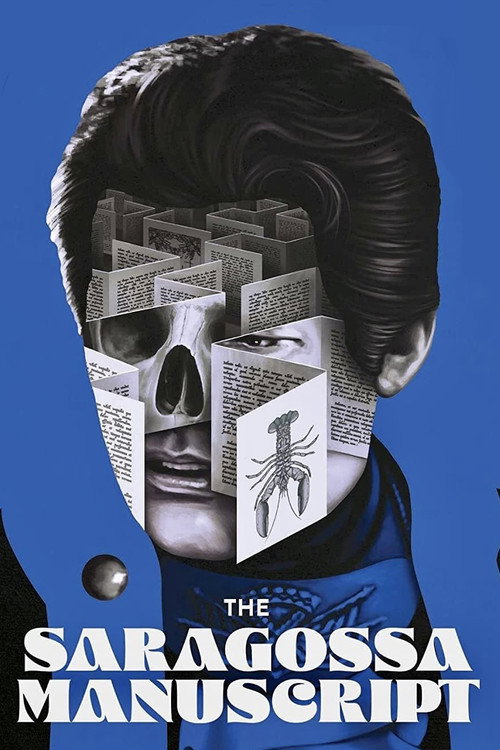
The Saragossa Manuscript1966
Wojciech Has's baroque narrative labyrinth shares Parsifal's fascination with nested stories, philosophical questing, and redemption as a spiral rather than a straight line. Visually rich, formally experimental, and genuinely mysterious without being pretentious.
But The episodic structure can feel meandering. At three hours with a deliberately confusing plot, it requires active attention and rewards re-watching more than first viewing.
Synecdoche, New York2008
Charlie Kaufman creates his own four-hour spiritual labyrinth about art, mortality, and the impossibility of redemption. It matches Parsifal's willingness to sacrifice conventional narrative for philosophical exploration, but through American modernism rather than Wagnerian grandeur.
But It's claustrophobic and depressive where Parsifal is ceremonial. The emotional tone is relentlessly bleak, and the ending offers no transcendence, which may feel like punishment rather than enlightenment.

Not sure tonight? Get a pick in a minute, starting from Parsifal
The wildcard
Something you would not have found on your own.
The Holy Mountain1973
Both are four-hour films that treat spiritual redemption as a nonlinear journey through symbolic spaces; both use operatic or mystical visual language to access states beyond rational narrative. Jodorowsky is what happens when Syberberg's intellectualism gets soaked in psychedelic excess.
Jodorowsky's surrealist spiritual quest has the same DNA as Parsifal—a protagonist's journey toward enlightenment through symbolic encounters and occult imagery. But where Syberberg intellectualizes, Jodorowsky hallucinates. Same philosophical ambition, completely different register: transgressive, obscene, mystical.
But It's viscerally shocking and deliberately offensive, mixing religious iconography with body horror and crude sexuality. If Parsifal's austerity already feels like punishment, this film's assault on taste will feel like sadism.

More like this (7)
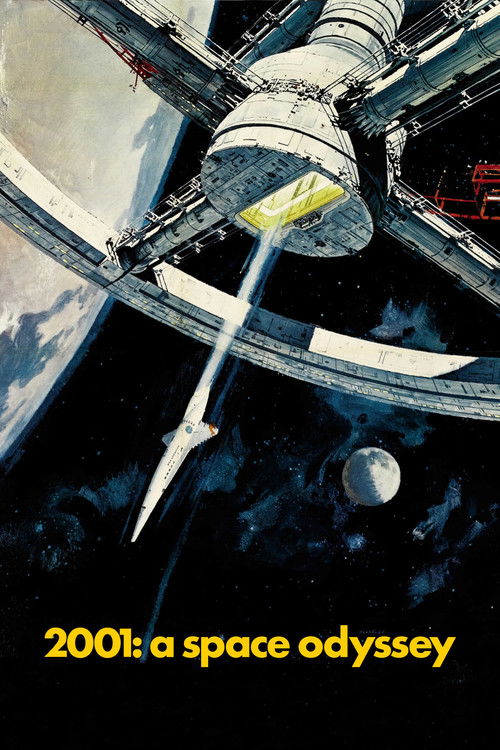
2001: A Space Odyssey1968
Kubrick's four-hour meditation on consciousness and spiritual transformation uses music, image, and silence the way Syberberg uses them—as tools for creating metaphysical experience rather than narrative satisfaction. Both demand surrender to their logic.
But The glacial pacing and abstract final act will feel like torture to viewers expecting plot. It's easier to admire than to love, and many find the entire exercise pretentious.
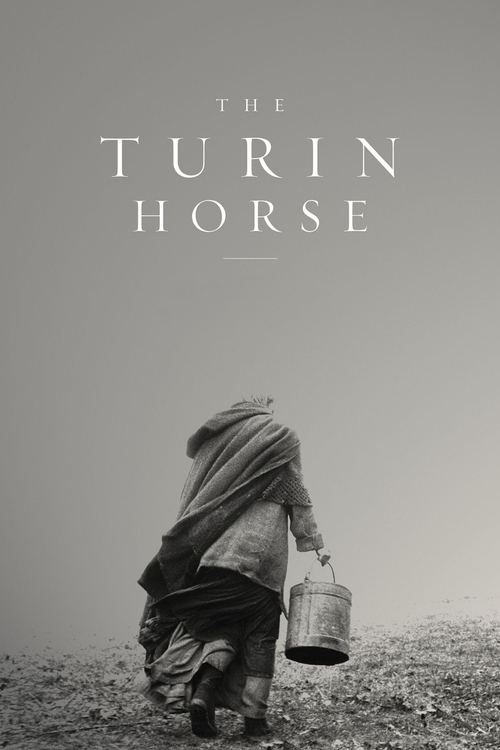
The Turin Horse2011
Béla Tarr's final film meditates on the end of the world and human meaning through the last days of Nietzsche. Like Parsifal, it's an intellectually rigorous work of visual philosophy that uses opera and European thought as its foundation.
But It's bleak, repetitive, and deliberately exhausting—designed to wear you down. Shot in stark black-and-white with minimal dialogue, it's the opposite of enriching; it's meant to strip away comfort.
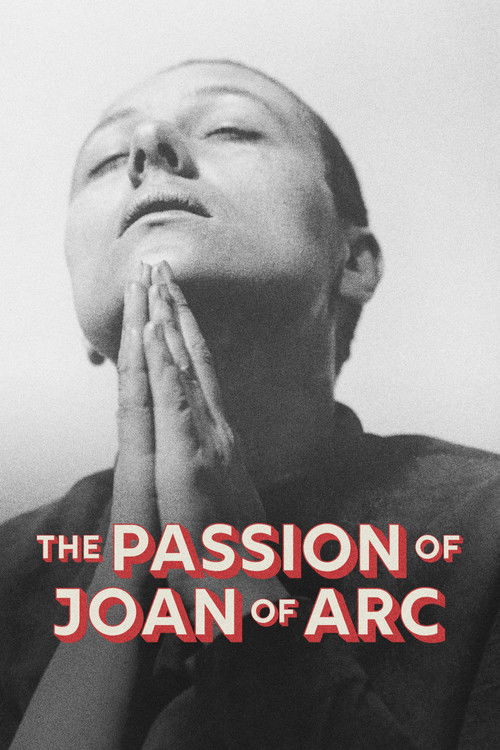
The Passion of Joan of Arc1928
Dreyer's masterpiece shares Parsifal's obsession with suffering, redemption, and the transcendent power of faith. Both use extreme close-ups and austere cinematography to make spiritual experience visible. Infinitely more moving, but equally demanding of attention.
But The film is primarily Renée Jeanne's face in agony for ninety minutes. If you need spectacle or narrative momentum, the intensity of this single register will exhaust rather than sustain you.
Stalker1979
Tarkovsky's three-hour journey into a mysterious zone shares Parsifal's philosophical searching and belief that cinema can access something beyond ordinary representation. Both treat the quest for meaning as more important than the destination.
But Pacing is deliberately glacial, with long takes of landscapes and interiors that test patience. The philosophical payoff is ambiguous and may feel like no payoff at all.

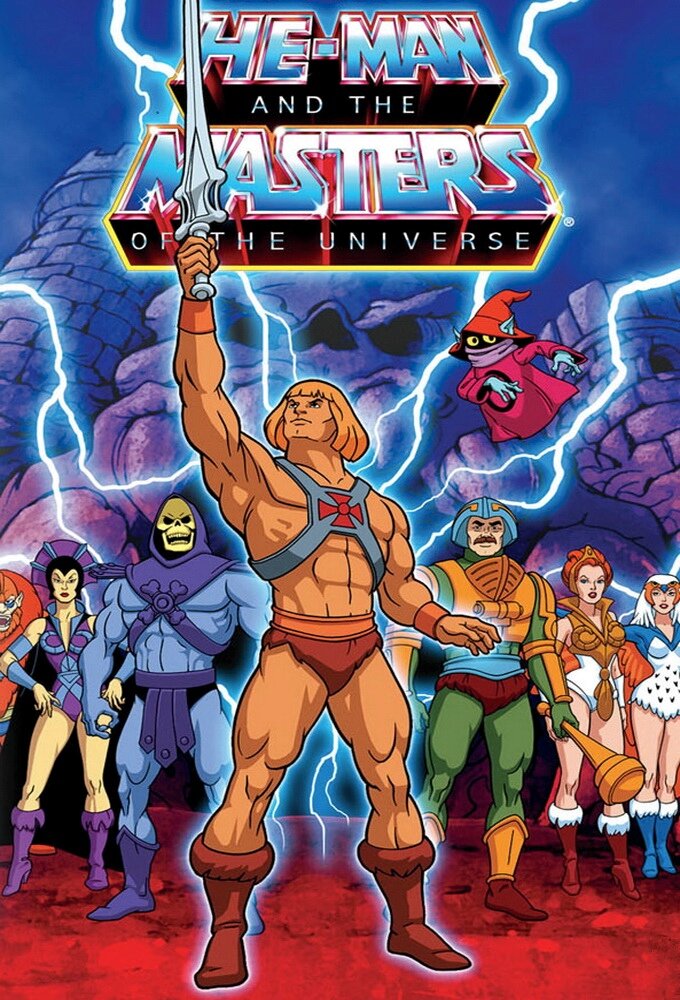
He-Man and the Masters of the Universe1983
Edgar Reitz's sixteen-hour chronicle of a German family mirrors Parsifal's engagement with German history, identity, and the weight of the past. It's a response to Wagner's aesthetic and Germany's cultural legacy, equally ambitious but more humanely scaled.
But Even more time than Parsifal, with less artistic density per minute. The payoff is cumulative rather than intense, and that cumulative rhythm doesn't work for everyone.
Requiem for a Dream2000
Both use operatic or symphonic structures to organize human suffering. Both suggest that desire—whether spiritual or chemical—transforms and destroys. But where Parsifal seeks redemption through renunciation, Requiem finds only emptiness and loss.
Darren Aronofsky's two-hour cascade of addiction and delusion inverts Parsifal's redemption narrative—here, the quest ends in annihilation rather than grace. It shares the opera's obsession with suffering, transcendence, and the power of desire, but as tragedy rather than spiritual mystery. Visceral where Parsifal is austere.
But The bombardment of sound, image, and editing is designed to induce anxiety and despair. If you're watching Parsifal for contemplation, this film's assault will feel like the opposite: agitation masquerading as profundity.

A Prophet2009
Both trace a young man's transformation from innocence to wisdom through ordeal and initiation. Both use that journey as the frame for exploring larger questions about power, corruption, and the possibility of grace. But A Prophet suggests redemption happens through human connection and earned respect, not divine intervention.
Jacques Audiard's prison drama takes the Parsifal template—innocent into initiate, purity tested by corruption, eventual wisdom through ordeal—and grounds it in brutal realism. A young man's moral education in a brutal system, with the same mythic patterning as Wagner but achieved through social observation, not metaphysics.
But It's crime-drama naturalism, not philosophical cinema. The mythic patterns are implicit, never stated. Viewers looking for Parsifal's visual or musical grandeur will find only concrete cells and graffiti.

People
Cast
- Armin JordanAmfortas
 Wolfgang SchöneAmfortas (voice)
- Martin SperrTiturel
- Hans TschammerTiturel (voice)
 Robert LloydGurnemanz
- Michael KutterParsifal 1
- Karin KrickParsifal 2
- Reiner GoldbergParsifal (voice)
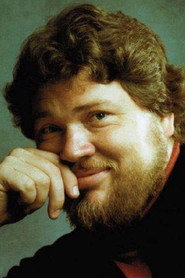 Aage HauglandKlingsor
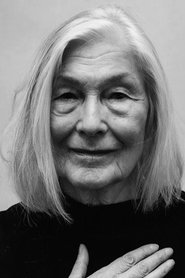 Edith CleverKundry
- Yvonne MintonKundry (voice)
- Rudolf GablerGralsritter
Directing
- Hans-Jürgen SyberbergDirector
Writing
- Richard WagnerWriter
Production
- Francis Ford CoppolaExecutive Producer
Recommended by
Elektra, Salome, Wozzeck, The Metropolitan Opera - Wagner: Tannhäuser, Die Frau ohne Schatten