
Film
Elektra
Other titles called Elektra: the 2005 film.
- Drama
- Stage-musical adaptation
- Crime
- Very dark
Claudio Abbado conducts Strauss's shattering opera in this 1989 Vienna State Opera film—a masterclass in visceral theatricality. Elektra is obsession crystallized into sound and movement: a woman consumed by her need to avenge her father's murder, set in a decaying palace of toppled statues and binding ropes. It's psychologically raw, musically overwhelming, and visually hypnotic. Perfect for anyone who wants opera to feel dangerous.
If you liked this
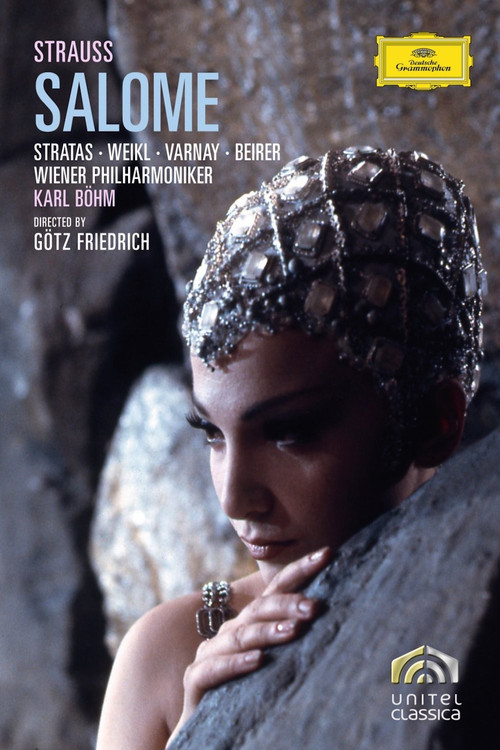
Salome1974
Another Strauss one-act psychodrama, similarly obsessed with a woman's fatal fixation and the male bodies caught in her orbit. Vernon Sewell's staging is stark and operatic in the truest sense—pure emotional extremity.
But Salomé moves slower in places, and some may find the 1970s production design dated rather than timeless, as Elektra's remains.
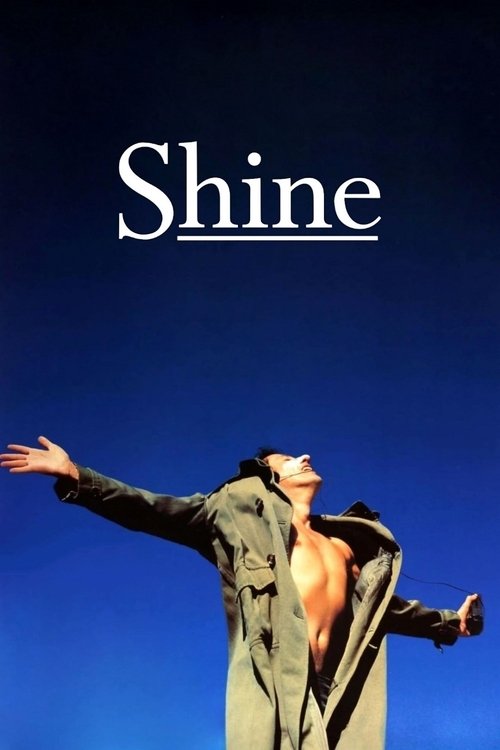
Shine1996
Karlheinz Stockhausen's monumental operatic cycle performed at La Scala. If you loved Elektra's modernist psychology and Abbado's intensity, here's an artist who pushed further into abstraction and spiritual extremity.
But Licht is almost nine hours across seven operas. Some passages feel deliberately hostile to pleasure. Not a single sitting for most people.
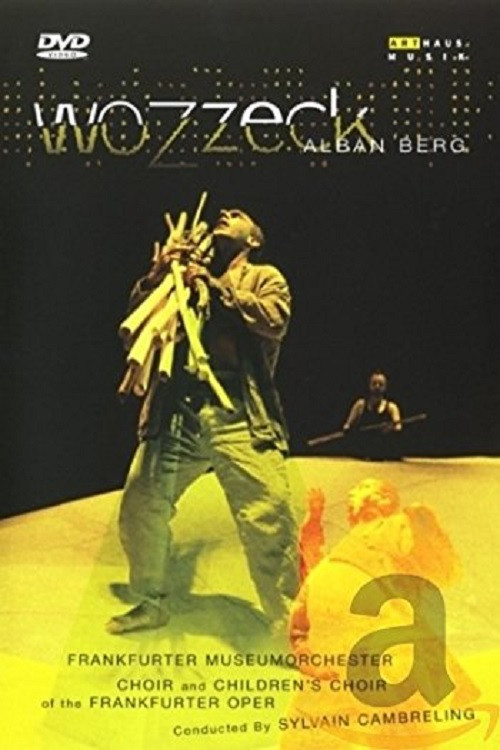
Wozzeck1996
Alban Berg's expressionist masterpiece, conducted by Claudio Abbado himself. Like Elektra, it's compressed, hallucinatory, and shows a human psyche fracturing in real time. The Munich State Opera production is superbly filmed.
But Wozzeck is even more fragmentary and dissonant than Elektra. Its bleakness goes unrelieved. The protagonist's victimization leaves no catharsis, only dread.
Not sure tonight? Get a pick in a minute, starting from Elektra
The wildcard
Something you would not have found on your own.
Synecdoche, New York2008
Both are works about a single human obsession escalating into theatrical spectacle—the artist/character demanding the audience bear witness to their psychological implosion.
Charlie Kaufman's film about a theater director spiraling into megalomania and grief. Like Elektra, it's a portrait of obsession metastasizing into performance; the boundary between the character's fixation and the audience's collusion gets dangerously thin. Both leave you shaken by their formal ambition.
But Synecdoche is deliberately confusing and solipsistic. Its three-hour runtime feels deliberately self-indulgent to some. The tone is exhaustingly anxious rather than cathartic.

More like this (4)
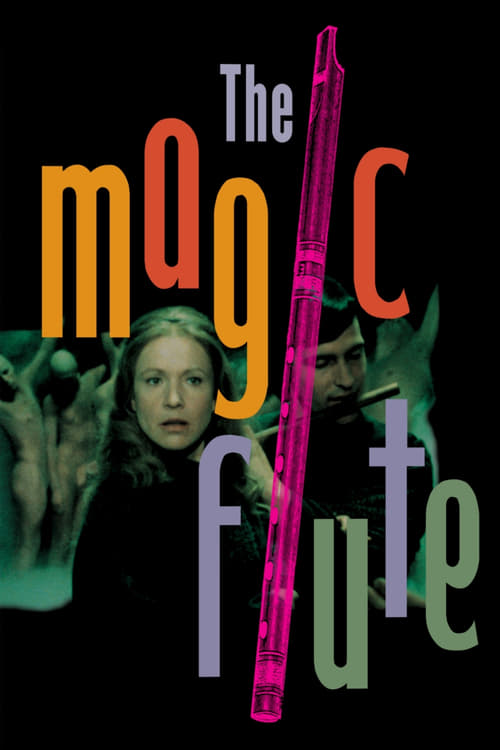
The Magic Flute1975
Ingmar Bergman's film of Mozart. If you want to experience why opera on film matters, this is essential—intimate, psychologically probing, visually ingenious. A completely different register from Elektra, but equally transformative.
But Bergman's interpretation is heavy on psychology and light on spectacle. Some find his existential reading of Mozart's fairy tale reductive. It's very Swedish, very interior.
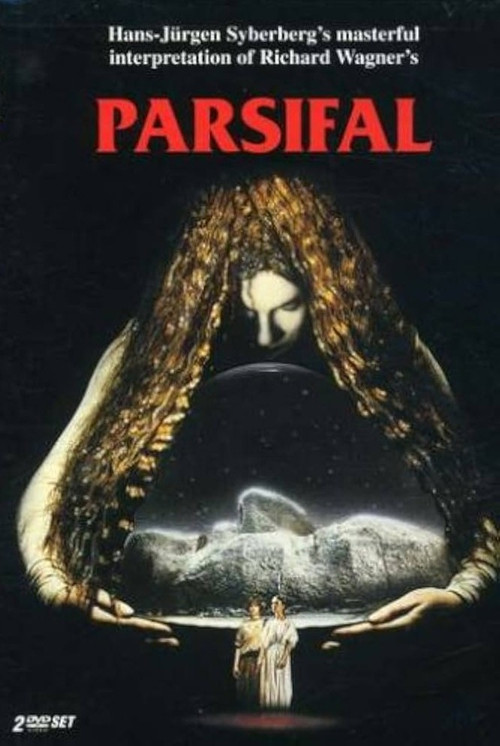
Parsifal1982
Hans-Jürgen Syberberg's visionary staging of Wagner's most mysterious opera, conducted by Horst Stein. Like Elektra, it's obsessed with guilt, sacrifice, and the inheritance of trauma. The design work rivals Schavernoch's.
But Parsifal is five hours of mystical symbolism with an uneven pace. Some find Syberberg's staging pretentious. It requires patience and surrender, not engagement.
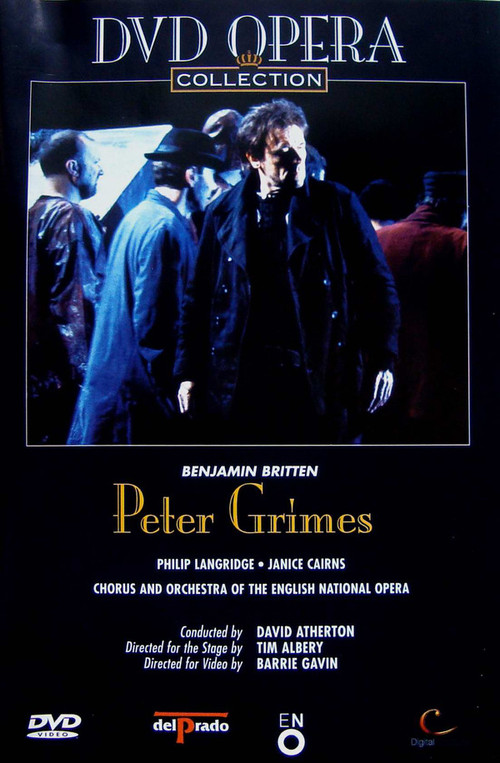
Peter Grimes1994
Benjamin Britten's modern English opera, with Jon Vickers and Heather Harper conducted by Davis. Like Elektra, it's a portrait of isolation, obsession, and the way a community turns on a scapegoat. More lyrical but equally devastating.
But Peter Grimes can feel more like a chamber piece than grand opera. The Suffolk setting and fishing village politics seem provincial next to mythic Greek tragedy. It builds slowly.
Requiem for a Dream2000
Both use relentless formal architecture and piercing sound design to trap the audience inside a character's psychological spiral toward destruction.
Darren Aronofsky's assault on the senses, scored by Clint Mansell and the Kronos Quartet, about four people destroyed by addiction and desire. Like Elektra, it's structured as emotional escalation toward inevitable catastrophe. The repetitive, piercing orchestration achieves what Strauss does through different means.
But Requiem is deliberately unwatchable in places. The electrokinetic editing, repetitive scoring, and depictions of drug use and body horror make it ordeal cinema. No beauty offered as balm.

People
Cast
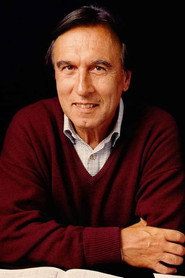 Claudio AbbadoSelf - Conductor
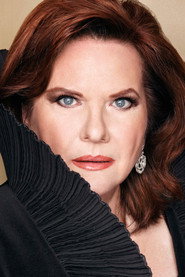 Éva MartonElektra
- Brigitte FassbaenderKlytemnästra
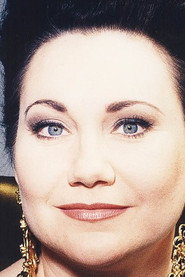 Cheryl StuderChrysothemis
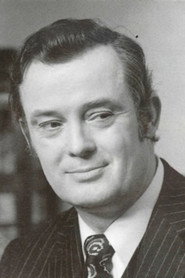 James KingAegisth
- Franz GrundheberOrest
- Orchester der Wiener StaatsoperSelf - Orchestra
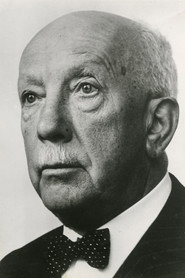 Richard StraussSelf - Composer
- Wiener StaatsopernchorSelf - Chorus
Directing
- Brian LargeDirector
- Harry KupferDirector
Writing
- Hugo von HofmannsthalWriter