
Film
Wozzeck
Other titles called Wozzeck: the 1987 film.
- Stage-musical adaptation
- Very dark
Alban Berg's opera Wozzeck is a modernist masterpiece about a soldier's psychological unraveling under institutional cruelty. This 1996 film version captures the jagged music and fractured narrative in their full force. For anyone curious about twentieth-century opera or interested in how extreme art can excavate human desperation, it's essential. Expect beauty, pain, and unflinching darkness.
Should you watch it?
Watch it if you love opera that trades melody for raw psychological pressure, where a sung line can turn jagged and the orchestra carries the anxiety.
Skip it if the score is atonal and often shrill to ears expecting tunes, and its grim, claustrophobic mood gives little room to breathe.
What it asks of you: About a hundred minutes of sustained unease with few breaks, so give it full attention; half-listening while scrolling won't work.
Not sure? Find tonight's pick in a minute.
If you liked this
Lulu1996
Another Berg opera, equally fragmentary and psychologically intense. The two works are spiritual twins—Berg's only two completed operas, both devastatingly modern. This version stars the same orchestra and conductor, so you're staying in the same creative hands.
But Even more compressed and surreal than Wozzeck. If you find Berg's atonal language difficult, Lulu will feel like drowning rather than swimming.
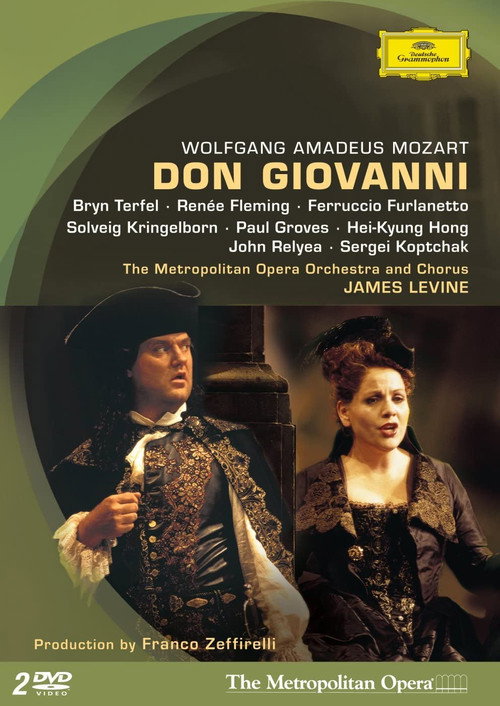
Don Giovanni2000
Mozart's masterpiece reimagined by director Patrice Chéreau as something dark and psychologically fractured. Like Wozzeck, it finds the cruelty and exploitation lurking beneath formal beauty. A bridge between classical opera and modernist dismantling.
But It's very long (three hours plus intermission). The staging is deliberately alienating rather than seductive, which isn't everyone's idea of enjoyment.
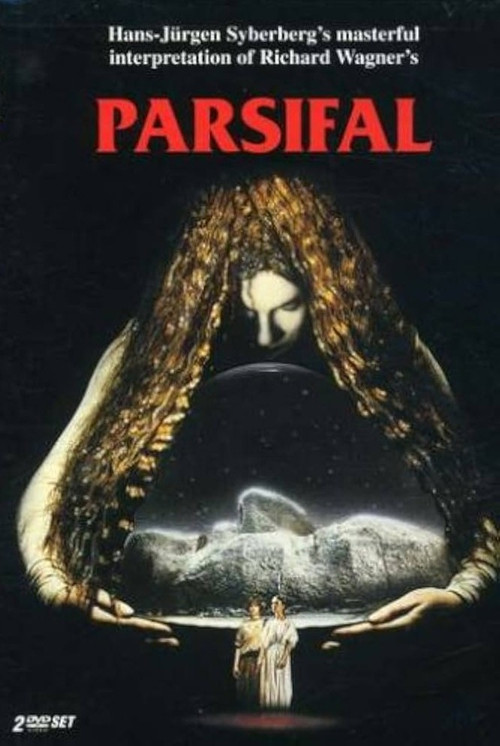
Parsifal1982
Hans-Jürgen Syberberg's filmed Wagner is maximalist where Berg is minimalist, but shares his obsession with suffering and redemption. A total artistic statement that destroys and rebuilds everything. Visually overwhelming and unforgettable.
But It's nearly five hours long and very slow. The imagery is often grotesque or difficult. Not a film for an evening when you want comfort.
Not sure tonight? Get a pick in a minute, starting from Wozzeck
The wildcard
Something you would not have found on your own.
Synecdoche, New York2008
Both are modernist artworks about psychological disintegration, told through fragmented formal techniques. Both argue that art and society fail to protect the vulnerable.
Charlie Kaufman's film is operatic without being an opera—a man's mental world fragmenting and collapsing into itself. Like Wozzeck, it's about powerlessness, mortality, and art's failure to save us. The editing mirrors Berg's musical jaggedness in visual form.
But Deliberately confusing narrative structure that rewires itself throughout. It's exhausting and can feel pretentious. Some viewers find it unpleasurable in ways they don't enjoy.

More like this (4)
Woyzeck1979
Werner Fassbinder's film adaptation of the Büchner play that Berg based his opera on. Raw, claustrophobic, and darkly funny. Seeing the source material staged this way deepens understanding of what Berg kept and what he transformed.
But Grainy 16mm, deliberately bleak aesthetic. The humor is pitch-black and won't land for everyone. Fassbinder's world is uglier than Berg's.
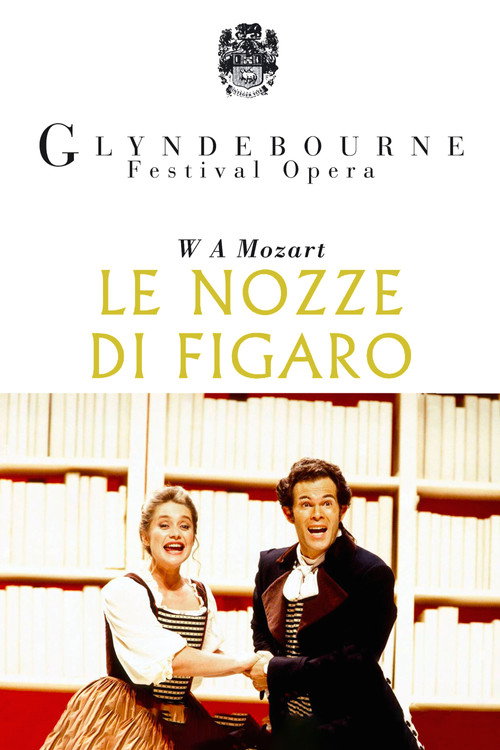
The Marriage of Figaro1994
Mozart's opera about class, desire, and the machinery that grinds people down. Lighter on the surface than Wozzeck but exploring similar social anatomy. This version by director Joseph Losey is intelligent and visually striking.
But If you're looking for escape rather than critique, Mozart's wit might feel thin. The recording is from 1976, not a modern film production.
In the Mood for Love2000
Both use their formal language—Berg's dissonance, Wong's symmetry—to express emotional suffering. Both argue that technique and beauty can express despair more truthfully than realism.
Wong Kar-wai's film is the opposite of Wozzeck's chaos—supreme formal control, lush color, restraint amounting to anguish. Two people unable to connect despite proximity. The precision of the style becomes its own form of tragedy.
But Glacially slow. The beauty can feel empty. If you want plot and forward momentum, this will frustrate you deeply.

Come and See1985
Both are unflinching artistic statements about systemic violence and its cost to consciousness. Both refuse to comfort or redeem. Both argue that some truths demand art this extreme.
Elem Klimov's Russian war film about a boy soldier's descent into horror. Like Wozzeck, it's about how institutions grind the innocent into nothing. Visually and spiritually devastating. One of cinema's rawest documents of human cruelty.
But Deeply traumatizing. Not a film you watch for pleasure. Many viewers find it unwatchable, and that response is legitimate.

People
Cast
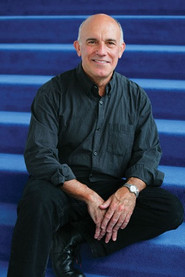 Dale DuesingWozzeck
- Ronald HamiltonDrum Major
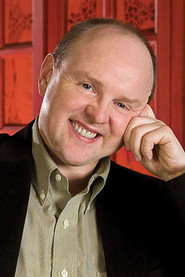 Barry BanksAndres
- Dieter BundschuhThe Captain
- Frode OlsenDoctor
- Bodo SchwanbeckWorkman 1
- Alexander SpermannWorkman 2
- William SaetreIdiot
- Kristine ClesinksiMarie
 Linda OrmistonMargaret
Writing
- Alban BergWriter
- Georg BüchnerWriter