
Film
Woyzeck
- Drama
- Very dark
Wemer Herzog's adaptation of Büchner's unfinished play finds Klaus Kinski as a desperate soldier ground down by poverty, medical abuse, and betrayal. It's bleak, fragmented, and hypnotic—less narrative than a descent into the mind of someone systematically unmade by circumstance. For anyone who wants cinema that trusts the audience to sit with discomfort.
If you liked this
The Killing1956
Kubrick's debut is a portrait of small men trapped by circumstance, told with the same elliptical structure and dark logic. It finds the humanity in people society discards, and never offers easy comfort.
But The jump-cut narrative takes work to follow, and there's no catharsis waiting at the end—just the weight of choices made under duress.

Stalker1979
Tarkovsky's meditative sci-fi shares Woyzeck's refusal to move quickly or reassure. Both films treat poverty and desperation as spiritual states, not plot devices, and find poetry in desolation.
But Nearly three hours of slow, philosophical cinema. If you need constant momentum or clear purpose, this will feel like watching paint dry very slowly.

Come and See1985
A Belarusian war film that, like Woyzeck, documents the systematic destruction of a person's innocence. It's unflinching about how institutions and violence unmake the human soul.
But It's one of the most harrowing films ever made. Not a difficult watch in the way experimental cinema is difficult—difficult in the way witnessing atrocity is difficult.

Not sure tonight? Get a pick in a minute, starting from Woyzeck
The wildcard
Something you would not have found on your own.
The Ballad of Little Jo1993
Both pit a desperate individual against indifferent systems. Both show how poverty and social rejection corrode the self. Both refuse sentimentality about their protagonists' fates.
Maggie Greenwald's Western uses the frontier as backdrop for the same desperation as Woyzeck—a person forced into impossible choices by economic need and social contempt. It's surprising: a woman's story, American, in sunlight—but structurally identical.
But Its revisionist Western tone may feel gentler than you expect. The pacing is deliberate, and some viewers find the politics more interesting than the emotional journey.

More like this (8)
La Haine1995
Kassovitz captures the same claustrophobic entrapment, following men with no escape route as society closes in. The black-and-white cinematography and visceral anger mirror Woyzeck's psychological suffocation.
But The pace is relentless and the rage exhausting. Some viewers find its bleakness manipulative rather than earned.

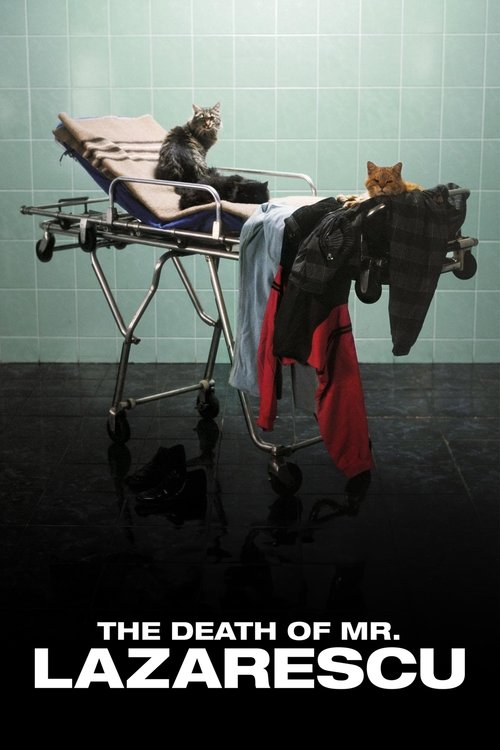
The Death of Mr. Lazarescu2005
Cristi Puiu's film documents the humiliation of a poor, sick man passed between institutions that don't care about him. It has Woyzeck's quiet fury at systemic contempt without any melodrama.
But Two and a half hours watching someone suffer bureaucratic indifference. Not uplifting, and the pacing demands patience most viewers won't have.
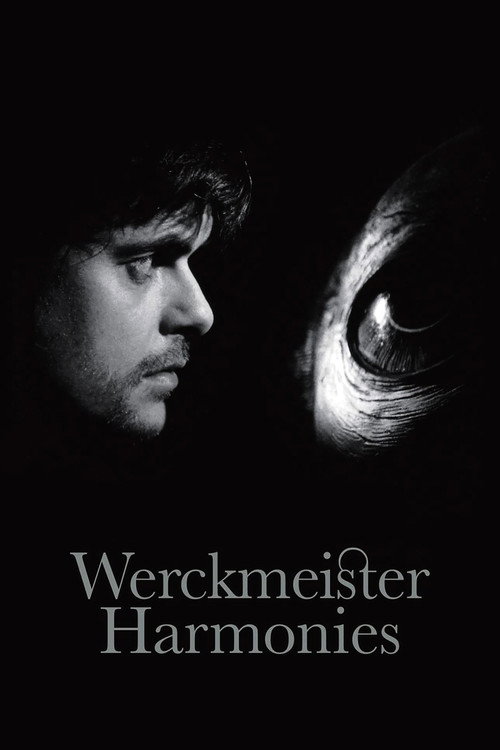
Werckmeister Harmonies2001
Bela Tarr's vision of social collapse shares Woyzeck's fragmented logic and its sense that the world is fundamentally hostile to the poor and mad. Hypnotic black-and-white cinematography, apocalyptic mood.
But Nearly 150 minutes, black and white, minimal dialogue, maximum desolation. Not a film you watch passively—it demands surrender.
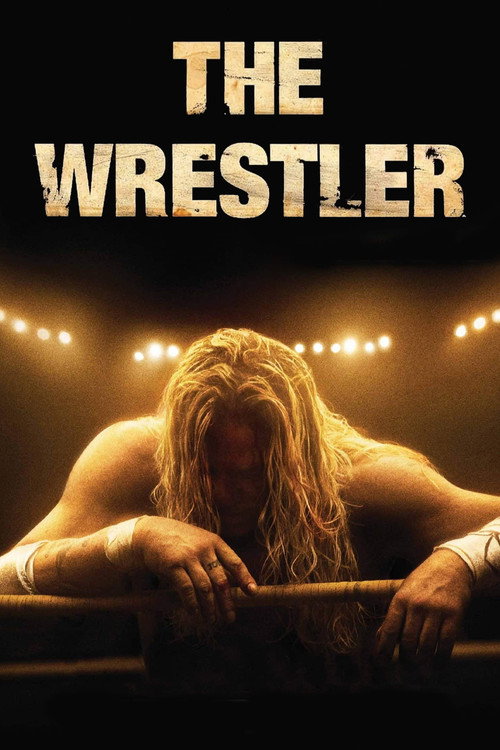
The Wrestler2008
Darren Aronofsky and Mickey Rourke chronicle a man trying to hold himself together through physicality and delusion as the world exploits him. It's Woyzeck in the circus of American masculinity.
But The body horror and accumulated damage can feel exploitative. Some see it as wallowing rather than understanding.
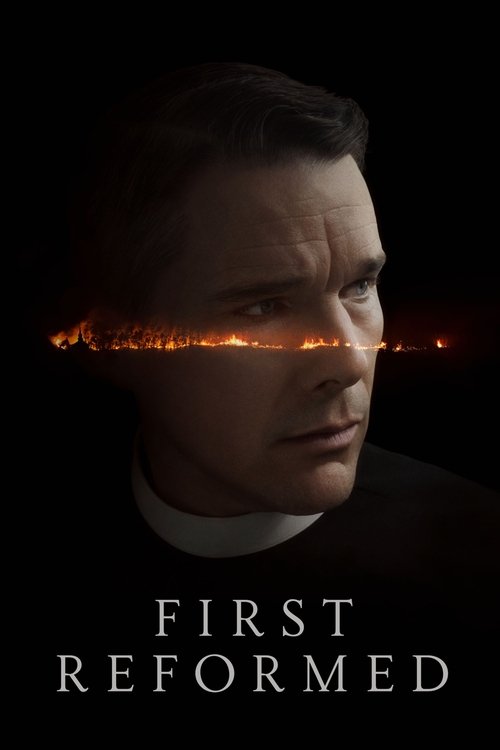
First Reformed2018
Paul Schrader's film follows a man fragmenting under weight of conscience and isolation. Like Woyzeck, it refuses easy redemption and trusts cinema's power to convey inner collapse visually.
But Deliberately paced and didactic at times. The protagonist's despair is so complete it can feel exhausting rather than illuminating.
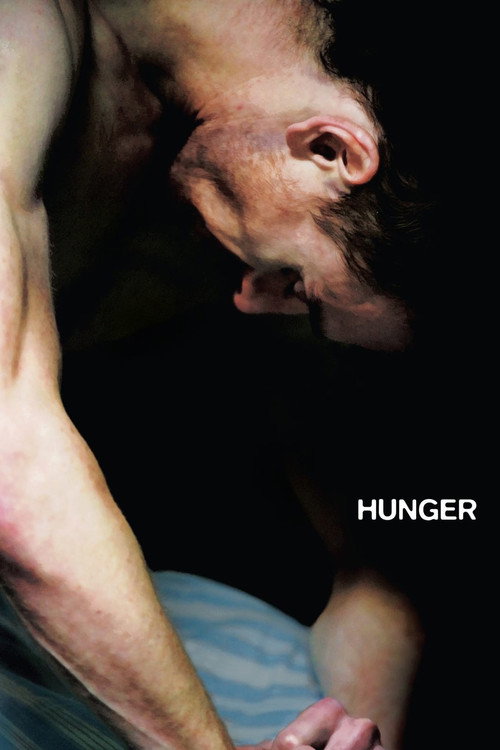
Hunger2008
Steve McQueen's portrait of Bobby Sands is austere, unflinching cinema about a body and mind systematically destroyed. The same formal precision Woyzeck brings to psychological deterioration.
But Graphic depictions of self-harm and starvation. Emotionally draining, and the political context is essential to understanding it.
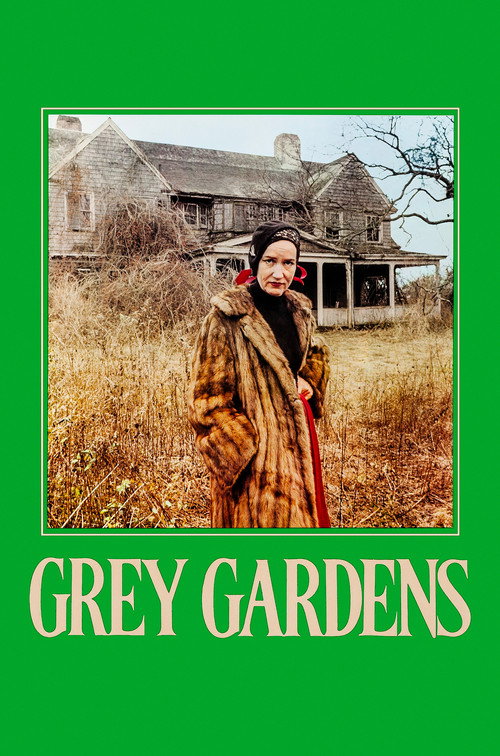
Grey Gardens1976
Both films observe psychological dissolution with precision and refuse to look away. Both suggest that circumstance—whether poverty or isolation—can make madness inevitable. Both distrust neat narrative.
The Maysles' documentary of two wealthy, isolated women descending into squalor is Woyzeck without fiction—a real-time portrait of minds fragmenting under confinement and loss. Hypnotic, horrifying, utterly unsentimental.
But It's verité filmmaking of real people in decline. Many viewers find it exploitative to watch women this vulnerable be documented without intervention or dignity.
Tokyo Story1953
Both films reject plot-driven narrative for something deeper: the photography of time itself. Both suggest that life's real weight comes not from climactic events but from the daily smallness of things. Both are in love with watching.
Ozu's film seems distant from Woyzeck until you recognize it: both are about the accumulated small failures of ordinary life, the way time wears people down, the lack of grand tragedy—just erosion. Ozu finds it in family, Herzog in poverty, but the texture is the same.
But It's from 1953, in black and white, shot mostly from a low angle, with long takes and minimal music. If you need plot momentum or emotional crescendo, it will feel like nothing happens.

People
Cast
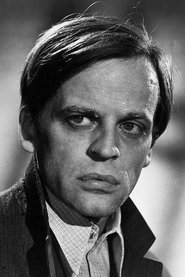 Klaus KinskiFriedrich Johann Franz Woyzeck
 Eva MattesMarie
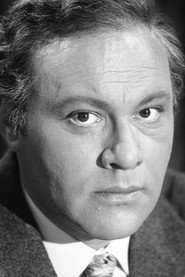 Wolfgang ReichmannCaptain
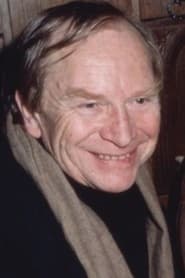 Willy SemmelroggeDoctor
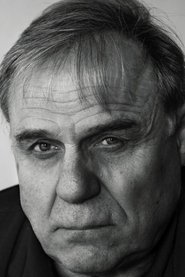 Josef BierbichlerDrum Major
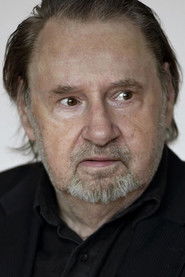 Paul BurianAndres
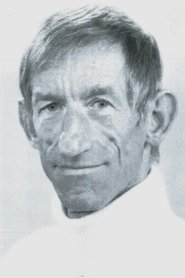 Volker PrechtelHandwerksbursche
- Dieter AugustinMarktschreier
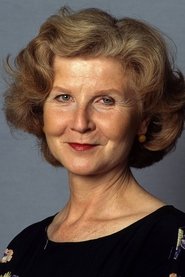 Irm HermannMargret
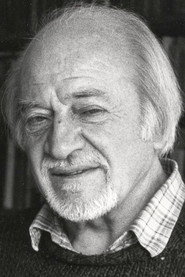
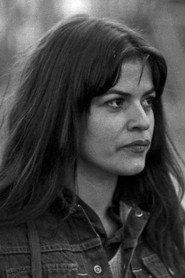
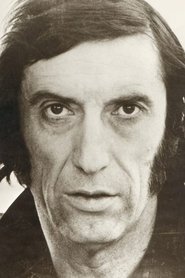 Herbert FuxUnteroffizier
Directing
- Werner HerzogDirector
Writing
- Werner HerzogScreenplay
- Georg BüchnerTheatre Play
Production
- Joschi ArpaProducer
- Walter SaxerProduction Manager