
Film
Shine
Shine follows a pianist's descent into mental illness and halting recovery, told through fragmented memory and luminous performances. It's a film about the cost of genius, the damage fathers do with their demands, and the fragile grace of reclaiming what breaks you. For anyone moved by struggle, music, and the possibility of coming back.
Should you watch it?
Watch it if you love films built around a single performance, where a haunted, unruly character carries the whole picture and the music does the emotional heavy lifting.
Skip it if you want a tidy, fast-moving plot; this one moves in long, uneven stretches, and its frenzied, rambling early passages can feel more like weather than story.
What it asks of you: It runs about an hour and forty-five minutes and shifts between tender and frantic, so it asks you to stay patient through its wobbling middle and to accept a sharp change of mood from scene to scene.
Not sure? Find tonight's pick in a minute.
If you liked this
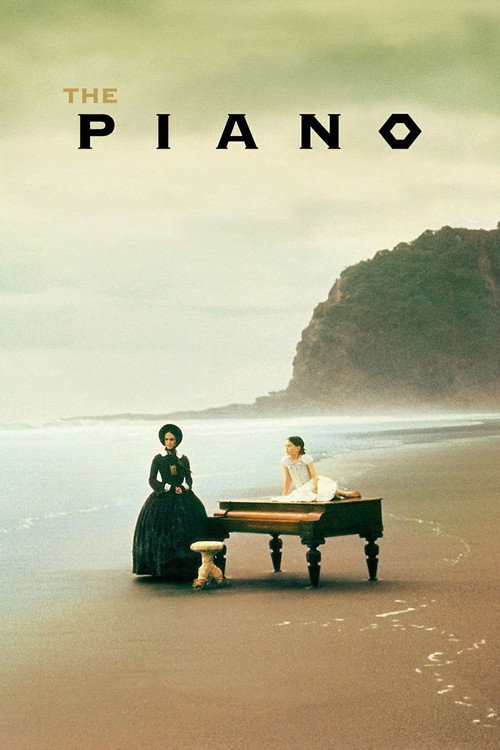
The Piano1993
Jane Campion's masterpiece about a mute pianist's defiant erotic awakening in colonial New Zealand. Like Shine, it makes piano the language of the self, but trades psychological realism for Gothic fever dream.
But Visually austere and sexually explicit in ways that feel intense rather than gratifying. The pacing is deliberate, even glacial.
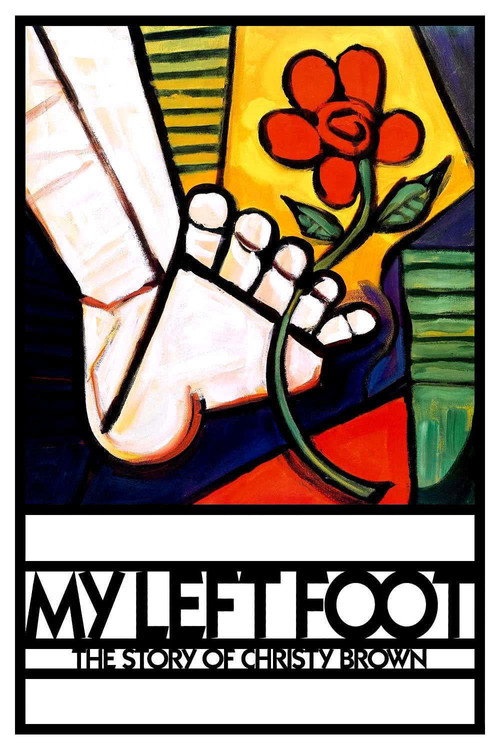
My Left Foot: The Story of Christy Brown1989
Daniel Day-Lewis as Christy Brown, an Irish painter with cerebral palsy who wills himself into art despite every obstacle. Same DNA: triumph through impossible circumstance, a difficult father, and the body as both prison and canvas.
But Darker and less sentimental than you might expect. Some viewers find the biographical framework a touch formulaic.
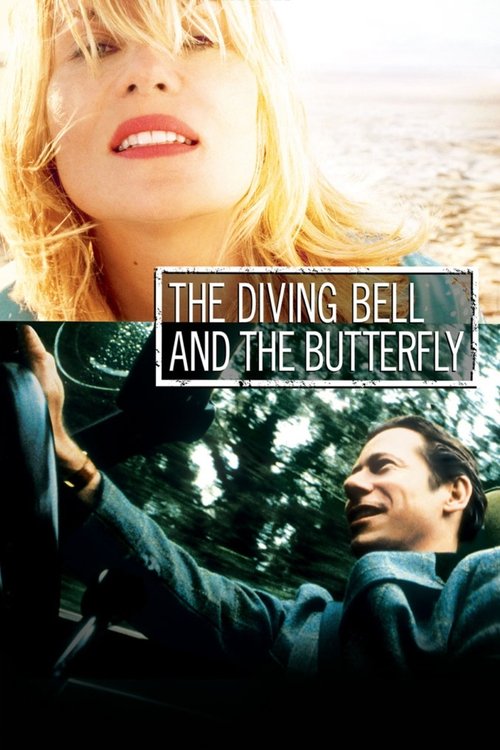
The Diving Bell and the Butterfly2007
A locked-in patient dictates his memoir by blinking. Like Shine, it's about consciousness trapped and then released; about how the mind soars when the body cannot. Visually inventive and strangely joyful.
But Experimental editing and split-screen sequences can feel mannered. Some will find the lightness inappropriate to the subject.
Not sure tonight? Get a pick in a minute, starting from Shine
The wildcard
Something you would not have found on your own.
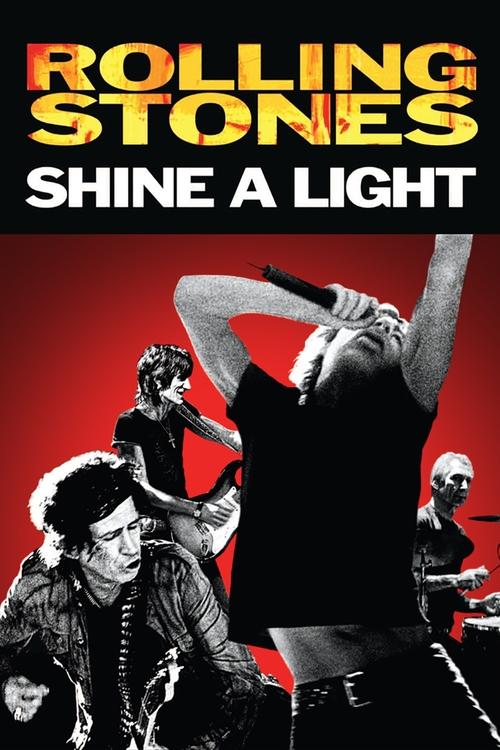
Shine a Light2008
Both films understand performance—musical performance especially—as a way to temporarily transcend damage and prove you're still here. Helfgott's return to the piano and the Stones still rocking are the same act of defiance.
Martin Scorsese films the Rolling Stones in concert. The connection: both are about performance as a form of exorcism, about the body remembering what the mind might forget, and about music's power to resurrect the self. Also, you get to watch aging giants do what they were born to do.
But It's a concert film, not a narrative. If you're not moved by witnessing live performance, the 122 minutes will feel slack.
More like this (8)
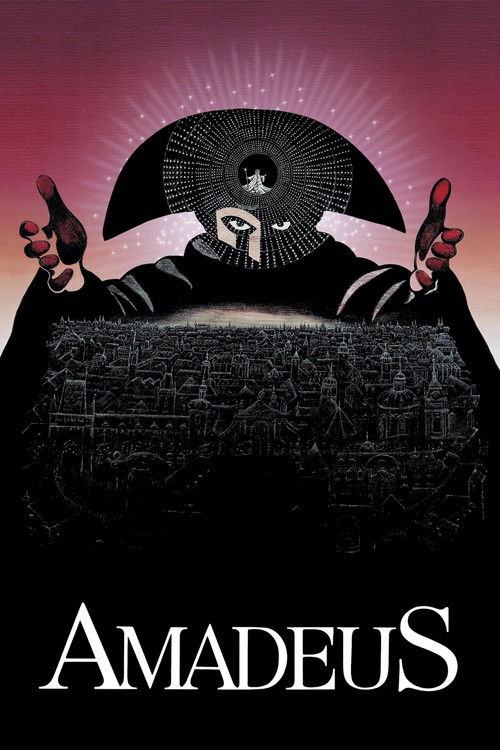
Amadeus1984
A genius composer undone by rivalry, ambition, and his own nature. Milos Forman captures the ecstasy and psychosis of creating beauty, the weight of fathers (literal and metaphorical), and music as redemption.
But Three hours long and in love with its own grandeur. The villain's jealousy can feel overwrought.
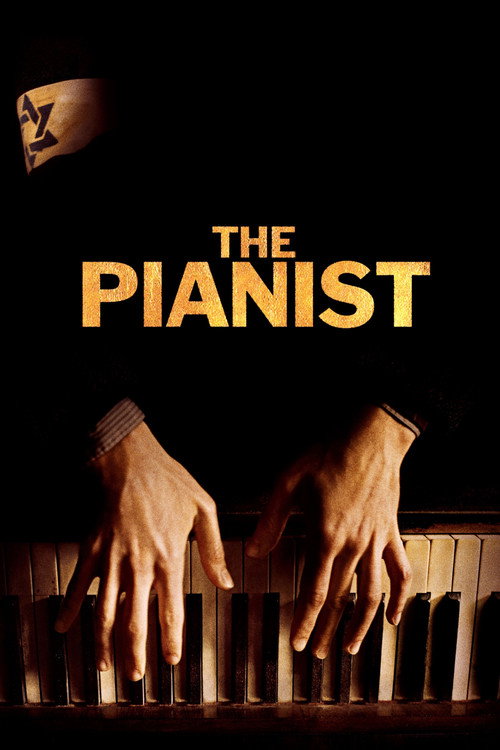
The Pianist2002
Adrien Brody as a Jewish pianist surviving the Warsaw ghetto. Again: music as identity, the piano as both refuge and impossible luxury, a man clawing back to performance after unthinkable trauma.
But Wartime atrocity footage is explicit and grinding. The survival-story shape, however earned, can feel formulaic to some.
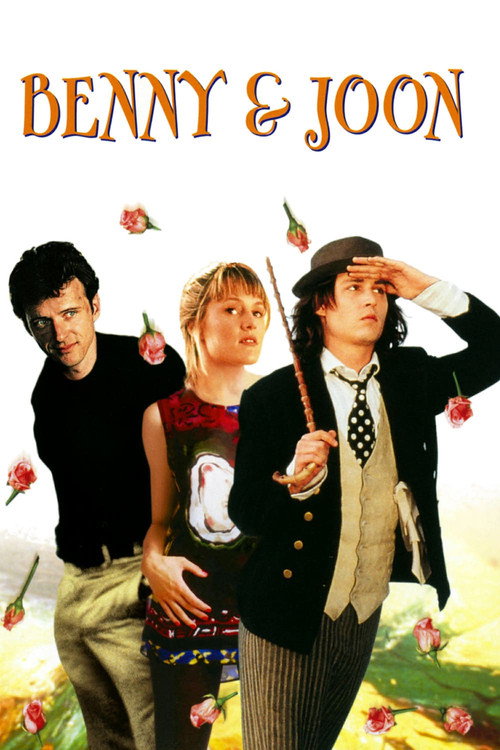
Benny & Joon1993
Johnny Depp and Mary Stuart Masterson in a tender, weird love story about mental illness and the people who love the mentally ill without trying to fix them. Lighter than Shine but equally honest about fractured minds.
But The whimsy doesn't land for everyone. Some find it saccharine where it aims for sweet.
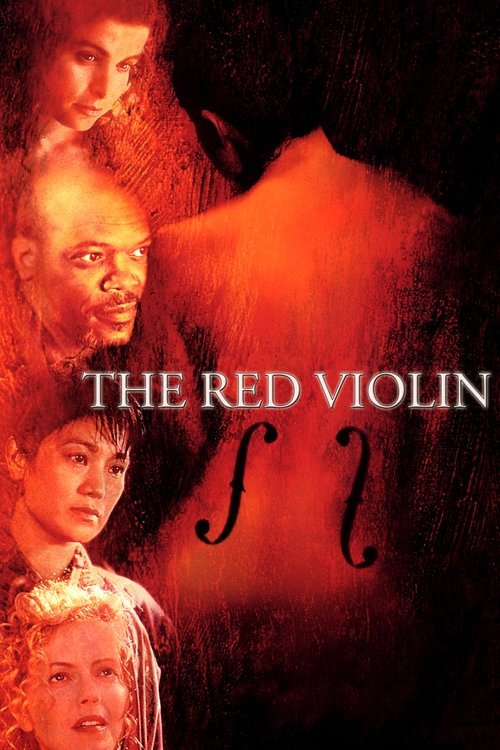
The Red Violin1998
A centuries-spanning mystery about a cursed instrument and the musicians it owns. Like Shine, it's about possession by music, the hunger it creates, and what it costs to be chosen by your art.
But Episodic structure means no single storyline has deep room to breathe. The magical-realism framing won't appeal to all tastes.
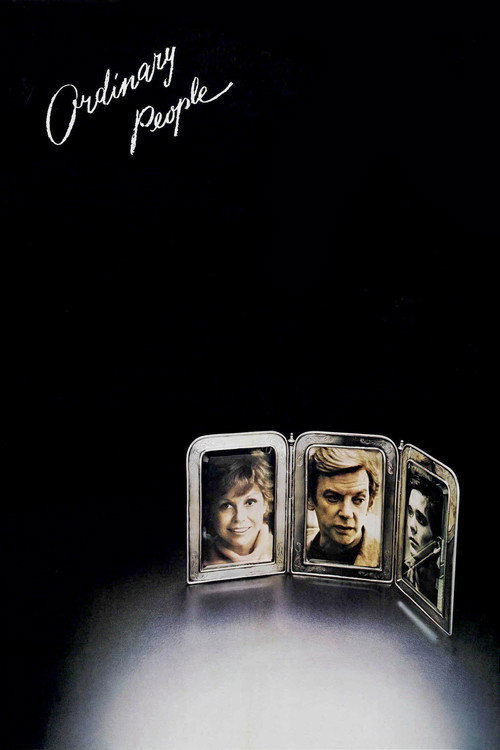
Ordinary People1980
Robert Redford's directorial debut: a family fractured by grief and dysfunction finding their way toward honesty. Psychologically astute, focused on the father-son wound at Shine's heart, and deeply moving.
But Filmed in muted tones and measured rhythms; some find it dated or slow. Therapy-room dialogue can feel schematic.
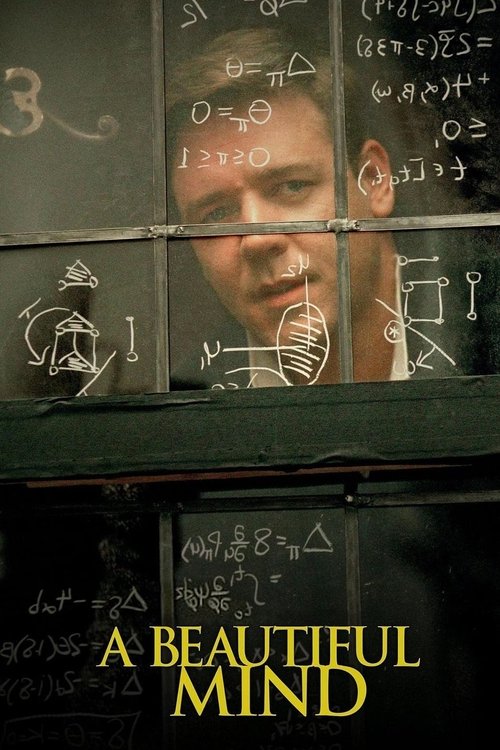
A Beautiful Mind2001
Russell Crowe as mathematician John Nash battling schizophrenia. Another portrait of genius and mental fragility, with strong supporting performances and moments of real insight into altered consciousness.
But Softens its subject matter considerably. The romantic subplot feels tacked on, and the ending is more Hollywood than earned.
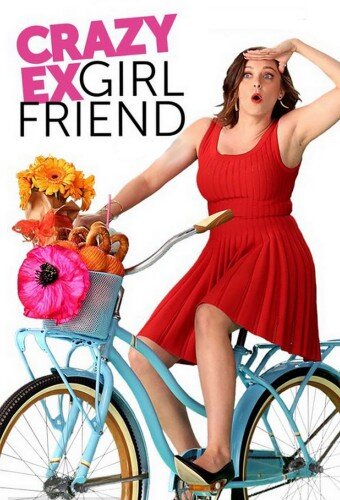
Crazy Ex-Girlfriend2015
Both use music to externalize internal chaos. Where Shine makes Rachmaninoff the language of Helfgott's fractured mind, Crazy ex-Girlfriend builds an entire musical theatre inside the protagonist's contradictions. Both know that the feelings you can't articulate will come out as song.
Musical comedy-drama where a woman follows her ex across the country. Like Shine, it's about the ways desire and obligation can masquerade as love, the damage father figures do, and how you reassemble yourself after collapse. Also it's extremely funny and has genuinely great songs.
But Tonal whiplash: it's comedy that abruptly becomes heavy, then light again. The main character is often actively unlikeable. And yes, there are musical numbers; that's not for everyone.
Synecdoche, New York2008
Both films understand the artist as fundamentally fractured, unable to live normally because the work demands everything. But where Shine finds grace in return and reconnection, Synecdoche is more pessimistic: the art never lets you go, and maybe that's a kind of death. They're opposite sides of the same question about whether genius heals or destroys.
Philip Seymour Hoffman as a theatre director whose production begins to consume his life, blurring reality and performance until they're indistinguishable. Bewildering, gorgeous, and utterly committed to its own logic. About art as both salvation and sickness.
But Deliberately confusing and layered—you'll need to surrender to it rather than 'solve' it. Some find it pretentious or inaccessible. The bleakness is unrelenting.

People
Cast
 Geoffrey RushDavid Helfgott - Adult
 Noah TaylorDavid Helfgott - Adolescent
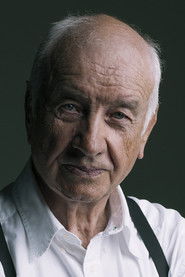 Armin Mueller-StahlPeter
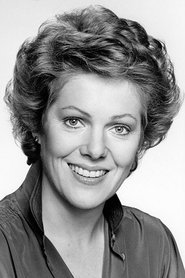 Lynn RedgraveGillian
 Googie WithersKatharine Susannah Prichard
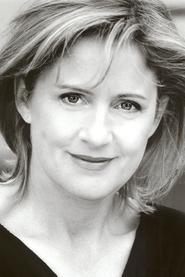 Sonia ToddSylvia
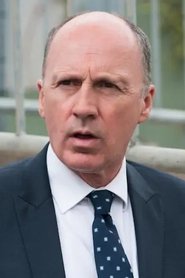 Nicholas BellBen Rosen
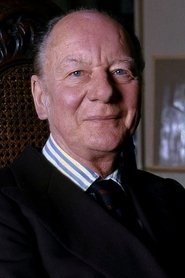 John GielgudCecil Parkes
- Justin BraineTony
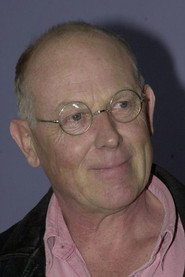
- Alex RafalowiczDavid Helfgott - Child
- Gordon PooleEisteddfod Presenter
Directing
- Scott HicksDirector
- Stephen WoolfendenSecond Assistant Director
Writing
- Jan SardiScreenplay
- Scott HicksStory
Production
- Jane ScottProducer
Recommended by
Little Man Tate, Amadeus, Proof, The Second Act of Elliott Murphy, Hilary and Jackie, An Angel at My Table, I Called Him Morgan, Song of Norway, A Song to Remember, The Music Lovers, Madame Sousatzka, Rigoletto, Concert for George, Eric Clapton: Life in 12 Bars, Justin Bieber: Never Say Never, The Devil's Violinist, Cirque du Soleil: Alegria - The Truth of Illusion, The Competition, Touch the Sound, Elektra