
Film
Concert for George
A luminous memorial concert for George Harrison held at London's Royal Albert Hall in 2002, orchestrated by Eric Clapton and Jeff Lynne. This isn't a greatest-hits compilation but a genuine gathering of musicians who loved him, playing deep cuts and rarities alongside the classics. It's intimate despite the grandeur, genuinely moving without sentimentality. For Beatles devotees, Harrison obsessives, and anyone who needs to remember what live music feels like when it matters.
If you liked this
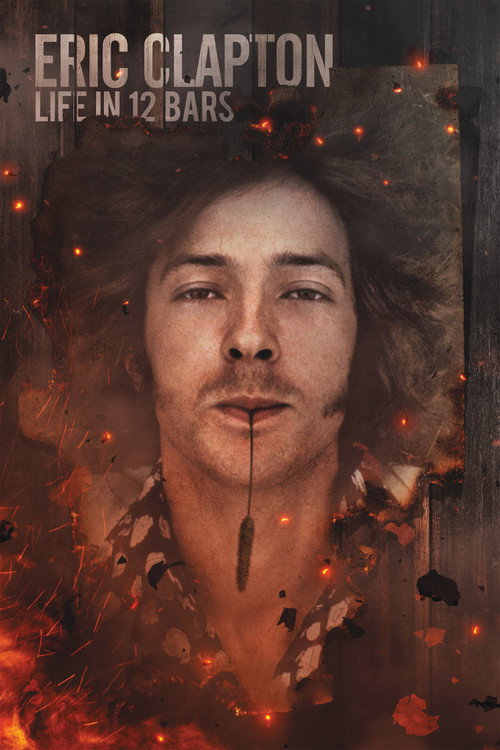
Eric Clapton: Life in 12 Bars2018
Lili Fini Zanuck's documentary traces Clapton's journey from blues obsessive to stadium rock legend with unflinching honesty about addiction, loss, and redemption. His voice throughout is reflective and raw. A portrait of an artist wrestling with his own mythology.
But Clapton's personal failings aren't softened or reframed—the film doesn't ask you to forgive him, just understand. Some may find that uncomfortable.
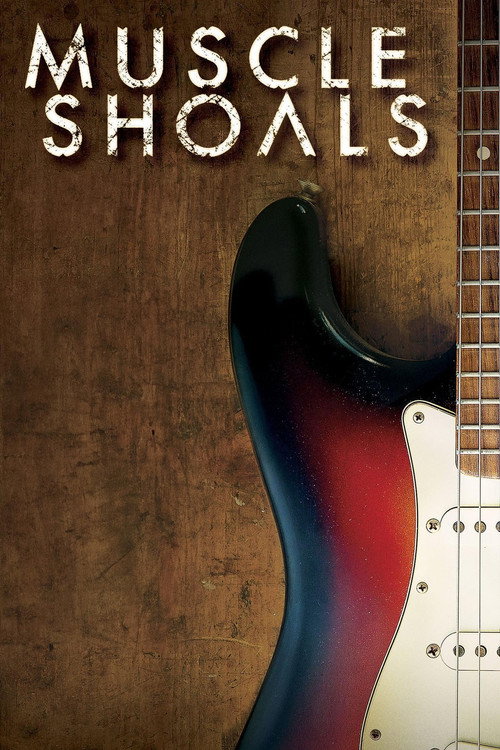
Muscle Shoals2013
A documentary about the legendary Alabama studio where countless hit records were made, featuring interviews with the session musicians and artists who recorded there. It captures the electricity of live musicianship and collaboration that Concert for George channels.
But Focuses on soul, R&B, and rock primarily from the 1960s-70s. If you're not interested in that era's music, it'll feel like a detour.
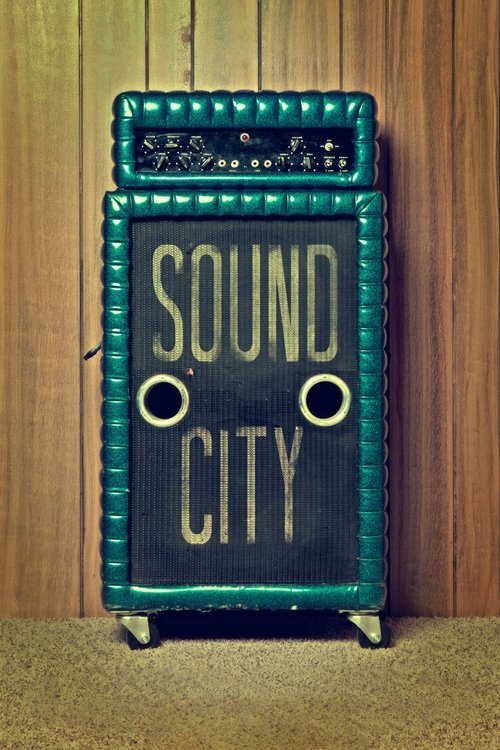
Sound City2013
Dave Grohl's love letter to an iconic Los Angeles recording studio and the musicians who shaped rock there. It's about the alchemy of live performance and the people who made it happen. Celebrates musicianship and community in a way that resonates deeply with Concert for George.
But Grohl's direction is earnest rather than sophisticated, and the narrative occasionally veers sentimental. Some may find it overly reverent.
Not sure tonight? Get a pick in a minute, starting from Concert for George
The wildcard
Something you would not have found on your own.
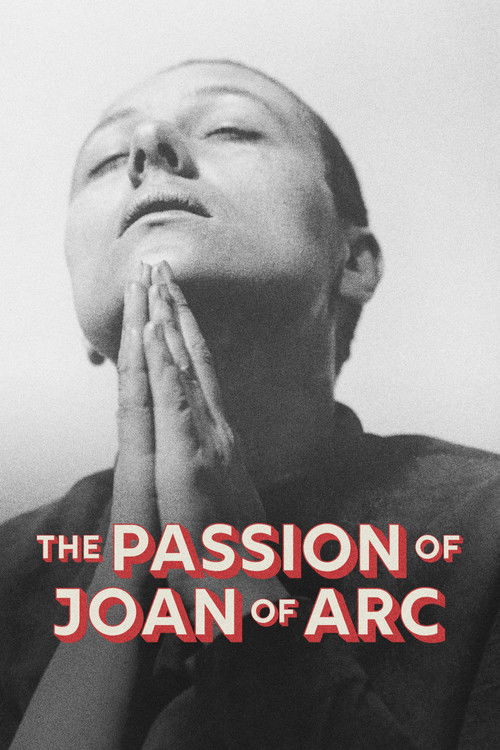
The Passion of Joan of Arc1928
Both films have a spiritual gravity and ceremonial quality—one is a concert as ritual, this is a trial as ritual. Both are about witnessing something that matters, being present to something larger than oneself. Both use close-up faces to convey the weight of the moment.
Dreyer's silent film of Joan of Arc's trial is luminous, devastating, and nearly wordless—the camera rarely cuts, holding faces in extreme close-up. It transforms a historical trial into a profound meditation on faith, suffering, and transcendence. Watching it feels like witnessing something sacred.
But It's 1928, entirely silent, and shot mostly in extreme close-up. The pacing is glacial by modern standards, and the emotional intensity never lets up. Can feel exhausting.
More like this (3)
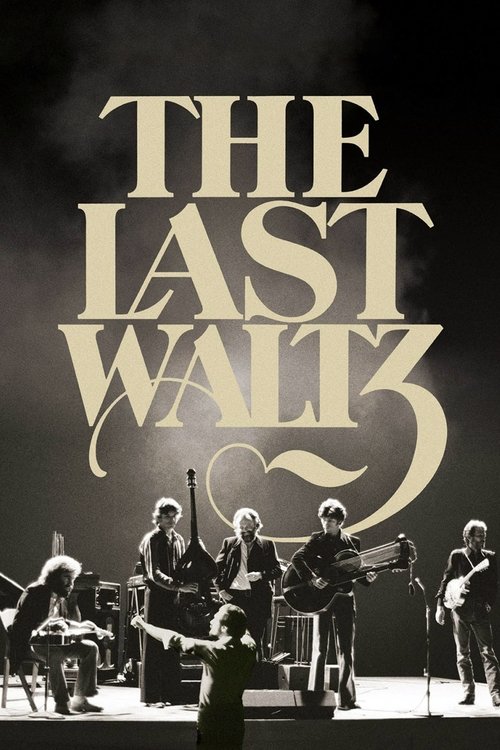
The Last Waltz1978
Martin Scorsese's documentary of The Band's farewell concert features a who's-who of guest musicians—Dylan, Van Morrison, Neil Young, and others—performing together. It's the template for the memorial concert film, and beautifully shot. Essential history.
But The pacing is slower by modern standards, and some of the performances stretch long. The film privileges mood over narrative drive.
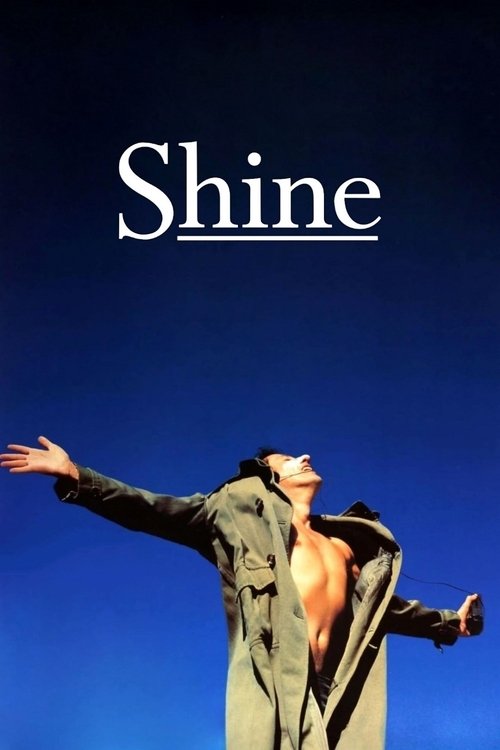
Shine1996
A narrative film about pianist David Helfgott's recovery from mental illness and his return to performance. It captures what it means when music becomes a lifeline, and what happens when an artist reclaims themselves. Deeply moving without being maudlin.
But It's a drama, not a documentary, and takes significant liberties with the true story. Some classical music enthusiasts feel it simplifies Helfgott's life.
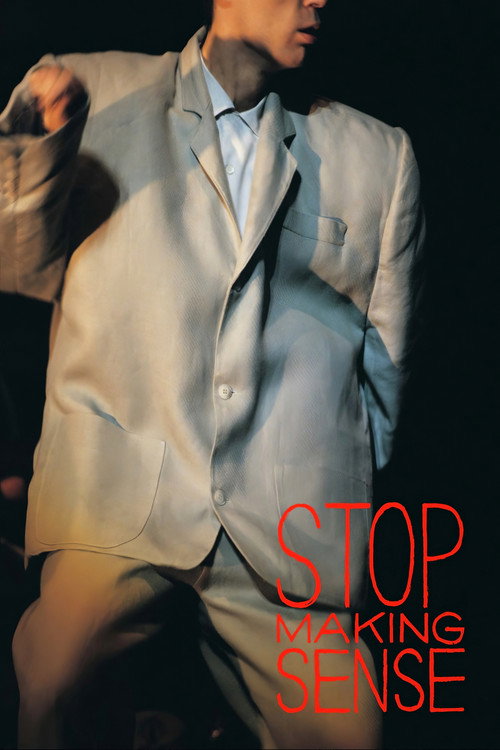
Stop Making Sense1984
Both capture live performance as an act of collective creation, but where Concert for George is reverent and memorial, this is wild and experimental. Different tone, same fundamental belief that what matters is the people in the room, making something together in real time.
Jonathan Demme's film of Talking Heads' concert is a radically inventive performance film—the stage design evolves, the band builds the show in real time, and the energy is frenetic and joyful. David Byrne's body becomes part of the music. It's unlike any concert film you've seen.
But Post-punk art rock isn't for everyone, and Byrne's vocals and performance style are deliberately strange. The film is maximalist and can feel chaotic if the music doesn't grab you.
People
Cast
 Joe BrownSelf
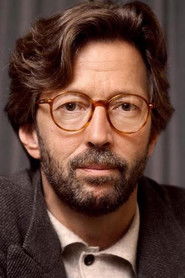 Eric ClaptonSelf
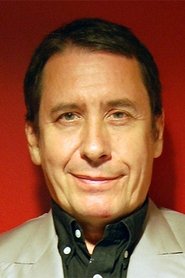 Jools HollandSelf
 Sam BrownSelf
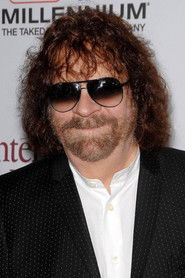 Jeff LynneSelf
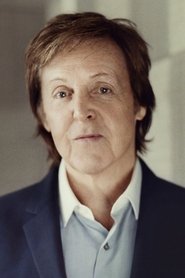 Paul McCartneySelf
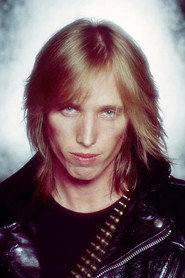 Tom PettySelf
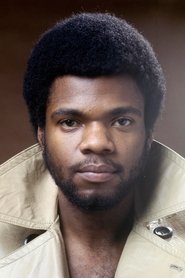 Billy PrestonSelf
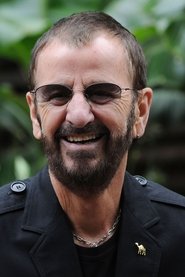 Ringo StarrSelf
 Anoushka ShankarSelf
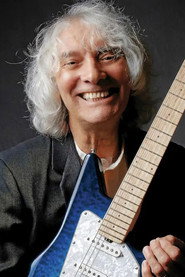 Albert LeeSelf
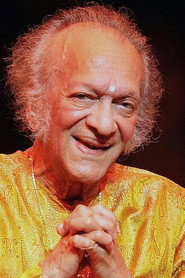 Ravi ShankarSelf
Directing
- David LelandDirector
Production
- Brian RoylanceExecutive Producer
- Olivia HarrisonExecutive Producer
- David LelandProducer
- Jon KamenProducer
- Olivia HarrisonProducer
- Ray CooperProducer
- Eric ClaptonProduction Director
- Jeff LynneProduction Director