
Film
An Angel at My Table
Jane Campion's portrait of Janet Frame, New Zealand's greatest writer, across the decades of her life. A film about misdiagnosis, resilience, and the terrible cost of being misunderstood by the world. It moves through Frame's childhood poverty and family tragedy into her luminous adulthood, watching her find her voice despite—and perhaps because of—what others saw as her brokenness. Achingly tender and unsentimental.
Should you watch it?
Watch it if you love quiet, observant films where a life is built from small textures, a child's private wonder and the slow weight of ordinary days, rather than plot momentum.
Skip it if you need a story that moves forward, since this one lingers in moods and fragments and will test your patience across its very long running time.
What it asks of you: Roughly two and a half hours of unhurried, episodic watching, with long stretches of silence and a tone that moves from gentle to bleak and rewards staying put.
Not sure? Find tonight's pick in a minute.
If you liked this
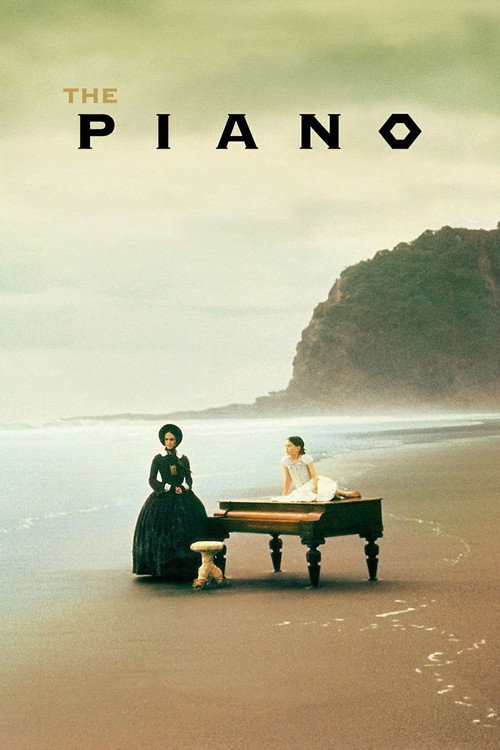
The Piano1993
Also directed by Jane Campion, this story of a mute woman finding power through her art shares the same visual richness and exploration of female agency against impossible odds. A masterpiece about communication beyond words.
But It's deliberately paced and deeply strange; some find it remote rather than moving. The sexual content and violence may disturb.
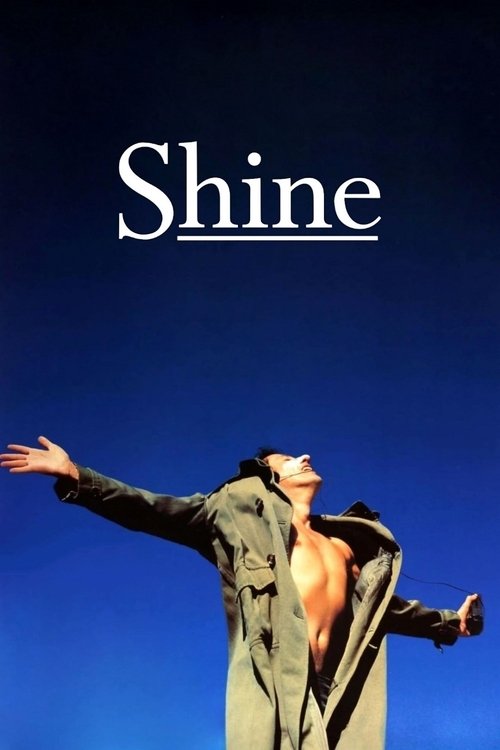
Shine1996
Another biographical portrait of a brilliant Australian artist—a pianist—whose mind fractured under pressure. Like Frame, it traces the cost of genius and the redemption found through the work itself, with genuine compassion for mental illness.
But It can feel heavy-handed in places, and the structure of returning repeatedly to breakdown scenes becomes exhausting rather than illuminating.
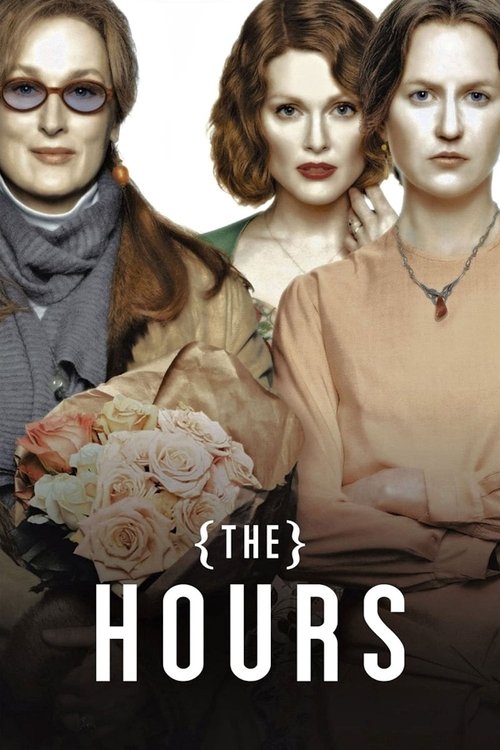
The Hours2002
Three women writers across different eras, each grappling with depression and the tension between artistic ambition and the world's refusal to accommodate them. A meditation on why certain minds break and how they endure.
But It's cerebral and melancholic throughout, without much lightness. If you need narrative momentum or resolution, you'll find it frustratingly slow.
Not sure tonight? Get a pick in a minute, starting from An Angel at My Table
The wildcard
Something you would not have found on your own.
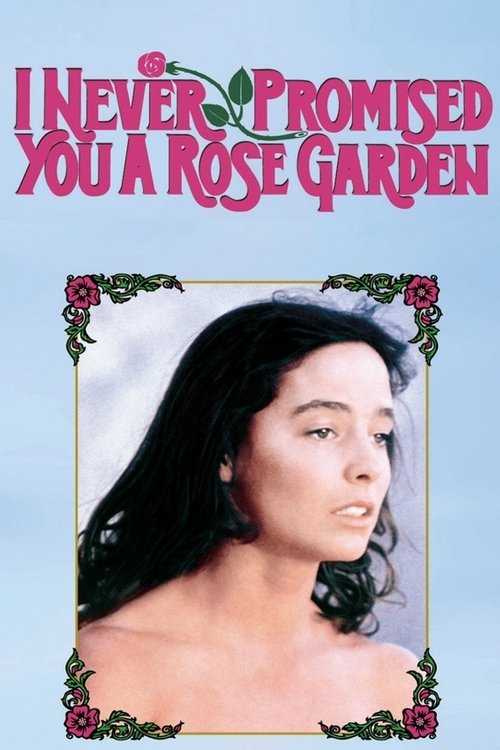
I Never Promised You a Rose Garden1977
Both films insist that the mind of the suffering person has its own logic and validity. Both argue for listening instead of labeling.
A 1970s psychiatric drama where the patient (Kathleen Quinlan) is treated with genuine respect by her therapist, and her fractured inner world is visualized with startling poetry. Where An Angel shows misdiagnosis, this shows what ethical care looks like—rarer and more radical than it should be.
But The production values are dated in a way that softens the film's power. Some viewers find the therapeutic optimism dated; it's a product of its moment.
More like this (8)
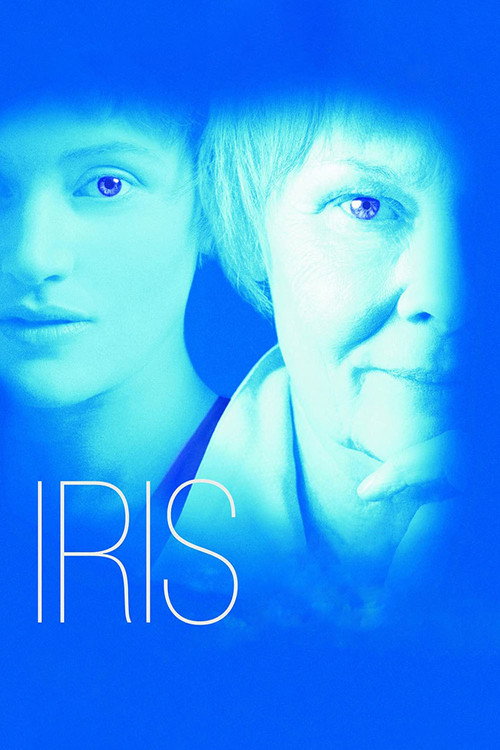
Iris2001
Another literary biography tracing a writer's entire life, charting Iris Murdoch from brilliant youth through her descent into Alzheimer's. Tender, intelligent, and deeply interested in how identity persists when the mind begins to fail.
But The back-and-forth timeline can feel mechanical. Some viewers find it more dutiful than moving, despite strong performances.
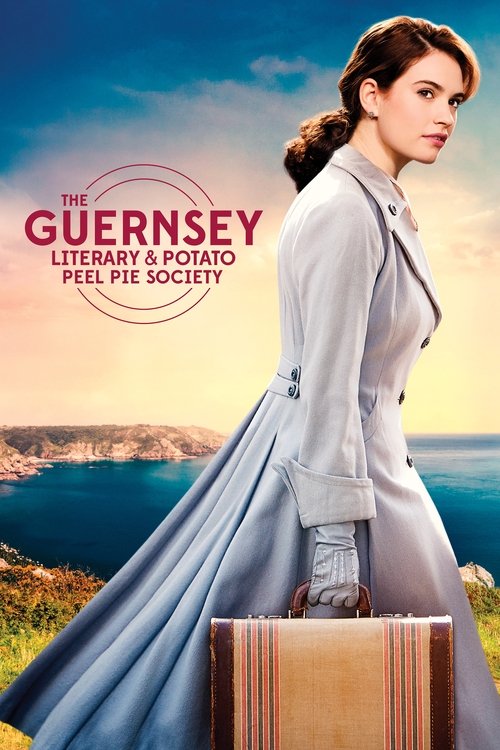
The Guernsey Literary & Potato Peel Pie Society2018
A quieter meditation on how books save people—how reading and writing create community and repair trauma. It shares Frame's faith in literature as redemptive without sentimentalizing suffering.
But It's knowingly cozy and whimsical, which some find saccharine. The stakes feel deliberately small compared to weightier dramas.
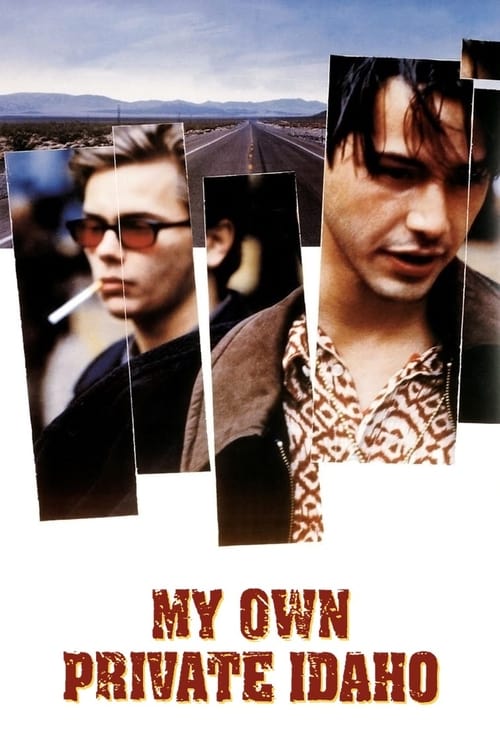
My Own Private Idaho1991
Gus Van Sant's elliptical, poetic film about male street hustlers searching for home and identity. Like An Angel, it refuses easy narrative or diagnosis, treating its damaged characters with genuine dignity and strange beauty.
But The pacing is deliberately languid and the plot minimal. It can feel self-consciously artful, and some scenes of exploitation make it uncomfortable to sit with.
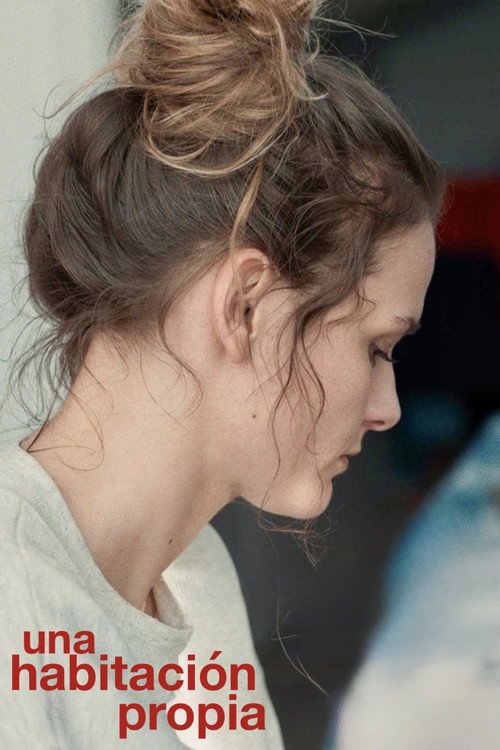
A Room of One's Own2019
A documentary essay on female writers and creativity, grounded in Virginia Woolf's famous argument. It speaks directly to Frame's struggle: the practical and psychological space women are denied when they try to write.
But It's more essayistic than dramatic—there's no narrative arc, just ideas. If you want story, not argument, this won't satisfy.
The Farewell2019
Lulu Wang's film about cultural displacement and family silence, told with emotional precision and dark humor. It shares Frame's theme: how institutional systems and family mythology can misshape a life, and how you find yourself anyway.
But The tone shifts between comedy and grief in ways that don't always cohere. Some find the ending deflating rather than earned.

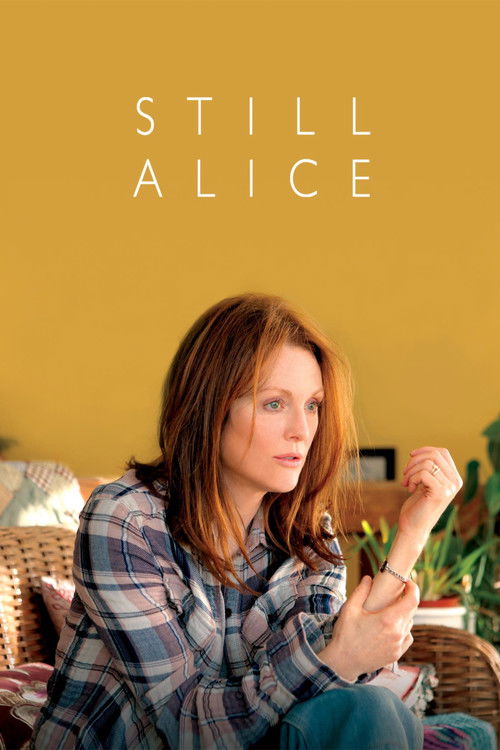
Still Alice2014
A portrait of another brilliant woman losing her mind, but where Frame's story is about being wrongly diagnosed, this is about watching a diagnosis confirm itself. Both are about identity beyond cognition.
But It's designed to break your heart, which can feel manipulative. The film leans heavily on Julianne Moore's face to do the work, and not everyone responds to that approach.
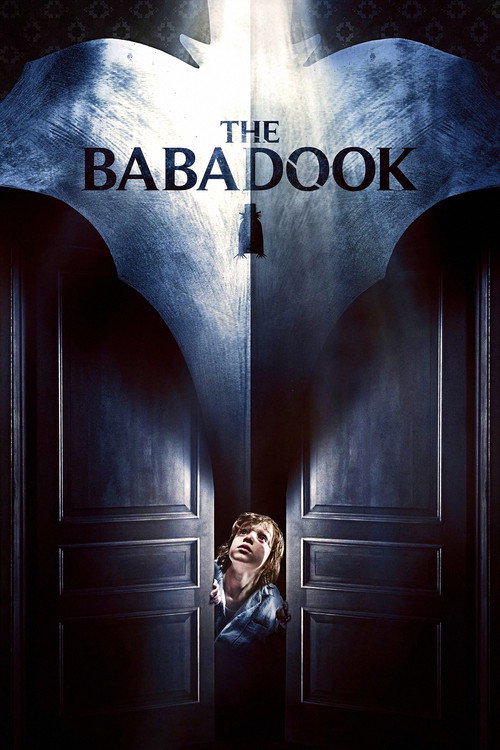
The Babadook2014
Both films treat mental anguish as a lived experience rather than a plot problem. Both find strange beauty in what breaks a person.
An Australian horror film about a mother fractured by grief, where her psychological trauma becomes literal and monstrous. Like An Angel, it refuses to pathologize pain—it honors the terror as real—and finds survival, not cure, as the only honest ending.
But It's genuinely frightening and uses body horror and sound design to disturb. If you watch horror to feel safe, this isn't it.
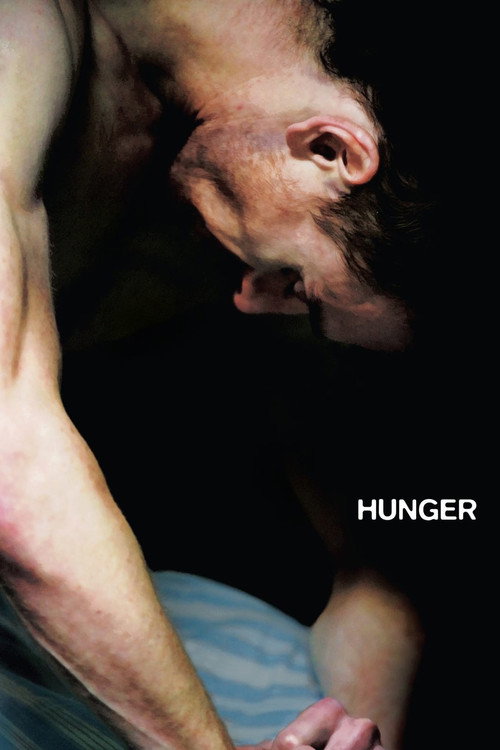
Hunger2008
Both films trust their audience to sit with discomfort and find meaning in visual language rather than explanation. Both ask: what does it mean to preserve your self when the world wants to remake you?
Steve McQueen's film about an Irish republican's protest by starvation, told through visual precision rather than dialogue. Like Campion's An Angel, it finds the extraordinary in stillness, and measures a person's worth against a system determined to erase them.
But There are long sequences of almost nothing happening. It's austere and demands patience. Some find it inaccessible rather than profound.
People
Cast
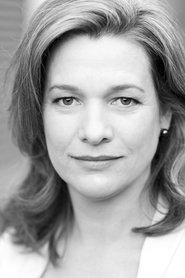 Kerry FoxJanet Frame
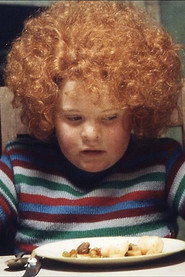 Alexia KeoghJanet Frame as a child
- Karen FergussonJanet Frame as a teenager
- Iris ChurnMother
- Jessie MuneJanet Frame as a baby
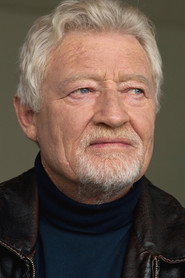 Kevin J. WilsonFather
- Edith CampionMiss Lindsay
- Francesca CollinsBaby Jane
- Melina BerneckerMyrtle
- Mark MorrisonBruddie Frame as child
- Katherine Murray-CowperYoung Isabel
- Mark ThomsonBilly Delaware
Directing
- Jane CampionDirector
- Lynn-Maree DanzeyScript Supervisor
- Jessica HobbsSecond Assistant Director
Writing
- Janet FrameOriginal Story
- Laura JonesScreenplay
Production
- Diana RowanCasting
- John MaynardCo-Producer
- Bridget IkinProducer
Recommended by
The Wound, The Van, Stutz, Women in Love, Her Body, Antonia's Line, The Burning Bed, Danny Boy