
Film
Iris
A hushed, handsomely mounted biopic that splits Iris Murdoch's life in two: the reckless, brilliant young philosopher (Kate Winslet) and the frail, wandering later self undone by Alzheimer's (Judi Dench), with Jim Broadbent as the husband who loved both versions. It's a two-hander about devotion outlasting identity, more tender than sentimental, built for viewers who want performances over plot.
If you liked this
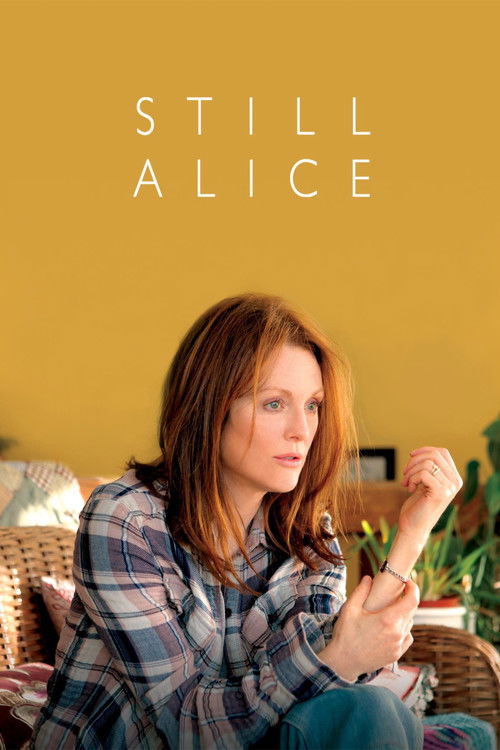
Still Alice2014
The most direct sibling to Iris: a brilliant mind, a linguist this time, watching her own vocabulary and self dissolve. Julianne Moore's performance is devastating in exactly the quiet, unshowy way Dench's is.
But It's clinical and closely observed rather than romantic — there's less love story here, more solitary unravelling.
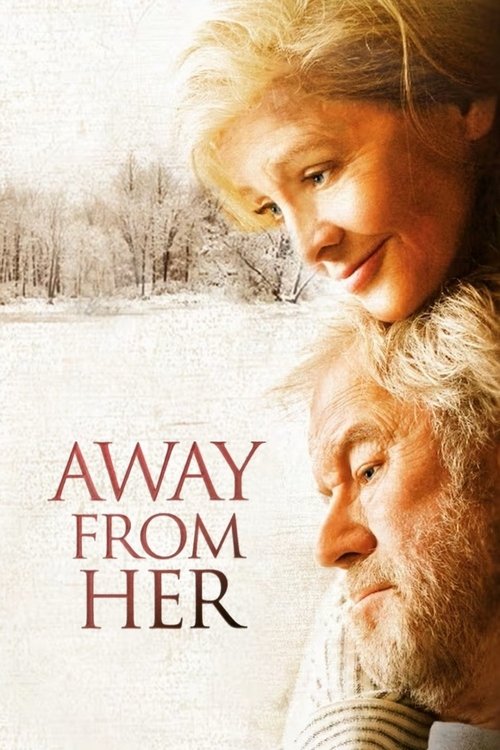
Away from Her2007
Julie Christie plays a woman sliding into dementia with unnerving grace, and the film sits with her husband's grief the way Iris sits with Bayley's. Cool, precise, quietly heartbreaking.
But Very slow and internal — it trusts silences and glances over dialogue, which won't suit everyone's mood.
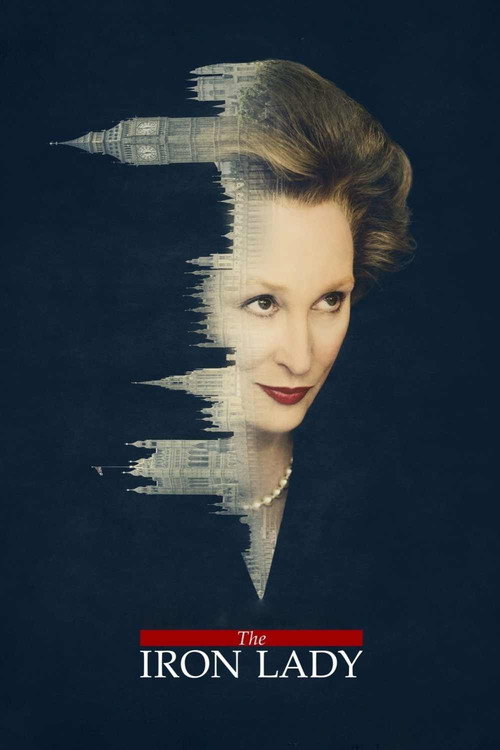
The Iron Lady2011
Meryl Streep's Thatcher, seen partly through a haze of dementia looking back on her own myth-making, echoes Iris's structure of a formidable woman fractured by memory loss.
But The politics may distract from the illness thread, and Streep's impression sometimes upstages the emotional core.
The wildcard
Something you would not have found on your own.
50 First Dates2004no page yet
Both are built on the same structural idea — a devoted partner relearning how to love someone who can't remember them — but one plays it as elegy and the other as farce, which says a lot about how genre shapes grief.
Same premise as Iris — a partner loving someone whose memory won't hold onto them — rebuilt entirely as broad, sunny Adam Sandler comedy. It's a genuinely useful shock to see the engine run in a completely different gear.
But It's silly, slapstick, and treats memory loss as a rom-com device rather than a tragedy — some will find that tasteless.
More like this (8)
Shadowlands1993no page yet
Anthony Hopkins as a reserved Oxford don falling unexpectedly in love, based on true events, with the same donnish, tea-and-books English romanticism that powers Iris's early scenes.
But It's stiff-upper-lip through and through — deeply moving but never demonstrative, which can feel distant.
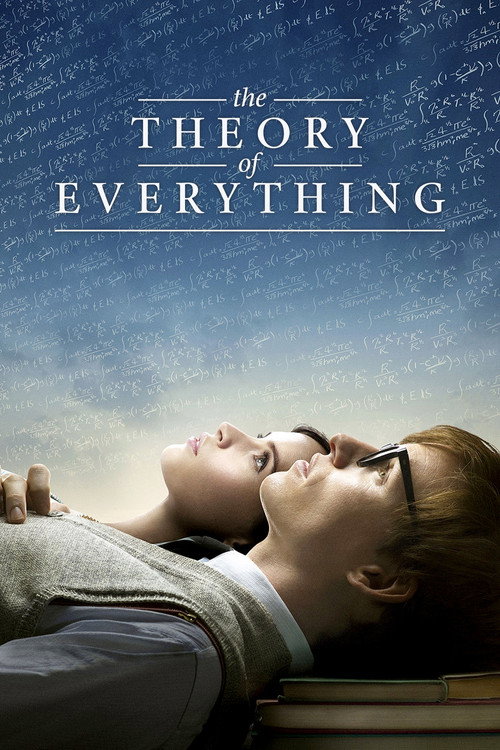
The Theory of Everything2014
Another true marriage tested by a mind trapped inside a failing body, told with the same warm, prestige-biopic polish and a loving eye for academic eccentricity.
But It softens some of the real relationship's harder edges in favour of an uplifting arc.
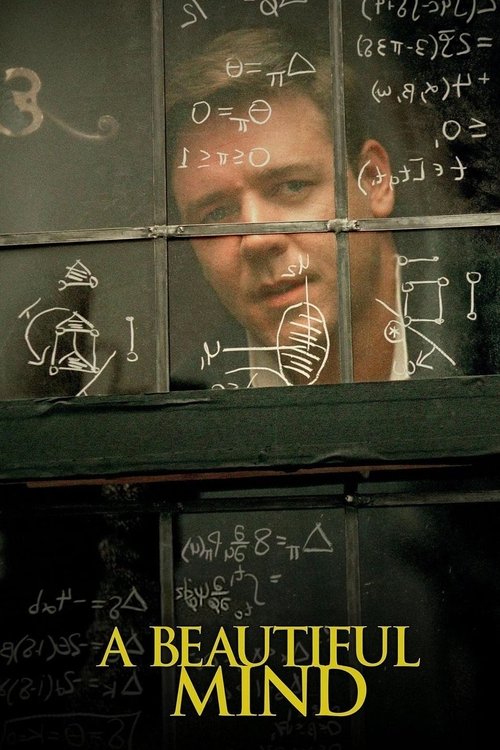
A Beautiful Mind2001
A genius's mind betraying him, and a spouse who stays anyway — the same emotional architecture as Iris, dressed up as a mathematical thriller.
But More stylised and Hollywood than Iris's restraint, with a twist-driven first act that some find gimmicky.
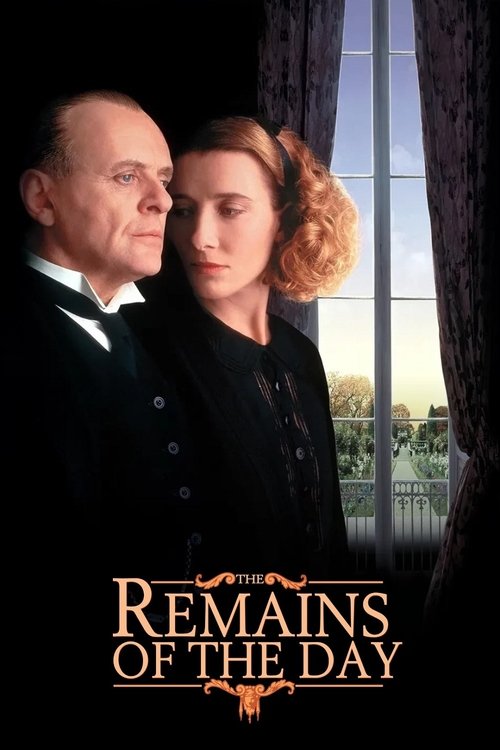
The Remains of the Day1993
Hopkins and Emma Thompson do decades of unspoken feeling in a very English register that shares Iris's belief that reticence can be its own kind of heartbreak.
But Nothing is said outright; if you need emotional declarations, this will frustrate you.
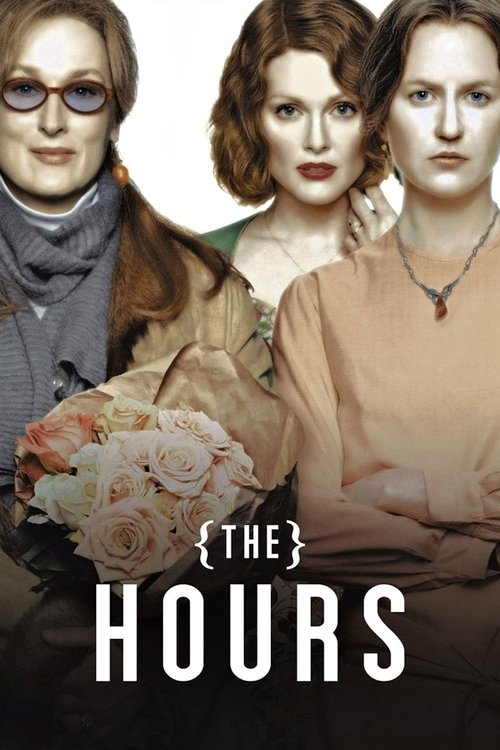
The Hours2002
Three women, one of them Virginia Woolf, wrestling with mind and identity across different eras — a literary, structurally ambitious cousin to Iris's dual timelines.
But Its interwoven structure and heavier themes of despair make it a colder, more demanding watch.
Mrs Brown1997no page yet
Judi Dench, pre-Iris, in another true story of a formidable woman shaped by grief and duty — good to see the range either side of her Oscar-nominated turn.
But It's a much lower-key, less emotionally raw film — royal decorum rather than intimate marriage.
Dark Victory1939no page yet
Decades before prestige biopics turned illness-and-marriage into awards bait, this film established the template — Iris is quieter and more honest, but it's working the same emotional machinery.
Bette Davis at her most luminous, playing a woman facing a fatal diagnosis while her marriage becomes an act of quiet, deliberate devotion — the Golden Age blueprint for the 'love through illness' film Iris later refines.
But Its melodrama is unabashed and theatrical by today's standards, with none of Iris's restraint or realism.
The Genius of Marian2013no page yet
Iris dramatises a real marriage's dissolution through illness; this strips away the actors and script entirely, showing what that same situation actually looks like when nobody's directing it.
A real documentary, filmed by a son watching his mother's early-onset Alzheimer's take hold while his father cares for her — unstaged, unresolved, and far more raw than any dramatisation.
But It's low-budget, home-movie in texture, and offers none of the narrative shaping or catharsis a biopic provides.
People
Cast
 Kate WinsletYoung Iris Murdoch
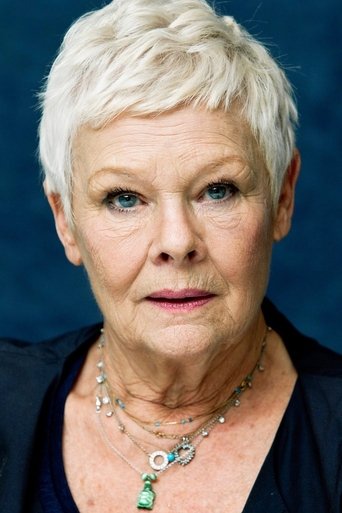 Judi DenchIris Murdoch
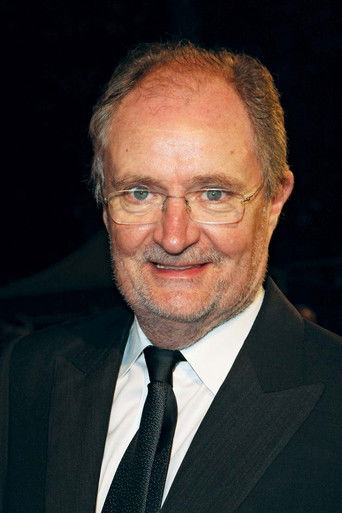 Jim BroadbentJohn Bayley
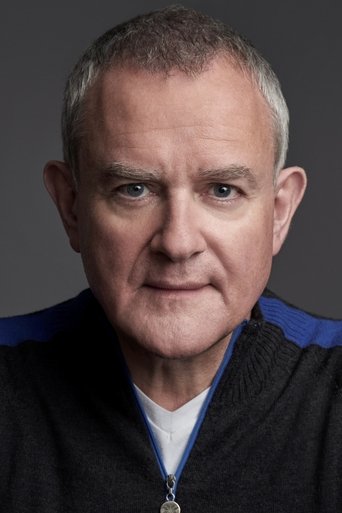 Hugh BonnevilleYoung John Bayley
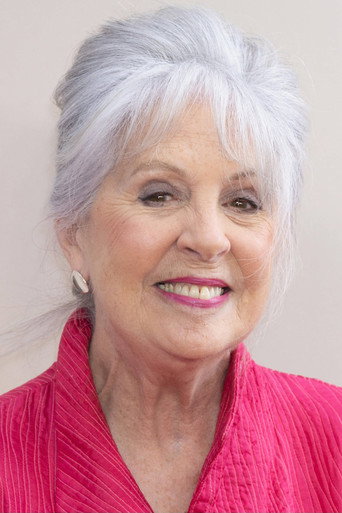 Penelope WiltonJanet Stone
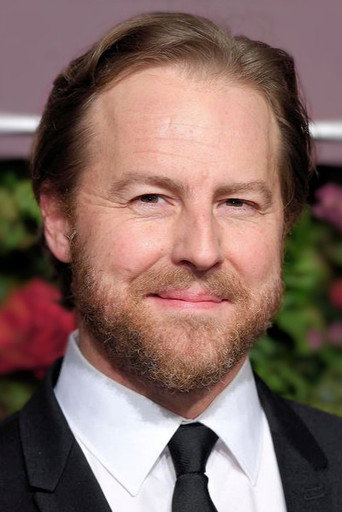 Samuel WestYoung Maurice
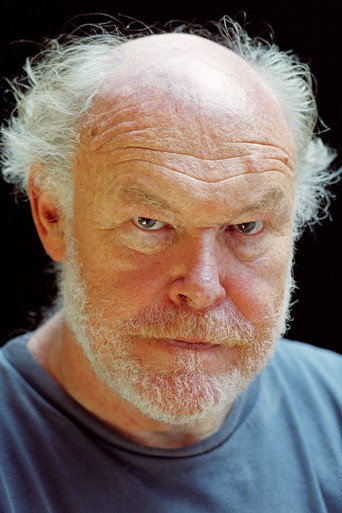 Timothy WestOlder Maurice
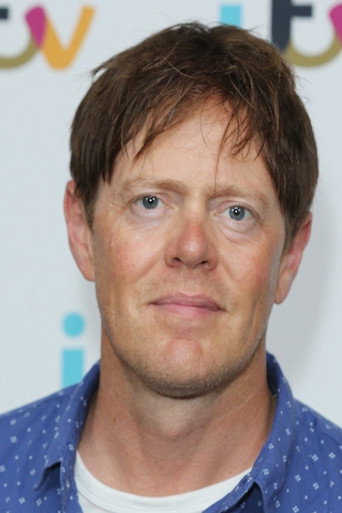 Kris MarshallDr. Gudgeon
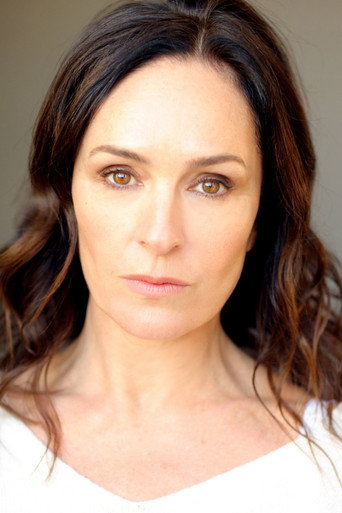 Juliet AubreyYoung Janet Stone
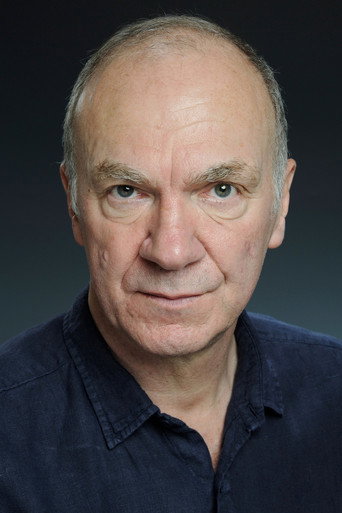 Derek HutchinsonPostman
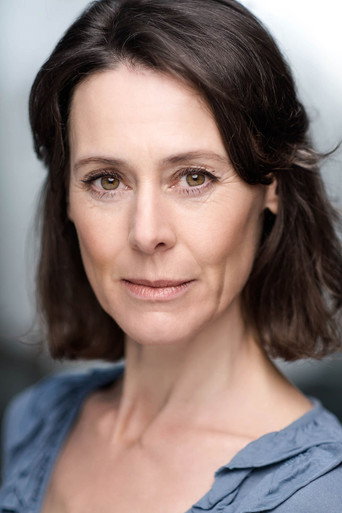 Juliet HowlandEmma Stone
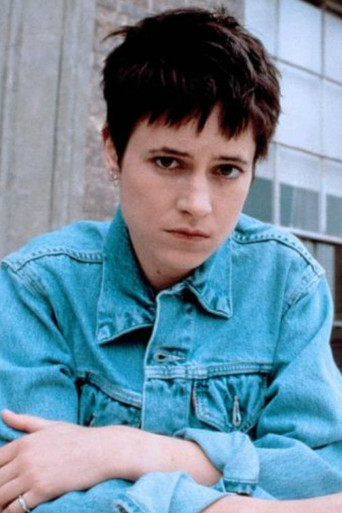 Saira ToddPhillida Stone
Directing
- Richard EyreDirector
Writing
- John BayleyAuthor
- Charles WoodScreenplay
- Richard EyreScreenplay
Production
- Louis ElmanADR Voice Casting
- Celestia FoxCasting
- Alex JohnsonCasting Assistant
- Lars KnudsenExecutive Assistant
- Anthony MinghellaExecutive Producer
- David M. ThompsonExecutive Producer
- Guy EastExecutive Producer
- Harvey WeinsteinExecutive Producer
- Sydney PollackExecutive Producer
- Thomas Hedley Jr.Executive Producer
- Michael DreyerLine Producer
- Robert FoxProducer
- Scott RudinProducer
Recommended by
Hannah Arendt, Still Alice, Amour, The Father, Away from Her, The Hours