
Film
Joan Didion: The Center Will Not Hold
- Biopic
- Slow-burning
Griffin Dunne's intimate portrait of his aunt Joan Didion moves between her archive and present day, watching one of America's sharpest writers reckon with fame, family loss, and the California she helped define. It's elegant and unsparing, never quite letting her off the hook—or herself. Essential for admirers; revelatory for those who know her name but not her work.
Should you watch it?
Watch it if you love writers who think on the page, and you want a documentary that lets a sharp, unflinching mind carry the whole 92 minutes rather than chasing action or spectacle.
Skip it if you want a documentary that explains its subject through a crowd of experts and dramatic reconstructions, since this one stays close to Didion herself and her own reflections.
What it asks of you: It runs a brisk ninety-two minutes but moves at the pace of thought, so it rewards patient listening and a willingness to sit with quiet, reflective passages rather than constant momentum.
Not sure? Find tonight's pick in a minute.
If you liked this
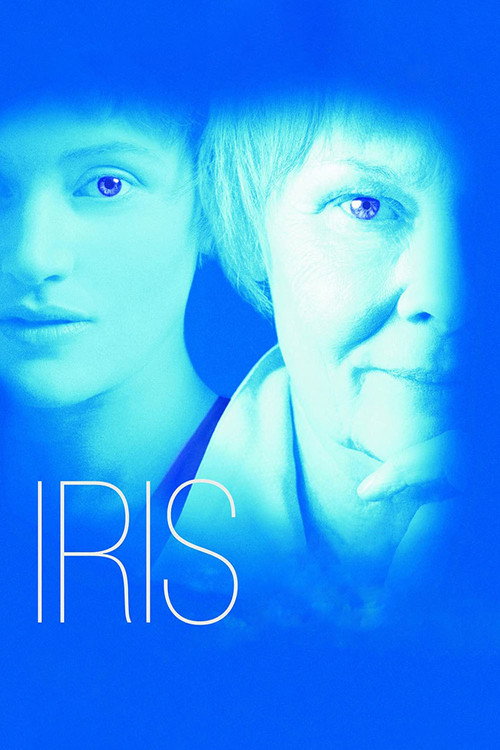
Iris2001
Richard Eyre's portrait of Iris Murdoch captures a brilliant writer confronting age and illness with the same unflinching gaze Dunne brings to Didion. It's a love story nested inside a tragedy, told with real tenderness.
But Watching cognitive decline isn't easy, and the film doesn't soften that. It asks you to sit with discomfort rather than resolve it.
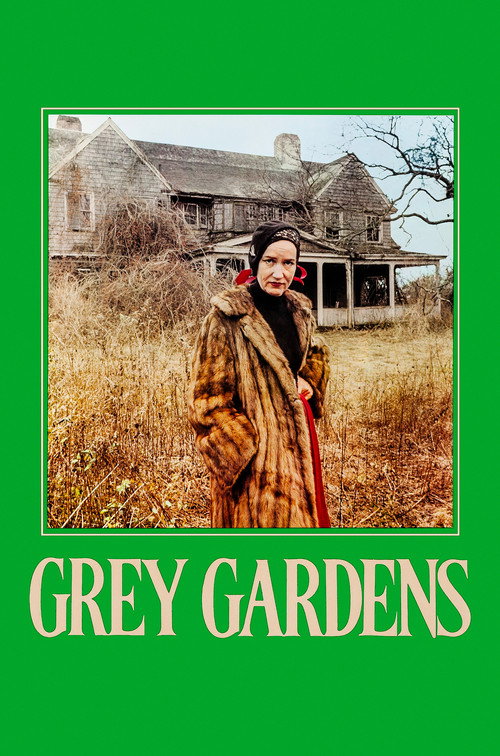
Grey Gardens1976
Albert and David Maysles' verité documentary of reclusive Bouvier relatives is hypnotic in its refusal to judge or sentimentalize. Like Dunne's film, it's fascinated by decline and eccentricity and the cost of a singular life.
But It's deliberately slow and observational; nothing is explained. The sadness builds in the silences, which some find more unsettling than dramatic catharsis.
Parable of the Sower
This Octavia Butler adaptation shares Didion's vision of California as a place where the social order cracks under heat and pressure. Both are preoccupied with how we narrate catastrophe and who survives it.
But The series is grimmer and more overtly political than Didion's cool reportage. The pessimism may feel heavier than you want.
Not sure tonight? Get a pick in a minute, starting from Joan Didion: The Center Will Not Hold
The wildcard
Something you would not have found on your own.
Mulholland Drive2001
Both diagnose Los Angeles as a hall of mirrors where nothing is quite as it appears, and both refuse the comfort of a coherent narrative.
Lynch's fever dream of Hollywood is what Didion's cool essays might look like as cinema: fractured, paranoid, insisting that the city is a conspiracy of narrative. Both see Los Angeles as a place where identities dissolve and truth becomes unmoored.
But It's deliberately, aggressively obscure—it gets harder to parse, not easier, and Lynch offers no mercy to viewers seeking clarity. Some experience that as profound, others as deliberately obtuse.

More like this (6)
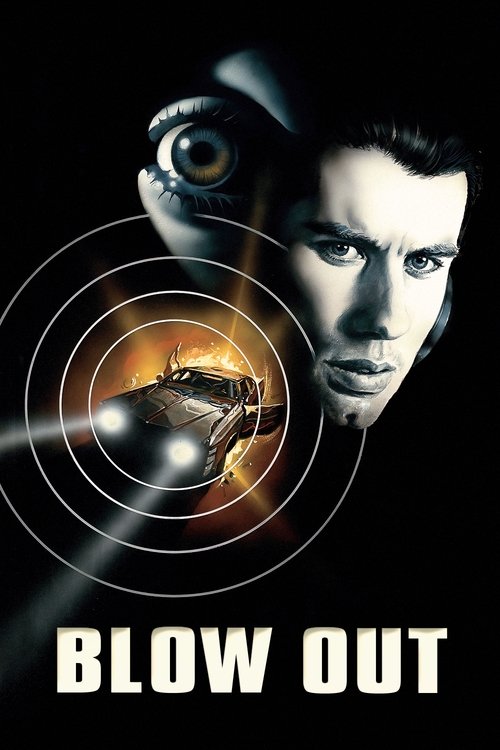
Blow Out1981
De Palma's thriller captures the paranoia and moral murk of 1970s America that Didion was documenting in real time. It's fever-dream cinema about narrative unreliability and the slipperiness of truth.
But It's a genre picture, showy and Hitchcockian, which feels trivial next to Didion's essays. The craftsmanship can read as detached.
Synecdoche, New York2008
Charlie Kaufman's baroque meditation on art, ego, and the impossibility of capturing life mirrors Didion's anxieties about writing itself. Both are about the gap between experience and its representation.
But It's deliberately obscure and self-referential, designed to frustrate as much as satisfy. Three hours of increasingly baroque recursion isn't for everyone.

La Haine1995
Mathieu Kassovitz's chronicle of three days in a Parisian banlieue has Didion's gift for capturing how power operates through space and narrative. Both diagnose a broken social order with surgical precision.
But The film is rawer and angrier than Didion's cool distance. Its rage may feel more didactic than you'd like.

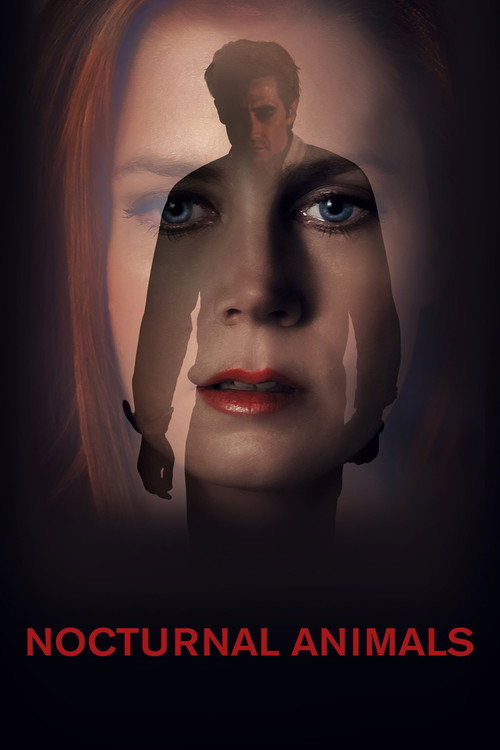
Nocturnal Animals2016
Tom Ford's thriller about narrative, betrayal, and the stories we tell ourselves echoes Didion's interest in how fiction reveals truth. It's morally complicated in ways she'd recognize.
But It's a genre exercise dressed as a statement piece, and the moral complications can feel designed rather than earned. Some find it more beautiful than wise.
The Best Years of Our Lives1946
Both believe that life's true shape only emerges from fragments and silences, that trying to impose meaning is the real lie.
Lucile Hadžihalilović's experimental film tracks a woman's life across decades without plot or character arc—just accumulation, texture, silence. It's as close to the texture of Didion's prose as cinema gets: fragmented, observational, refusing easy meaning.
But It has almost no dialogue, no narrative drive, and deliberately minimal emotional register. It's closer to visual poetry than storytelling, which can feel like punishment to plot-hungry viewers.

The Act of Killing2012
Both insist that narrative is not innocent, that the stories we tell about events are where the real moral reckoning happens.
Joshua Oppenheimer's documentary asks perpetrators of mass violence to reenact and narrate their crimes, exposing how murderers construct meaning and justification. Like Didion, it's obsessed with how narrative shapes atrocity—the difference between what happened and the story we tell.
But Watching people rationalize genocide is unbearable, and the film offers no redemption or catharsis. Its ethical stance is austere and the experience is genuinely disturbing.

People
Cast
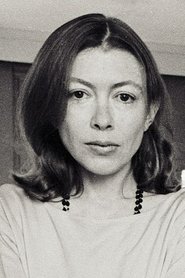 Joan DidionSelf
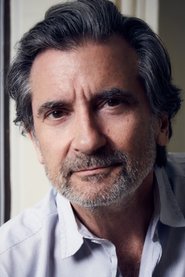 Griffin DunneSelf
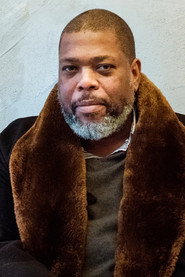 Hilton AlsSelf
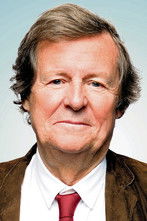 David HareSelf
- Phyllis RifieldSelf
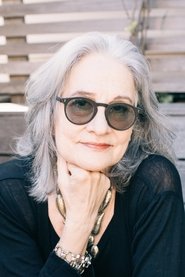 Amy RobinsonSelf
- Shelley WangerSelf
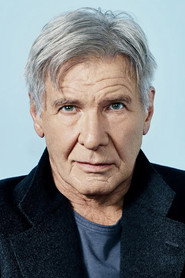 Harrison FordSelf
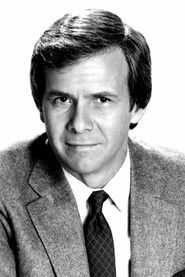 Tom BrokawSelf
- Susanna MooreSelf
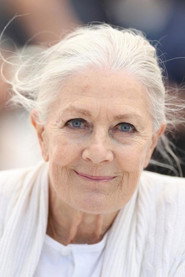 Vanessa RedgraveSelf
Directing
- Griffin DunneDirector
Production
- Annabelle DunneProducer
- Mary RecineProducer