
Film
51 Birch Street
Doug Block investigates his parents' marriage after his mother's death and his father's rapid remarriage, uncovering decades of secrets. A intimate, unflinching documentary that turns family history into genuine mystery. For anyone who's wondered how well you can truly know the people who raised you.
Should you watch it?
Watch it if you like intimate documentaries that turn a filmmaker's camera on his own family and let the discomfort build, where the question of what you owe your parents' privacy becomes the real story.
Skip it if you want a documentary with an outside lens or a clear argument; this one is personal, meandering in places, and leans on home video and a son's wounded curiosity.
What it asks of you: It runs about ninety minutes and asks you to sit with awkward family detail, keeping pace with a man who keeps circling back to the same unsettling questions.
Not sure? Find tonight's pick in a minute.
If you liked this
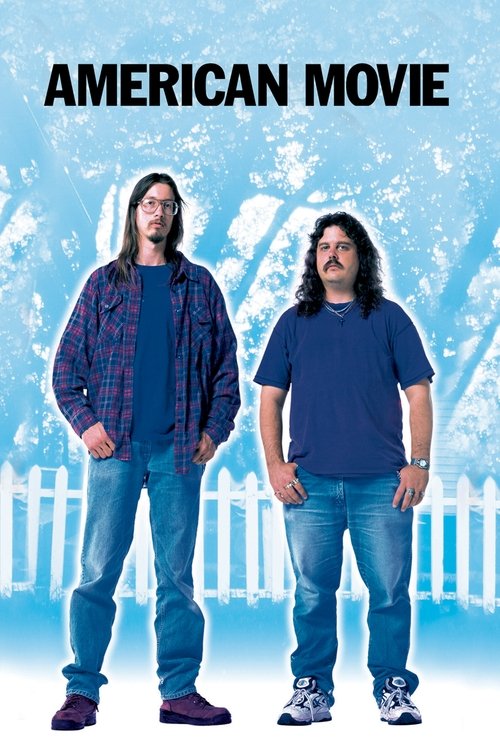
American Movie1999
Mike Malloy's documentary about his friend Mark's struggling film career becomes a portrait of ambition, loyalty, and the gap between dreams and reality. Funny and heartbreaking in equal measure.
But The subject is making a horror film, and much of it involves sitting in basements and diners. It moves slowly, deliberately, and asks for patience.
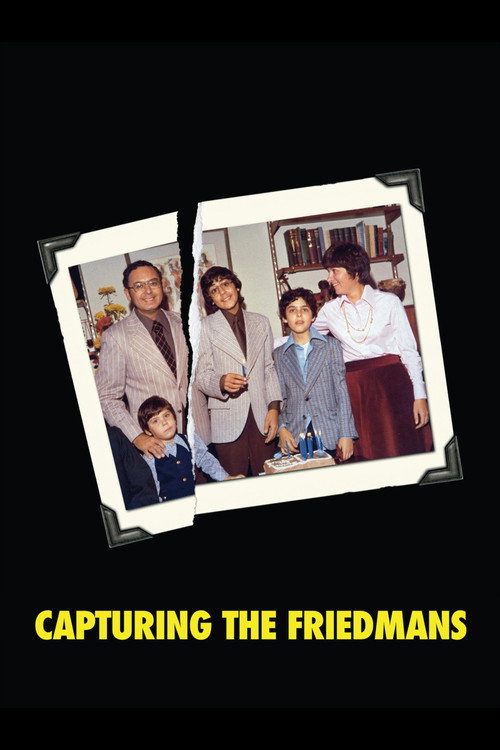
Capturing the Friedmans2003
Andrew Jarecki documents a family unraveling after the father is accused of child abuse. A masterwork of narrative tension that respects the viewer's intelligence and refuses easy answers.
But It deals with child sexual abuse allegations. The tone is deliberately ambiguous in ways some viewers find frustrating rather than thought-provoking.
The Act of Killing2012
Joshua Oppenheimer asks Indonesian death squad leaders to re-enact their murders. Morally audacious, visually stunning, and unlike anything else—a film that rewires how you think about confession and accountability.
But It's genuinely difficult to watch. The violence is staged but the historical reality behind it is horrifying, and you'll spend much of the runtime unsettled.

Not sure tonight? Get a pick in a minute, starting from 51 Birch Street
The wildcard
Something you would not have found on your own.
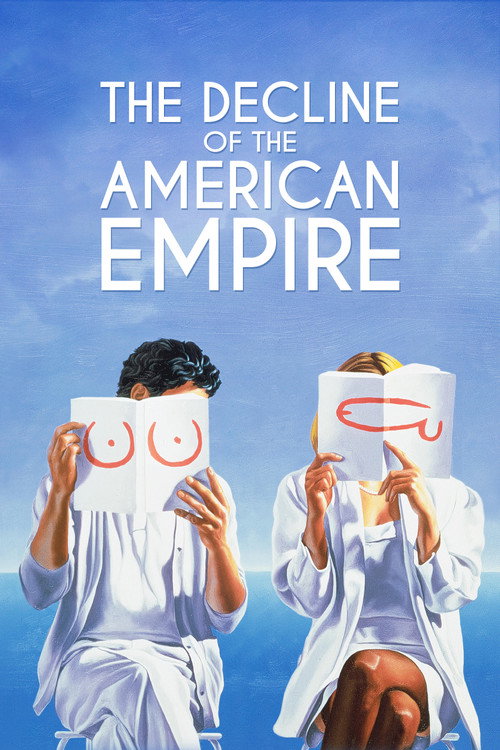
The Decline of the American Empire1986
Both use a personal or domestic rupture as a doorway into examining what we believed about the people closest to us. Both find pathos in the gap between surface and truth.
Denys Arcand assembles a dinner party of Montreal intellectuals and watches them unravel their marriages, affairs, and ideologies. It's like a Bergman ensemble piece filtered through French-Canadian wit—the dialogue is rapacious.
But It's almost entirely talk, set mostly in one apartment. The intellectual register is demanding; if you're waiting for plot, you'll feel it as indulgence rather than revelation.
More like this (8)
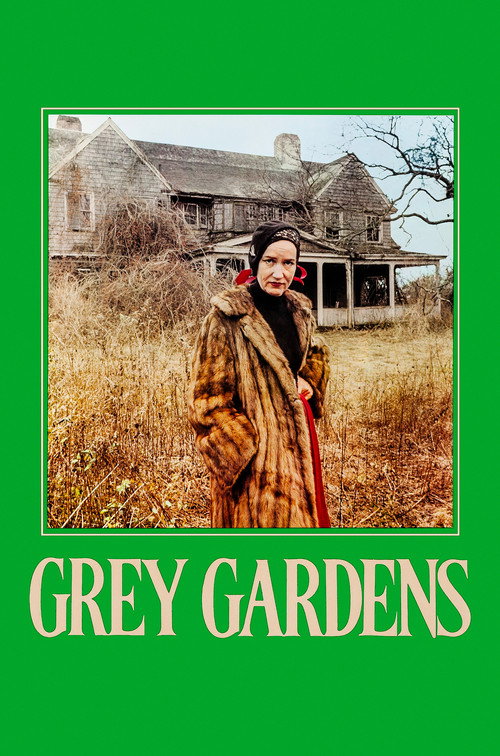
Grey Gardens1976
The Maysles brothers document an eccentric aunt and cousin of Jackie Kennedy living in squalor on Long Island. A portrait of decline, devotion, and denial that's mesmerizing and tragic without ever becoming cruel.
But It's a slow immersion into chaos and hoarding. Some find it exploitative; others find the subjects' permission insufficient comfort for the intimacy on display.
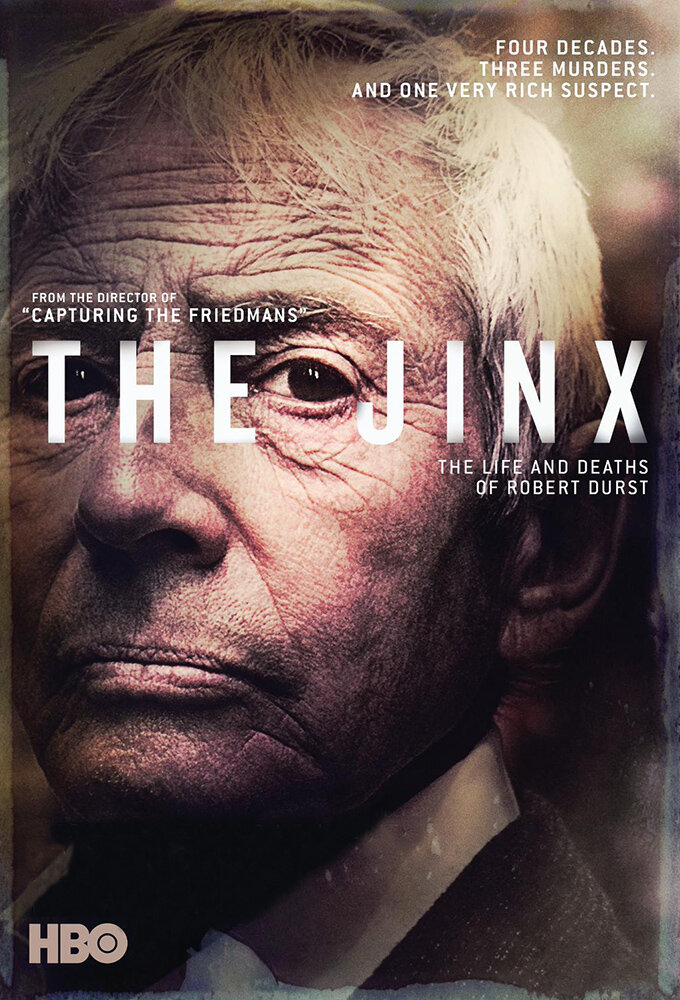
The Jinx: The Life and Deaths of Robert Durst2015
Andrew Jarecki traces real estate heir Robert Durst's connection to three murders. A six-part investigation that builds to one of documentary's most jaw-dropping moments, with genuine narrative momentum.
But It's a long commitment, and the final twist has been heavily contextualized by subsequent legal developments that muddy the original impact.
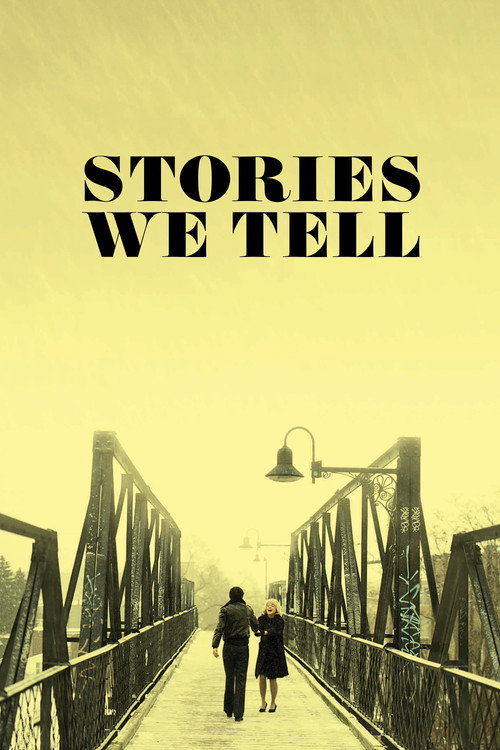
Stories We Tell2012
Michael Haneke—wait, no. Sarah Polley reconstructs her family's history through interviews and revelation, asking how truth changes depending on who's telling it. Formally inventive and deeply moving.
But It's less a mystery to solve than a meditation on memory itself. If you want answers, you'll leave frustrated. That's the point, but it's a hard point to sit with.
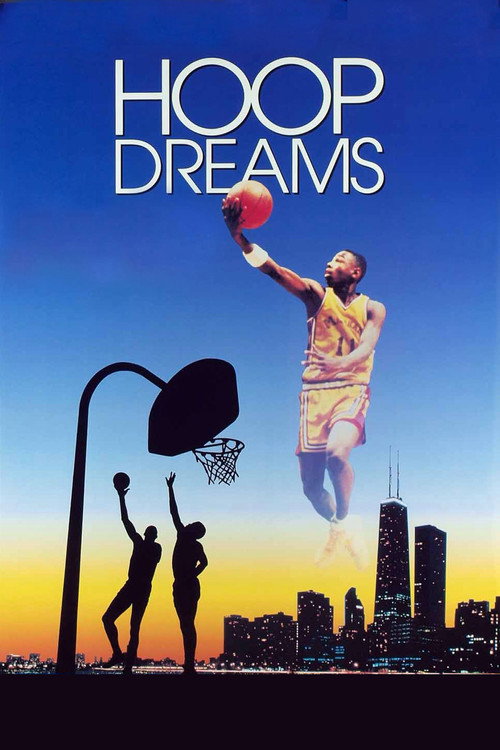
Hoop Dreams1994
Filmmakers follow two basketball players from high school through college, documenting their families, dreams, and the machinery that grinds beneath American sports. Epic in scope despite its intimate focus.
But It's three and a quarter hours, and deliberately paced. The basketball is almost secondary to the portrait of systemic inequality and family sacrifice.
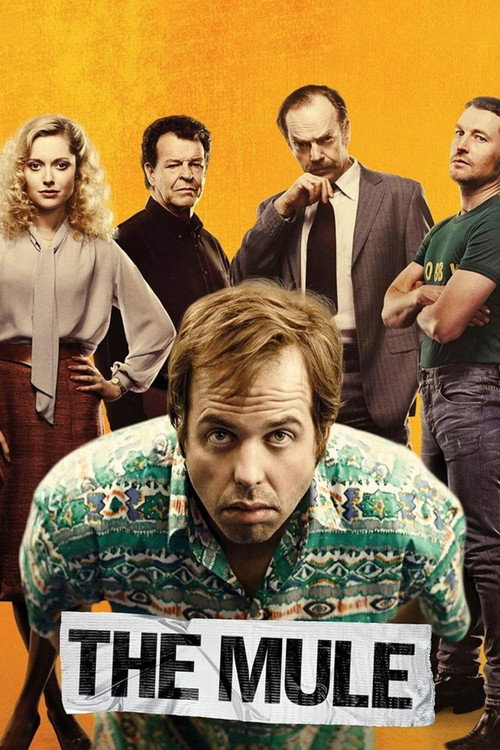
The Mule2014
A widower in his nineties agrees to become a drug courier, and the Safdie Brothers document both his story and the institutional indifference that led him there. Surprising, tender, and quietly angry.
But It's a small, slow film about an old man's desperate circumstance. If you're looking for typical documentary momentum or resolution, you won't find it here.
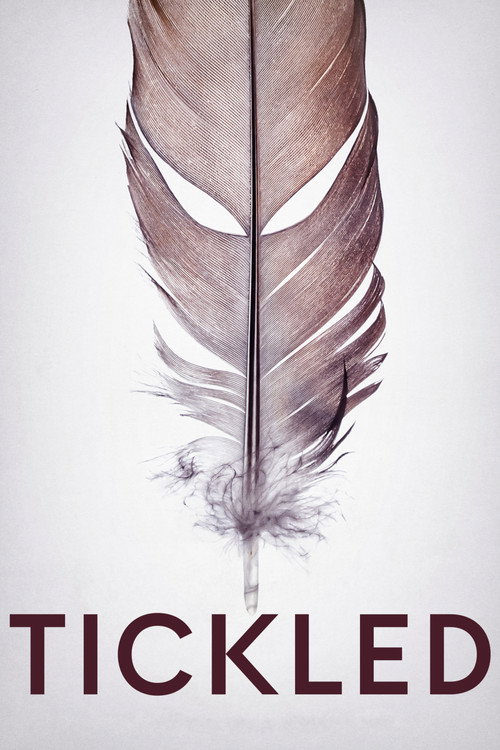
Tickled2016
A rabbit hole investigation into competitive tickling videos and the dark obsession behind them. Starts as dark comedy and becomes something genuinely sinister and psychologically haunting.
But Its tonal whiplash alienates some viewers. What begins as absurdist funny becomes genuinely disturbing in ways that feel tonal rather than earned.
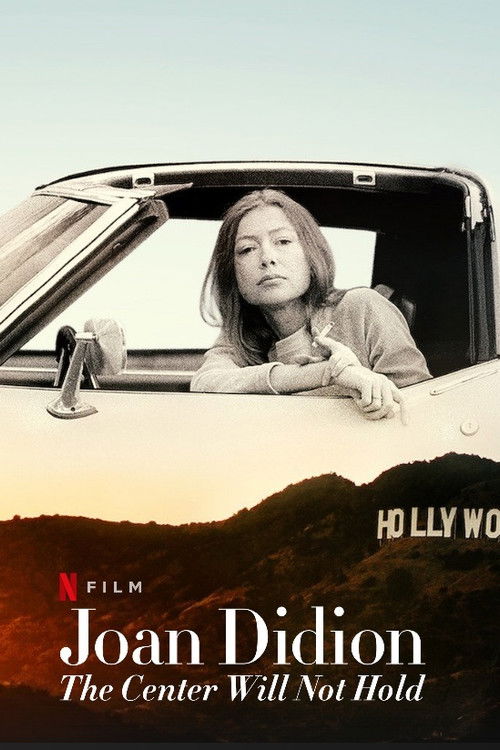
Joan Didion: The Center Will Not Hold2017
Both filmmakers turn family mystery—the hidden architecture of a marriage, the public versus private self—into an investigation of truth-telling itself.
Griffin Dunne's documentary lets Didion speak for herself while exploring how grief and marriage shaped her thinking. For anyone who loves clear-eyed writing about self-deception and how families survive (or don't).
But It's a literary portrait, not a conventional biography. If you don't know Didion's work, much of the resonance will pass you by.
Tokyo Story1953
Both work in a register of quiet devastation about aging parents and adult children who discover they never knew them at all. Both suggest that this distance is not a failure but a fact of life.
Ozu's masterpiece: elderly parents visit their son in postwar Tokyo, and nothing happens and everything changes. The quietest film about time, mortality, and the unbridgeable distance between generations ever made.
But By modern standards it moves like a funeral dirge. There's no dramatic arc, just the accumulation of small moments and the acceptance of loss. Some find it boring. They're wrong, but they find it boring.

People
Cast
- Carol BlockHerself
- Doug BlockHimself (narrator)
- Ellen BlockHerself
Directing
- Doug BlockDirector
Writing
- Amy SeplinWriter
- Doug BlockWriter
Production
- Ed PriddyExecutive Producer
- John PriddyExecutive Producer
- Doug BlockProducer
- Lori CheatleProducer