
Film
The Decline of the American Empire
Denys Arcand's witty ensemble comedy unfolds across two parallel afternoons: four Montreal professors preparing dinner while four women work out downtown, each group frankly dissecting sex, desire, and their tangled relationships. When they finally gather, their candid conversations—sometimes hilarious, sometimes raw—reveal the gap between what we tell ourselves and what we actually want. Smart, talky, deeply human.
Should you watch it?
Watch it if you like dialogue-driven comedy where two groups of friends candidly pick apart sex, desire and loneliness, and you find wit in ordinary conversation more than in plot.
Skip it if you want momentum, since its 101 minutes are mostly people talking in rooms, and the frankness about sex can tip into lecturing.
What it asks of you: It settles in for a long, talky evening: scenes run on, the tone shifts between bawdy and rueful, and you need to keep pace with conversation rather than action.
Not sure? Find tonight's pick in a minute.
If you liked this
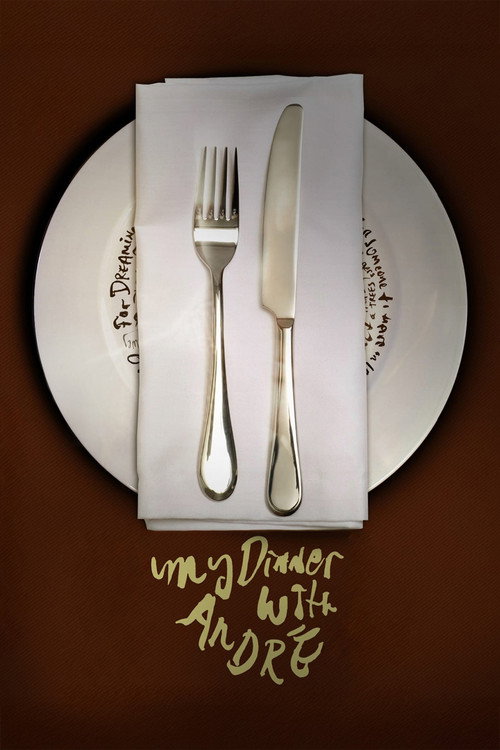
My Dinner with Andre1981
Two men talk for ninety minutes about philosophy, memory, and what makes life meaningful. Like Decline, it trusts conversation to be enough, and discovers it is. Proof that cinema doesn't need plot if it has genuine ideas and warmth.
But Barely anything happens. If you need movement or external drama, this will feel static and slow, no matter how good the talk is.
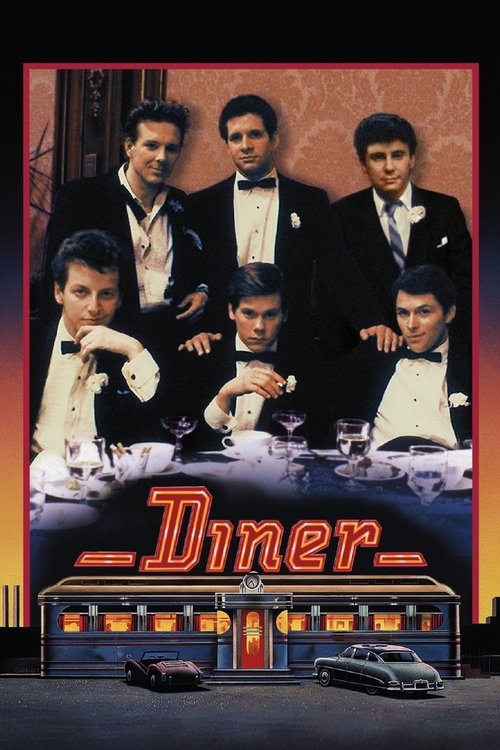
Diner1982
Six Baltimore men gather in a diner to eat, argue, joke, and reveal themselves. Captures that male camaraderie and deflection perfectly, with the same comedic-dramatic balance Arcand nails—funny because it's true, touching because it's never sentimental.
But No real plot. You're essentially watching men riff, which means it depends entirely on whether you find the characters and their rhythms compelling.
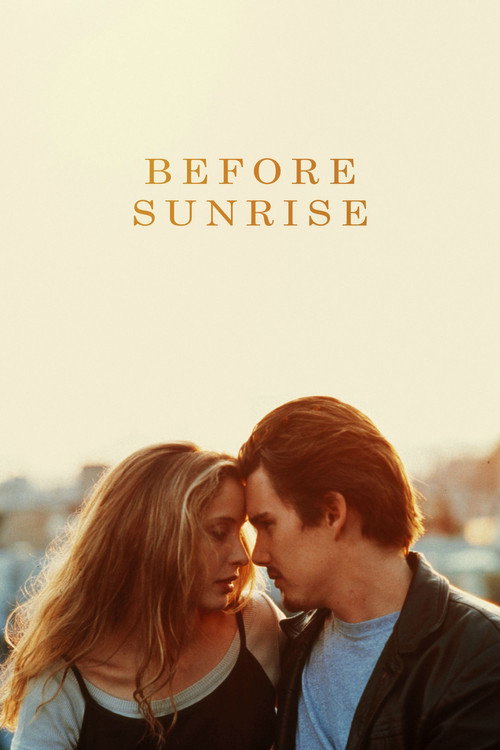
Before Sunrise1995
A man and woman walk Vienna talking about desire, commitment, and whether connection can survive reality. Same philosophical frank-ness as Decline, same understanding that how we talk about intimacy reveals everything about who we are.
But Romantic and earnest in ways that can feel overwrought. Also deliberately paced—it's a film about listening, which requires patience.
Not sure tonight? Get a pick in a minute, starting from The Decline of the American Empire
The wildcard
Something you would not have found on your own.
A Room of One's Own2019
Same structure of intimate conversation revealing character; same philosophical interest in how we negotiate desire and identity across gender lines.
French miniseries where three women rent a cottage and spend a weekend talking about their lives, bodies, desires, and aging. It's essentially Decline's female side extended into its own narrative—frank, funny, generous, and absolutely alive to how women actually speak to each other.
But Very specifically French in its sensibility and preoccupations. Also genuinely adult in a way that requires comfort with ambiguity and lack of neat resolution.

More like this (8)
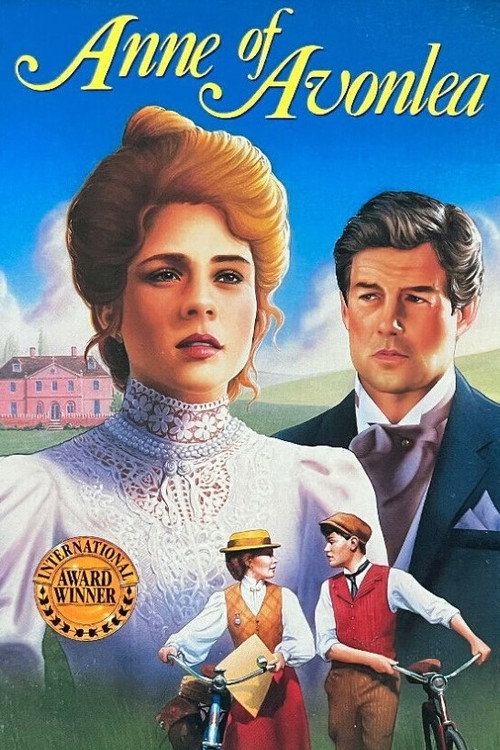
Anne of Green Gables: The Sequel1987
Canadian television with real wit and intelligence; playful about romance and adulthood without being cynical. Shares Decline's warmth and its faith in character-driven storytelling, though in a very different register.
But It's genteel and quite earnest about its period setting. The tonal whimsy won't appeal to everyone, and it's ultimately more romantic than Decline.
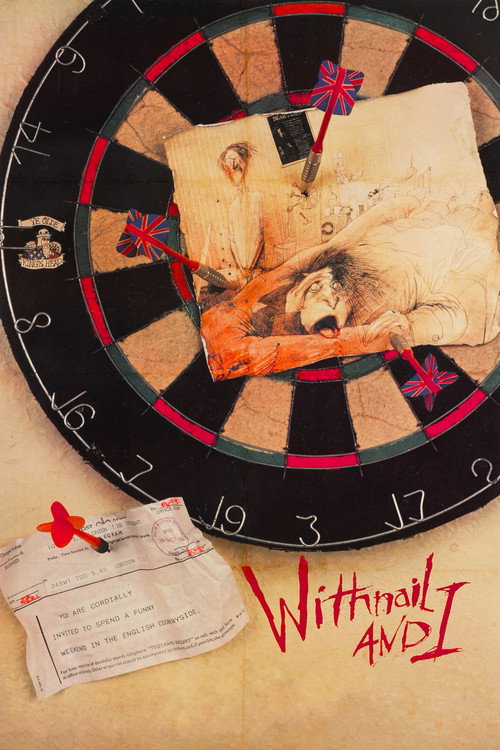
Withnail & I1987
Two unemployed actors navigate London's underbelly with darkly comic wisdom about desire, failure, and male friendship. Like Decline, it's funny and sad simultaneously, and finds real pathos in how we perform versions of ourselves.
But British, deeply specific, occasionally impenetrable. Also darker and far more nihilistic than Arcand's work.
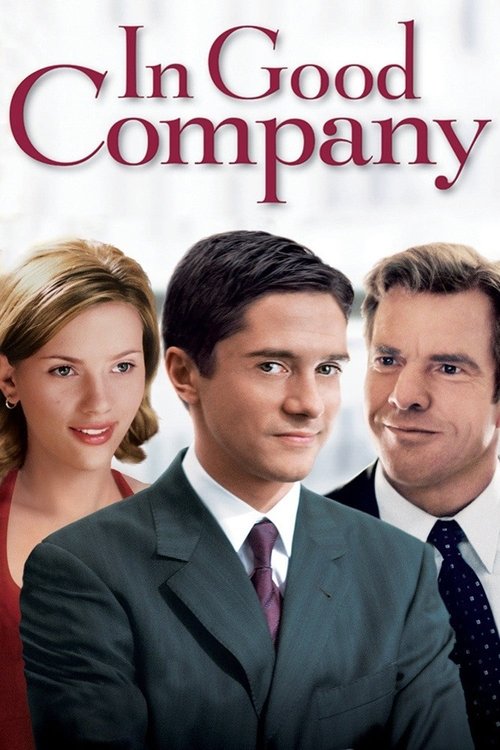
In Good Company2004
Workplace ensemble where people of different generations and worldviews collide and reveal themselves through conversation. Similar structure to Decline—gathering of people with competing perspectives, genuine warmth beneath the friction.
But Softer and more conventional than Decline, with less intellectual edge and a more Hollywood-friendly sentiment.
The Seventh Seal1957
Bergman's medieval knight plays chess with Death while conversing about faith, mortality, and what matters. Dense, philosophical dialogue that trusts viewers to think alongside the characters, much like Arcand's approach.
But Austere, symbolic, and quite bleak. Also Swedish and deliberate in pacing—it demands active engagement.

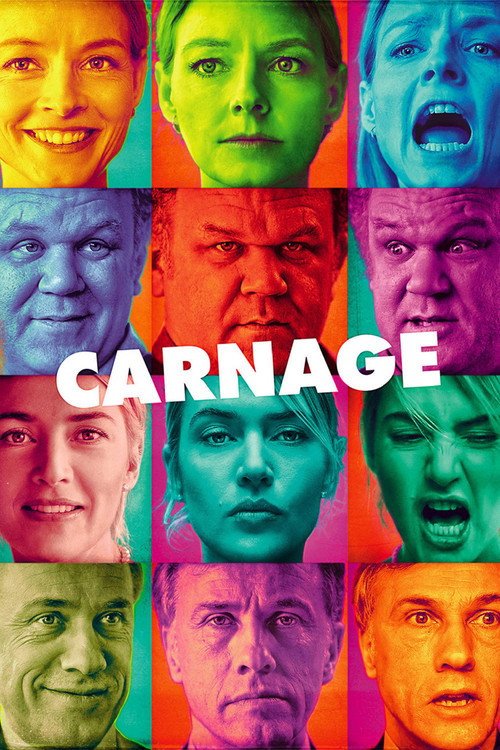
Carnage2011
Two couples in a room discussing a playground incident; a master class in how dialogue, performance, and escalating tension can hold a film together. Polanski's version of what Arcand does with ensemble conversation—examining civility and desire.
But Stagey and claustrophobic. The characters become increasingly unpleasant, and the film offers no real resolution or comfort.
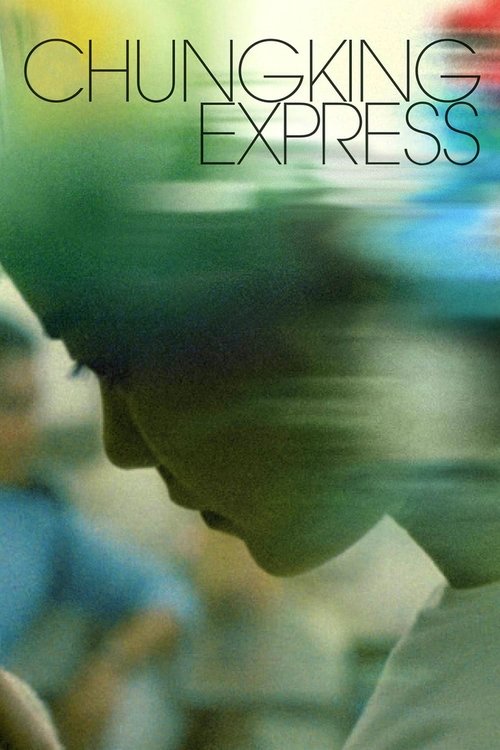
Chungking Express1994
Wong Kar-wai's meditation on loneliness, desire, and connection between strangers. Different in every technical way from Decline, but shares its romantic wisdom—the understanding that how we love reveals who we are.
But Visually experimental and dreamlike; if you approach it expecting narrative clarity or realism, you'll be frustrated. Also quite sad beneath the style.
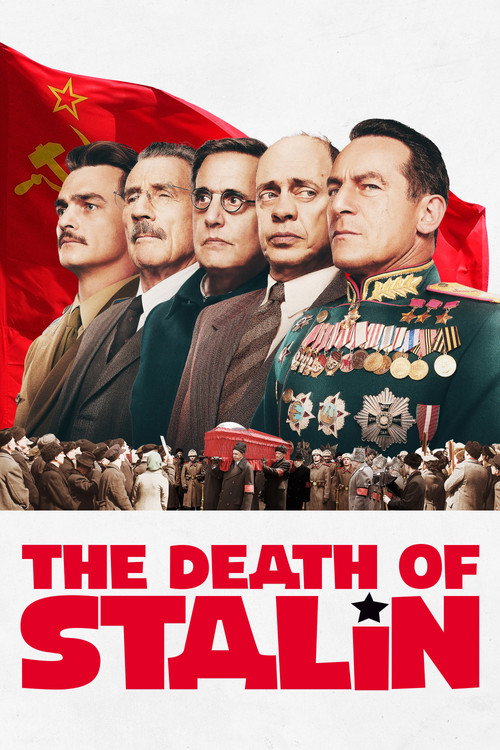
The Death of Stalin2017
Both films trust ensemble dialogue and divergent perspectives to create meaning; both understand that what people don't say matters as much as what they do.
Armando Iannucci's film about power and rhetoric during Stalin's funeral, told through darkly comic dialogue. Like Decline, it understands that how people speak—their evasions, their pretenses, their sudden honesty—is the whole story.
But Soviet-era satire with a very specific British comic sensibility. If you don't find the political wordplay funny, there's not much else carrying it.
Stalker1979
Both films believe that conversation is the highest form of cinema; both use ensemble dynamics to explore what people actually desire beneath their words.
Tarkovsky's philosophical science fiction: two men and a guide walk through a strange zone discussing desire, faith, and what we really want. Utterly unlike Decline in form and era, but identical in its conviction that dialogue about the soul matters more than plot.
But Slow, meditative, nearly three hours, and formally experimental. It demands surrender to its rhythm. Also somewhat bleak and offers no comfort whatsoever.

People
Cast
 Dominique MichelDominique
 Dorothée BerrymanLouise
 Louise PortalDiane
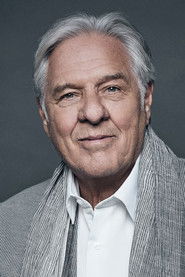 Pierre CurziPierre
 Rémy GirardRémy
 Yves JacquesClaude
 Geneviève RiouxDanielle
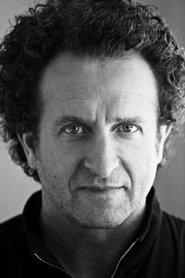 Daniel BrièreAlain
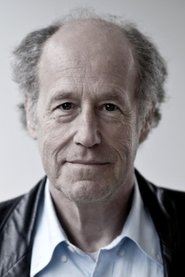 Gabriel ArcandMario
- Évelyn RegimbaldTheresa

- Alexandre RemyTransvestite
Directing
- Jacques W. BenoitAssistant Director
- Denys ArcandDirector
- Monique MirandaSecond Assistant Director
Writing
- Denys ArcandScreenplay
- Catherine RuelleWriter
- Gabriel ArcandWriter
- Jean-Claude LauzonWriter
- Louise VandelacWriter
- Mark BlandfordWriter
- Monique ProulxWriter
- Yvon RivardWriter
Production
- René MaloProducer
- Roger FrappierProducer
Recommended by
Porky's, Janis: Little Girl Blue, 51 Birch Street, Look Who's Back, The Rose, The Weavers: Wasn't That a Time, Wayne's World 2, Jandek on Corwood, Strike, The Chosen, Born Rich, Down from the Mountain, The Nasty Girl, The Ocean's 11 Story, Ladies and Gentlemen, the Fabulous Stains, Porky's II: The Next Day, The Barbarian Invasions, The Road Movie, Madonna: Rebel Heart Tour, Mere Apne, Woman Without Piano, The Return of Tanya Tucker Featuring Brandi Carlile, Songwriter, Who Killed the Electric Car?, Joni 75: A Birthday Celebration, Rock and Roll Hall of Fame Induction Ceremony, The Compleat Beatles, Disgrace, The Concert for Bangladesh, Variety Lights, The Seduction of Mimi, Vivian Maier Photographer, Once in a Lifetime: The Extraordinary Story of the New York Cosmos, Dave Chappelle's Block Party, Sorority Wars