
Film
Mere Apne
A 1971 Indian family drama about an elderly widow who arrives in the city and becomes an unlikely bridge between two rival gangs of unemployed youth. Part social realism, part melodrama, set to memorable music, it's a film about generational fracture and redemption that treats street kids and old women with genuine dignity. For anyone drawn to character-driven cinema about class and belonging.
Should you watch it?
Watch it if you are drawn to a warm, rambling street-level story where an elderly aunt's affection quietly softens two bickering gangs of idle young men, and you don't mind songs stopping the action.
Skip it if you need taut plotting and a lean runtime, since at over two and a half hours it wanders, and its melodrama and sung interludes can feel dated.
What it asks of you: Settle in for nearly three hours at a loose, unhurried pace, with sudden swings from easy comedy to sharp social sadness that ask you to stay with it.
Not sure? Find tonight's pick in a minute.
If you liked this
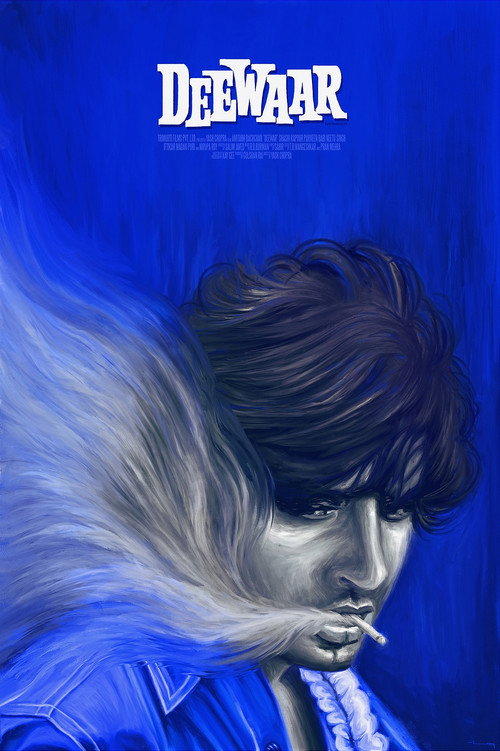
Deewaar1975
Amitabh Bachchan's breakout: a mother's sacrifices collide with her son's anger in this raw, operatic story of class resentment. More famous than Mere Apne but working the same emotional territory about family fracture in modern India.
But Nearly three and a half hours long, and the melodrama cranks up to near-religious intensity. If you can't sit with Indian cinema at full emotional volume, this will exhaust you.
Pather Panchali1955
Satyajit Ray's masterpiece about rural poverty and family resilience. Like Mere Apne, it finds profound humanity in the lives of people with nothing, and refuses to sentimentalise them or look away.
But It's a black-and-white film from 1955 about a struggling Bengali family. The pacing is slow by contemporary standards, and there's genuine hardship on screen—this isn't entertainment, it's art.

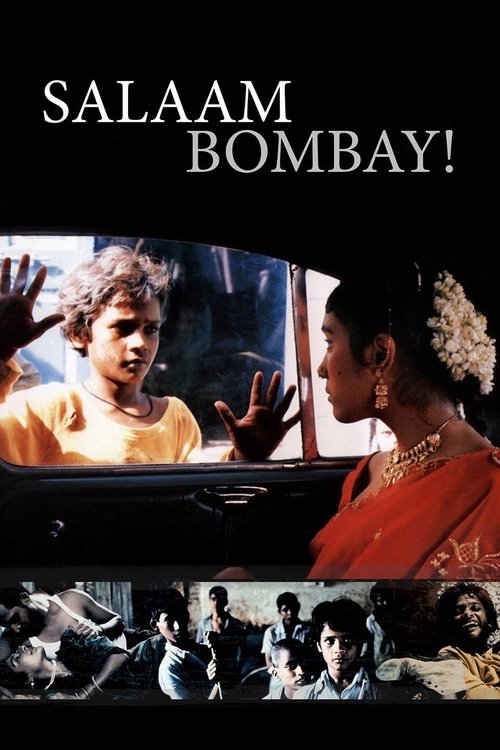
Salaam Bombay!1988
Mira Nair's unflinching look at street children in Mumbai. It shares Mere Apne's refusal to pity its young characters, and its belief that their lives matter. Harder-edged but animated by the same moral urgency.
But Deeply uncomfortable in places. These are real kids in real danger, and the film doesn't soften that. Some viewers find it exploitative rather than compassionate.
Not sure tonight? Get a pick in a minute, starting from Mere Apne
The wildcard
Something you would not have found on your own.
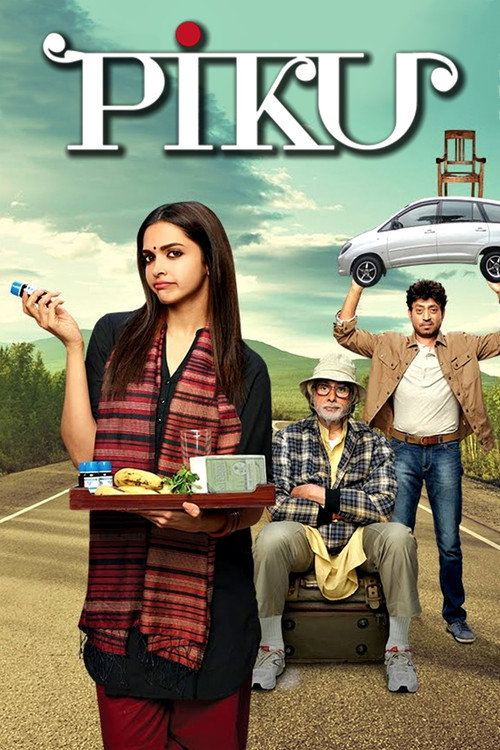
Piku2015
Both centre an elderly protagonist who disrupts the world around them with an unfamiliar moral clarity. Both trust that an old woman or man can be the hero, not the obstacle.
A film about an elderly father and his adult daughter navigating love, duty, and independence in modern Delhi. It has Mere Apne's central insight—that age and youth need each other, and that an old person's point of view can be radical.
But It's a comedy-drama with Amitabh Bachchan doing gentle family humour. If you're expecting social realism about street gangs, this will feel like a completely different register (it is).
More like this (8)
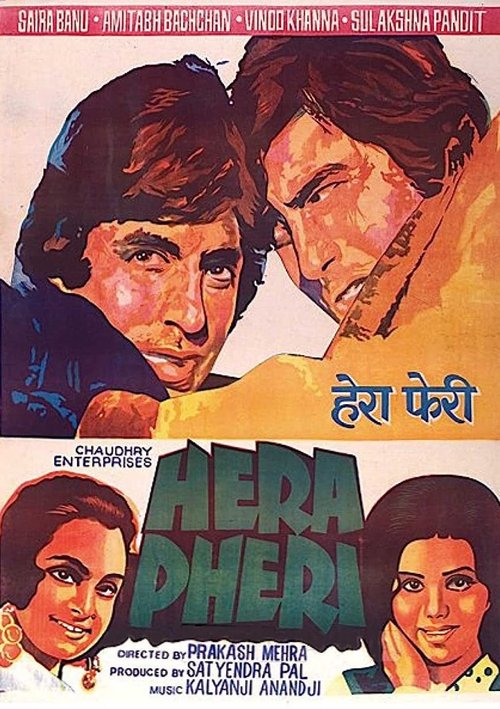
Hera Pheri1976
A heist comedy with warmth and social conscience. It has the same ensemble spirit as Mere Apne—a group of misfits finding family in each other—but lighter in touch and more obviously fun.
But The plot is thin and the humour can feel dated. If you're coming for realism or tight storytelling, you'll bounce off quickly.
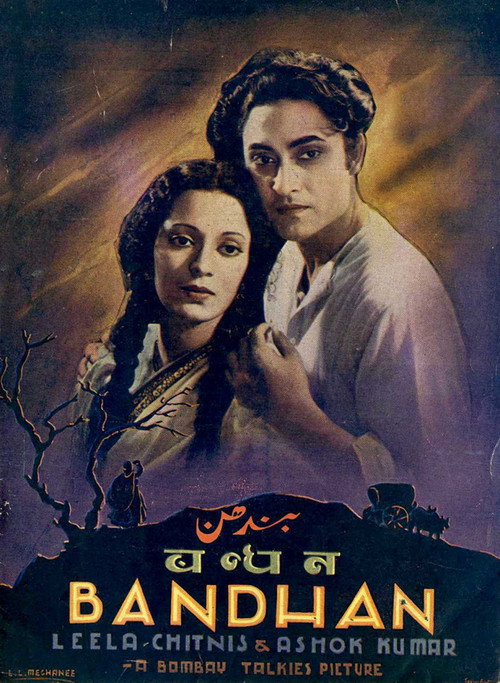
Bandhan1940
A quieter family drama about bonds and obligation, with Meena Kumari again in a central role. Similar thematic interest in how families hold (or don't) in modern India, less melodramatic than Deewar.
But Less known even in Hindi cinema circles. It lacks the narrative drive or star power to grip viewers looking for conventional drama.
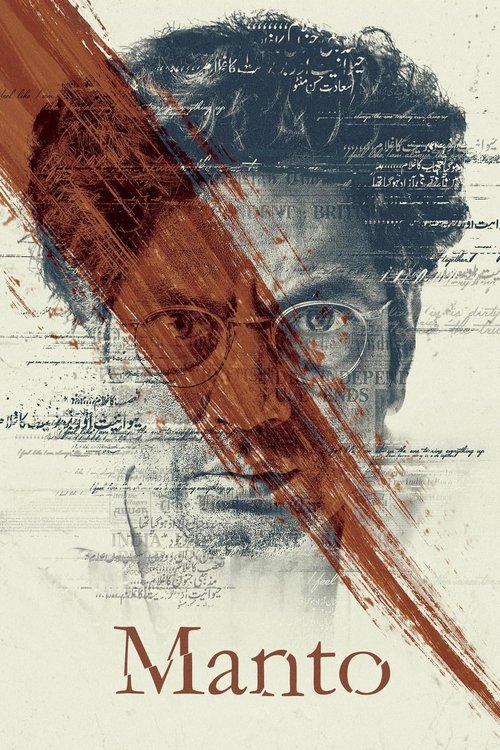
Manto2018
A biography of the fearless short-story writer, structured as a defence of art that speaks for the voiceless. The same spirit animates both films—the conviction that ordinary people's lives deserve dignity and art.
But Biographical films about writers can feel like museum pieces. This one's deliberately theatrical rather than naturalistic, which distances some viewers.
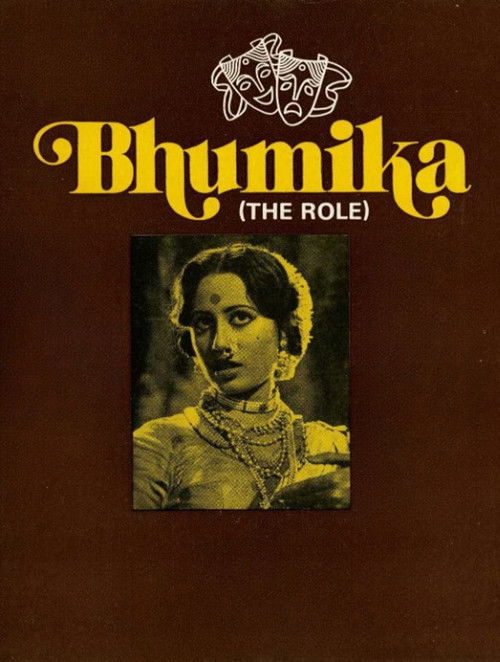
Bhumika1977
Smita Patil's film about a woman navigating exploitation in the film industry. Like Mere Apne, it's deeply interested in how systems fail individuals, and in the quiet strength required to survive them.
But Autobiographical and intimate in ways that feel slow if you want plot momentum. The emotional register is almost documentary—some find that powerful, others find it dry.
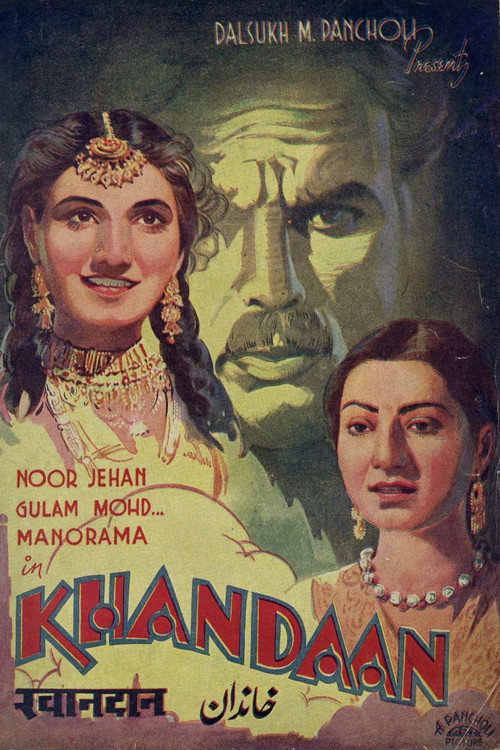
Khandaan1942
An earlier Ashok Kumar family drama about class and generational conflict. If you want to trace the lineage of what Mere Apne does, this is where that DNA lives in Indian cinema.
But It's from 1942, and it shows. The theatrical style takes adjustment, and the politics feel remote. Mainly of interest to cinema historians now.
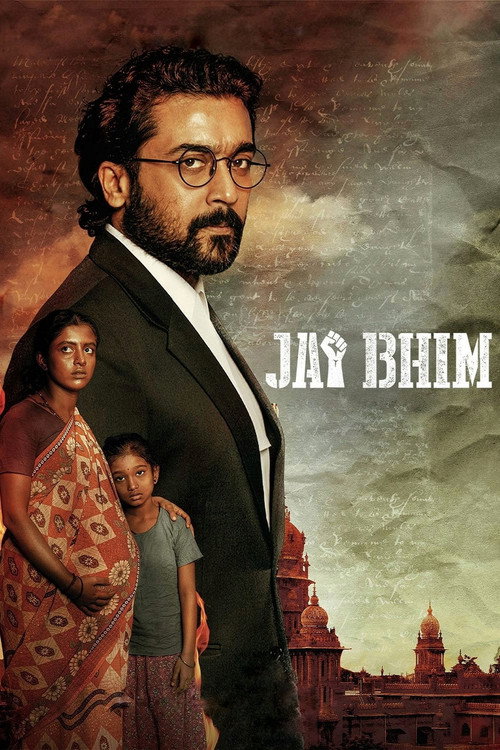
Jai Bhim2021
A Tamil-language legal drama about a lawyer fighting for a wrongly imprisoned man. It shares the fierce moral clarity of Mere Apne—the sense that justice for the poor is the only story that matters.
But Subtitled, and operating in the traditions of Tamil cinema rather than Hindi. Visually and tonally very different, which is fine unless you were after something closer in style.
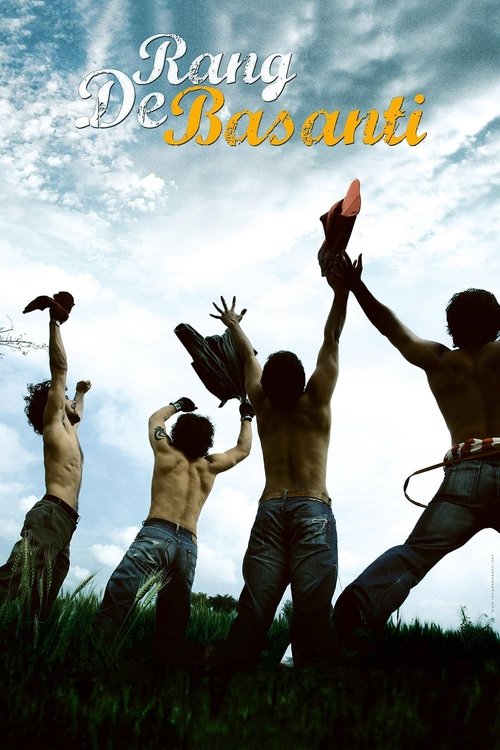
Rang De Basanti2006
Both films are fascinated by the question: what happens when unemployed young men bond together? Both suggest the answer depends entirely on who guides them.
A film about unemployed young men who find purpose and solidarity, then discover what happens when ideology meets violence. The gang dynamic, the sense of brotherhood, the moment when it all fractures—it's Mere Apne's scenario played as a political thriller.
But It's a big, shiny Bollywood film with Aamir Khan. The tone is nationalist and patriotic in ways that feel very 2006. If you came for the rawness, the gloss and the politics may jar.
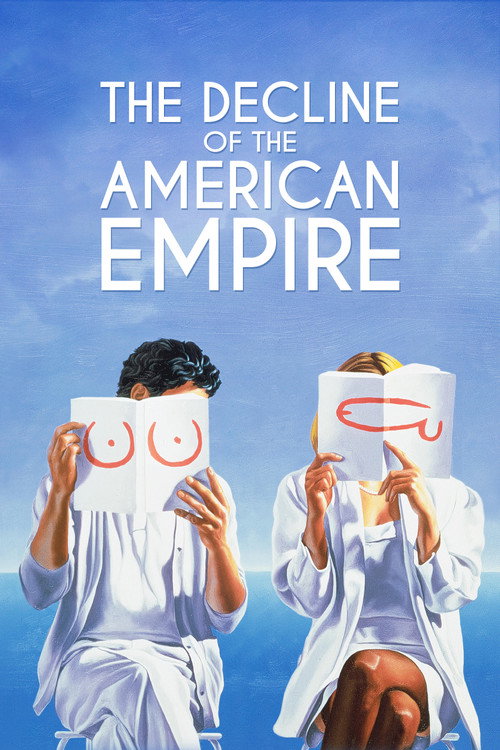
The Decline of the American Empire1986
Both films are character ensembles about how people find meaning or fail to, in a world that's become unmoored from its own ideals. Both were made when their respective cinemas were most interested in social diagnosis.
A French-Canadian ensemble piece about middle-aged friends at a dinner party, examining how they've changed and what they've become. It's about generational fracture and the gap between ideals and life—the same engine as Mere Apne, but operating in Quebec intellectuals rather than Mumbai street kids.
But Slow, talky, and resolutely unglamorous. It's essentially people sitting around having conversations about disappointment. The mood is wry rather than warm, ironic rather than hopeful.
People
Cast
 Meena KumariAnandi Devi / Auaji (Aunt)
 Vinod KhannaShyam
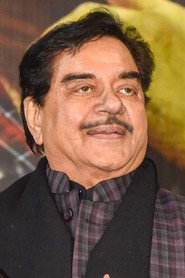 Shatrughan SinhaChaino
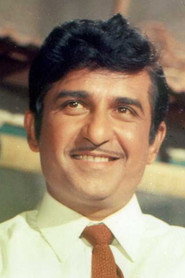 Ramesh DeoArun Gupta
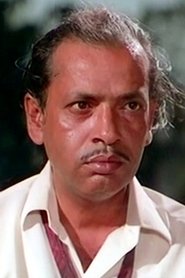 Keshto MukherjeeJattu
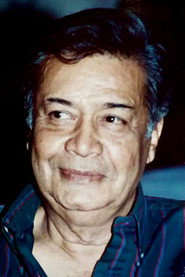 Deven VermaNiranjan
 Sumita SanyalLata
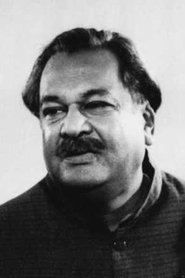 Asit SenBilaki Prasad
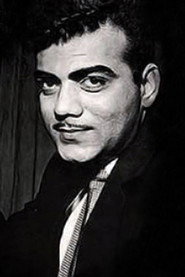 MehmoodAnokhelal
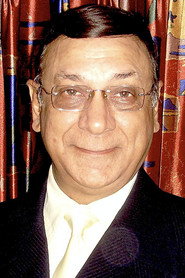 Kanwarjeet PaintalBansi
 Danny DenzongpaSanju
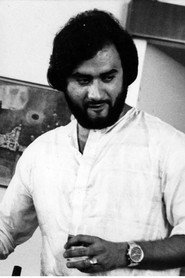 Dinesh ThakurBilloo
Directing
- GulzarDirector
Writing
- Indra MitraStory
- GulzarWriter
Production
- Raj N. SippyProducer
- Romu N. SippyProducer
Recommended by
Parwana, Marjaavaan, Do Raaste, Julie, Kunwara, Saraswatichandra, Ajanabee, Johny Mera Naam