
Film
Khandaan
Khandaan is a 1942 Indian drama about moral corruption, seduction, and the weight of past crimes. It's a serious, gripping affair—nearly three hours of character study and consequence, anchored by extraordinary performances. Built for viewers who love cinema that trusts them to sit with discomfort and difficult men.
Should you watch it?
Watch it if you enjoy slow-burning melodramas from old Indian studio cinema, where family loyalty and moral debt are argued out at leisurely length and feelings are given room to swell.
Skip it if you want brisk plotting, since at nearly three hours this is a long, sentimental haul with broadly theatrical acting and creaky pacing that belongs to its era.
What it asks of you: Nearly three hours at a deliberate pace, played in a melodramatic key that is earnest rather than ironic; the shape is patient and unhurried throughout.
Not sure? Find tonight's pick in a minute.
If you liked this
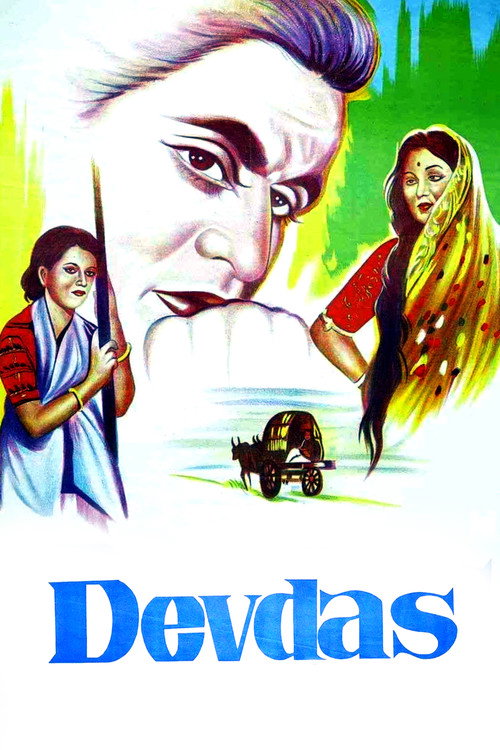
Devdas1955
Bimal Roy's masterpiece about desire and self-destruction. Like Khandaan, it examines how passion can ruin a man, but through a more lyrical, tragic lens. Stunning cinematography and Dilip Kumar at his most haunted.
But The melodrama can feel overwrought to modern tastes. It's also three hours, and the sadness is unrelenting—there's no catharsis waiting.
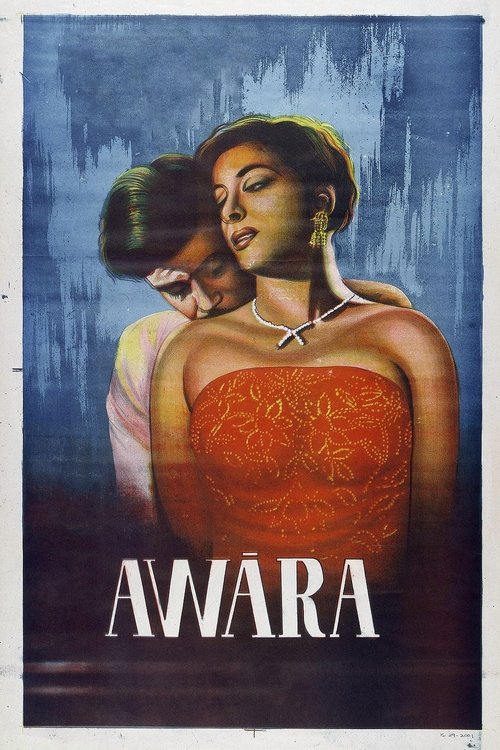
Awaara1951
Raj Kapoor's tale of a man marked by circumstance and suspicion, forced to prove his worth despite his past. Shares Khandaan's exploration of justice, redemption, and whether society allows second chances. Iconic and deeply felt.
But The plot hinges on coincidences that strain credibility. Some sequences drag, and the philosophy can feel heavy-handed by today's standards.
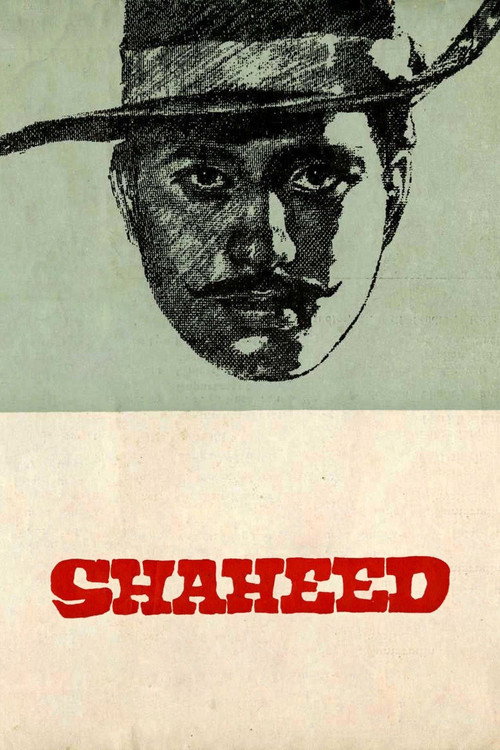
Shaheed1965
A powerful drama about sacrifice and moral choice during India's independence struggle. Like Khandaan, it takes its ethical questions seriously and doesn't flinch from the cost of conviction. Rajesh Khanna and Kumkum are superb.
But It's overtly political and nationalistic—if that register bothers you, the film won't budge. Pacing is deliberate, almost stately.
Not sure tonight? Get a pick in a minute, starting from Khandaan
The wildcard
Something you would not have found on your own.
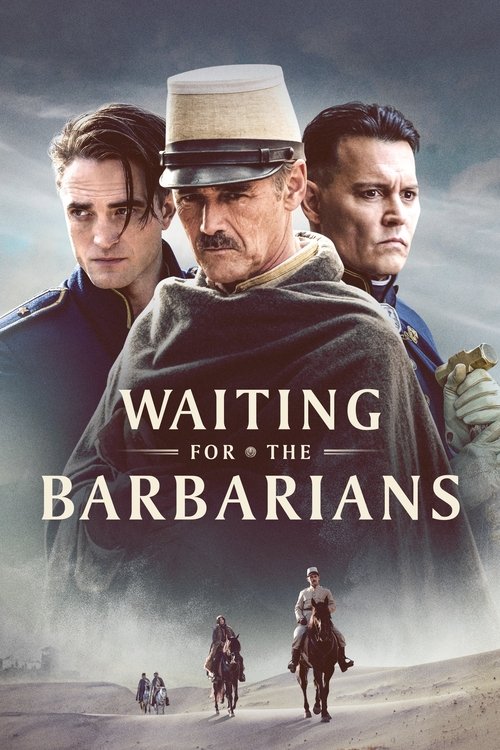
Waiting for the Barbarians2020
Both films are about men who come to recognize their own evil—not as sudden villains, but as ordinary men who failed to resist the world around them. Complicity, not villainy, is the real subject.
Mark Rylance as an imperial official grappling with his complicity in state violence. A meditation on seduction by power and the corruption it brings. Like Khandaan, it asks whether a man can act against the machinery he serves. Slow, hypnotic, morally unflinching.
But It's a literary adaptation (J.M. Coetzee) that prioritizes ideas over plot. The languor and philosophical tone will feel precious or bloodless if you want drama with momentum.
More like this (5)
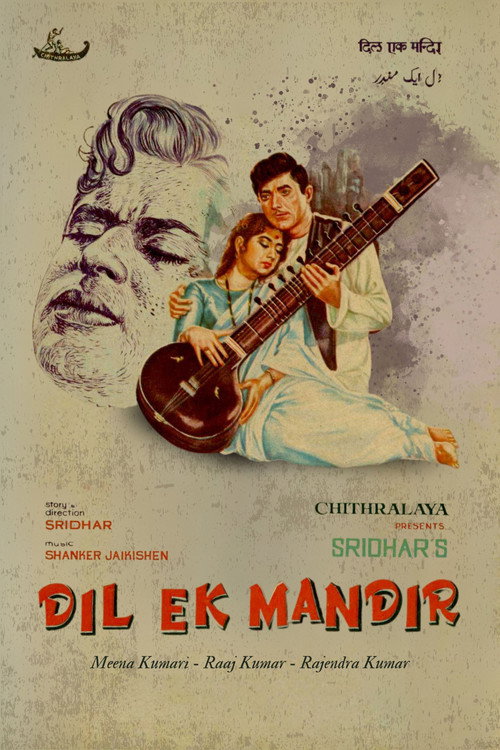
Dil Ek Mandir1963
A restrained, character-driven story about a man's internal struggle and the women who love him. The mood is contemplative and the performances are understated—it has Khandaan's patience with moral complexity and emotional nuance.
But Almost nothing happens in conventional narrative terms. The film moves at the speed of thought, which can feel static if you're looking for incident.
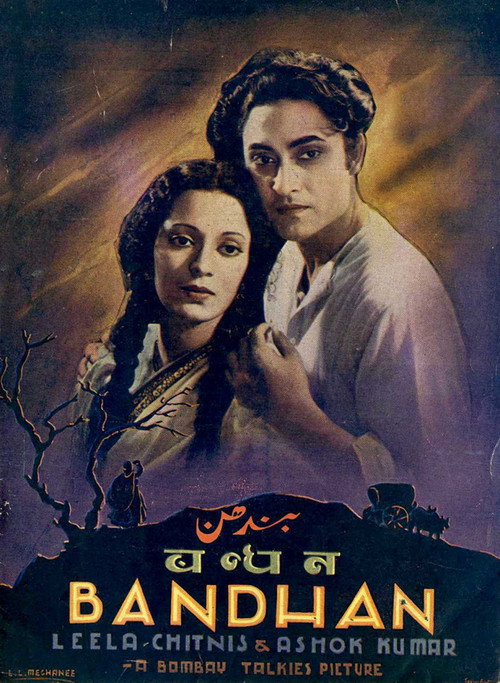
Bandhan1940
A drama about obligation, family duty, and the price of keeping secrets. Shares Khandaan's focus on quiet moral erosion. Less famous than its better-known peers, but with a similar gravitas and restraint.
But The film is rare and not always easy to find in good condition. It also moves very slowly, with long scenes of domestic tension that demand patience.
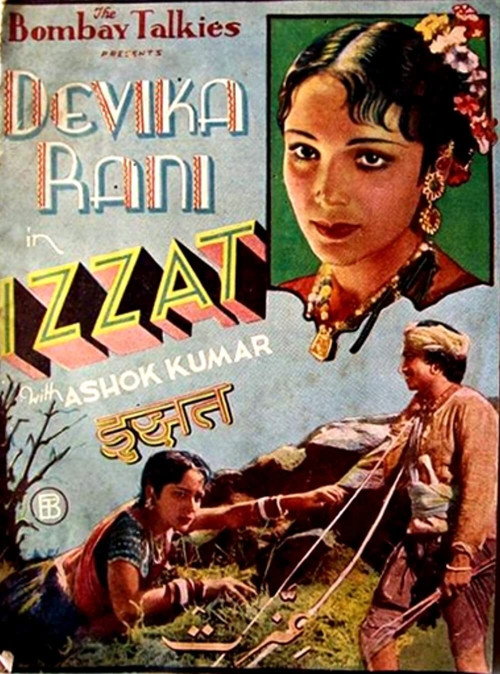
Izzat1937
A tale of honor, ruin, and the social machinery that crushes individuals. Made in the era just before Khandaan, it has the same serious tone and the same conviction that character is destiny.
But It's obscure for good reason—the narrative is sometimes unclear, and emotional payoffs can feel distant or confused. Print quality is poor.
Harakiri1962
Like Khandaan, it's a study of a man trapped between what society demands and what his conscience allows. Both films suggest the system itself is the villain, not the man who fails within it.
Masaki Kobayashi's masterpiece about honor, duty, and the cruelty of systems that destroy honorable men. A samurai demands the right to ritual suicide; the film reveals the hypocrisy behind the code. Formally perfect and emotionally devastating.
But It's a Japanese feudal drama with a protagonist you watch deteriorate across two and a half hours. Bleak, slow, and deliberately tragic—there's no uplift and no escape.

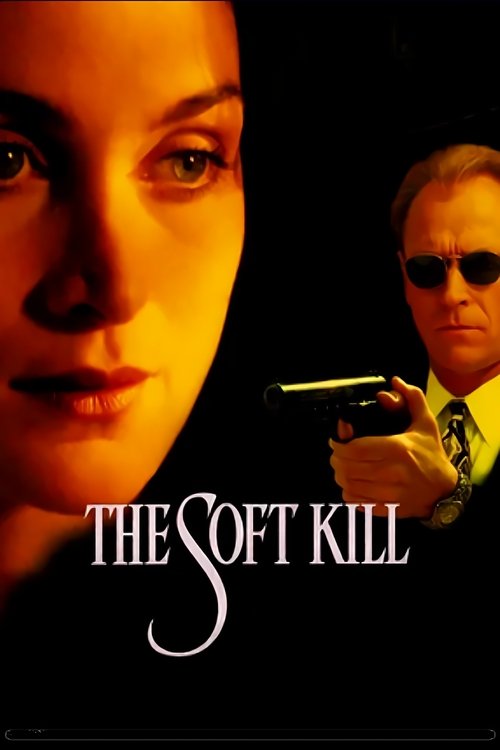
The Soft Kill1994
Both address how communities enforce silence around male transgression and how that silence becomes its own form of violence. Neither offers comfort; both insist that pretending the problem doesn't exist is the real crime.
A documentary by Vanya Asher and Mark Stonestreet about the cultural weight of shame and silence in South Asian communities. Explores how families conceal violence, how men are shaped by impossible choices, how honor becomes a trap.
But It's a documentary, not narrative drama—fractured, essayistic, sometimes abstract. No plot in the conventional sense. Difficult material handled without easy resolution.
People
Cast
 Noor JehanZeenat
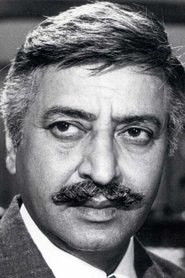 PranAnwar (as Pran Krishna)
- Ghulam MuhammadAmjad / Akhtar
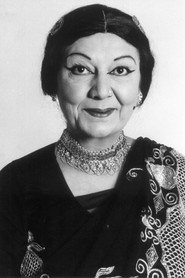
- G.N. ButtAkbar
- Durga MotaIqbal
- Baby AkhtarNazmi
- Nafees BegumAmjad's Wife
- AjmalRatan
Directing
- Shaukat Hussain RizviDirector
Writing
- Dina Nath MadhokLyricist
- M.D. TaseerLyricist
- Nazim PanipatiLyricist
Recommended by
Mera Naam Joker, Trishul, Gaman, Mere Apne, Mere Huzoor, Dil Deke Dekho, Devata