
Film
Waiting for the Barbarians
- Period drama
- Western
- Very dark
- Slow-burning
A colonial magistrate at a remote outpost confronts his moral limits when a sadistic army officer arrives to crush a suspected rebellion through torture and terror. Corey Fukunaga's adaptation of J.M. Coetzee is glacially paced, shot through with dread, and deeply concerned with complicity—how good men become architects of atrocity by looking away. It's for anyone who can sit with discomfort.
Should you watch it?
Watch it if you want slow, morally grinding drama about complicity, where the horror arrives through a decent man's gradual reckoning and the quiet texture of a remote frontier rather than through spectacle.
Skip it if you need propulsion or a clear hero, since the story moves at a deliberately stalled pace and its cruelty is hard to sit through without a break.
What it asks of you: Around 112 minutes of measured, dusty stillness, with long silences and a steady unease that builds rather than shocks, so give it your full attention.
Not sure? Find tonight's pick in a minute.
If you liked this
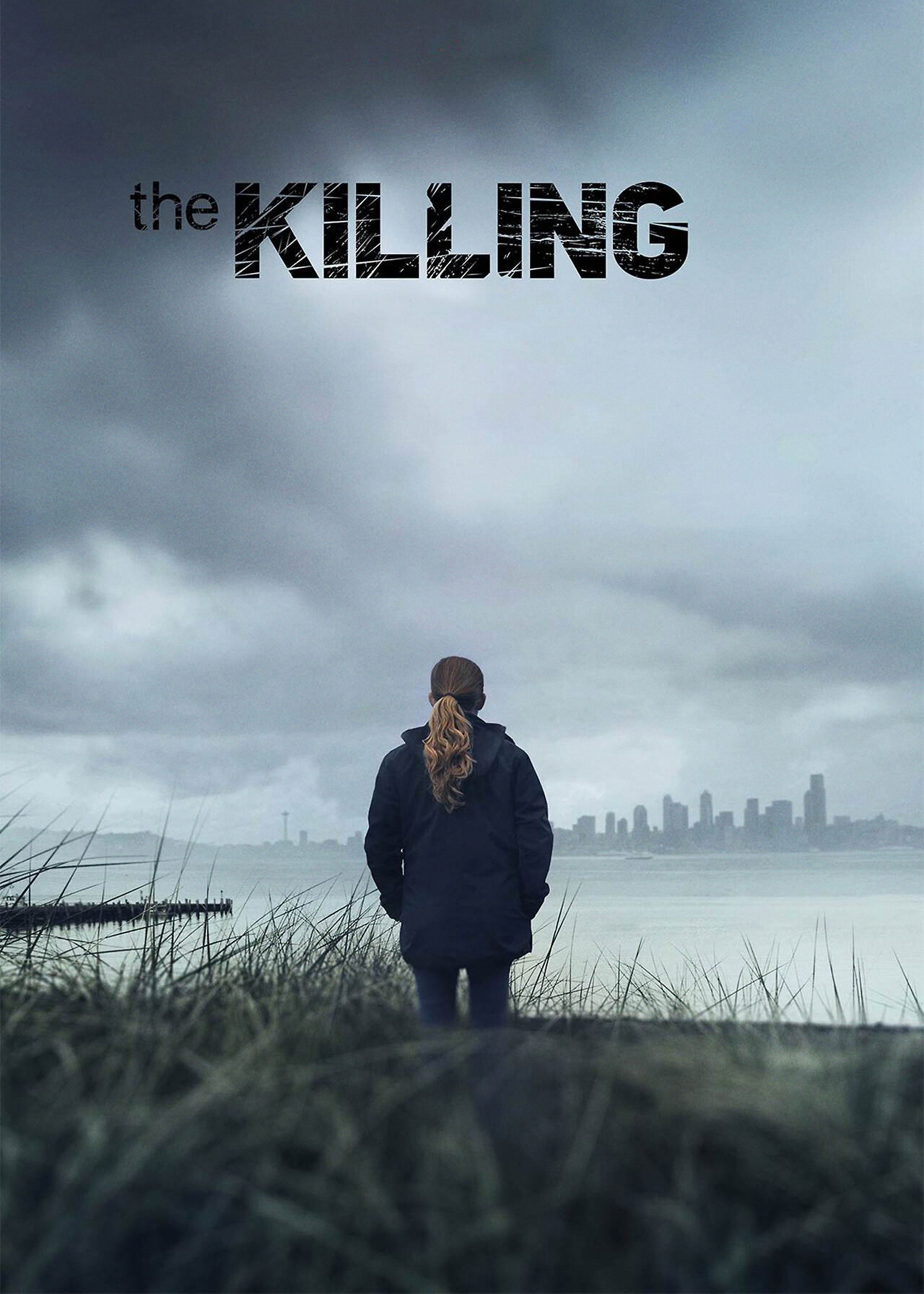
The Killing2011
A Danish crime series that proves slow-burn television can be more harrowing than any thriller. The methodical unraveling of a murder, the institutional rot, the moral exhaustion—it understands the same kind of hopelessness.
But Thirteen episodes of relentless grey Copenhagen winter and people making terrible choices. It demands patience and doesn't reward it with catharsis.
A Prophet2009
Jacques Audiard's prison drama about a young man's brutal education inside. Like Barbarians, it watches complicity unfold through a character who accepts corruption to survive, shot with formal precision that makes ugliness visible.
But French, subtitled, and visually austere. The violence is real enough to flinch from, and there's no hero waiting to save anyone.

The Act of Killing2012
A documentary where Indonesian death-squad leaders recreate their own mass murders on film. It's the inverse of Barbarians—examining perpetrators instead of the complicit witness—but asks the same question about how ordinary people become capable of atrocity.
But Genuinely disturbing. Watching men laugh while describing genocide is an ordeal, not entertainment.

Not sure tonight? Get a pick in a minute, starting from Waiting for the Barbarians
The wildcard
Something you would not have found on your own.
Come and See1985
Both follow a witness to institutional atrocity who cannot stop it, watching himself become complicit through inaction. Both use formal cinematography to make that helplessness visible.
Elem Klimov's Belarusian film about a boy conscripted into the Soviet army during WWII. It's the most harrowing portrait of how systems destroy the human soul—the magistrate's slow horror compressed into two hours of relentless atrocity. Essential and nearly unwatchable.
But Soviet-era, subtitled, and deliberately unbearable. Shot with such formal beauty that the suffering becomes almost pornographic. Not a film you enjoy; a film you survive.

More like this (8)
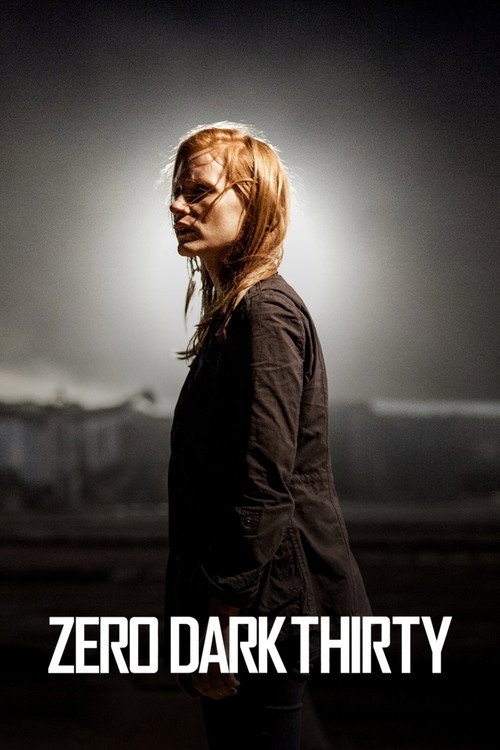
Zero Dark Thirty2012
Kathryn Bigelow's CIA procedural is also about institutional power, interrogation, and the slow moral compromise of good people in service of security. It shares Barbarians' unflinching approach to how states justify cruelty.
But Takes torture seriously as a plot point rather than condemning it outright. Some find that morally queasy, and fairly so.
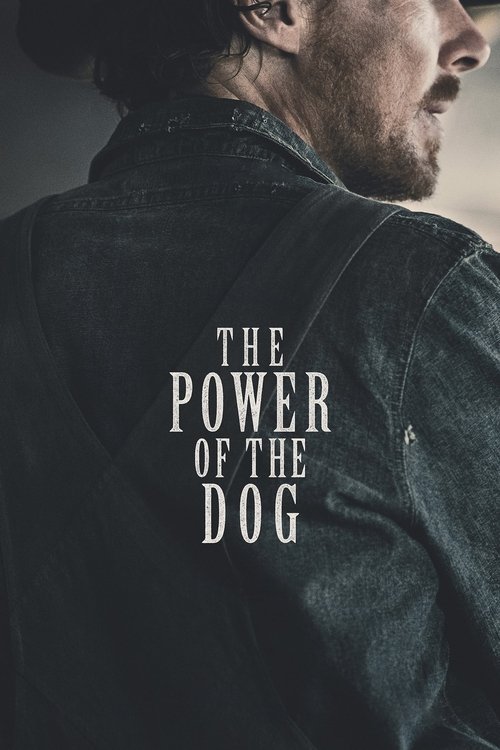
The Power of the Dog2021
Jane Campion's Western about a rancher's psychological torment. Same register of dread, same interest in masculinity and power dynamics, same sense that violence lurks beneath civility and that watching is its own form of guilt.
But Deliberately paced and psychologically oblique. If you need plot momentum, it will feel like nothing is happening for two hours.
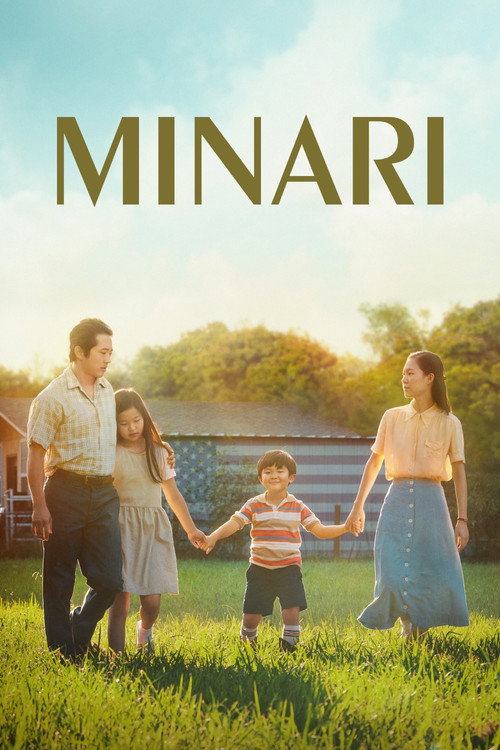
Minari2021
Lee Isaac Chung's film about a Korean-American family building a farm. Gentler than Barbarians, but shares its interest in outsiders navigating systems indifferent to their humanity, and the small acts of dignity available when everything else fails.
But Quiet and domestic after the intensity you're expecting. Some will find it too modest.
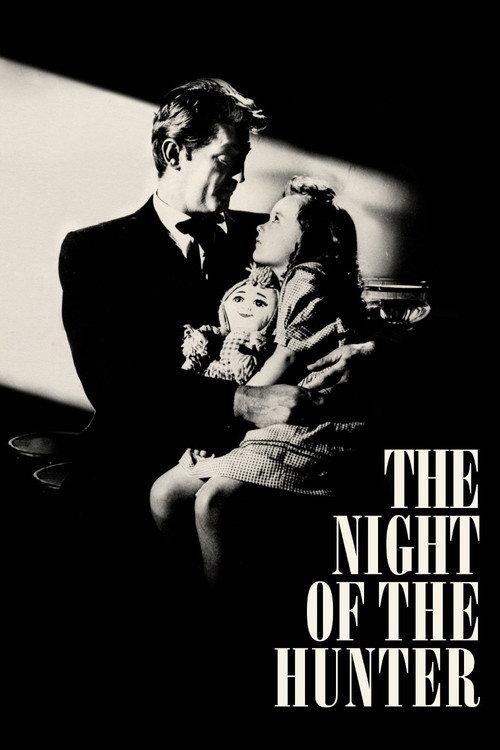
The Night of the Hunter1955
Charles Laughton's only film as director, and a masterclass in how to render evil as beautiful and seductive. Like Barbarians, it's visually stunning in ways that make moral clarity harder—sometimes the devil looks good.
But A 1950s thriller that moves at 1950s pace. Black and white photography won't appeal to everyone, and it's more shadow-play than plot.
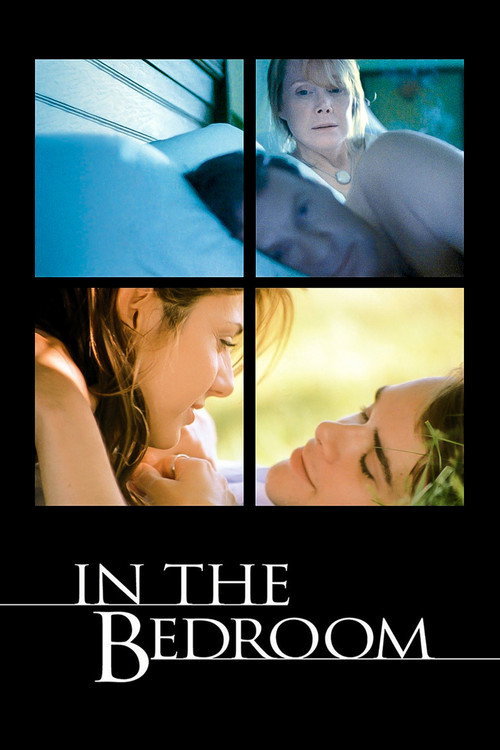
In the Bedroom2001
Todd Field's study of grief and revenge, where a quiet New England town erupts when a tragedy destroys two families. Shares Barbarians' sense of civility as a surface under which rage and tribal violence simmer.
But Slow, melancholic, and offers no resolution. Watching people suffer without relief isn't everyone's evening.
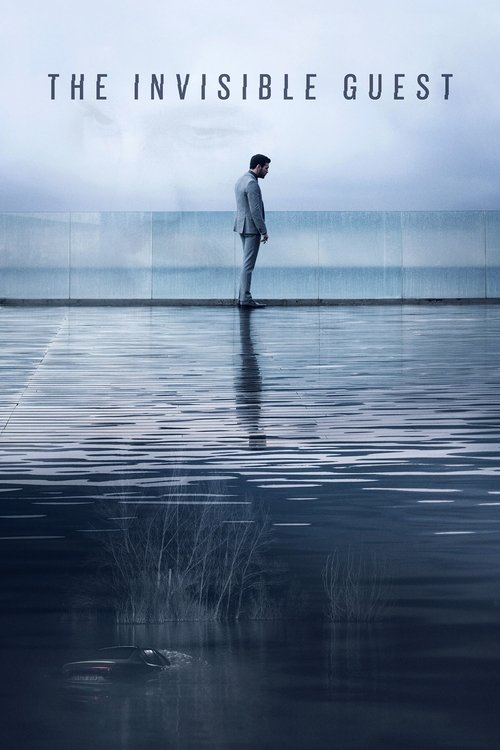
The Invisible Guest2017
A Spanish thriller about guilt, secrets, and institutions protecting the powerful. Less meditative than Barbarians, but the same DNA—how systems enable wrongdoing and how complicity gets baked into survival.
But A genre exercise rather than a moral investigation. Some will feel cheated that it cares more about plot mechanics than meaning.
The Leopard1963
Both are portraits of men watching their world change and choosing accommodation over resistance—but Visconti suggests that choice might be wise.
Luchino Visconti's Italian epic about an aristocrat negotiating power and survival as his world collapses. A completely different setting and tone, but the same meditation on complicity—how power transfers between systems, and what dignity looks like when you're already defeated.
But Three hours of Sicilian nobility in gorgeous costume drama. Moves like honey. If you want propulsion, this will feel like nothing happens.

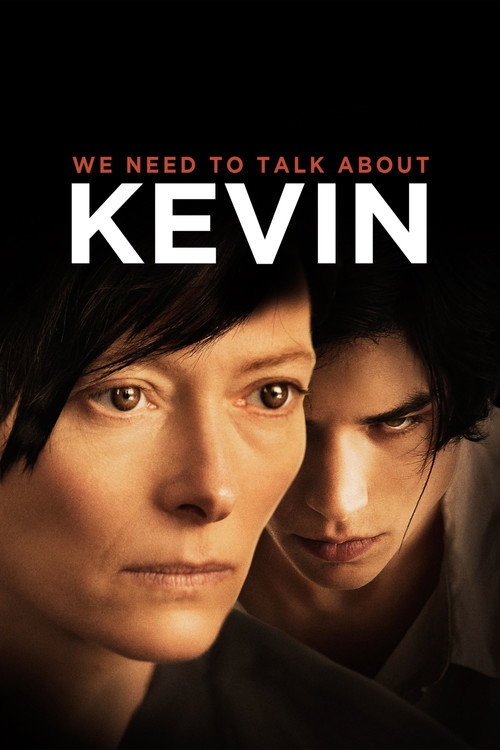
We Need to Talk About Kevin2011
Both examine the psychology of complicity—the distance between knowing something is wrong and acting to stop it, and whether that distance absolves you.
Lynne Ramsay's film about a mother and her son's inexplicable violence, told in fragmented time. Like Barbarians, it refuses easy answers about blame and responsibility. How much is the mother culpable? How much did she know? How much did she look away?
But A deliberately difficult film about a child's atrocity. Fractured narrative, no linear plot. Tilda Swinton's performance is so controlled it reads as cold, which is precisely the point but also infuriating.
People
Cast
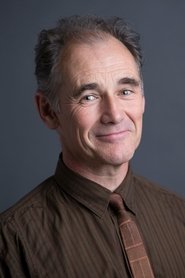 Mark RylanceThe Magistrate
 Johnny DeppColonel Joll
 Robert PattinsonOfficer Mandel
 Gana BayarsaikhanThe Girl

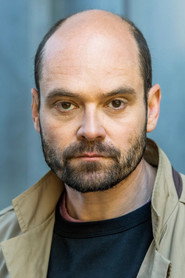 David DencikThe Clerk
 Sam ReidThe Lieutenant
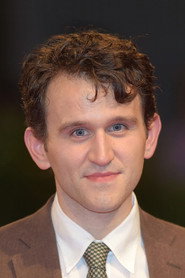 Harry MellingGarrison Soldier #4
 Bill MilnerGarrison Soldier #5
- Gursed DalkhsurenOld Prisoner
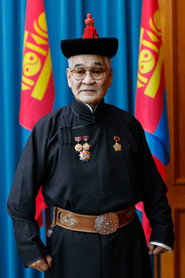 Tserendagva PurevdorjOld Barbarian
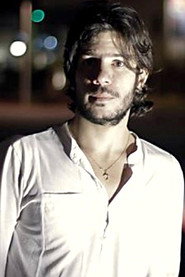 Hami BelalJoll's Man #1
Directing
- Mohammed Hamza RegraguiAssistant Director
- Ciro GuerraDirector
Writing
- J.M. CoetzeeNovel
- Ciro GuerraScreenplay
Production
- Leo DavisCasting
- Lissy HolmCasting
- Brian W. CookCo-Executive Producer
- Andrea ZosoExecutive Producer
- Penelope GlassExecutive Producer
- Danielle MaloniLine Producer
- Deborah Dobson BachLine Producer
- Zakaria AlaouiLine Producer
- Andrea IervolinoProducer
- Michael FitzgeraldProducer
- Monika BacardiProducer
- Olga Segura-GallProducer
- Davide ToviProduction Manager