
Film
Dil Ek Mandir
A 1963 Hindi melodrama where a wife's past collides catastrophically with her present when her estranged lover becomes her dying husband's doctor. Built on classical music, moral anguish, and the kind of romantic entanglement that defined the era's cinema. Essential viewing for anyone curious about how Bollywood processed desire, duty, and redemption.
Should you watch it?
Watch it if you enjoy old-fashioned Hindi melodrama where songs carry the emotion and a rekindled romance is played with sincere, unembarrassed feeling.
Skip it if the sentiment is broad and the songs arrive often, so at 148 minutes it can feel like it lingers on its own tears.
What it asks of you: Settle in for a long, unhurried evening; the melodrama is loud and frank, and the film wants you to feel every swell rather than read between lines.
Not sure? Find tonight's pick in a minute.
If you liked this
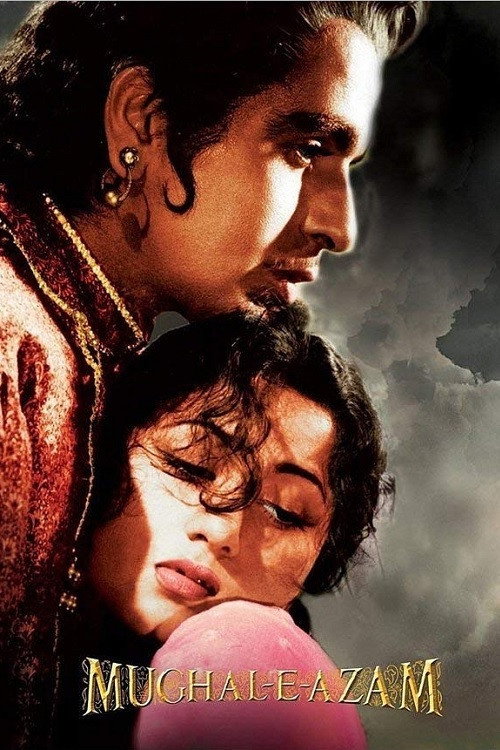
Mughal-e-Azam1960
The gold standard of Bollywood historical romance. Dilip Kumar and Madhubala in a lavish, impossibly beautiful love story caught between passion and duty. The courtroom climax rewires your nervous system.
But At over three hours, it demands patience. The plot is thin; the film is all mood, music, and architecture. Black and white cinematography that some find austere.
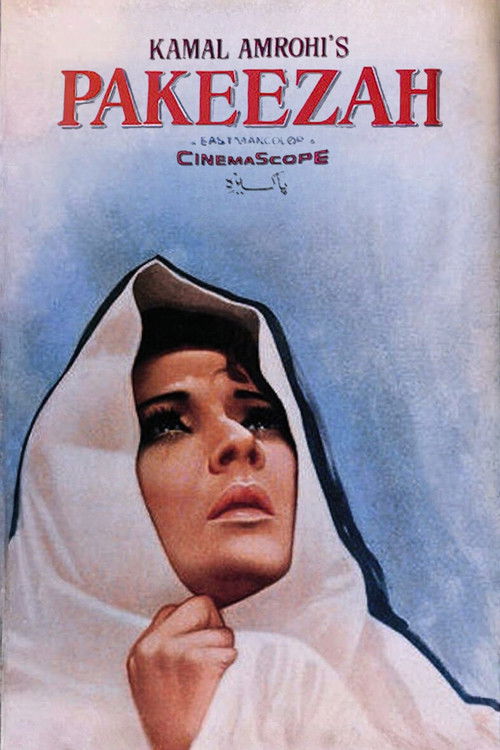
Pakeezah1972
Meena Kumari's masterpiece as a courtesan seeking respectability. Visually sumptuous, morally intricate, with Ghulam Mohammed's score permanently lodged in your head. Cinema as pure ache.
But The pacing is glacial. It luxuriates in sadness to a degree that can feel indulgent. Heavy on symbolism over plot momentum.
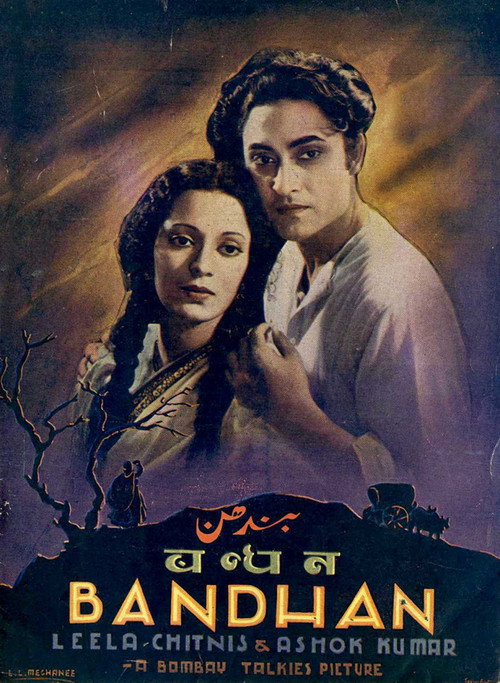
Bandhan1940
Rajendra Kumar again, this time in a story about duty versus desire that shares DNA with *Dil Ek Mandir*. Beautifully acted, with a moral backbone that doesn't flinch.
But The print quality varies wildly. It's harder to find in good condition than the bigger titles.
Not sure tonight? Get a pick in a minute, starting from Dil Ek Mandir
The wildcard
Something you would not have found on your own.
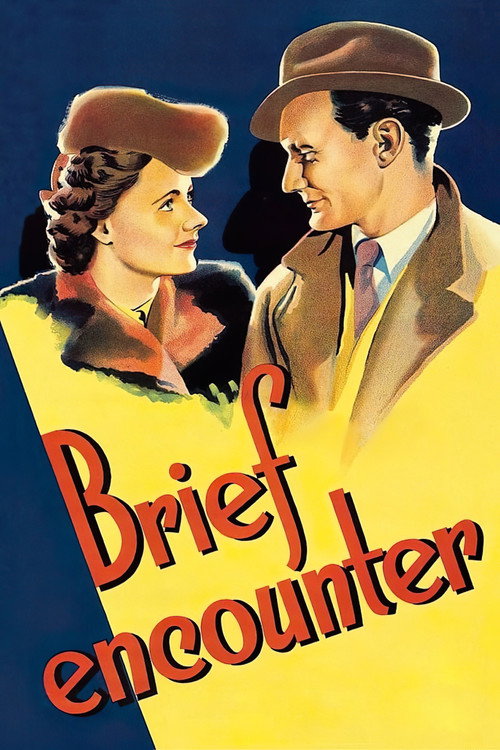
Brief Encounter1945
Both films pivot on the same question: what do you do when the person you're supposed to love and the person you actually love are different people? Both answer with anguish rather than plot convenience.
David Lean's British masterpiece about two married people who fall in love across train-station tea. Same emotional machinery as *Dil Ek Mandir*—duty, desire, the agonizing impossibility of both—but filtered through restraint, smoke, and English reserve. A reminder that yearning is universal.
But It's in English, in black and white, and moves at the pace of repressed feeling rather than melodrama. If you need Bollywood's extroversion, this will feel glacial.
More like this (6)
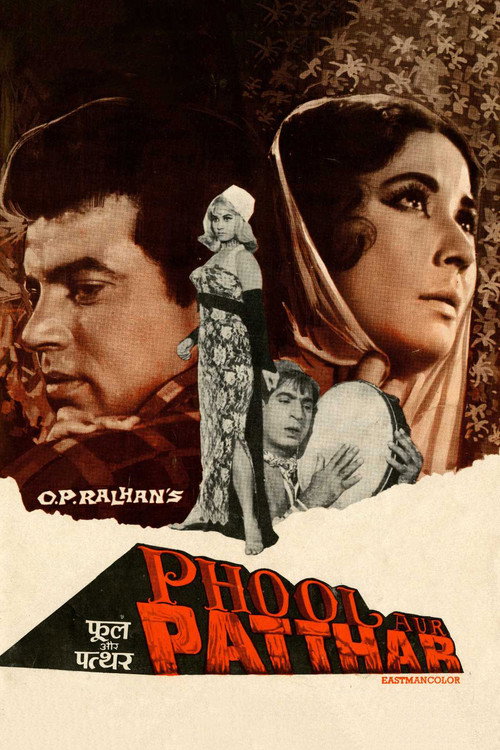
Phool Aur Patthar1966
Rajesh Khanna and Mumtaz in a story where past love resurfaces to threaten current stability. The music is exceptional. It captures the specific melancholy of rekindling what you thought was finished.
But The third act moves predictably. Once you sense where it's heading, the momentum softens.
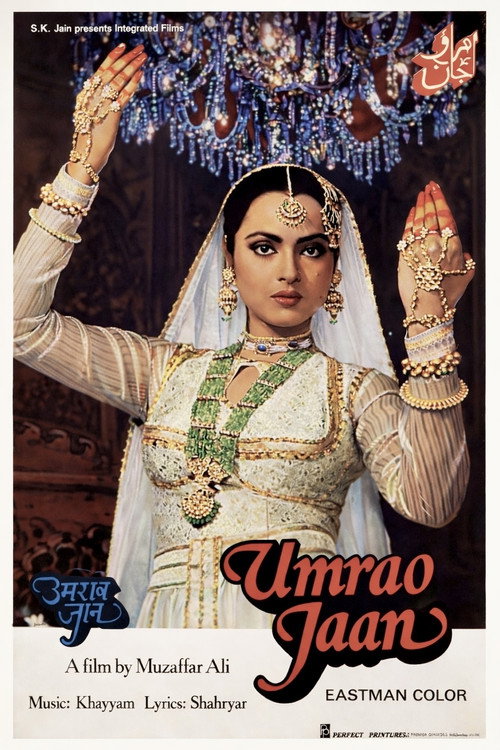
Umrao Jaan1981
Rekha in the definitive version. A woman trapped between social shame and genuine love. The Khayyam score is near-religious. A film about the impossible geometry of desire and respectability.
But It's a remake of an earlier film; some prefer the original. Rekha's fame sometimes overshadows the character. The colonialism subtext is subtle to the point of being buried.
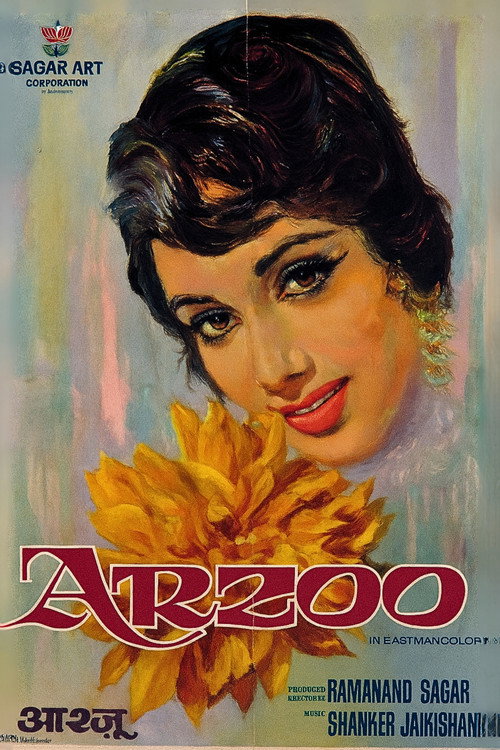
Arzoo1965
Rajesh Khanna and Mumtaz meet across religious lines in a love story that refuses easy resolution. Earnest, beautiful, structurally brave for its era. The final scene lingers.
But The social commentary can feel didactic. The tragic ending disappoints viewers hunting for catharsis rather than truth.
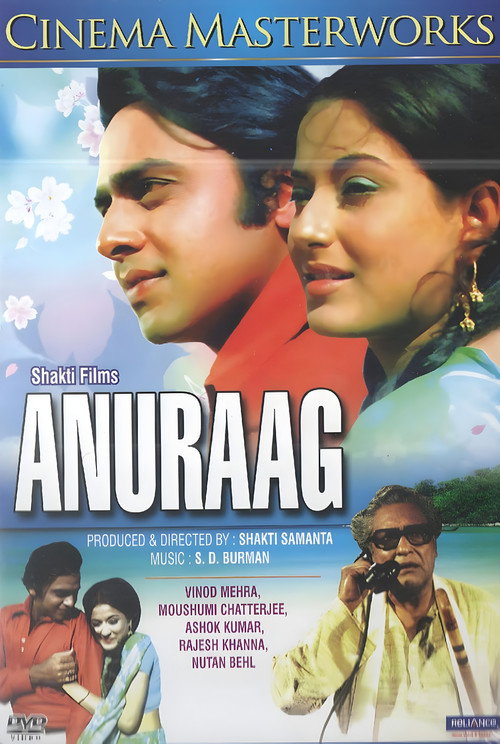
Anuraag1972
Rajesh Khanna and Sharmila Tagore navigate marriage, attraction, and the question of whether you can love two people. Sophisticated script, fine-grained performances. Rarely discussed, always worth seeking.
But The print quality is poor on most available versions. It's obscure enough that you may struggle to find it. The pacing tests patience.
Ikiru1952
Both films use fatal illness as their engine. *Dil Ek Mandir* asks what love means in the face of death; *Ikiru* asks what life means. Same question, refracted through different cultures and genres.
Kurosawa's film about a dying bureaucrat discovering meaning in his final weeks. Structurally similar: terminal illness as catalyst for moral and emotional reckoning. But rather than romantic complication, it's about legacy, purpose, and whether a life matters. Absolutely essential cinema.
But It's slow, Japanese, and preoccupied with bureaucracy. The emotional register is philosophical rather than passionate. You need to sit in silence with it.

Pather Panchali1955
Same era, same country, same moral seriousness—but Ray was making neorealist cinema while Bollywood was perfecting melodrama. Both films believe in cinema's capacity to make suffering visible and bearable.
Satyajit Ray's Bengali masterpiece about an impoverished family's quiet struggles. Not a melodrama—it's neo-realist cinema that observes life rather than performing it. But if you loved the moral seriousness and emotional truth of *Dil Ek Mandir*, this is the same sensibility stripped of music and artifice, reduced to its essence.
But There's no plot in the conventional sense. It's a documentary about poverty, grief, and everyday beauty. Some will find it depressing rather than moving. The pace is meditative to the point of difficulty for viewers raised on faster cinema.

People
Cast
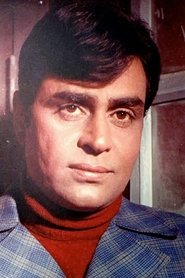 Rajendra KumarDr. Dharmesh
 Meena KumariSita
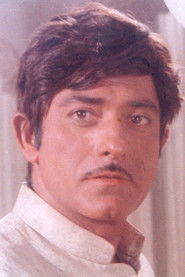 Raaj KumarRam
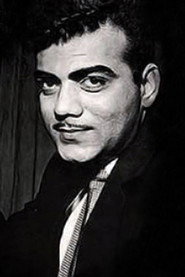 MehmoodLallu Lal

 Shubha KhoteMynavati
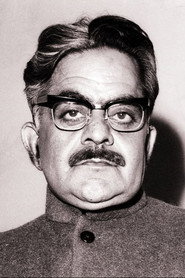 Manmohan KrishnaPhilip
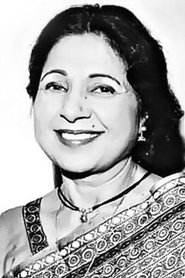 Achala SachdevDharmesh's Mother
Directing
- C. V. SridharDirector
Writing
- Arjun Dev RashkDialogue
- Raj Baldev RajDialogue
- C. V. SridharStory