
Film
Ajanabee
A 1974 Hindi melodrama about a marriage fractured by class, ambition and parenthood. Rajesh Khanna plays a man abandoned by his wealthy wife after she wins a beauty pageant, tumbling from middle-class stability into poverty and humiliation. It's a lush, emotional ride—romantic, then brutal—built on the tension between love and social hierarchy. For anyone drawn to 1970s Bollywood's appetite for moral complexity and romantic devastation.
If you liked this
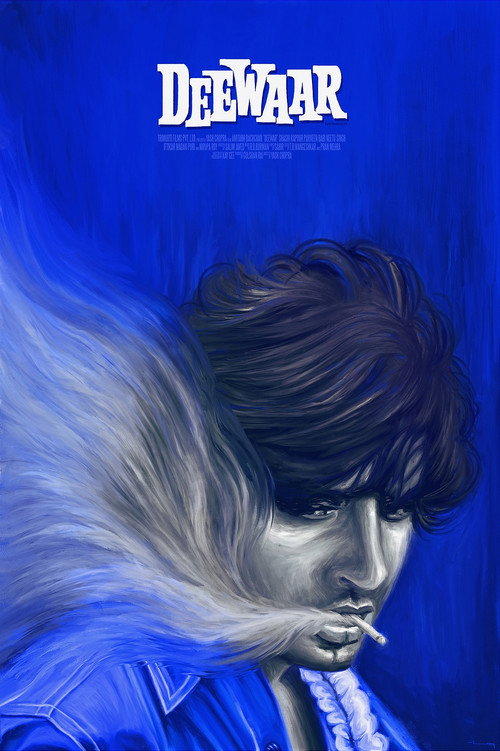
Deewaar1975
A son and mother on opposite sides of the law, with Amitabh Bachchan's rage and sacrifice burning through every frame. It shares Ajanabee's obsession with how class and poverty can destroy what you love most, but with even greater intensity.
But The second half veers into territory some find melodramatic even by 1970s standards. It's also a long watch—over two and a half hours.
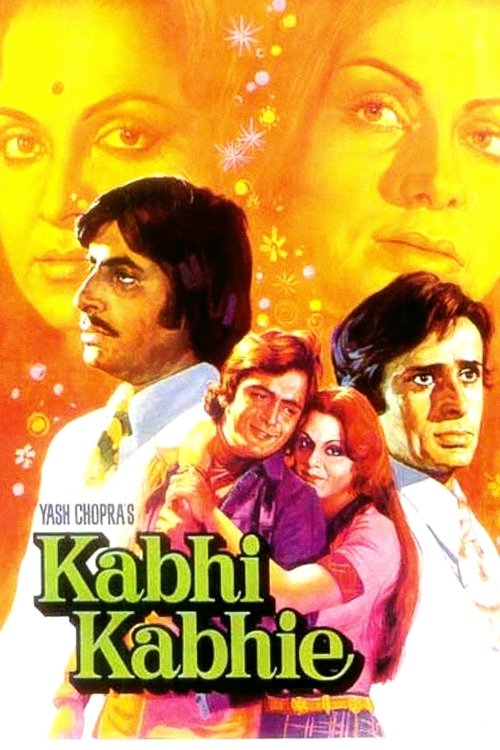
Kabhi Kabhie1976
A sweeping romance about lovers separated by circumstance, with Amitabh Bachchan and Shashi Kapoor navigating passion against duty. The emotional architecture mirrors Ajanabee's fascination with how love fractures under pressure.
But The multiple timelines can feel baggy. Some passages drag, and the resolution leans sentimental in ways that won't speak to everyone.
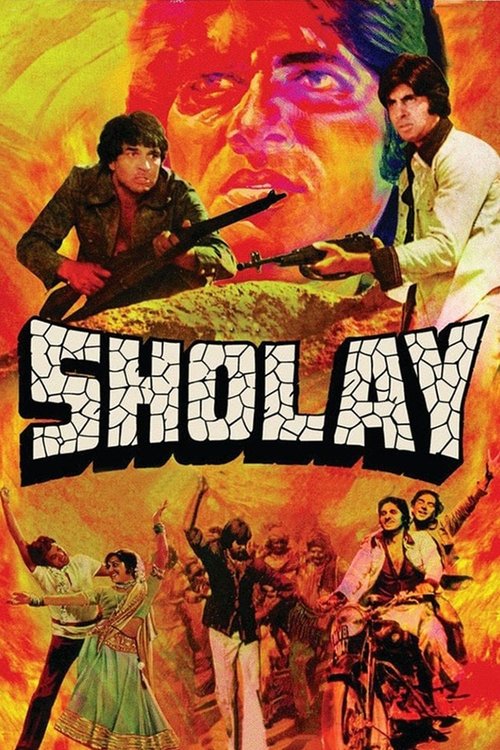
Sholay1975
The film that redefined Hindi cinema. Two drifters, a dacoit, betrayal and violence. It has the same 1970s sensibility as Ajanabee—morally murky, visually confident, unafraid of letting its characters suffer.
But It's a Western-inflected action film, so the tone and energy are very different. At nearly three hours, it demands patience with its pace.
Not sure tonight? Get a pick in a minute, starting from Ajanabee
The wildcard
Something you would not have found on your own.
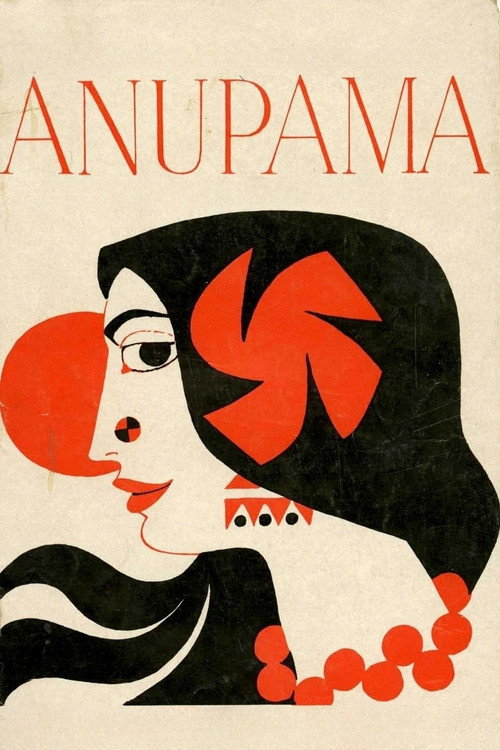
Anupama1966
Both examine marriage as a battleground between personal ambition and marital duty, but Anupama centers the woman's hunger and autonomy in ways Ajanabee cannot.
A film about a woman's artistic and sexual awakening that predates Ajanabee by eight years, made by Gulzar with Sunil Dutt and Sharmila Tagore. It also examines a marriage under pressure—but from the wife's perspective, and through her refusal to stay small. The connection: both are about what happens when a woman's ambition collides with her husband's need to be the provider.
But It's a quieter, more introspective film. The pacing is deliberate, and there's less conventional drama. Some find its feminist perspective uncomfortable even now.
More like this (6)
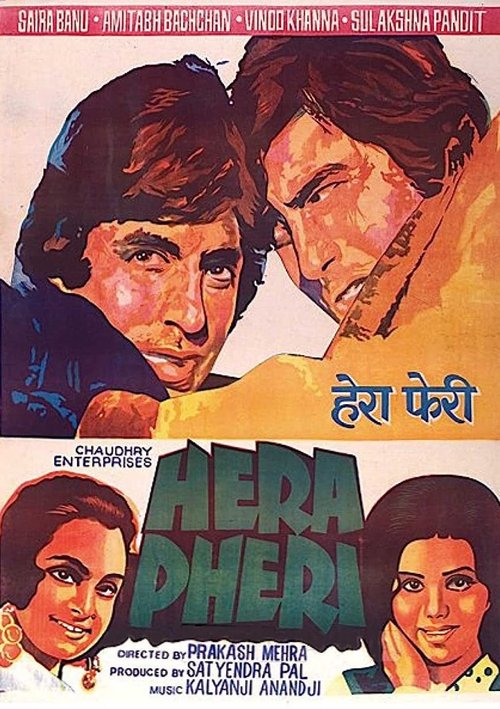
Hera Pheri1976
A heist film with Vinod Khanna that examines poverty, criminality and the desperation that drives ordinary people to extraordinary acts. The class commentary feels like a blood relative to Ajanabee's concerns.
But The plot can feel scattered in places. It prioritizes thrills over character work, which means less of the romantic and emotional focus you get in Ajanabee.
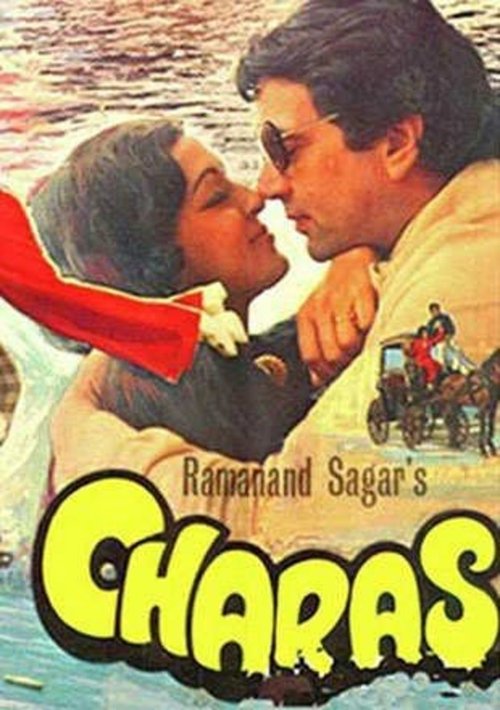
Charas1976
A genuine rarity—a 1970s Hindi film about drug trafficking and moral corruption. It shares Ajanabee's willingness to sit in moral discomfort and show characters making terrible choices under pressure.
But It's genuinely bleak and offers no easy catharsis. Finding a good print is difficult, and the pacing is deliberately slow.
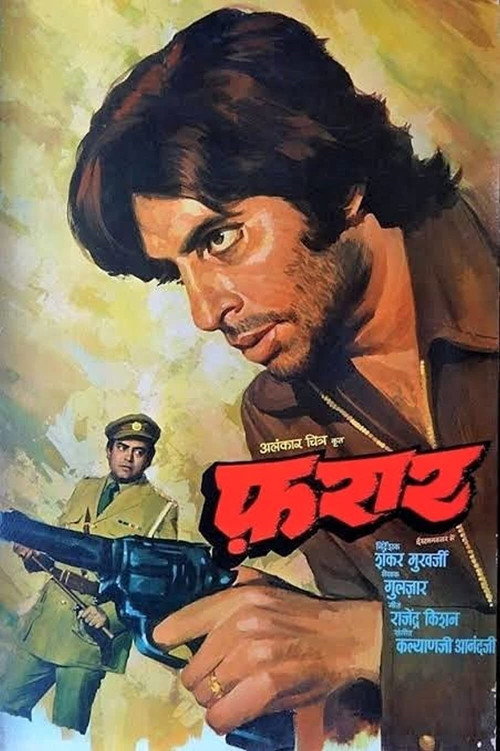
Faraar1975
Shashi Kapoor as a man on the run, hiding his identity from the woman he loves. It has the same romantic deception and class friction that drives Ajanabee's tragedy.
But The thriller elements can feel dated. The second half loses some momentum, and the ending may feel anticlimactic to modern tastes.
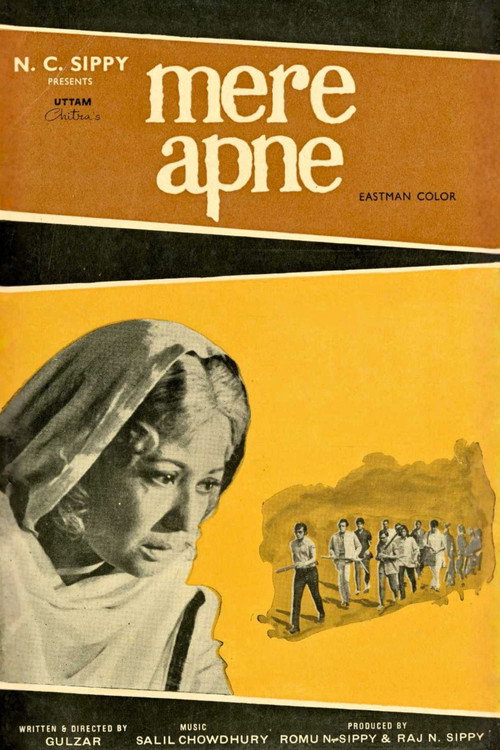
Mere Apne1971
Raj Kapoor and Mumtaz in a romance caught between generational and class conflict. It has the same bittersweet tone and romantic devastation as Ajanabee, with a lighter touch.
But The lighter tone means it never achieves the emotional devastation of Ajanabee. Some scenes feel more sitcom-like than dramatically urgent.
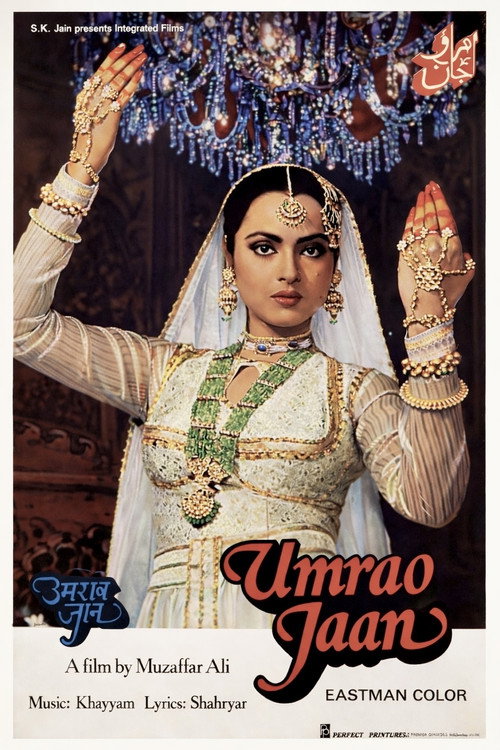
Umrao Jaan1981
Both feature Zeenat Aman in love with a man from the wrong class, but Umrao Jaan is shot through with acceptance of doom, where Ajanabee still struggles against it.
Seven years later, Zeenat Aman (Reshmi herself) plays a courtesan who loves a man she cannot have because of class. Directed by Muzaffar Ali, it's hypnotic—all languorous camera movements and doomed romance. It mirrors Ajanabee's central tragedy but from the opposite class position, and with an entirely different aesthetic register.
But It's a period piece, heavily stylized, and moves at a pace that some find self-indulgent. The ending is fatalistic in ways that will feel bleak to some viewers.
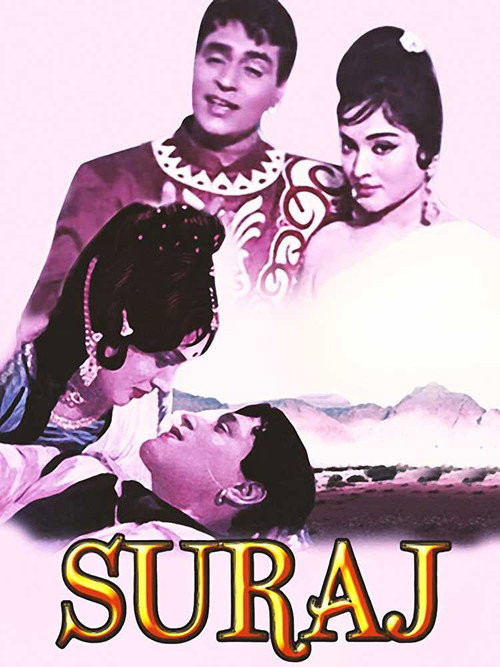
Suraj1966
It's the first cinematic exploration of Khanna's persona as a romantic everyman destroyed by class, making Ajanabee the mature, darkened refinement of a theme he started here.
Rajesh Khanna's debut role (credited as Rajesh), directed by Satyen Bose. A young man trying to make his way in the world meets a rich girl; class and circumstance tear them apart. It's the DNA of Ajanabee—the same actor, the same moral wound—but stripped back and shot with the visual grammar of 1960s cinema, before the baroque 1970s took hold.
But The print is poor and hard to find. It's also much lighter in tone—almost a comedy in places—which dilutes the tragedy. Rajesh Khanna's performance is green by his later standards.
People
Cast
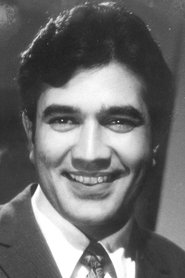 Rajesh KhannaRohit Kumar Saxena
 Zeenat AmanReshmi R. Saxena
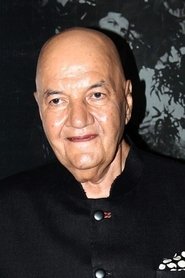 Prem ChopraMoti Babu
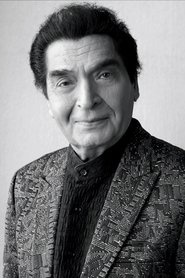 AsraniChetan Kumar
- Madan PuriM M Puri
- Yogeeta BaliSonia
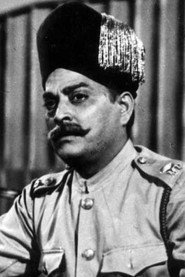 Raj MehraLawyer
- KrishnakantLawyer
 ManmohanSinha
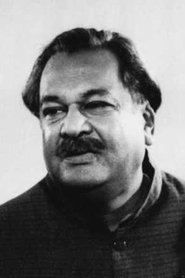 Asit SenLalit Babu
- Leena DasBijli
Directing
- Shakti SamantaDirector
Writing
- Akhtar RomaniDialogue
- Anand BakshiLyricist
- Gulshan NandaScreenplay