
Film
Anupama
Other titles called Anupama: the 2020 series (StarPlus).
A 1966 Indian family drama about a widower consumed by grief and misplaced blame, and his daughter's quiet struggle for love and acceptance. It's a film about how trauma fractures families, told with restraint and real tenderness. For anyone moved by stories about reconciliation and the long work of forgiveness.
Should you watch it?
Watch it if you enjoy patient, emotionally tangled family melodrama from 1960s Hindi cinema, where sincerity carries more weight than polish and a gentle romance can steady a hard household.
Skip it if you want brisk pacing or restrained modern drama, because at 148 minutes its emotions run big and its melodrama is unapologetically broad.
What it asks of you: Settle in for a long, unhurried sitting where the mood is heavy and the emotions are spelled out, with few lighter scenes to rest on.
Not sure? Find tonight's pick in a minute.
If you liked this
Pather Panchali1955
The foundational Bengali masterpiece about childhood, family, and poverty. Satyajit Ray's visual poetry and intimate understanding of human vulnerability influenced everything that followed, including Anupama.
But The pacing is deliberate—this is cinema as observation, not plot. If you need constant forward momentum, it will test your patience.

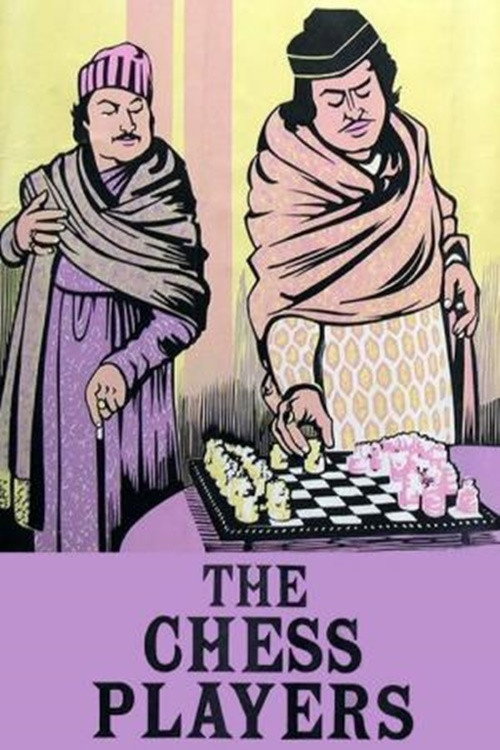
The Chess Players1977
Satyajit Ray's critique of male self-absorption and withdrawal from the world. Like Anupama, it watches a man disappear into himself while everyone around him suffers for it. Humane and quietly devastating.
But It's a slow unraveling without clear resolution. The film trusts you to sit with the discomfort. Many won't.
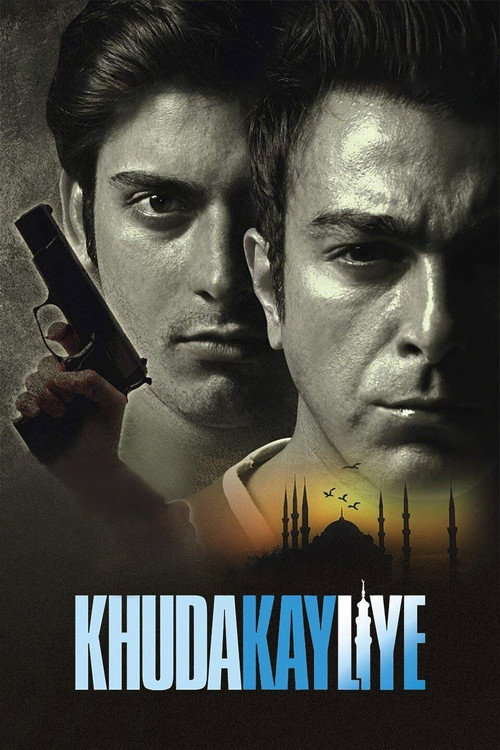
Khuda Kay Liye2007
A Pakistani film about two brothers, religious conviction, and how ideology can poison familial love. It has Anupama's concern with how we harm those closest to us, told with urgency and moral clarity.
But The didacticism shows sometimes. It wants to teach you as much as move you, and the balance isn't always perfect.
Not sure tonight? Get a pick in a minute, starting from Anupama
The wildcard
Something you would not have found on your own.
The Wrestler2008
Both films understand that sometimes families can't repair themselves—that love isn't always enough to undo what's been broken. Anupama offers more hope, but both know the cost.
Darren Aronofsky's American film about a man whose entire identity has curdled, destroying relationships with everyone near him. Like Anupama, it refuses to let the protagonist off the hook, but also never stops pitying him. It's about the impossibility of apology.
But It's bleak in a way that might feel gratuitous. There's no transcendence here, only the slow damage one person does by existing.

More like this (6)
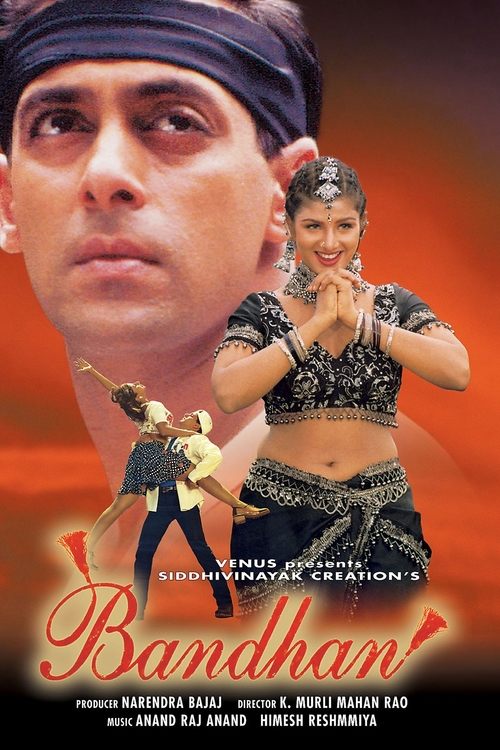
Bandhan1998
Sharmila Tagore returns to similar emotional territory—a woman bound by duty and family expectation, trying to forge a life of her own. It deepens what Anupama was exploring decades earlier.
But It's trapped in '90s Hindi cinema flourish. The restraint of the original is gone, replaced with melodrama and implausible plotting.
Musafir2004
A thriller that's really a film about how secrets and shame destroy families. It has Anupama's understanding that what we don't say can be as damaging as cruelty.
But The plot twists feel engineered. It's competent but never as moving as it wants to be.

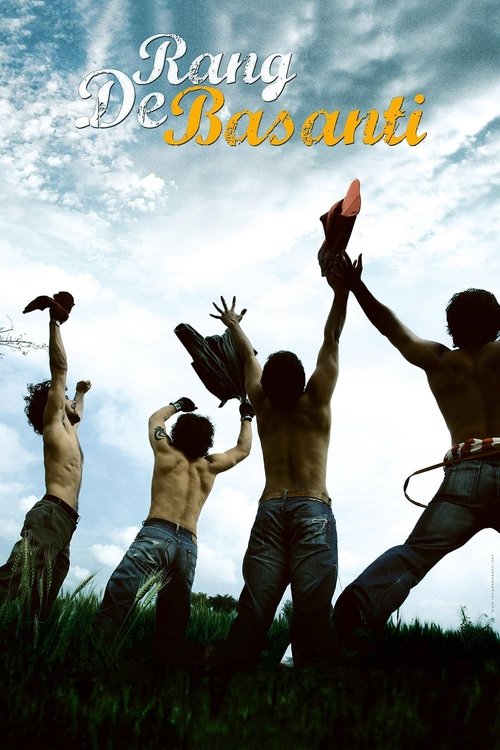
Rang De Basanti2006
Youth, idealism, and the weight of family expectation. It's looser and brasher than Anupama, but it's wrestling with the same question: what do we owe to those we love?
But It's a very long film that tries to do too much. The political arc doesn't land as hard as it thinks it does.
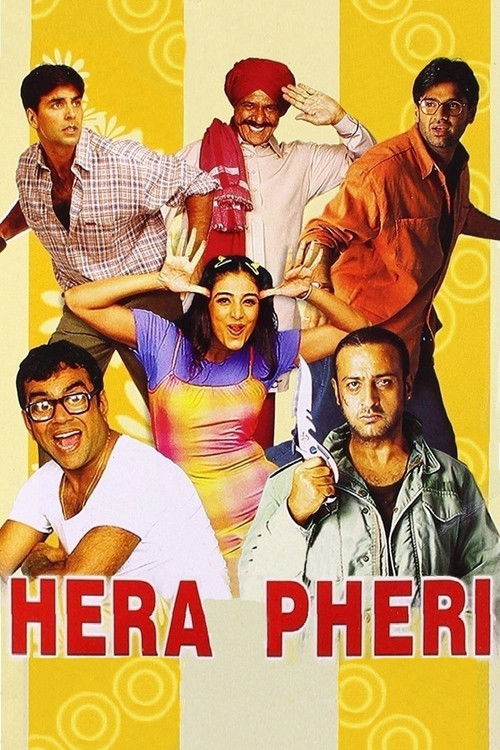
Hera Pheri2000
A comedy-thriller with Deven Verma (Anupama's Arun). It's lighter than what you're coming from, but Verma's gift for pathos under the humor is visible here too.
But It's fundamentally a crowd-pleaser. If you're seeking emotional substance, you'll find it mostly empty.
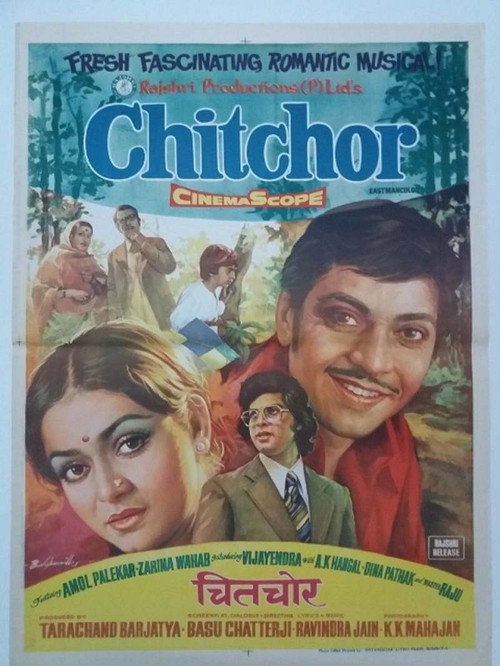
Chitchor1976
A mid-70s romance about reconnection and second chances. It's gentler than Anupama, but it shares the film's faith that damaged people can heal through love.
But The gender politics are strictly of its time. It's a sweet film with some uncomfortable assumptions baked in.
Yi Yi2000
Both films use the family unit as their only stage and find there everything a story needs: comedy, tragedy, the unbridgeable distances between people who share a home.
Edward Yang's Taiwanese masterpiece about three generations in one family. It's 173 minutes of ordinary moments—meals, conversations, small betrayals—building into something heartbreaking. It has Anupama's patience and its conviction that dailyness is where meaning lives.
But It's unhurried to the point of invisibility. Scenes seem to end without climax. You have to stay alert or it will disappear.
People
Cast
 DharmendraAshok
 ShashikalaAnita Bakshi 'Annie'
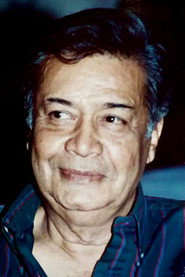 Deven VermaArun
 Durga KhoteAshok's Mother
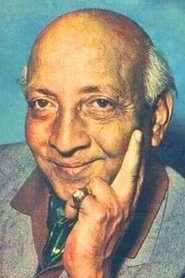
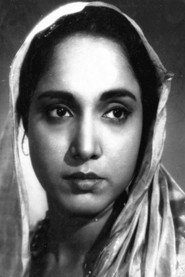 DulariSarla
- NainaGauri - Ashok's sister
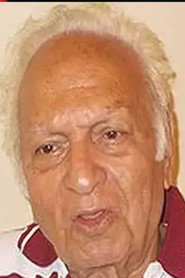 Brahm BhardwajSuresh Bakshi
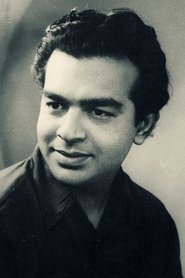 Tarun BoseMohan Sharma
- SurekhaAruna
Directing
- Hrishikesh MukherjeeDirector
Writing
- Rajinder Singh BediDialogue
- Kaifi AzmiLyricist
- Bimal DuttaScreenplay
- D.N. MukherjeeScreenplay
- Hrishikesh MukherjeeStory
Production
- L.B. ThakurAssociate Producer
- L.B. LachmanProducer
Recommended by
Aandhi, Dil Deke Dekho, Aaina, Kora Kagaz, Gharana, Ajanabee