
Film
Chitchor
A delightful 1976 Hindi romantic comedy about a young woman caught between two suitors after a case of mistaken identity. Chitchor is buoyant and clever, with genuine warmth beneath its comic confusion. It's for anyone who loves stories where love and circumstance collide, told with charm and a light touch that feels almost weightless.
Should you watch it?
Watch it if you love gentle, melodic 1970s Hindi romances where the songs carry the emotion and a simple mistaken-identity setup gives room for warmth, wit and easy-going charm.
Skip it if you need brisk plotting or sharp modern pacing, since this 105-minute film lingers on courtship, music and domestic comedy rather than pushing its story forward.
What it asks of you: Settle in for a light, unhurried evening where patience pays off; the mood stays soft and affectionate, and the romance unfolds through glances, songs and small household moments.
Not sure? Find tonight's pick in a minute.
If you liked this
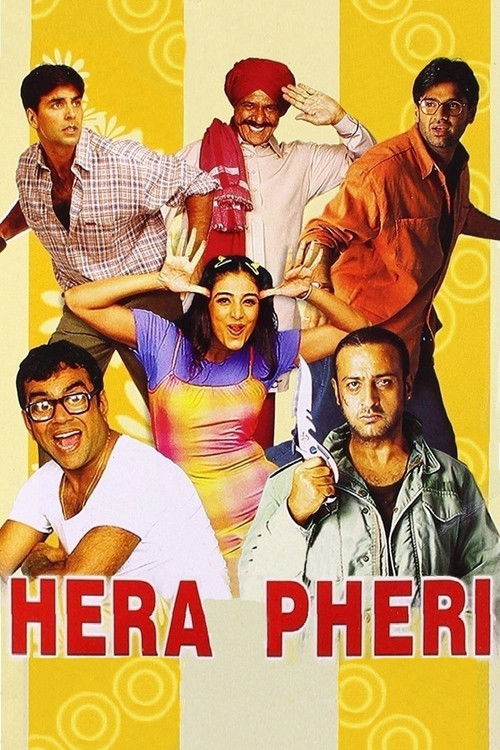
Hera Pheri2000
Another Hindi comedy built on mistaken identity and escalating chaos. The energy is infectious, the plot twists are genuinely surprising, and it has the same spirit of resourceful characters stumbling into their own solutions.
But The humour can be broad and the pacing occasionally loses momentum in the final act. Some of the comedy beats feel stretched.
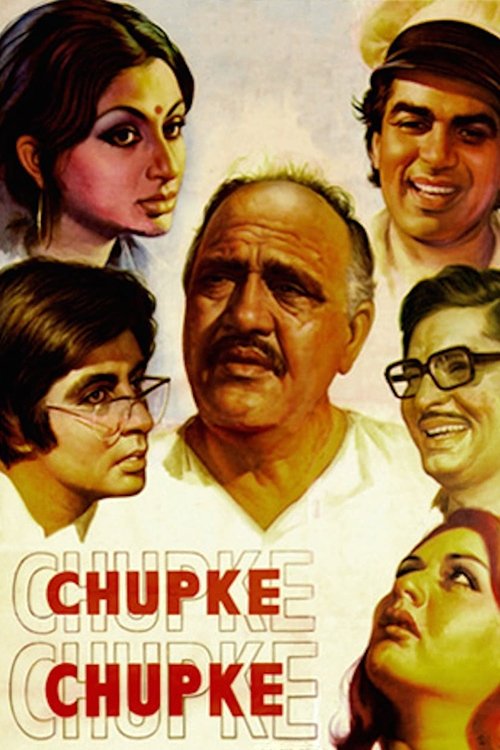
Chupke Chupke1975
Amol Palekar again, this time in a game of elaborate deception between husband and wife. It's witty, affectionate, and proves Palekar's gift for comedy. The film trusts its audience to follow the clever setup.
But The central conceit—a husband hiding his identity from his wife—relies on her not recognising him, which requires a suspension of disbelief that doesn't always hold.
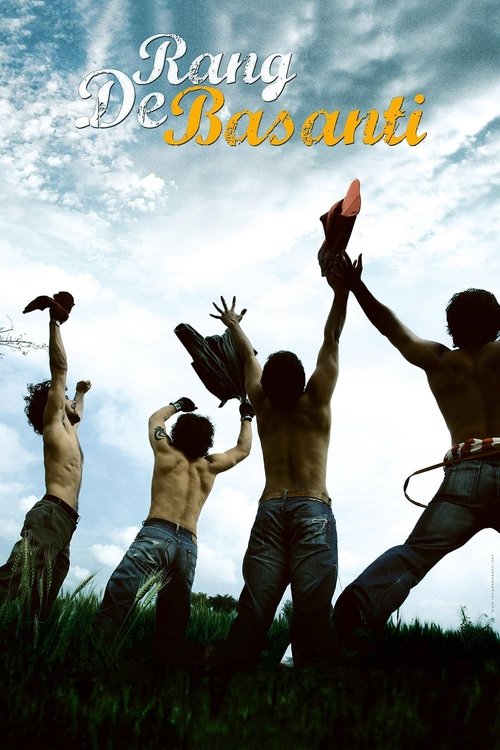
Rang De Basanti2006
A modern ensemble romance that shares Chitchor's faith in young people navigating love with honesty. It's energetic, sincere, and genuinely moving without losing its joy. The cast has real chemistry.
But At three hours, it's considerably longer and the tonal shifts between romance, politics, and action can feel uneven. The second half aims for weightier territory.
Not sure tonight? Get a pick in a minute, starting from Chitchor
The wildcard
Something you would not have found on your own.
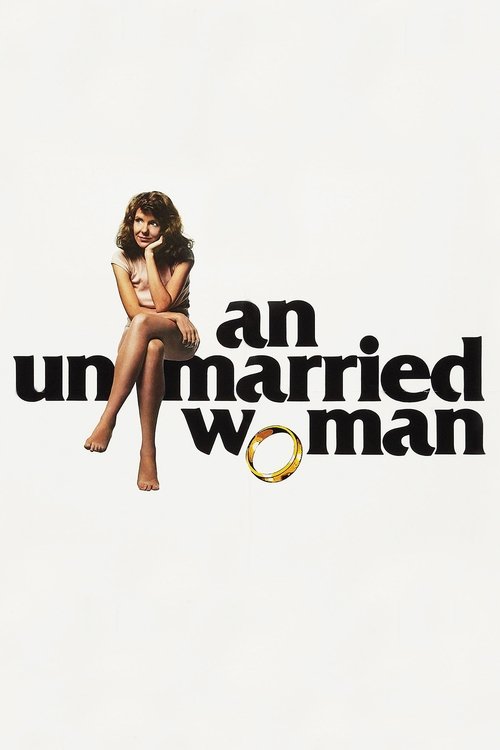
An Unmarried Woman1978
Both films centre a woman's right to choose her own path, even when circumstances conspire against clarity. Both prefer character and feeling to plot mechanics. Both were made in 1976-78, a specific moment when cinema worldwide was experimenting with intimate, character-driven storytelling.
An American film from almost exactly the same moment, about a woman finding her own footing and identity. Like Chitchor, it trusts its audience and finds real comedy in real life. It's about agency and choice, rendered with both humour and tenderness.
But It's deeply American in its sensibility and concerns. The pacing is meditative; plot is minimal. Some viewers find 1970s feminist cinema as a whole either didactic or dated.
More like this (7)
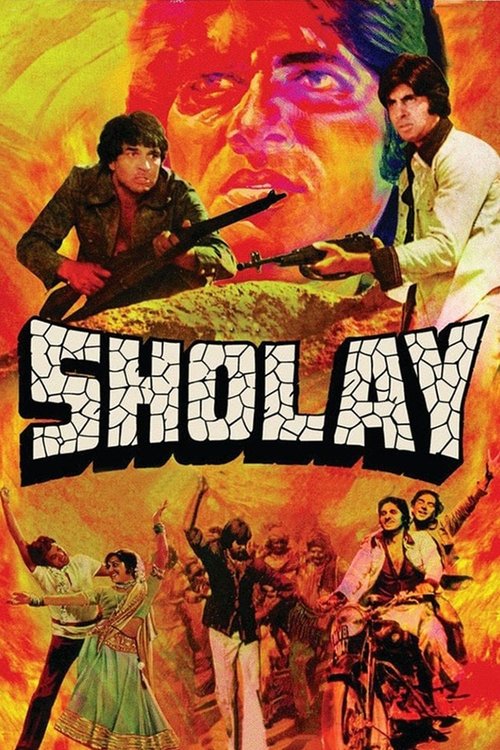
Sholay1975
The defining Hindi film of its era. Immense, entertaining, and structurally innovative. Even if romance isn't your primary interest, the friendships and loyalties are drawn with real depth.
But It's nearly three and a half hours long. The romantic subplots, while fine, aren't the main event, and some may find the tonal mix of action and sentiment dated.
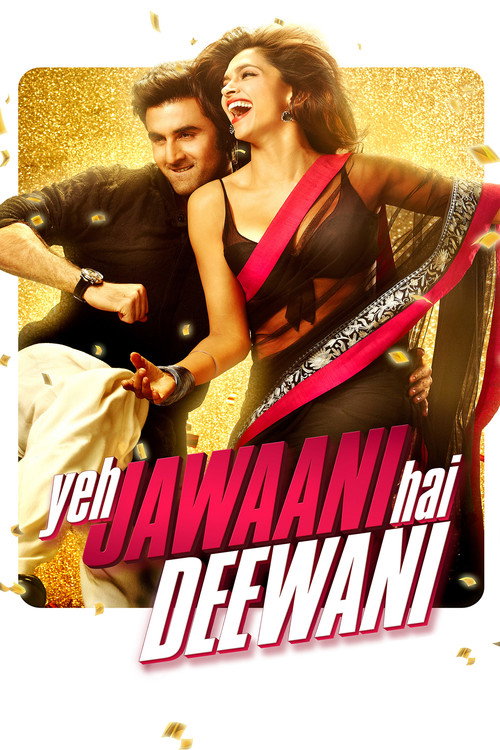
Yeh Jawaani Hai Deewani2013
Another Amol Palekar vehicle from the same era, with a similar blend of romance, comedy, and genuine feeling. It's economical storytelling: tight, engaging, no filler.
But It's less well-preserved than Chitchor and harder to find in good prints. The story is fairly straightforward, which some might find slight.
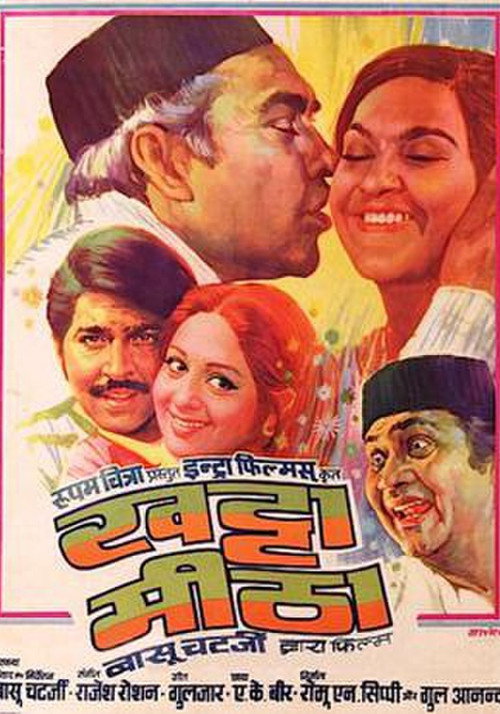
Khatta Meetha1978
Rajesh Khanna in a romantic comedy that balances humour with actual stakes. The film is warm-hearted and the chemistry between leads matters. It has the same gentle intelligence Chitchor carries.
But It's episodic in places and can meander. The comedy depends heavily on you liking the leads, and not everyone connects with Khanna's style.
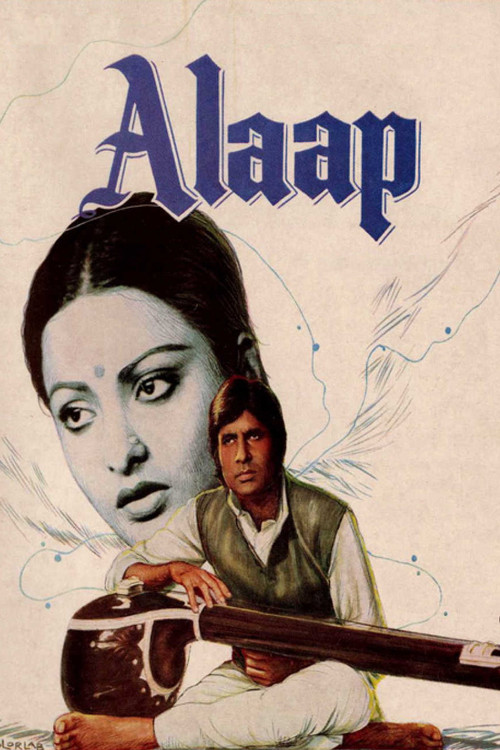
Alaap1977
A quieter romance than Chitchor, but equally felt. It's about two people finding each other through music and circumstance. The film moves at its own pace and rewards patience with genuine emotion.
But The pacing is deliberate to the point of slow. There's little plot momentum; it's entirely about mood and character. Not for anyone wanting narrative propulsion.
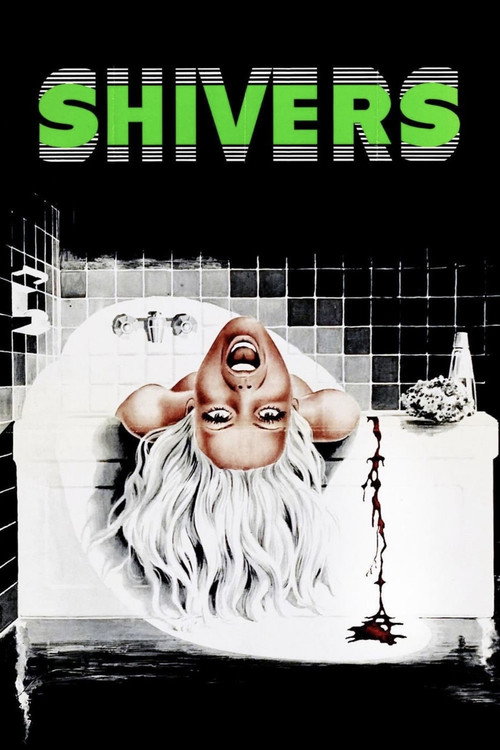
Shivers1975
A lesser-known film from the same productive period, with a light romantic touch and genuine ensemble warmth. Worth discovering for its unpretentious pleasure and period charm.
But It hasn't aged as visibly as stronger films from its era. The plot is slender and it relies entirely on your willingness to spend time with likable people doing not very much.
Cinema Paradiso1988
Both films are love letters to cinema itself and to the way movies let us imagine different versions of our lives. Both believe in sentiment as truth, not weakness. Both are built on the idea that ordinary moments—between two people, in a room, in a town—are cinema's real subject.
An Italian film about memory, love, and the movies themselves. It's sentimental without being mawkish, funny without being flippant. The film earns every emotion it asks of you. It moves between tenderness and genuine weightiness.
But It's longer than it might appear—nearly two and a half hours. The nostalgia is thick enough to feel cloying if you're not in the mood. Some find the ending manipulative rather than earned.

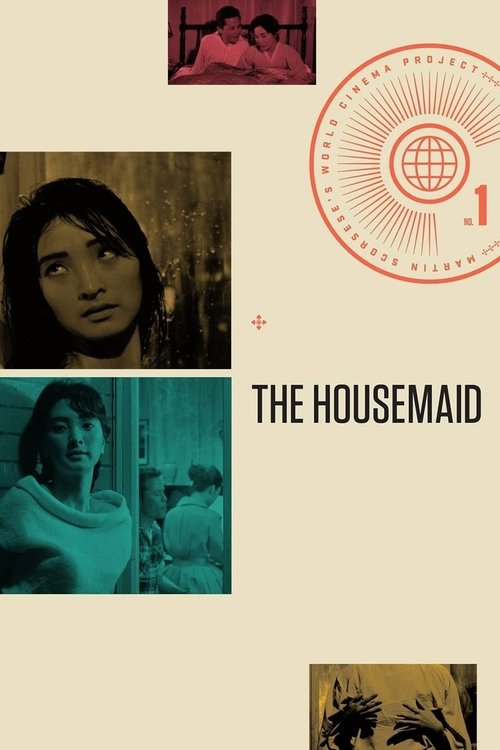
The Housemaid1960
Like Chitchor, it's built on mistaken identity and the fractures that open when people aren't who they claim to be. But where Chitchor finds delight and resolution in confusion, The Housemaid finds dread. Both explore how little we actually know about the people closest to us, but register it completely differently—one as comic possibility, one as existential horror. Same engine, opposite directions.
A Korean film from 1960 where a simple situation—a housemaid joining a family—spirals into psychological complexity and real darkness. It's beautifully made, genuinely unsettling, and shows how genre and tone can shift beneath your feet.
But It's not a comedy or a romance. It's tense and occasionally grotesque. The film is black-and-white and quite formally made; it requires attention. If you're seeking comfort, this is the opposite.
People
Cast
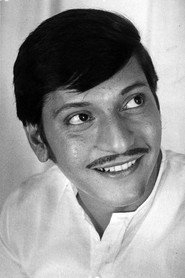 Amol PalekarVinod
 Zarina WahabGeeta
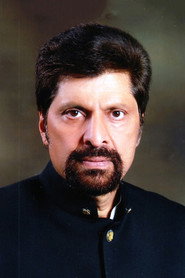 Vijayendra GhatgeSunil
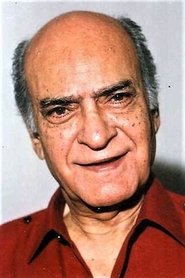 A.K. HangalGeeta's father
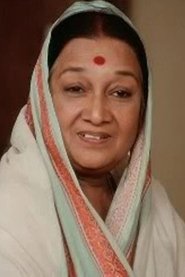 Dina PathakGeeta's mother
- Shail ChaturvediChaubey
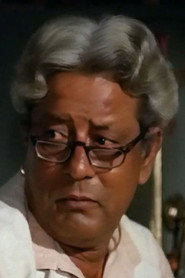 C.S. Dubeypostman
Recommended by
Bawarchi, Anupama, Mujhe Insaaf Chahiye, Jait Re Jait, Phool Aur Patthar, Gharana, Khilona, Baton Baton Mein, Devata, Geet Gaata Chal, Rihaee, Bandhan, Umbartha, Mili, Black Mail, Vijeta, Saath Saath