Film
Rihaee
Rihaee is a 1988 Hindi drama about rural women abandoned by absent husbands who face seduction and moral corruption when a charismatic outsider arrives in their village. It's a serious examination of vulnerability, desire, and survival in economically fractured communities, anchored by powerful performances from Hema Malini and Naseeruddin Shah. For viewers drawn to socially conscious Indian cinema that doesn't look away from uncomfortable truths.
If you liked this
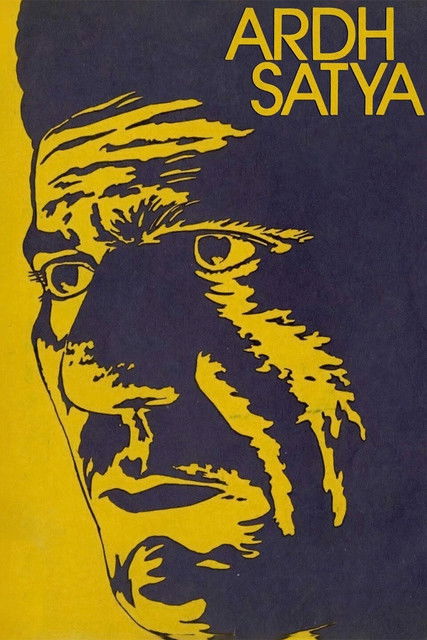
Ardh Satya1983
Naseeruddin Shah in a raw, unflinching portrait of moral compromise in a corrupt system. Like Rihaee, it examines how circumstances force ordinary people into degradation, with unsparing intensity and a lead performance that stays with you.
But The relentless bleakness and Shah's anguished portrayal can be exhausting. There's no reprieve or redemption arc—just the weight of complicity.
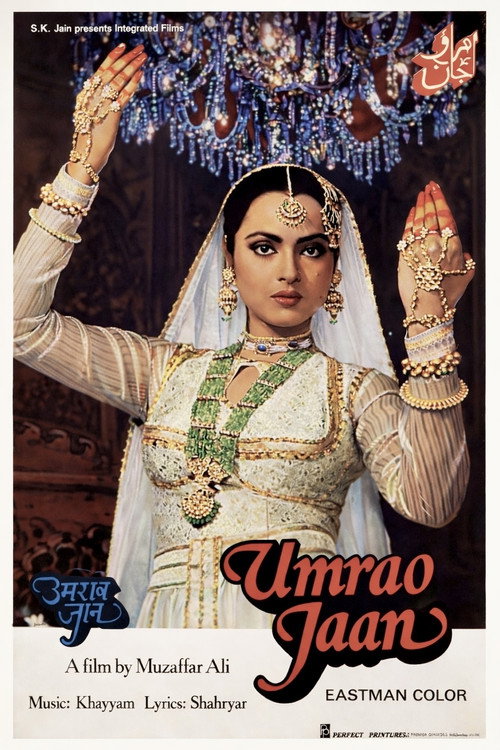
Umrao Jaan1981
Rekha's heartbreaking performance as a courtesan navigates similar terrain: women's agency, economic desperation, and survival in systems designed to exploit them. Visually sumptuous but emotionally devastating.
But The film's nostalgia for courtly culture sits uneasily with its tragic narrative. Some find the romanticism at odds with the material reality being depicted.
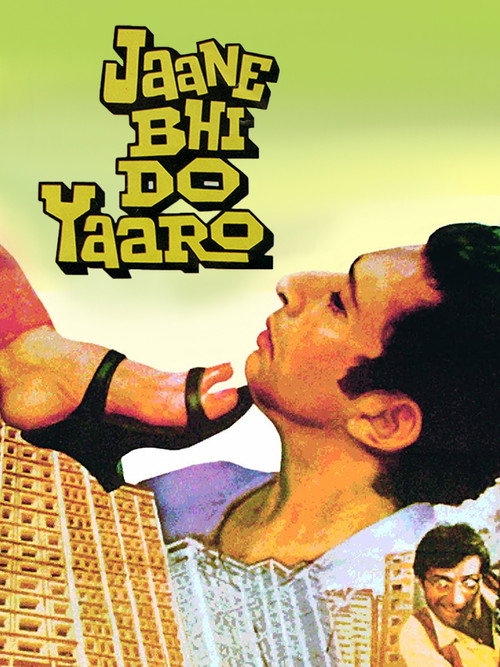
Jaane Bhi Do Yaaro1983
Naseeruddin Shah again, but here in a razor-sharp satire of corruption and moral compromise. The tonal range shows he can explore similar themes of degradation and manipulation through comedy's lens.
But The shift to satire and absurdism might feel tonal whiplash if you're expecting another serious drama. Not for literal-minded viewers.
Not sure tonight? Get a pick in a minute, starting from Rihaee
The wildcard
Something you would not have found on your own.
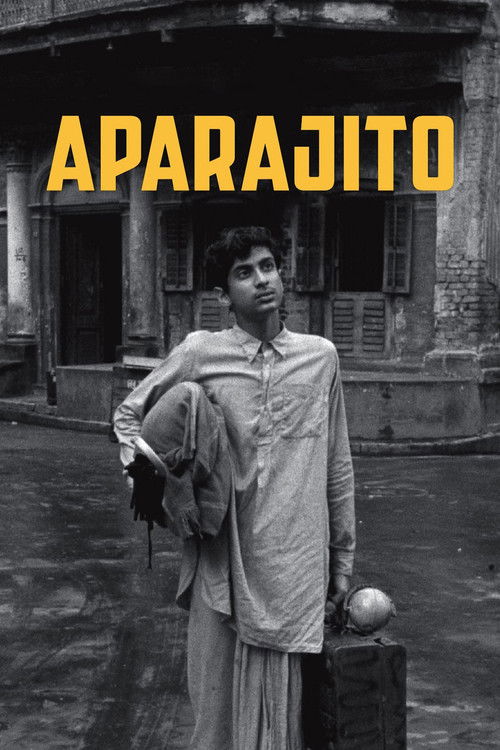
Aparajito1956
Both examine how poverty fractures families and forces moral compromise. Both center on women's quiet suffering as the engine of survival. Ray's neorealism is a spiritual ancestor to the cinema Rihaee emerges from.
Satyajit Ray's second film in the Apu trilogy. A poor family navigates survival, sacrifice, and the erosion of dreams across rural and urban India. Achingly humane, with documentary realism that predates and likely influenced the social cinema of the 1980s.
But Shot in 1950s black-and-white with pacing designed for 1956 viewers. The emotional truths are profound but the film moves at its own rhythm, not yours. Requires surrender.
More like this (5)
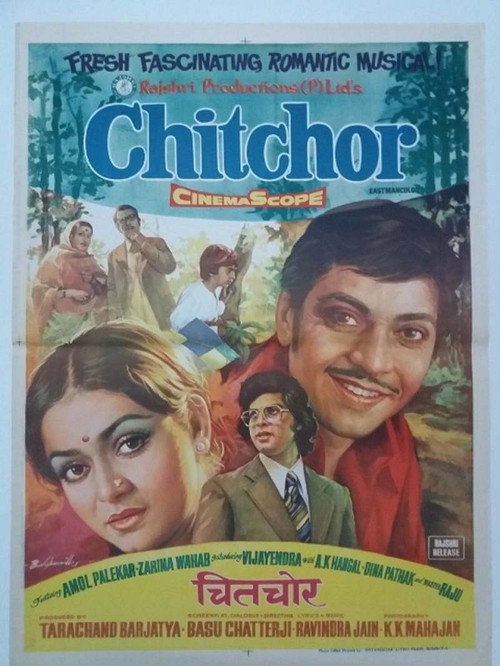
Chitchor1976
An earlier Hema Malini vehicle about transgression and small-town life. Explores infidelity and desire with surprising nuance for its era, and Malini's screen presence anchors the moral questions.
But The 1970s aesthetic and pacing will feel slow to modern viewers. The film sides more with convention than Rihaee does.
The Color Purple1985
Shabana Azmi in a searing portrait of a woman trapped by circumstance and male desire. Shares Rihaee's unflinching examination of how systems of poverty weaponize women's bodies.
But Deliberately difficult and harrowing. Not a film that offers catharsis or comfort, only clarity about injustice.

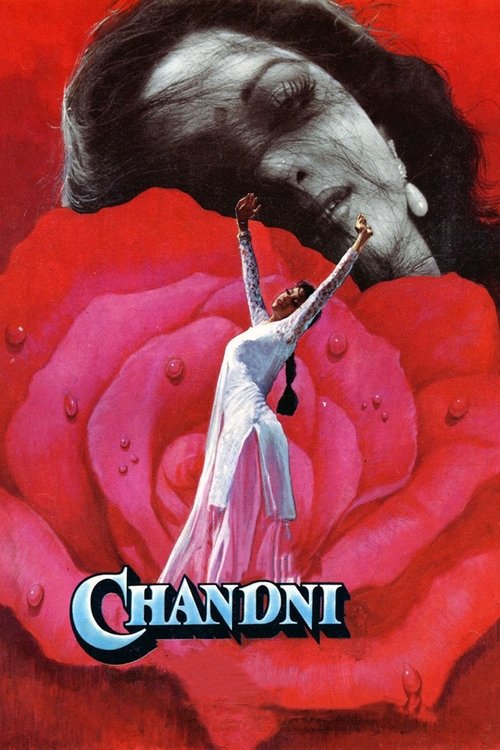
Chandni1989
Sridevi as a woman navigating love, duty, and self-determination. A more mainstream approach to similar themes of female agency, with gorgeous cinematography and a more hopeful arc than Rihaee.
But The romantic melodrama and glossy production might feel evasive after Rihaee's brutal honesty. Some find it regressive despite its surface progressivism.
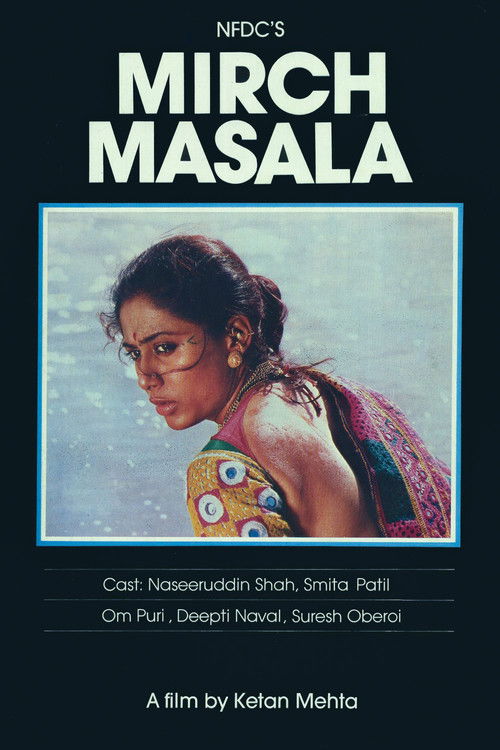
Mirch Masala1987
A village drama where women collectively resist male predation. While more optimistic than Rihaee, it shares the focus on rural female solidarity and the corruption of local power structures.
But The more uplifting resolution might feel at odds with Rihaee's moral ambiguity. Lighter in tone and sometimes melodramatic by comparison.
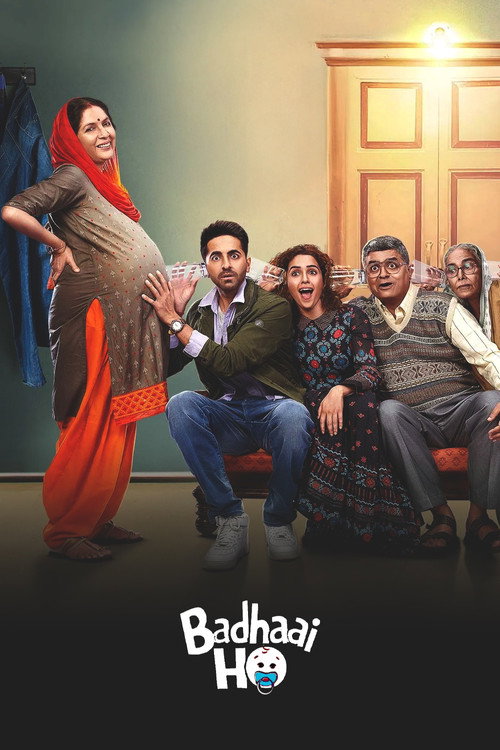
Badhaai Ho2018
Neena Gupta's two roles are separated by thirty years and completely opposite in tone, but both ask: what happens when a woman's sexuality and agency refuse to be contained by social expectation? Where Rihaee is tragedy, this is farce—but both are about breaking the rules.
A comedy about a middle-class Indian family whose mother becomes pregnant, disrupting social propriety. Neena Gupta (who appears in Rihaee) plays a fuller, messier version of female desire and agency. A radically different register for examining similar questions about women, marriage, and autonomy.
But It's a broad comedy, sometimes sitcom-ish, which could feel trivializing if you've just sat with Rihaee's gravity. The lightness might register as evasion of the serious material underneath.
People
Cast
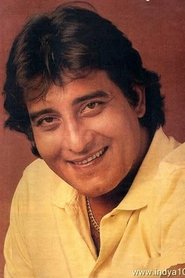 Vinod KhannaAmar
 Hema MaliniTaku
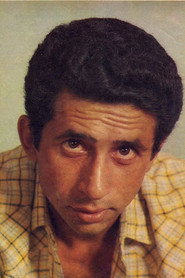 Naseeruddin ShahMansukh
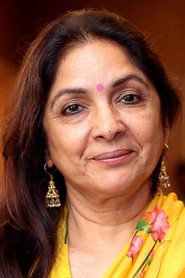 Neena GuptaSukkhi
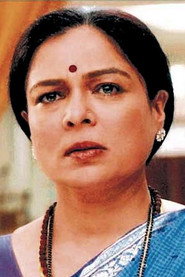 Reema LagooTeekhibai
 Ila ArunJhumku
 Harish PatelSelf - Narrator (voice)