
Film
Mirch Masala
A 1987 Indian drama about rural women in 1940s British India who unite against their village's abusive subedar, sparked by a spice factory guard's unexpected solidarity. Taut and propulsive, grounded in real grievance rather than melodrama. For anyone who loves stories where the powerless find collective courage and discover their own strength.
Should you watch it?
Watch it if you are drawn to slow-building parables where a village's quiet cruelty is shown through small gestures, and where a rebellion grows from ordinary people rather than heroics.
Skip it if you need brisk plotting and a clear hero, since the film lingers on rural daily life and its tone stays heavy and stark for long stretches.
What it asks of you: Expect patience with a deliberate pace that builds its menace in small moments, and close attention to faces and silences more than to dialogue.
Not sure? Find tonight's pick in a minute.
If you liked this
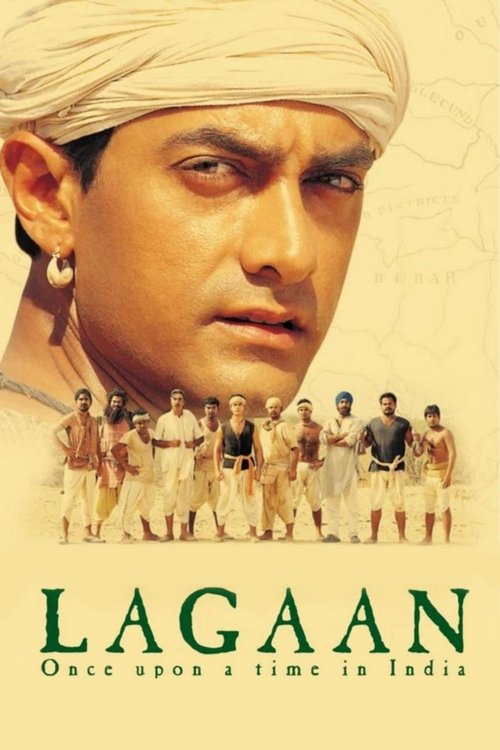
Lagaan: Once Upon a Time in India2001
Epic village drama where ordinary people unite against colonial oppression through cricket. Shares Mirch Masala's faith in collective action and its ability to transform communities from within, with similarly assured filmmaking.
But Three-and-a-half hours, and the cricket sequences demand patience if sport bores you. The romantic subplot can feel like obligation.
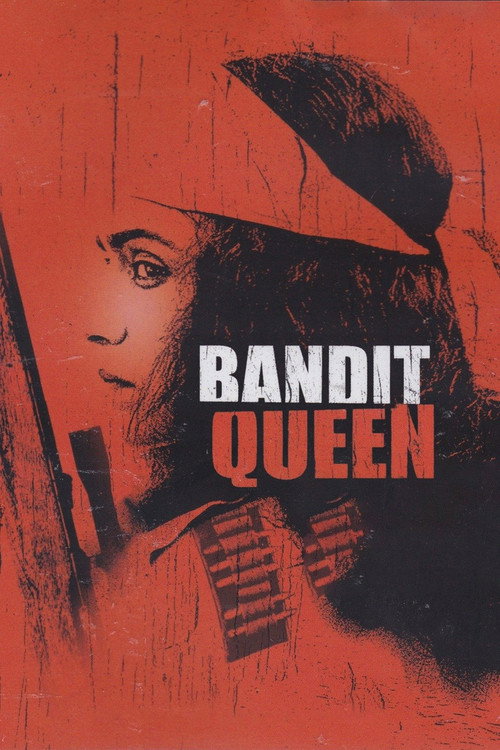
Bandit Queen1994
Raw, unflinching portrait of a woman who fights back against systemic violence and male cruelty. Same era, same India, same unforgettable central performance from an actress refusing to be victimized.
But Graphically depicts sexual violence and assault. Difficult and deliberately harsh in ways that reject comfort or catharsis.
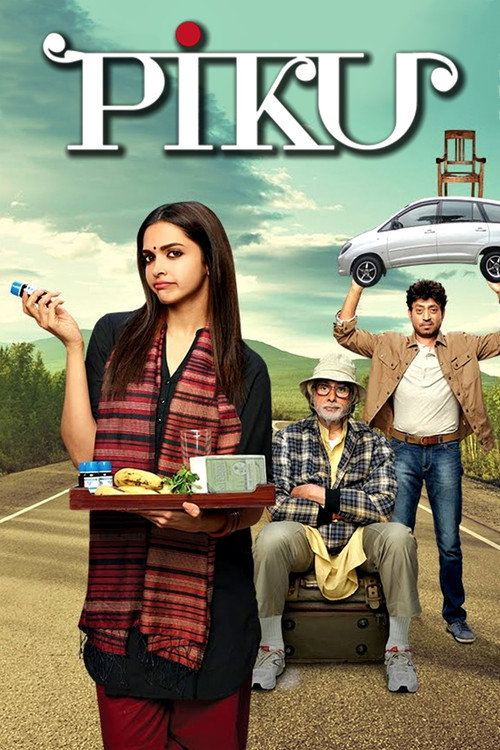
Piku2015
Modern Delhi comedy-drama where a woman navigates family, work, and her own desires without needing permission. Lighter in tone but animated by the same refusal to accept predetermined roles that defines Mirch Masala.
But Very specifically a Delhi film about middle-class anxieties. If you want period drama or rural authenticity, this is contemporary and privileged by comparison.
Not sure tonight? Get a pick in a minute, starting from Mirch Masala
The wildcard
Something you would not have found on your own.
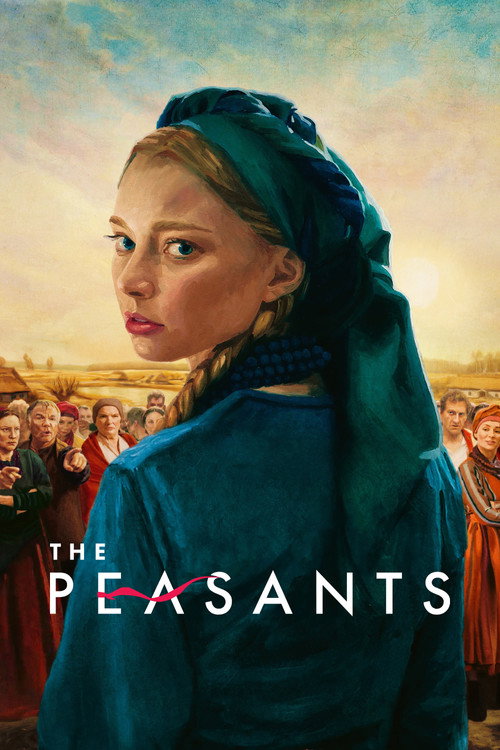
The Peasants2023
Both are period dramas about rural communities where oppression is baked into the social order, and both refuse sentimentality about village life. The animation technique allows Wójcik to hold beauty and cruelty in the frame simultaneously, the way Ketan Mehta's camera does.
Polish animated feature about rural life and grinding poverty in 1920s countryside. Shares Mirch Masala's unflinching gaze on village hierarchy and the violence embedded in tradition, but through a radically different formal language—hand-painted animation that feels like watching a folk painting move.
But Animation can feel like a barrier if you expect realism. Bleak without relief, repetitive in structure, and the folk-art style may feel precious or distancing rather than immersive.
More like this (7)
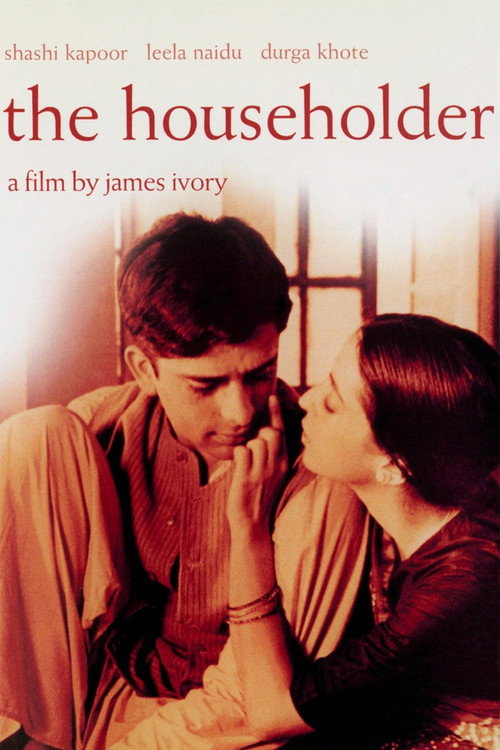
The Householder1963
Merchant-Ivory portrait of village life and marriage in India, focused and intimate. Shares Mirch Masala's attention to texture and the weight of tradition, though far gentler in its examination.
But Deliberately slow and observational. No plot momentum or dramatic climax; it moves at the pace of daily life, which some find tedious.
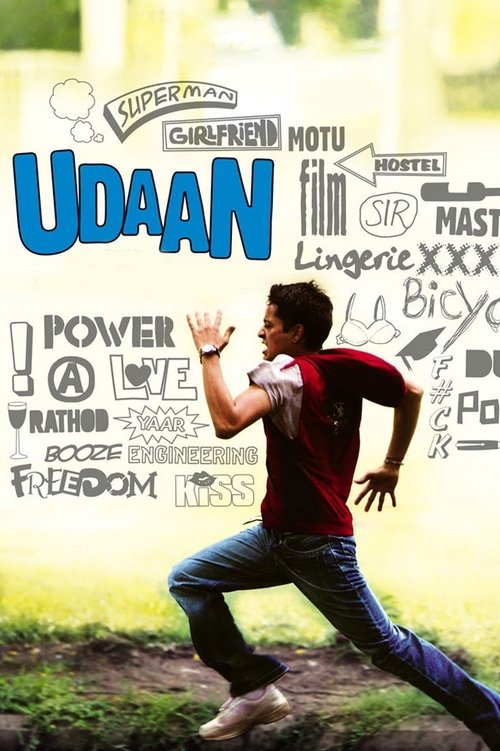
Udaan2010
Modern rebellion against oppressive authority, this time a father instead of a subedar. Beautifully shot coming-of-age drama about the cost of defiance and the necessity of it anyway.
But Primarily a male protagonist's story. Less interested in collective action than in individual escape and the relationships that survive it.
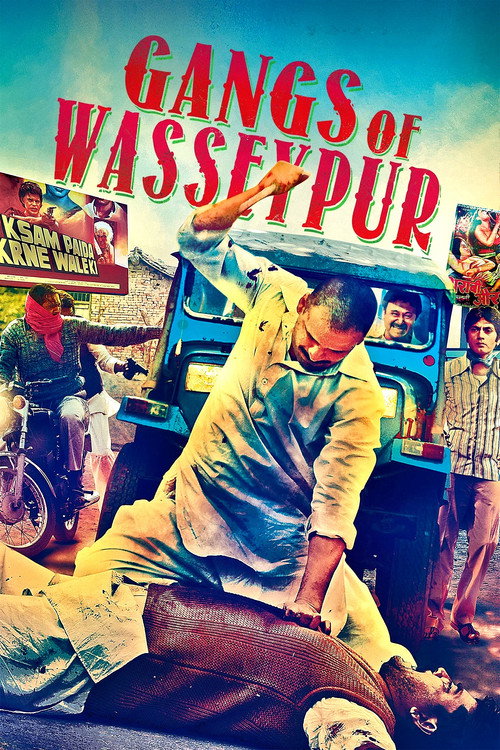
Gangs of Wasseypur - Part 12012
Epic crime saga set in rural India where powerless men seize agency through violence. Mirrors Mirch Masala's portrait of oppression and resistance, though in a far rawer, more savage register.
But Viciously violent and graphically explicit. Three hours across two films, structured non-linearly. Glorifies the violence it depicts in ways Mirch Masala refuses to.
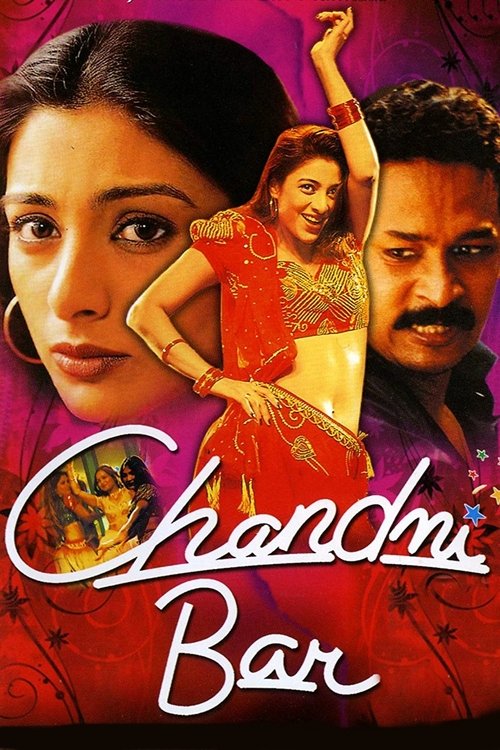
Chandni Bar2001
Unflinching look at a woman who survives exploitation through will and cunning in Bombay's underworld. Same refusal to pity its protagonist, same hard-eyed intelligence about power and survival.
But Sexually explicit and bleak. No redemption offered, no justice delivered. Deliberately brutal in its assessment of women's options in patriarchal systems.
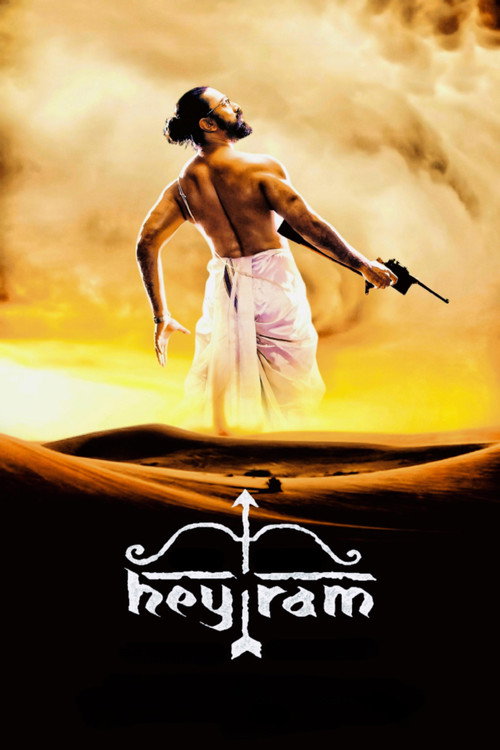
Hey Ram2000
Kamal Haasan vehicle set during Partition, exploring communal violence and masculine codes of honour. Similar historical moment and interest in how individual conscience navigates collective pressure.
But Three hours, dense with philosophical digression. The political argument sometimes overwhelms the human story. Divisive among audiences about its handling of religious violence.
The Man from Earth2007
Both are narratives about power and belief—who gets to claim authority, and how communities enforce it. The subedar maintains control through violence; the professor in this film maintains it through the charisma of revelation. Both examine how we decide who to believe.
A college professor reveals he's a 14,000-year-old man to his colleagues; the entire film is a conversation in a living room. Intellectually ingenious, made for almost no money, powered entirely by dialogue and performance. Feels like a secret discovered in cinema.
But Deliberately confined and talky. Zero action, zero spectacle, shot in real-time. If you need cinematic movement or a plot that travels, this will feel like waiting in an airport lounge.

Memories of Murder2003
Both are about systems of power that protect themselves and the women who become collateral damage. Both locate heroism not in triumph but in the act of bearing witness, in the refusal to accept the official story. Both understand that justice and resolution are not the same thing.
Korean serial-killer procedural set in rural 1980s South Korea. Masterwork about institutional corruption, masculine ego, and how power flows through investigation. Bong Joon-ho at full control—every frame is precise and purposeful, building to one of cinema's greatest final scenes.
But Graphic violence including against women. Three hours of mounting dread rather than satisfaction. The ending refuses closure in ways that can feel punitive if you're seeking catharsis.

People
Cast
 Smita PatilSonbai
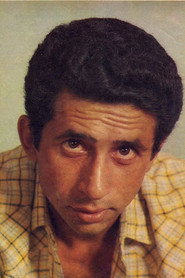 Naseeruddin ShahSubedar
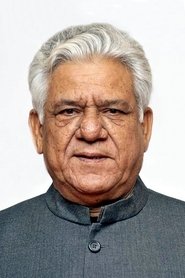 Om PuriChowkidar Abu Miya
 Deepti NavalSaraswati
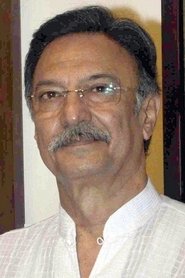 Suresh OberoiMukhi
- Benjamin GilaniMasterji
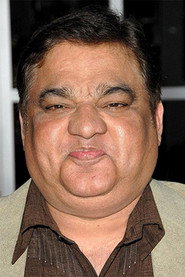 Harish PatelPandit
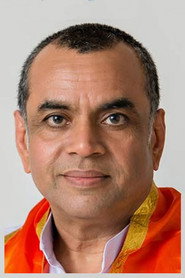 Paresh RawalVillager

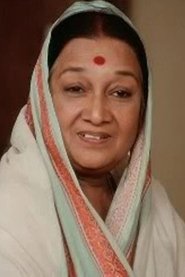 Dina PathakMaanki, factory worker
 Ratna Pathak ShahFactory worker
 Supriya PathakFactory worker
Directing
- Ketan MehtaDirector
Writing
- Ketan MehtaScreenplay
- Chunilal MadiaShort Story