
Film
The Peasants
An animated adaptation of Polish literature's epic peasant novel, rendered in oil-paint textures that make every frame look like a museum piece. It's visually intoxicating but narratively dense—a story of desire, property, and survival in a 19th-century village where women have almost no agency. For patient viewers who want cinema as visual experience.
Should you watch it?
Watch it if you love films where every frame looks painted by hand, and you don't mind a story that moves at the pace of village seasons, where the rough communal life carries the weight.
Skip it if you want slick animation or quick pacing, since its dense village talk, folk customs and long quiet stretches can feel like a lot of waiting.
What it asks of you: Settle in for just under two hours of unhurried scenes, thick dialogue and heavy mood, with the seasons setting the tempo.
Not sure? Find tonight's pick in a minute.
If you liked this
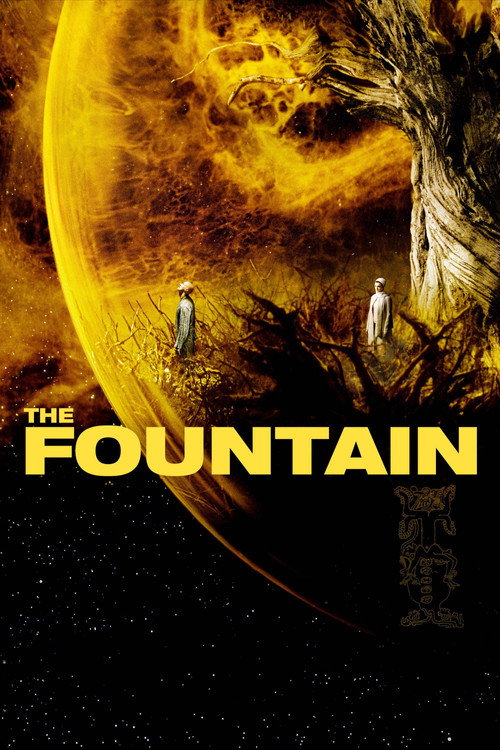
The Fountain2006
Aronofsky's three-timeline meditation on love and loss, told through images that overwhelm language. Like The Peasants, it trusts visual storytelling over exposition and finds cosmic weight in intimate human struggle.
But Deliberately obscure and formally abstract. If you need plot clarity and emotional straightforwardness, this will frustrate you intensely.
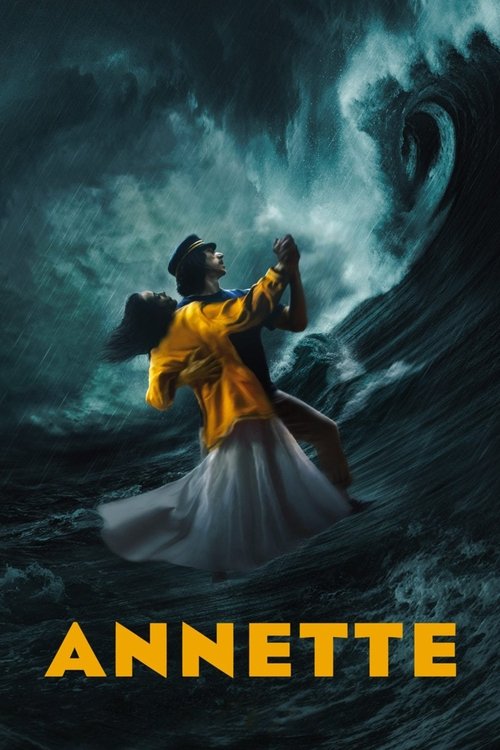
Annette2021
Leos Carax's operatic romance, gorgeously artificial, where domestic passion becomes a kind of theatre. Shares the layered visual texture and willingness to be strange that The Peasants brings to every frame.
But Musical mode, experimental structure, and Adam Driver's singing voice divide audiences sharply. Some find it visionary; others find it insufferable.
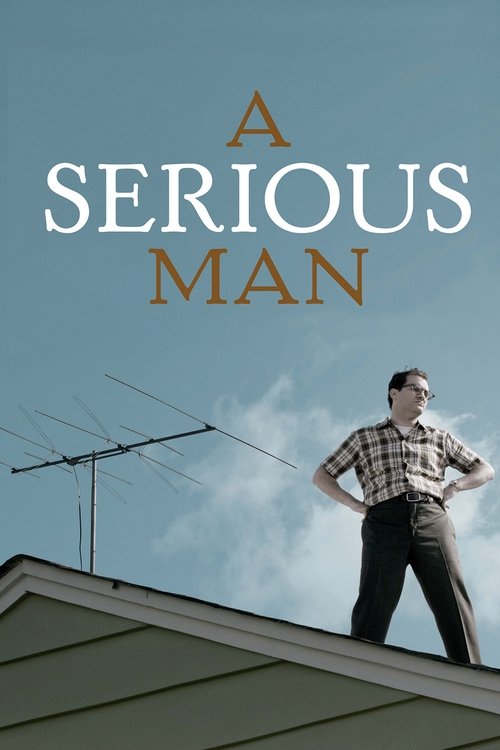
A Serious Man2009
The Coen Brothers embed a man in a community where the rules are incomprehensible and stacked against him. Like Jagna, the protagonist battles forces—cosmic and social—mostly beyond his control, rendered with dark comedy.
But The tone is deliberately alienating and bleak. There's no catharsis, and the ending will feel incomplete if you're looking for resolution.
Not sure tonight? Get a pick in a minute, starting from The Peasants
The wildcard
Something you would not have found on your own.
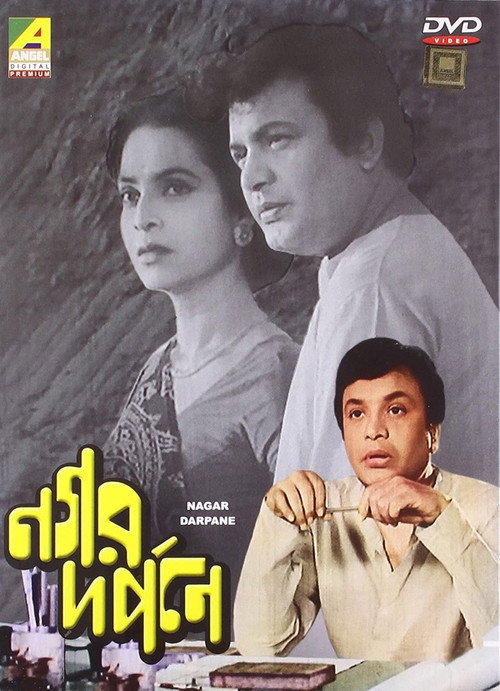
In the Mirror of the City1975
Both films prioritise visual language over narrative clarity, constructing meaning through accumulated atmosphere and frame composition rather than plot or dialogue. Both ask you to feel rather than follow.
Tarkovsky's most radical work—a collage of memory, history, and image that dissolves linear narrative entirely. Like The Peasants, it renders interior experience through texture and refuses to explain itself. Cinema as visual music.
But No conventional plot, no clear story logic. If you watch this expecting comprehension, you will leave frustrated. It demands surrender to image over meaning.
More like this (6)
In the Mood for Love2000
Wong Kar-wai's exquisite study of desire constrained by social convention, told almost entirely through colour and composition rather than dialogue. Visual storytelling at its most sumptuous.
But Minimal plot. The film moves at a dreamlike pace with long stretches of near-silence. Patience is non-negotiable.

Stalker1979
Tarkovsky's philosophical sci-fi moves slowly through landscape and psychology, trusting the audience to find meaning in atmosphere and stillness. A masterclass in image-based narrative.
But Three hours of meditative pacing with minimal plot. Demands active engagement; passive watching will feel like nothing happens.

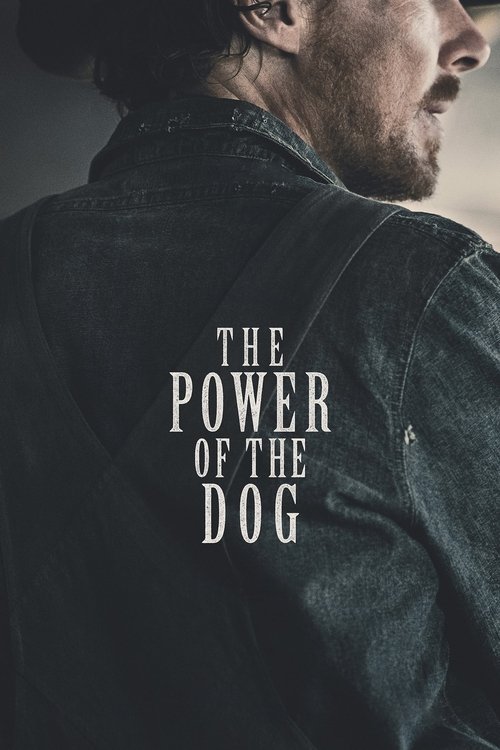
The Power of the Dog2021
Jane Campion's Western interrogates masculinity, desire, and cruelty within a tight community. Visually precise and psychologically intricate, built on what's unsaid rather than stated.
But The narrative unfolds through hints and subtext. If you prefer direct storytelling, the obliqueness will feel withholding.
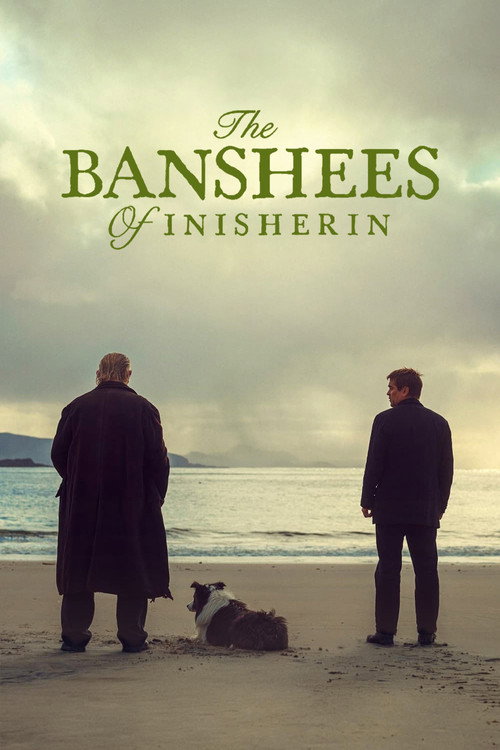
The Banshees of Inisherin2022
McDonagh's intimate tragedy of two men unravelling on a small island, exploring friendship, betrayal, and the cruelty of small communities. Dialogue-driven but emotionally devastating.
But Deeply pessimistic and aimless in ways some find self-indulgent. The dark comedy won't land if you need a point.
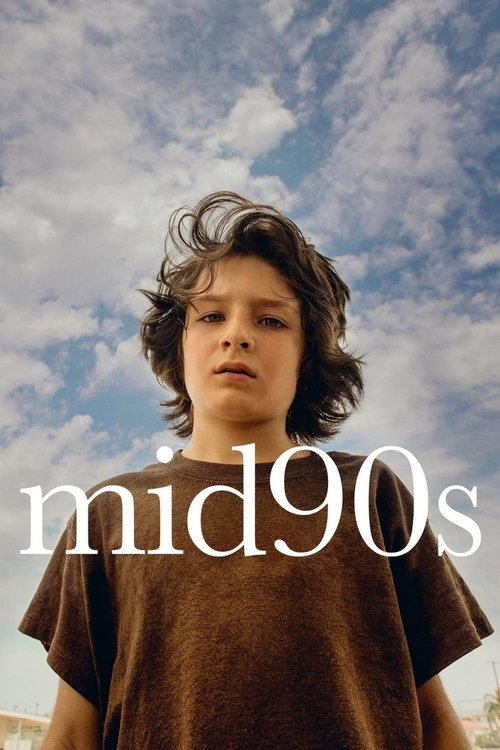
mid90s2018
Jonah Hill's directorial debut captures the texture of a specific time and place through visual observation rather than plot momentum. A coming-of-age film that feels genuinely lived-in.
But Plotless, rambling, and shot on DV video. The aesthetic is deliberately anti-polished, and the narrative meanders without clear direction.
A Prophet2009
Both centre a young person—powerless by law or gender—maneuvering within systems designed to exploit them. Both reject melodrama for cold-eyed observation of how societies actually crush individuals.
Jacques Audiard's prison drama about a young man learning to survive and strategise within rigid systems. Like Jagna, the protagonist must navigate predatory social structures through intelligence and compromise, rendered with unflinching precision.
But French-language, lengthy, and deeply interior. The pacing is deliberate, the violence graphic, and the emotional register unrelentingly bleak. No spectacle, just survival.

People
Cast
 Kamila UrzędowskaJagna Paczesiówna
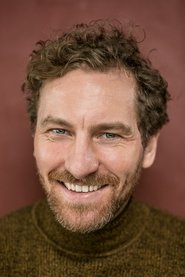 Robert GulaczykAntek Boryna
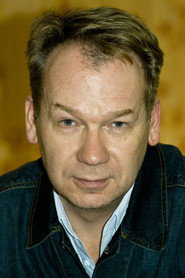 Mirosław BakaMaciej Boryna
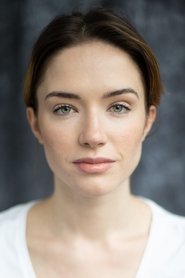 Sonia MietielicaHanka Borynowa
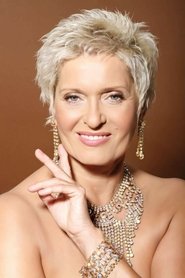 Ewa KasprzykMarcjanna 'Dominikowa' Pacześ
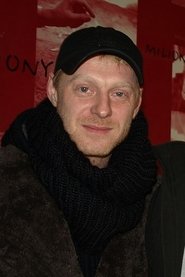 Cezary ŁukaszewiczBlacksmith Michał
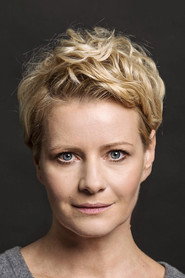 Małgorzata KożuchowskaOrganist's Wife
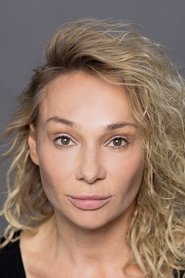 Sonia BohosiewiczMayor's Wife
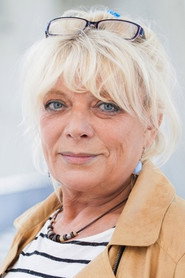 Dorota StalińskaJagustynka
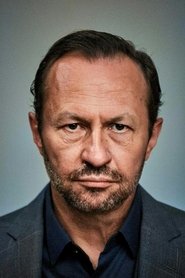 Andrzej KonopkaMayor Piotr
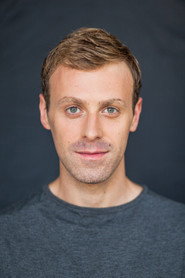 Mateusz RusinMateusz
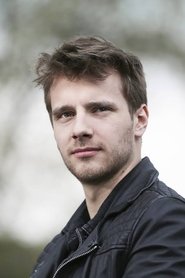 Maciej MusiałJasio
Directing
- DK WelchmanDirector
- Hugh WelchmanDirector
- Ewa BrodzkaFirst Assistant Director
- Mateusz KordylFirst Assistant Director
- Paulina LipkaFirst Assistant Director
- Wiktor MentlewiczFirst Assistant Director
- Dagmara FoltynSecond Assistant Director
- Jan JałoszyńskiSecond Assistant Director
- Julian TałandziewiczSecond Assistant Director
- Kacper KowalskiSecond Assistant Director
- Karolina DurakSecond Assistant Director
- Laura MielczarekSecond Assistant Director
- Miłosz SawickiSecond Assistant Director
- Monika Folkierska-ŻukowskaSecond Assistant Director
Writing
- Władysław ReymontNovel
- DK WelchmanScreenplay
- Hugh WelchmanScreenplay
- Paweł MossakowskiScript Consultant
- Kacper LipińskiStoryboard
Production
- Paul BragielAssociate Producer
- Ewa BrodzkaCasting
- Agnė AdomėnėCo-Producer
- Ivan PribićevićCo-Producer
- Jelena AngelovskiCo-Producer
- Adam GudellExecutive Producer
- DK WelchmanExecutive Producer
- Kyle StroudExecutive Producer
- Laurie UbbenExecutive Producer
- Paul BragielExecutive Producer
- Robert KijakExecutive Producer
- Sita SavioloExecutive Producer
- Steve MuenchExecutive Producer
- Tom OgdenExecutive Producer
- Tomasz WochniakLine Producer
- Hugh WelchmanProducer
- Sean M. BobbittProducer