
Film
Bawarchi
A shrewd servant transforms a fractious household through food and charm in this 1972 Hindi gem. It moves between comedy and something deeper—a story about class, belonging, and whether a stranger can heal family rifts. Warm, funny, surprisingly moving. For anyone who loves character-driven films where the plot matters less than watching people change.
Should you watch it?
Watch it if you love a warm, bustling household comedy where a single gentle outsider slowly untangles a quarrelsome family, and you enjoy the small domestic details more than any plot twist.
Skip it if you want brisk pacing or sharp edges, since this one unfolds at a leisurely, sentimental clip and leans on its goodwill rather than surprise.
What it asks of you: Roughly two hours of patience with a gentle, chatty rhythm, settling in with a large cast and letting the mood warm up over time rather than building to any jolt.
Not sure? Find tonight's pick in a minute.
If you liked this
Guide1965
Rajesh Khanna's co-star here, Dev Anand, anchors a film about deception and redemption that shares Bawarchi's interest in transformation through human connection. Gorgeous 1960s cinema with a similar moral complexity.
But The pacing is deliberate and the emotional register shifts unexpectedly, which can feel like tonal whiplash if you're expecting straightforward drama.

Hera Pheri1976
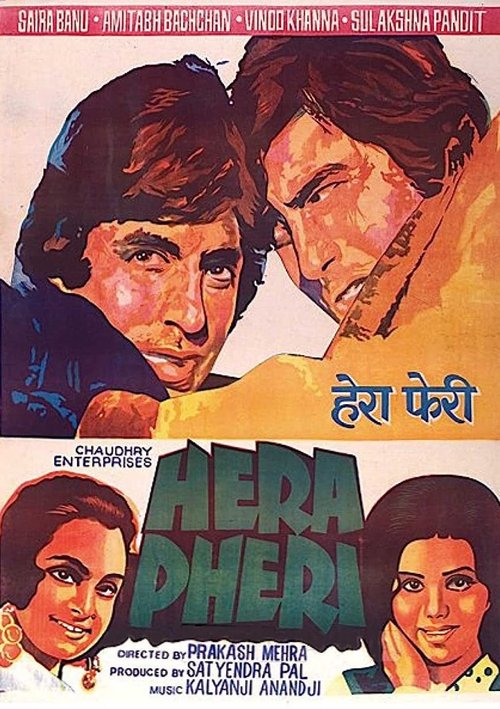
Rajesh Khanna again, in a con-artist comedy that has the same DNA: a charming outsider, a household in flux, secrets and reversals. Lighter than Bawarchi but equally clever about human nature.
But The resolution feels rushed and the stakes aren't as high, so it lands as slighter entertainment rather than something that lingers.
Sholay1975
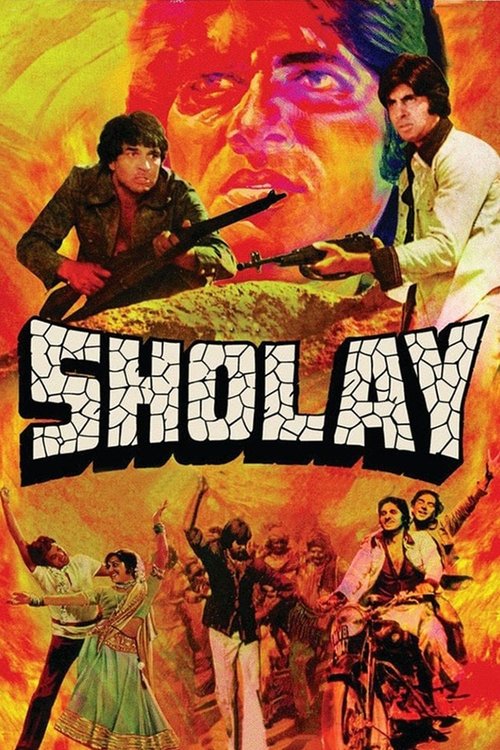
The era's greatest Hindi film, with ensemble warmth and that same ability to blend tones—thrilling action, genuine comedy, real emotional weight. Jaya Bachchan is in this too, and the film understands character in the way Bawarchi does.
But It's a Western-influenced action film, so if you want kitchen-sink intimacy, you won't find it. The scale is deliberately epic.
Not sure tonight? Get a pick in a minute, starting from Bawarchi
The wildcard
Something you would not have found on your own.
The Servant1963
Both films use a servant's arrival as a narrative device for examining power, class, and the possibility of transformation—but one is about healing and one about corruption.
A British psychological thriller where a new servant methodically destabilizes an employer's household—the premise inverted and darkened. It asks the same question Bawarchi does (can an outsider transform a home?) but from the opposite moral direction, with menace instead of grace.
But It's claustrophobic, slow-burn, and deliberately uncomfortable. There are no laughs and the ambiguity about what's really happening never fully resolves.

More like this (6)
Anand1971
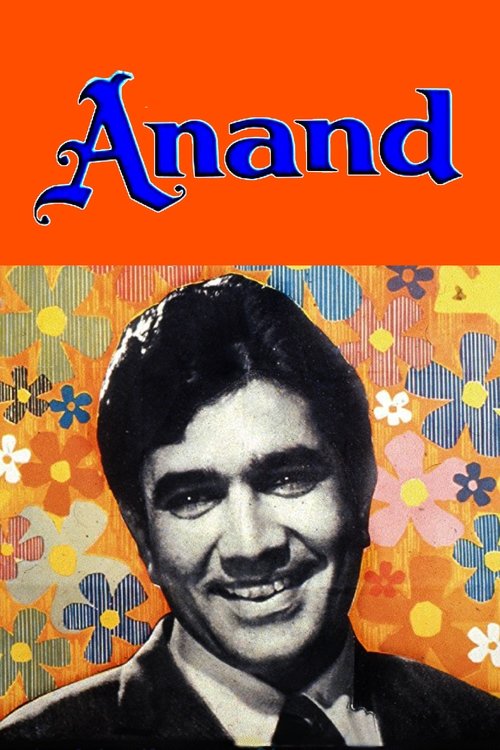
Rajesh Khanna's most famous role, a dying man who befriends a cynical doctor. Like Bawarchi, it's fundamentally about two people changing each other, and it has genuine feeling beneath the melodrama. A cultural touchstone for good reason.
But The sentimentality is very much of its era, and if you find the heightened emotion of 1970s Hindi cinema exhausting, this will test your patience.
Chitchor1976
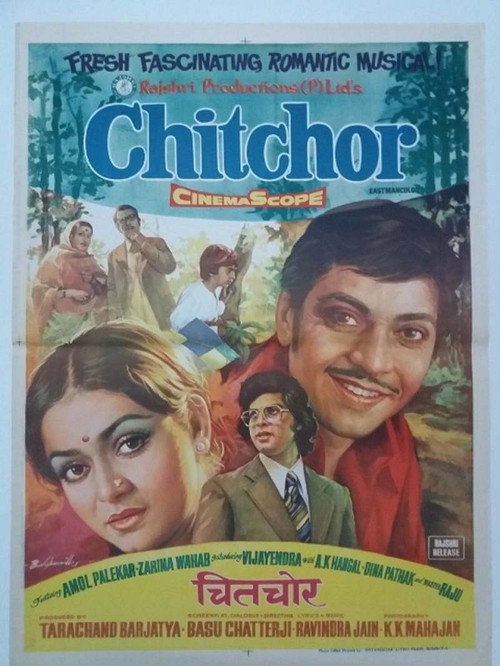
A clever comedy-thriller with a similar structure—secrets in a household, a mysterious newcomer, reversals that reframe everything. Also Rajesh Khanna, also deeply satisfying in its trickery.
But It's more concerned with plot mechanics than character, so it lacks the warmth that makes Bawarchi special.
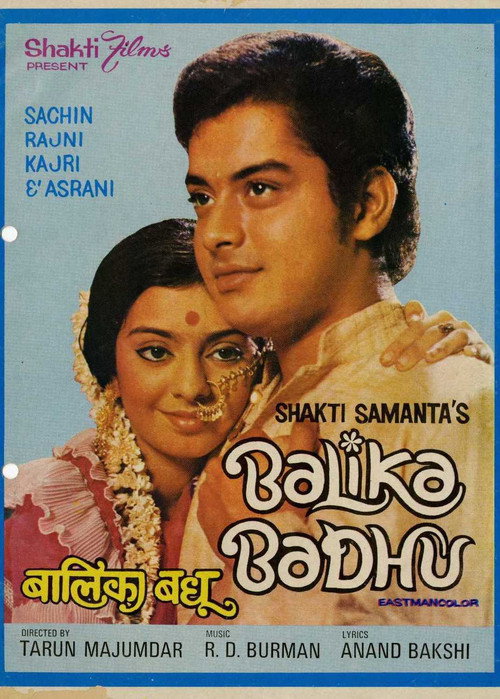
Balika Badhu1976
Also directed by Hrishikesh Mukherjee (like Bawarchi), and it has the same observational warmth about everyday life and how people relate. A gentler film, but from the same sensibility.
But It's primarily a domestic melodrama, so there's less plot intrigue than Bawarchi offers. The appeal is in watching people navigate feeling, not mystery.
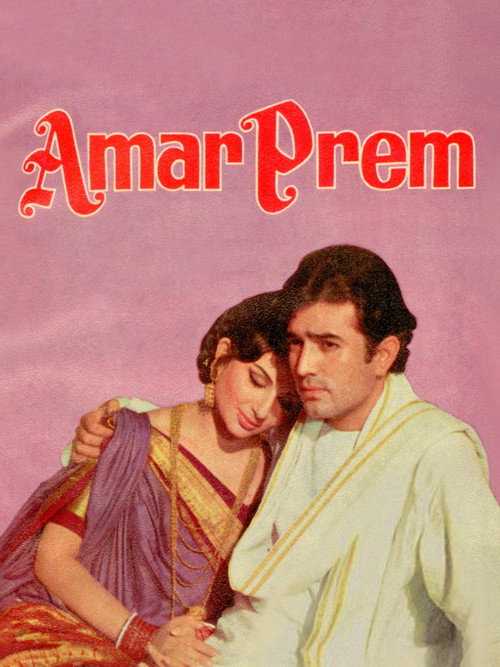
Amar Prem1972
Rajesh Khanna and Sharmila Tagore in a film about class barriers and secret devotion. Made the same year as Bawarchi, equally invested in transformation and the possibility of connection across social divides.
But It's a romance, and the central tragedy doesn't resolve in a way that everyone finds satisfying. The ending is melancholy.
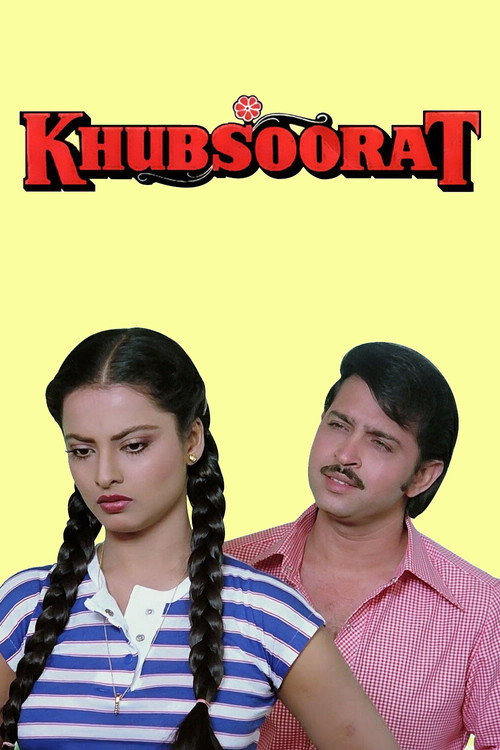
Khubsoorat1980
Later Rajesh Khanna, playing a man brought into a household to teach music and instead disrupting everything. The same premise as Bawarchi refracted through a romantic lens, with genuine charm.
But It's fluffier and less interested in moral questions, so it feels slight after Bawarchi's depth. The plot is mostly an excuse for songs.
Tampopo1985
Both films make cooking the emotional and structural center—not just logistics, but a language for how people care for each other and belong.
A Japanese film where food is literally the gateway to human connection and community. Absurdist, inventive, wildly different in tone, but it shares Bawarchi's belief that cooking and eating are acts of intimacy and social repair.
But It's deliberately silly and experimental, with a fragmented structure that abandons plot for mood. If you want narrative coherence, this will frustrate you.

People
Cast
 Rajesh KhannaRaghu
 Jaya BachchanKrishna
 Usha KiranShobha
 Harindranath ChattopadhyayShivnath
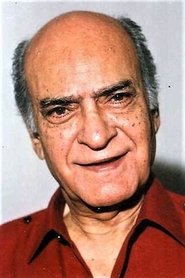 A.K. HangalRamnath
 Durga KhoteSeeta
 AsraniBabbu
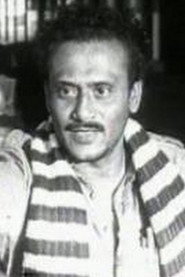 Kali BannerjeeKashi
 Kanwarjeet PaintalGuruji
- Seema KapoorDancer #2
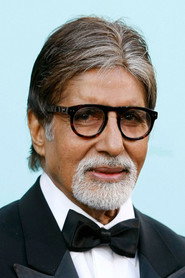 Amitabh BachchanNarrator (uncredited)
Directing
- Hrishikesh MukherjeeDirector
Writing
- Hrishikesh MukherjeeWriter
- Tapan SinhaWriter
Production
- Romu N. SippyAssociate Producer
- Hrishikesh MukherjeeProducer
- N.C. SippyProducer