
Film
Amar Prem
- Social drama
- Very dark
A 1972 Hindi melodrama about a village woman forced into sex work in Kolkata who develops quietly transformative bonds with a wealthy client and a neglected neighbourhood boy. It's lush, emotional, and unafraid of moral complexity—Sharmila Tagore and Rajesh Khanna navigate impossible circumstances with grace. For anyone who loves cinema that treats its characters with dignity rather than judgment.
Should you watch it?
Watch it if you are drawn to romance built from restraint, where a shared glance or unspoken loyalty carries more weight than declarations, and you don't mind a story that wears its heart openly on its sleeve.
Skip it if you want a tight, brisk plot, since this takes its time and leans into sentiment and sorrow that some viewers will find heavy-handed for a film of its length.
What it asks of you: Settle in for nearly two and a half hours of unhurried scenes, with long stretches of quiet looking before emotion breaks through; it is patient rather than propulsive.
Not sure? Find tonight's pick in a minute.
If you liked this
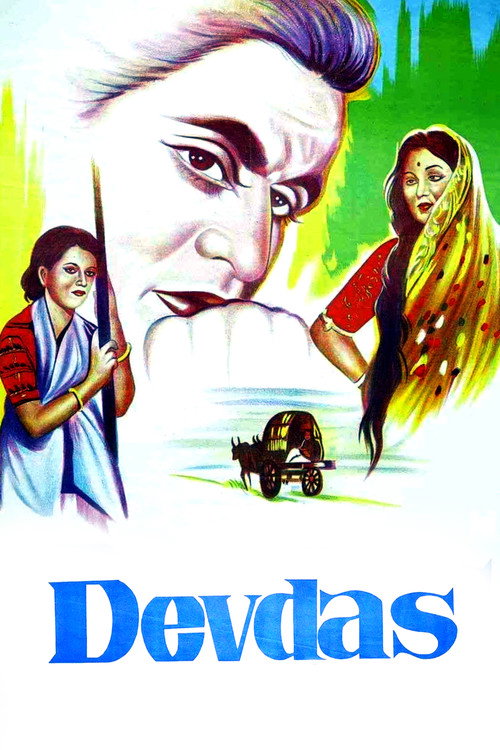
Devdas1955
Bimal Roy's definitive version of Sarat Chandra Chatterjee's tragic novel. A man destroys himself over love while a courtesan loves him in silence. Shot in Technicolor, emotionally devastating, and the emotional DNA of Hindi melodrama at its finest.
But Nearly three and a half hours long, and the fatalism can feel claustrophobic. Some of the supporting performances veer into broad theatricality.
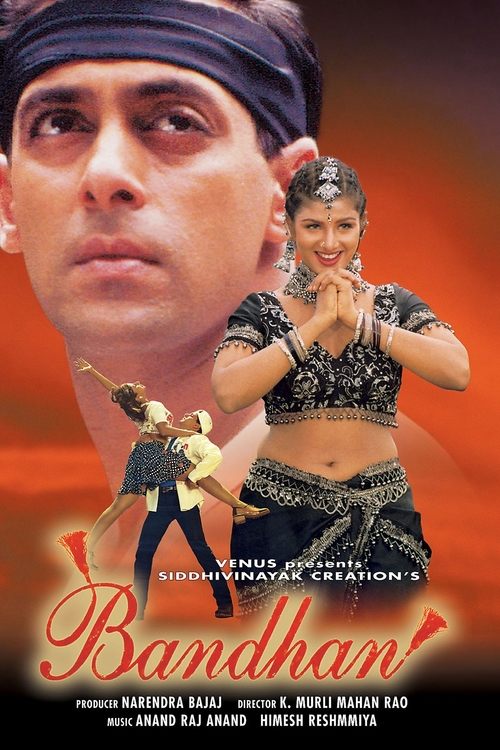
Bandhan1998
A woman returns to her village after years in the city and must rebuild her life among people who never forgot her past. It shares Amar Prem's interest in female resilience and the cost of respectability in small-town India.
But Released direct-to-video, so it's harder to track down. The pacing in the second half drags considerably.
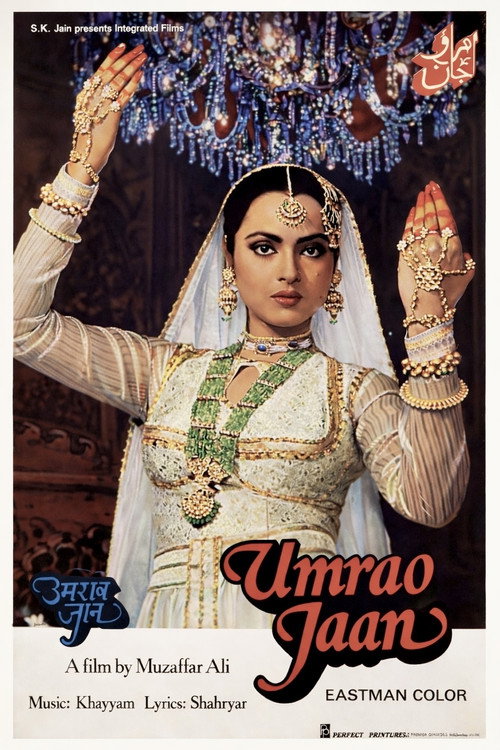
Umrao Jaan1981
Muzaffar Ali's sumptuous adaptation of Mirza Hadi Ruswa's novel. A courtesan in 19th-century Lucknow narrates her own life with intelligence and longing. Every frame looks like a Mughal miniature. Rekha is extraordinary.
But Slow-burn and gorgeously digressive. If you want plot mechanics, this will test your patience. The music, while beautiful, halts narrative momentum.
Not sure tonight? Get a pick in a minute, starting from Amar Prem
The wildcard
Something you would not have found on your own.
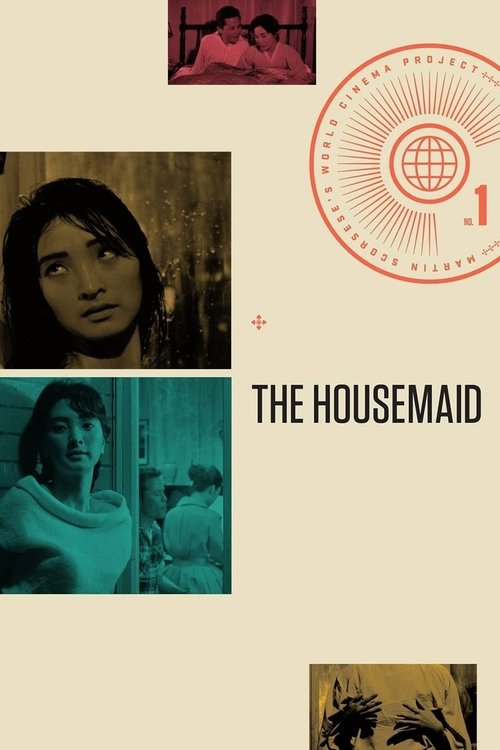
The Housemaid1960
Both films use class and proximity as engines for moral corruption; both centre a woman whose interiority matters more than the men's judgments of her.
A Korean film about a woman hired to work in a wealthy household who becomes entangled in its secrets and desires. Like Amar Prem, it's interested in class, desire, and the way proximity to wealth corrodes morality. But it's a psychological thriller rather than melodrama—unsettling and audacious where Amar Prem is lush.
But The tone is deliberately icy rather than emotional. It has no interest in making anyone likeable. Extremely twisted ending that some find nihilistic.
More like this (6)
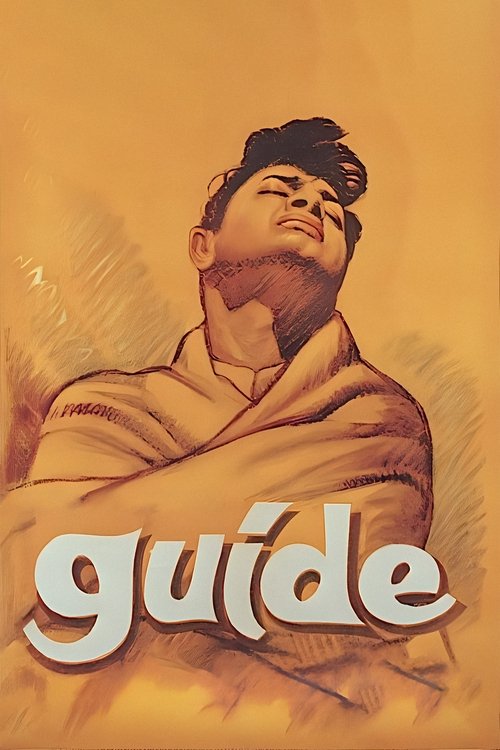
Guide1965
Dev Anand as a con man who becomes a spiritual guide; Waheeda Rehman as a married woman caught between duty and desire. Vijay Anand's direction is elegant, and the film trusts its audience to sit with moral ambiguity.
But The spiritual pretension in the final act can feel like a dodge after all that moral complexity. Some plot convolutions feel forced.
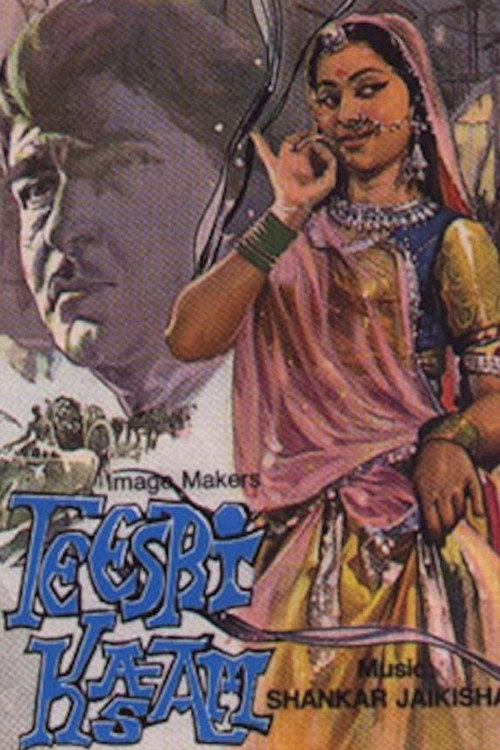
Teesri Kasam1966
Raj Kapoor and Waheeda Rehman in a deceptively simple story about a bullock-cart driver and a courtesan-turned-dancer. Basu Bhattacharya's direction is tender and wise about class and kindness. The music is transcendent.
But The rural setting might feel slow to viewers raised on faster editing. Some of the gender politics, though progressive for 1966, don't hold up perfectly.
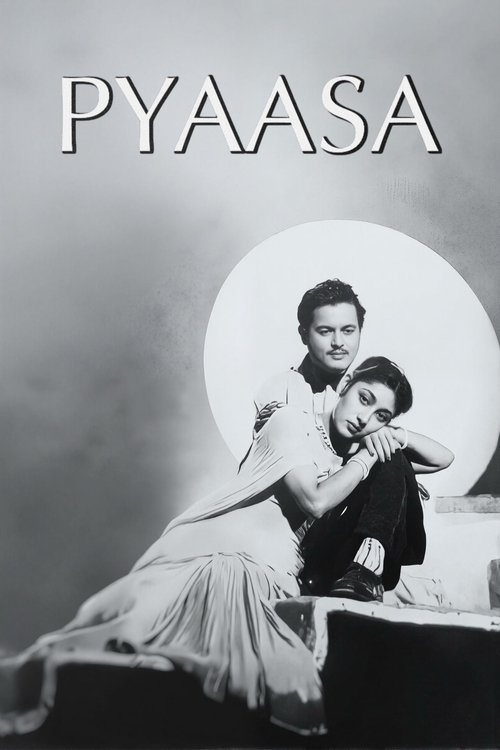
Pyaasa1957
Guru Dutt's masterpiece about a poet destroyed by a world that doesn't deserve his work. Waheeda Rehman plays a sex worker with more humanity than the 'respectable' people around her. Visually gorgeous, morally uncompromising.
But The cynicism is profound to the point of bleakness. If you're already having a rough week, this will not help. Very long for a 1950s film.
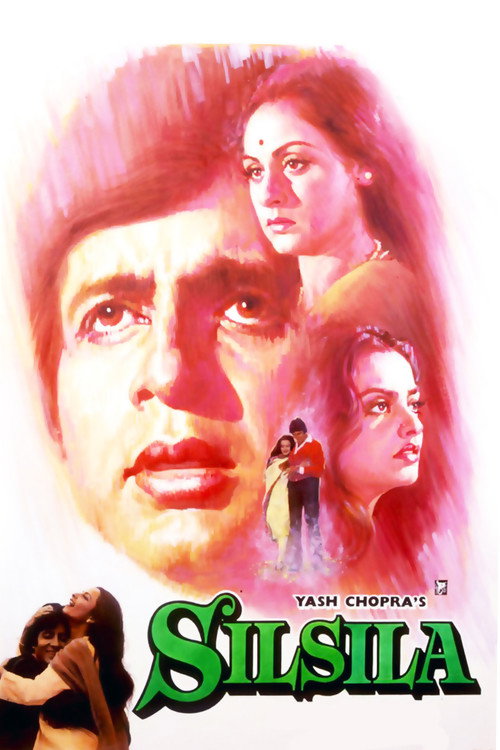
Silsila1981
Yash Chopra's big romantic drama about forbidden love and the tension between desire and duty. Amitabh Bachchan and Jaya Bachchan opposite Rekha. Gorgeously shot, emotionally messy in the best way.
But By the end, the film seems unsure what it thinks about its own characters' choices. Some musical numbers feel padded. The resolution is a bit of a cop-out.
Ikiru1952
Both films argue that love and dignity don't require marriage or social approval—that the depth of a connection matters infinitely more than its respectability.
Kurosawa's masterpiece about a dying man searching for meaning in a life of routine and small kindnesses. It shares Amar Prem's belief that human connection transcends social position, and that the people society discards often have the most to teach us. Devastatingly moving.
But Japanese, in black and white, over two and a half hours. The pacing is deliberate to the point of feeling like a test of patience. Not a film that offers easy catharsis.

Tokyo Story1953
Both films centre a woman carrying social shame; both films suggest that the deepest human connections exist in unspoken moments and cannot be resolved by narrative closure.
Ozu's achingly patient meditation on aging parents visiting their son in postwar Tokyo. A woman from their past appears briefly, and the film holds space for the complicated longing she and the son feel without ever making it the plot. Like Amar Prem, it trusts silence and suggests rather than explains.
But Almost nothing happens. The camera barely moves. If you need dramatic incident or clear emotional arcs, you will be baffled. Requires real surrender from the viewer.

People
Cast
 Sharmila TagorePushpa
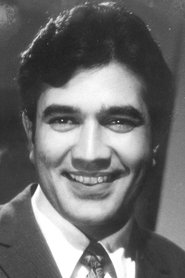 Rajesh KhannaAnand Babu
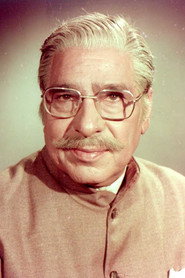 Madan PuriNepal Babu
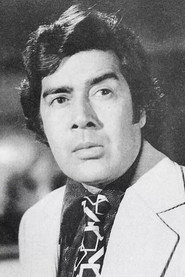 Sujit KumarMahesh
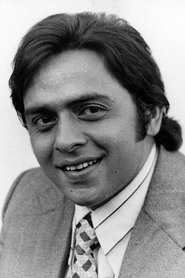 Vinod MehraNand Kishore Sharma / Nandu
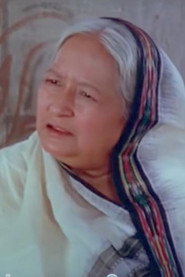 Leela MishraMausi
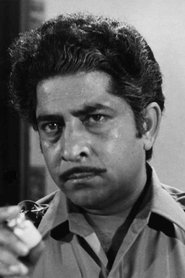 Satyendra KapoorVijay
- Rammohan SharmaShankar
 BinduKamla
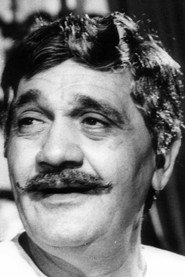 Om PrakashNatwarlal
- Man MohanPushpa's Husband
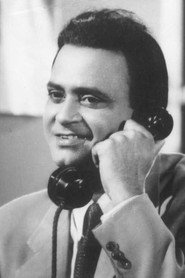 Abhi BhattacharyaDoctor
Directing
- Shakti SamantaDirector
Writing
- Ramesh PantDialogue
- Anand BakshiLyricist
- Arabinda MukhopadhyayScreenplay
- Bibhutibhushan BandyopadhyayStory
Production
- Shakti SamantaProducer
Recommended by
Chalti Ka Naam Gaadi, Bawarchi, Dost, Andaz, Neel Kamal, Khilona, Manzil, Dus Numbri, Daag, Prem Geet