
Film
Daag
Daag is a 1973 Hindi melodrama about a man fleeing a murder conviction, wrestling with destiny and moral reckoning. It's a lavish, music-heavy film built on romantic entanglement and social consequence—Rajesh Khanna at peak charisma, caught between two women and the law. The kind of sweeping, fatalistic romance that defined Bollywood's golden age.
If you liked this
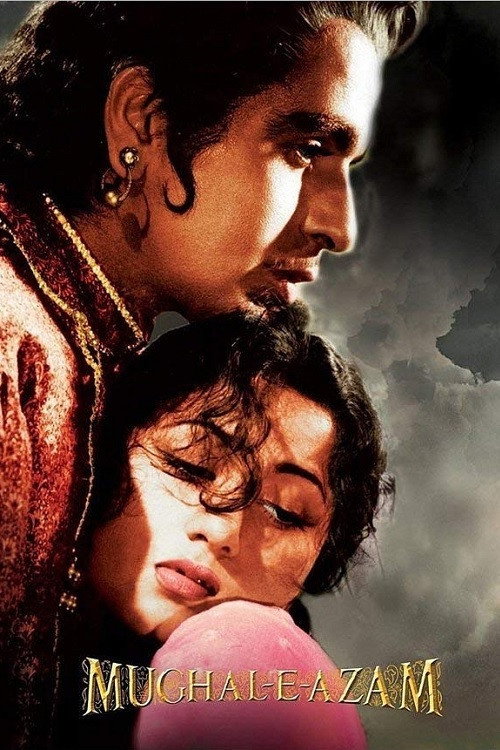
Mughal-e-Azam1960
A definitive Bollywood epic with similar scale, romance, and tragic inevitability. Dilip Kumar as a prince torn between duty and love, gorgeous Technicolor cinematography, unforgettable music. The template for everything Daag does.
But At 193 minutes, it demands patience. The pacing is stately, almost operatic—very much a 1960s film. Some find the romantic suffering overwrought.
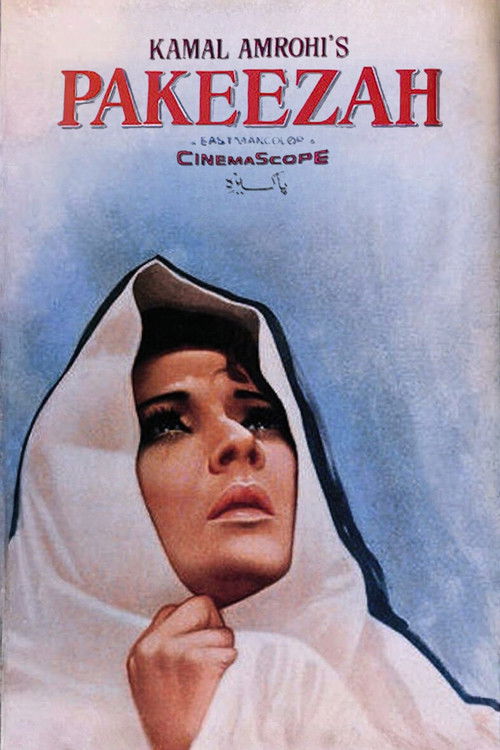
Pakeezah1972
Released just before Daag, equally sumptuous and morally complicated. A woman from a courtesan family seeking redemption through love. Same era, same emotional register, same lush visual language and Lata Mangeshkar songs that linger for days.
But Slow-burn melodrama with tragic inevitability baked in. If you want plot to move quickly, this will frustrate you. The pathos is unrelenting.
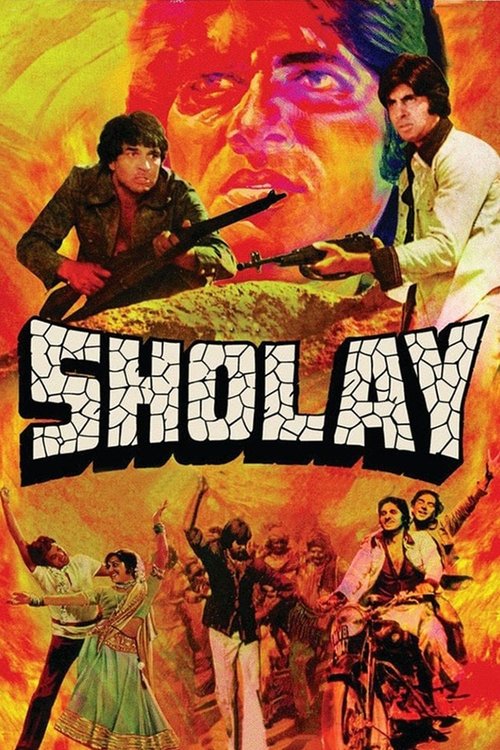
Sholay1975
The Bollywood action-romance that redefined Indian cinema. Two men, two women, betrayal, redemption, revenge. Massive songs, genuine thrills, moral complexity. Rajesh Khanna's contemporary—if you love his presence, this era of Hindi film is unmissable.
But It's 196 minutes long. The intermission comes mid-narrative. You're committing a full evening with no pauses to your evening.
Not sure tonight? Get a pick in a minute, starting from Daag
The wildcard
Something you would not have found on your own.
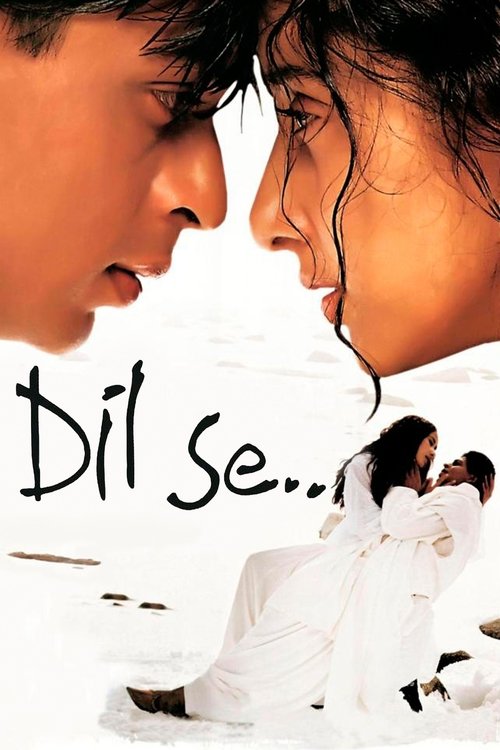
Dil Se..1998
Both are about a man bound to a woman whose love makes him complicit in or victims of moral ruin. Daag asks this through fate and conviction; Dil Se through ideology and terrorism.
A man in love with a woman who may be a terrorist. Mani Ratnam's masterpiece of impossible romance against moral catastrophe. Same question as Daag—can you love someone and still do what's right? But shot with modernist intensity and A.R. Rahman's score that changed Indian cinema.
But It's aggressively artful: choppy editing, abstract visuals, soundtrack that doesn't follow melodrama rules. The ending is deliberately ambiguous and bleak. Not a comfort film.
More like this (8)
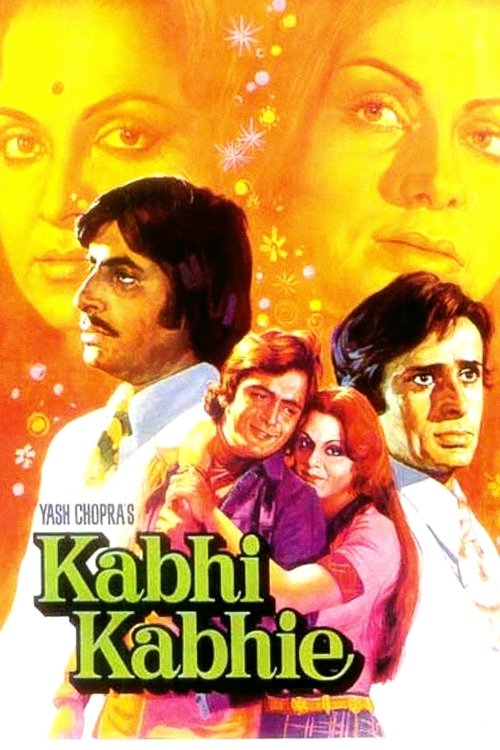
Kabhi Kabhie1976
A four-part love story spanning decades, with Rajesh Khanna and Amitabh Bachchan both at their peak. Explores how passion, marriage, and time reshape romance. Gorgeous Delhi locations, A.R. Rahman's father Viswanathan's sublime score, real emotional maturity.
But Episodic structure means tonal shifts that some find jarring. The ending may feel ambiguous or unsatisfying if you want clear resolution.
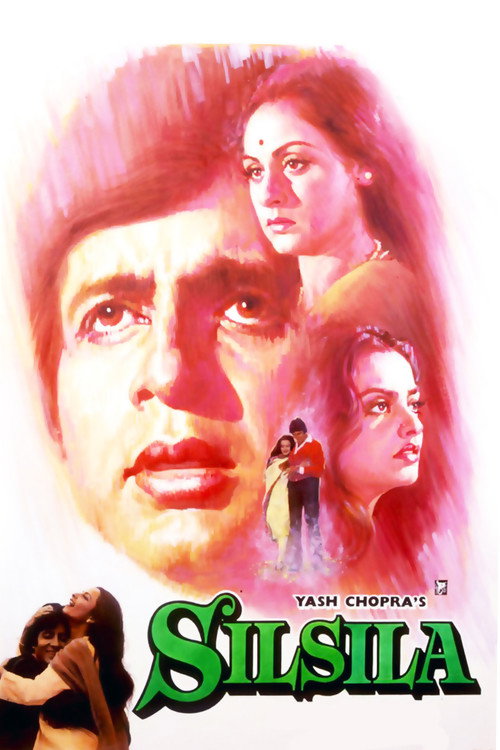
Silsila1981
Amitabh Bachchan and Rekha in an affair that threatens marriage and morality. A rare Bollywood film that treats infidelity without melodrama, with sophisticated cinematography and a score by S.D. Burman. Quieter moral reckoning than Daag but equally unsparing.
But It's deliberately restrained for a Bollywood romance. If you're coming for big songs and histrionics, the restraint may feel cold.
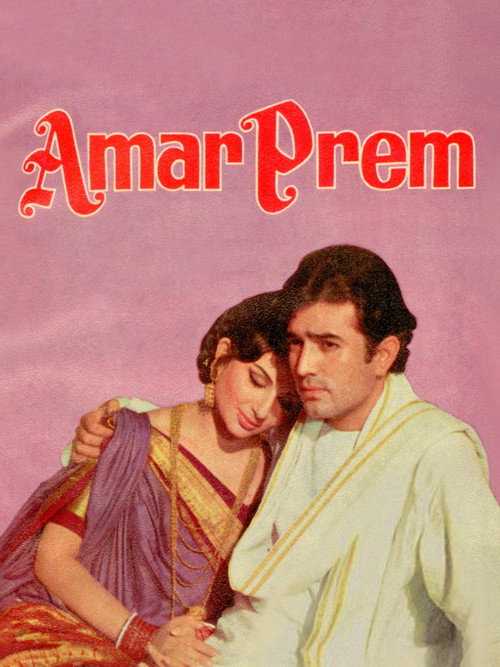
Amar Prem1972
Rajesh Khanna and Sharmila Tagore again, this time as a widow and a married man who fall in love. Class divide, moral compromise, real emotional stakes. Bittersweet where Daag is tragic, but cut from the same cloth of romantic impossibility.
But A 1972 film exploring infidelity sympathetically. The gender politics are of their era, which will feel uncomfortable to modern viewers.
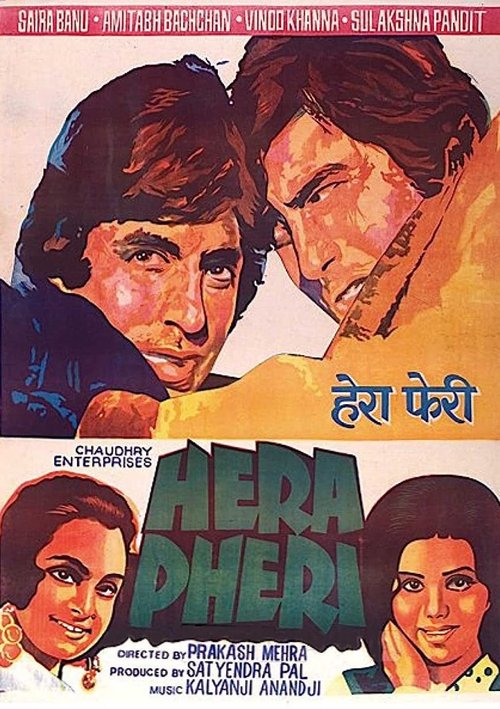
Hera Pheri1976
Rajesh Khanna fleeing a false accusation; a woman who helps him; moral ambiguity about innocence and guilt. Similar premise to Daag but lighter, funnier, with heist elements. Shows Khanna's range beyond pure melodrama.
But Tonal mix of comedy and chase thriller doesn't always cohere. Feels like two films spliced together, which some find clumsy rather than clever.
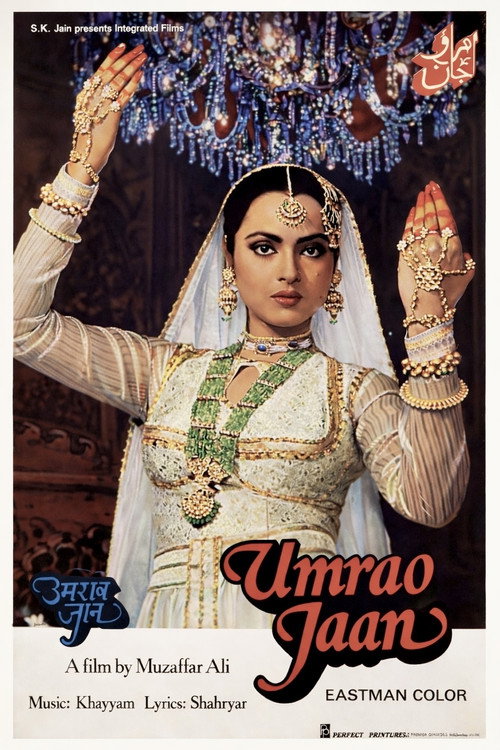
Umrao Jaan1981
Rekha as a courtesan navigating love, loss, and social stigma. Visconti-esque cinematography by Karan Kapoor, Khayyam's haunting score. A woman's tragic destiny rather than a man's, but the same fatalistic poetry as Daag.
But Deliberately melancholic and painterly. Plot is minimal; it's a mood piece. If you need incident and momentum, this will feel static.
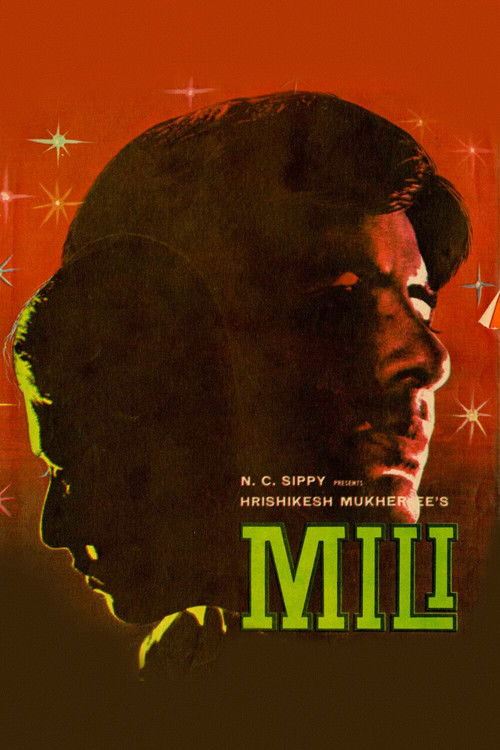
Mili1975
Rajesh Khanna with Amitabh Bachchan. Orphaned girl, small-town setting, class conflict, two men who love her. Captures the emotional earnestness of mid-1970s Bollywood with genuine warmth underneath the melodrama.
But Sentimental and sometimes saccharine. The orphan plot device feels manipulative even by 1975 standards. Dated gender dynamics.
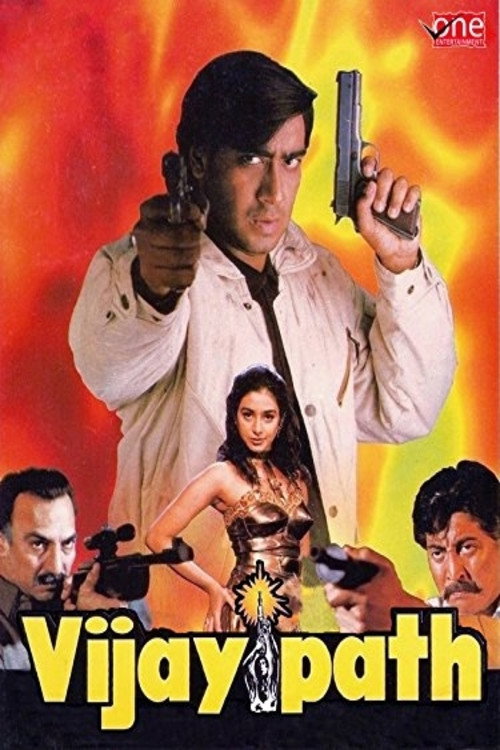
Vijaypath1994
Both trap their male lead between love and justice, but where Daag is tragic and fate-driven, Vijaypath is noir and corruption-driven. Daag asks 'Is he guilty?' Vijaypath asks 'Does it matter if she is?'
A cop falls in love with a woman he's investigating for murder. She may be guilty; he may be corrupted by desire. Shot like a thriller but plays like a romance. Ajay Devgn at the start of stardom, Tabu enigmatic and dangerous. Glossy, violent, sexy—Bollywood breaking its own rules.
But The plot is thin and the morality murky in ways that feel irresponsible rather than complex. The violence toward women is casual. It's pulp with ambitions it doesn't quite earn.
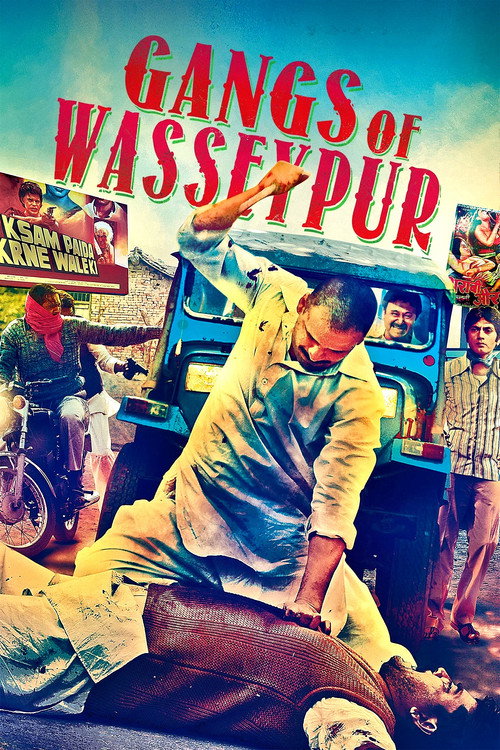
Gangs of Wasseypur - Part 12012
Both are about men whose past convictions define their futures, making escape impossible. But where Daag romanticizes this through music and sentiment, Gangs of Wasseypur treats it as the grinding curse it actually is.
A multigenerational crime saga shot like a contemporary thriller. Violence, betrayal, sons paying for fathers' sins. If you loved Daag's sense that destiny binds men to ruin, this shows what that looks like when you abandon Bollywood's romantic fatalism for actual brutality and social realism.
But Extremely violent, graphically sexual, five hours long, shot in grainy digital video. A complete tonal opposite to Daag's melodrama. Utterly modern and ugly where Daag is classical and beautiful.
People
Cast
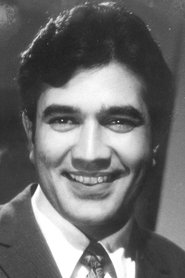 Rajesh KhannaSunil Kohli
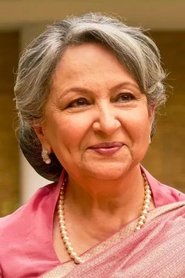 Sharmila TagoreSonia Kohli
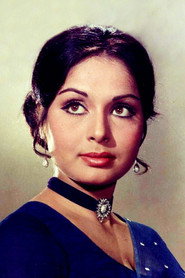 Rakhee GulzarChandni
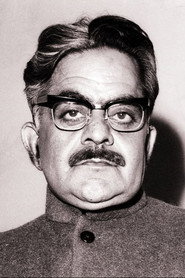 Manmohan KrishnaDeewan
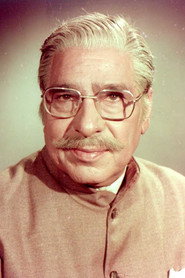 Madan PuriK. C. Khanna
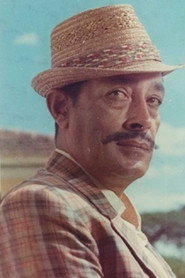 IftekharInspector Singh
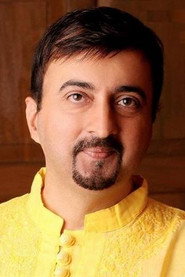 Raju ShresthaRinku
- Hari ShivdasaniJagdish Kapoor
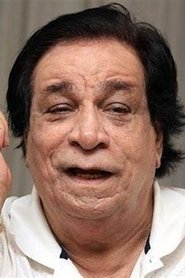 Kader KhanProsecuting Attorney
- S N BanerjeeJudge
- Karan DewaniDoctor Kapoor
- Surendra NathSunil's Uncle
Directing
- Yash ChopraDirector
Writing
- Akhtar-ul-ImanDialogue
- Sahir LudhianviLyricist
- Gulshan NandaStory
Production
- Yash ChopraProducer