
Film
Dost
A sweeping 1974 Hindi drama about two men bound by loyalty and circumstance in Bombay. Dharmendra and Shatrughan Sinha anchor a story that moves between friendship, class, love, and sacrifice with the kind of earnest emotional weight Bollywood excelled at before irony became fashionable. It's patient, melodramatic, and utterly sincere—for those who want to feel something.
Should you watch it?
Watch it if you like slow-burning friendship stories where two mismatched men slowly earn each other's loyalty, and you don't mind a 1970s melodrama that trusts sentiment.
Skip it if you find sentiment hard to sit through, since at nearly three hours this is patient, unhurried and openly tender rather than brisk.
What it asks of you: Settle in for a little over two and a half hours of gradual build, where the early scenes take their time, and the emotion arrives later, not in bursts.
Not sure? Find tonight's pick in a minute.
If you liked this
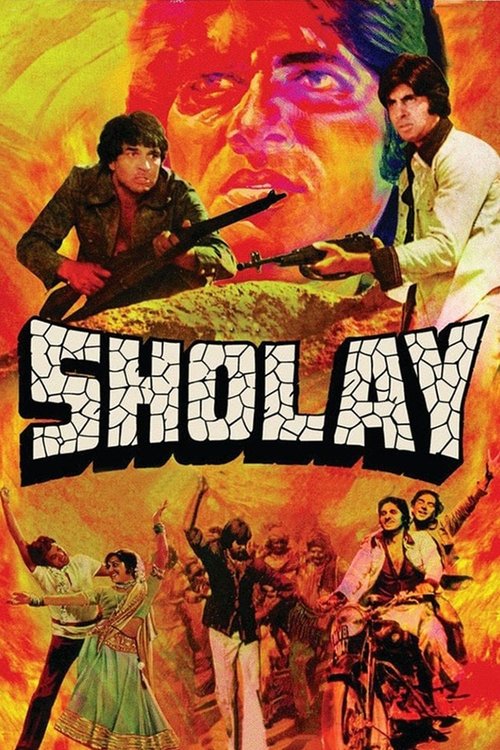
Sholay1975
Released the same year, this is the Bollywood epic that defined friendship and loyalty for a generation. Two outcasts become brothers; the emotional architecture mirrors Dost but with action and humor as the vehicle.
But Nearly three and a half hours, and the pacing assumes you have nowhere else to be. If you want plot momentum, this demands patience.
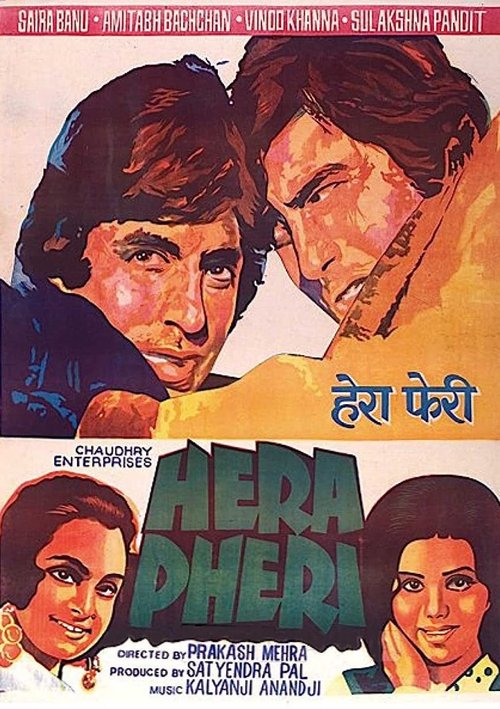
Hera Pheri1976
Rajesh Khanna and Vinod Khanna in a friendship drama that feels like a spiritual cousin—two men, moral complexity, the tug between loyalty and self-preservation. Similar emotional temperature to Dost.
But The restoration quality varies depending on where you find it, and some prints are murky. The melodrama might feel overcooked if you're not in the mood.
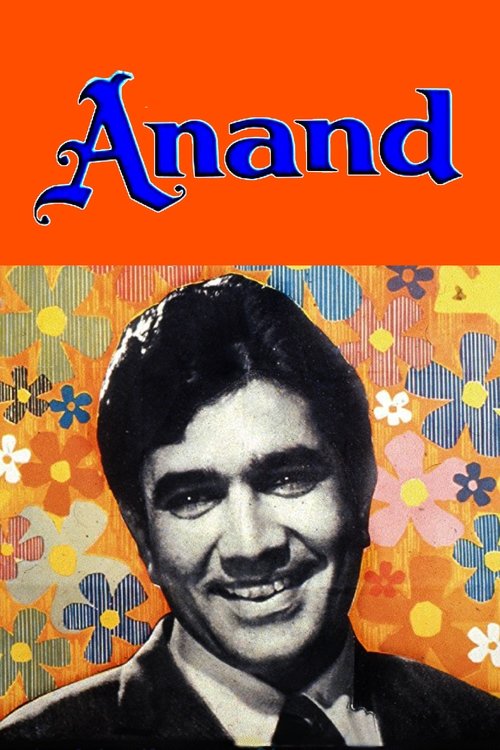
Anand1971
Amitabh Bachchan and Rajesh Khanna in a film about friendship that changed Indian cinema. Like Dost, it takes emotional truth seriously and builds meaning from small moments between two men.
But The ending is wrenching and the film doesn't look away from it. This is not comfortable viewing, and some find it manipulative.
Not sure tonight? Get a pick in a minute, starting from Dost
The wildcard
Something you would not have found on your own.
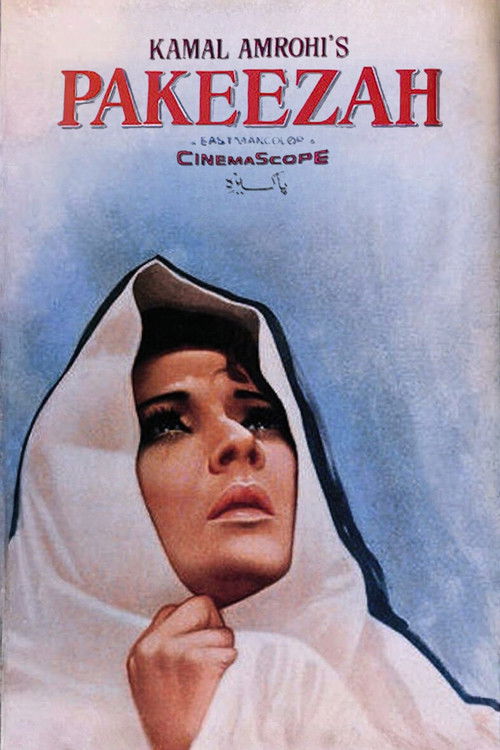
Pakeezah1972
Both films share the 1970s Hindi cinema conviction that melodrama is a serious form, and that moral complexity in matters of the heart deserves visual and emotional extravagance. Both believe beauty and gravity can coexist.
A lavish melodrama about class, morality, and belonging that predates Dost by two years but shares its DNA—the belief that cinema should move the heart and that beauty and pain aren't in contradiction. Meena Kumari's performance is transcendent.
But It's a film about a courtesan, and the emotional territory is different from Dost's male-centered friendship, which might feel like a sidestep if you want more of the same.
More like this (6)
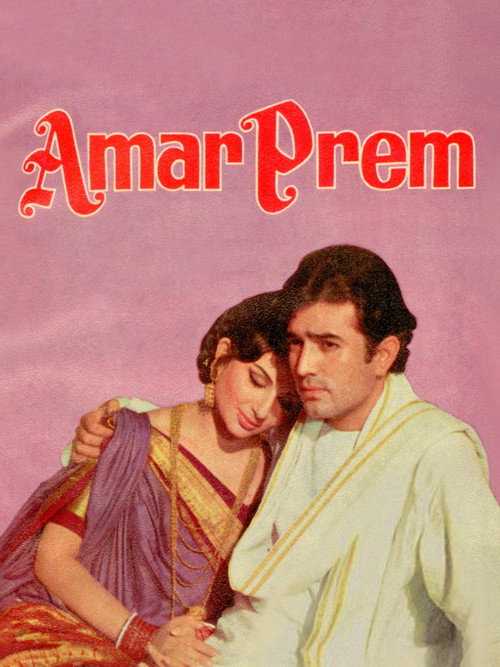
Amar Prem1972
Rajesh Khanna again, with Sharmila Tagore. A romance that intersects with class and morality in ways that echo Dost's preoccupations. Gorgeously shot and full of restraint for a 70s Hindi film.
But The romantic plot is genteel and slow-moving by modern standards. If you need plot to carry you, this won't oblige.
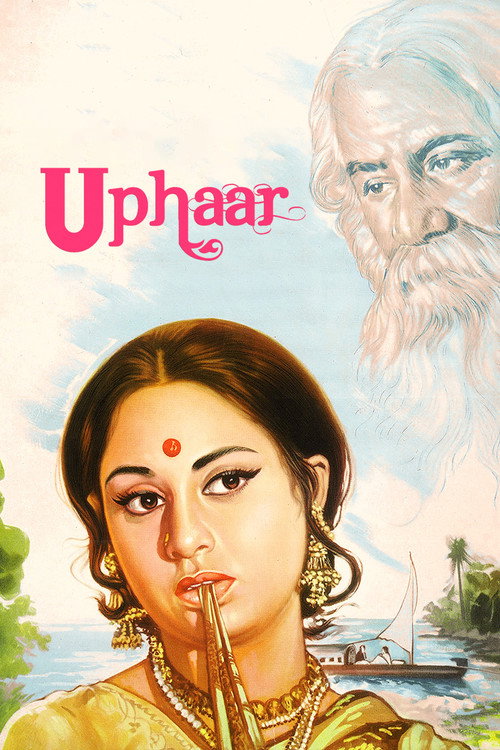
Uphaar1971
Dharmendra in a drama about choices and consequence. The tone is melodramatic but grounded—human failure and redemption handled with the same seriousness Dost brings to its material.
But It's been less carefully preserved than the bigger titles of the era, and tracking it down requires patience. The print quality reflects that.
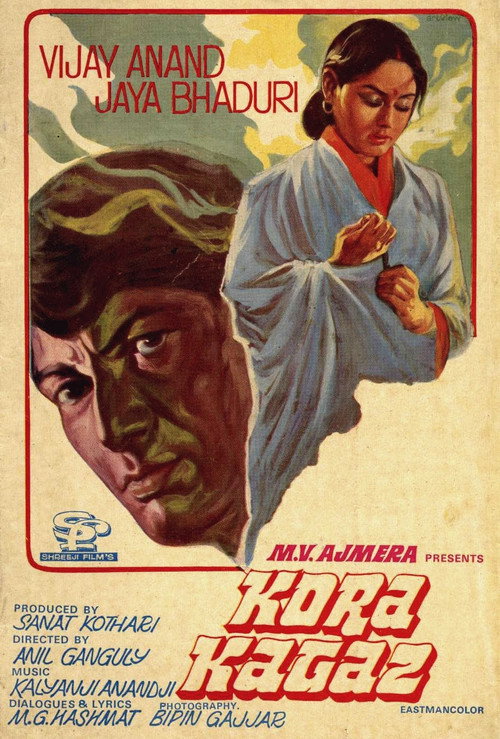
Kora Kagaz1974
A parallel 1974 release exploring morality and corruption in urban India. Similar earnestness about themes of honesty and friendship; feels like it's in the same cultural moment as Dost.
But Lesser-known even in Hindi cinema circles, which means it's genuinely hard to find and the prints available are often incomplete.
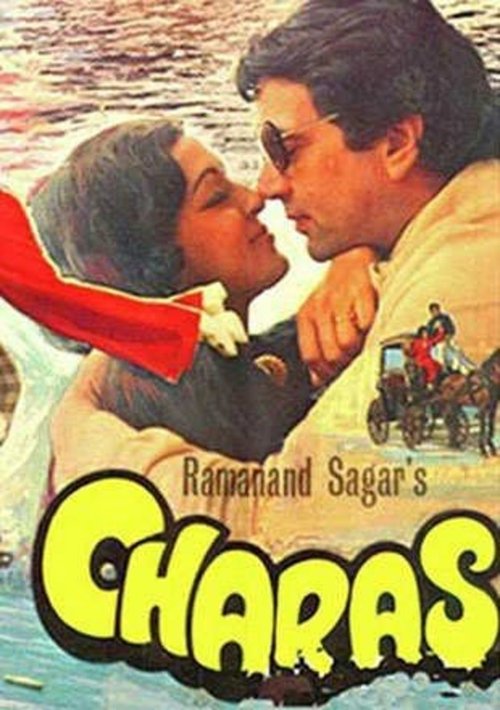
Charas1976
Dharmendra and Zeenat Aman in a gritty drama about friendship and crime. Rougher and rawer than Dost, but made from similar emotional clay—male bonds tested by circumstance and choice.
But The subject matter (drug trafficking) is bleak and stays bleak. There's no redemptive arc if you're hoping for one.
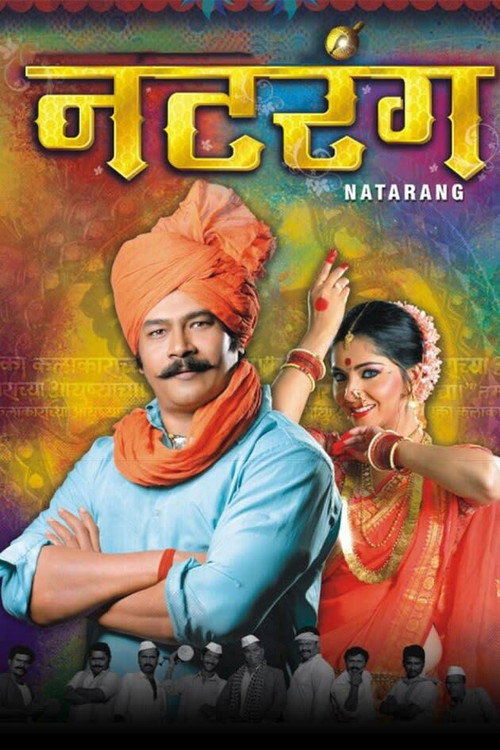
Natrang2010
Both explore how friendship and art become intertwined with survival and identity in ways that transcend plot mechanics. Both are about men sustaining each other through moral and emotional complexity rather than action or plot surprise.
A Marathi film about an aging man's obsession with a classical art form (tamasha theater) and the friendship that sustains him. It's not a Hindi film of Dost's era, but it catches the same emotional register about loyalty, masculinity, and what we're willing to sacrifice.
But In Marathi, not Hindi, which means subtitles. It's also a contemporary film, so the production values are different—some may find the shift in texture alienating.
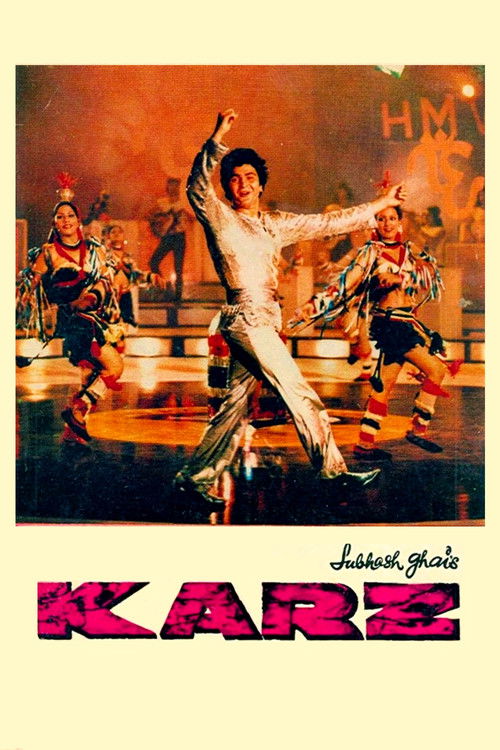
Karz1980
Both films trust that moral questions and emotional consequence matter more than plot efficiency. Both ask: what do we owe each other, and what happens when we betray that? Karz just answers the question via reincarnation instead of tragedy.
Rajesh Khanna in a supernatural drama about debt, karmic consequence, and the bonds between men. It's a genre shift—reincarnation thriller rather than social drama—but it's operating from the same emotional and moral universe as Dost, just in a more heightened register.
But The supernatural elements may feel tonal from Dost, and if melodrama was already at its limit for you, adding ghosts won't help. The plot is also genuinely convoluted.
People
Cast
 DharmendraMaanav
 Hema MaliniKaajal 'Kaju' Gupta
 Shatrughan SinhaGopichand 'Gopi' Sharma
 Ravindra KapoorShyamal
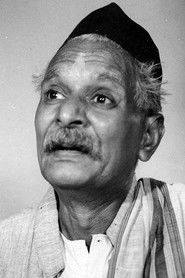 Kanhaiyalal ChaturvediGadibabu
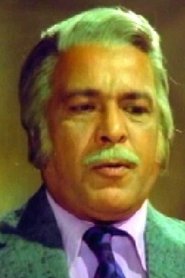 Anwar HussainUstad Monto Sardar
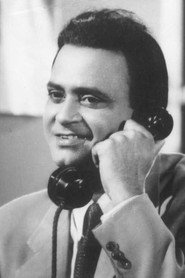 Abhi BhattacharyaFather Francis
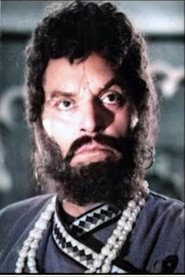
 Kumari NaazKalyani Sharma
- Master BuntyMunna Sharma
- RajuRajesh 'Raju' Gupta
Directing
- Dulal GuhaDirector
Writing
- Shafiq AnsariDialogue
- Sachin BhowmickScreenplay
- Sachin BhowmickStory
Production
- J.N. ManchandaExecutive Producer
- PremjiProducer