
Film
Uphaar
A 1971 Indian drama about newlyweds navigating mismatched expectations and separation. Jaya Bachchan anchors this intimate portrait of a marriage strained by circumstance and incompatibility. It's a film about the quiet fractures in relationships, the cost of duty, and whether love can survive estrangement. Quietly devastating.
If you liked this
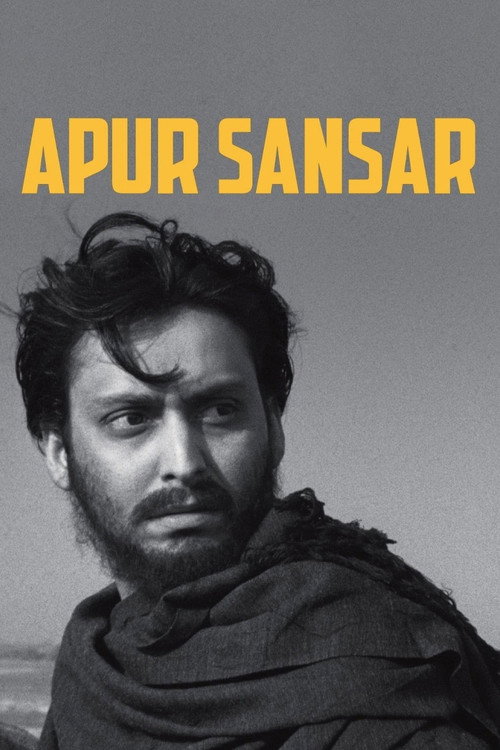
The World of Apu1959
Satyajit Ray's masterpiece about marriage and mortality. Like Uphaar, it finds profound emotion in domestic life and the texture of everyday compromise. A companion piece that deepens reflection on what marriage asks of us.
But Ray's pacing is glacial. If you need plot momentum or conventional drama, this will feel slow and sometimes oblique.
Pather Panchali1955
Ray again, but here the focus is family and poverty, class and dignity. It shares Uphaar's unflinching eye for human struggle without melodrama, its belief that small moments matter most.
But Subtitled, black-and-white, and deliberately modest in scale. It looks like a historical artifact to viewers raised on faster cinema.

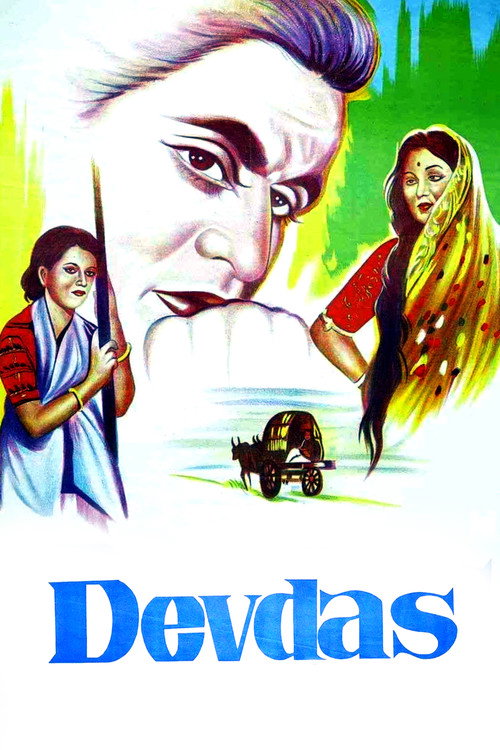
Devdas1955
Bimal Roy's tragic portrait of desire and social constraint. It has the same tragic inevitability as Uphaar—two people trapped by circumstance and their own natures, unable to bridge the distance between them.
But Melodrama is baked in. The tragedy is announced, not discovered. If you prefer subtlety to emotional declaration, this will feel overwrought.
Not sure tonight? Get a pick in a minute, starting from Uphaar
The wildcard
Something you would not have found on your own.
Daisies1966
Both examine the position of women constrained by marriage and social expectation, but Daisies refuses the resignation Minoo must accept. Where Uphaar is intimate tragedy, this is gleeful, anarchic rebellion.
Vera Chytilová's anarchic Czechoslovak explosion of color and chaos—two young women gleefully destroying order. It seems nothing like Uphaar until you notice: both are about women trapped by marriage and propriety, but this one burns the system down instead of submitting to it. The inverse response to the same cage.
But It's avant-garde and deliberately disorienting. If you need narrative clarity and emotional realism, this will feel hostile.

More like this (7)
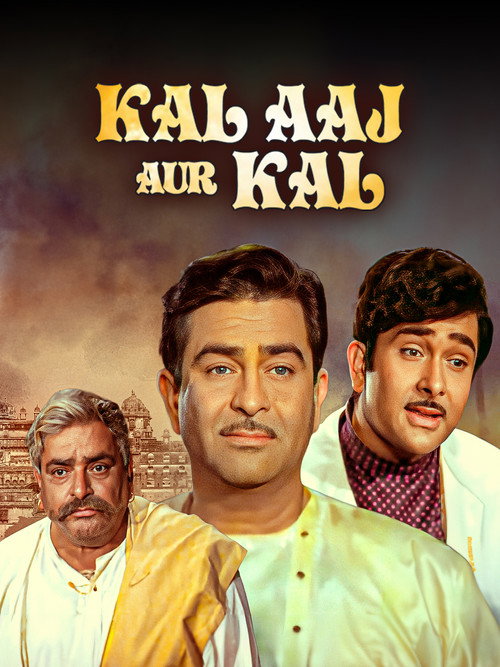
Kal Aaj Aur Kal1971
Released the same year as Uphaar and equally concerned with the friction between generations and tradition. A multigenerational family film with real teeth about what changes and what doesn't.
But It's sometimes broad where it means to be poignant. The comedy can tip the balance away from the drama you came for.
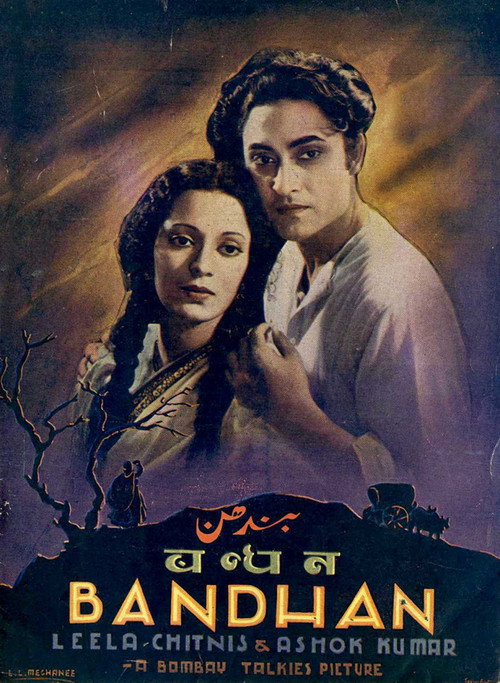
Bandhan1940
A gem about obligation and affection in marriage. Like Uphaar, it respects the complexity of a relationship that looks from outside like simple duty but contains genuine tenderness and genuine pain.
But It's not well-remembered now. If you need cultural reassurance that a film matters, you won't find it here.
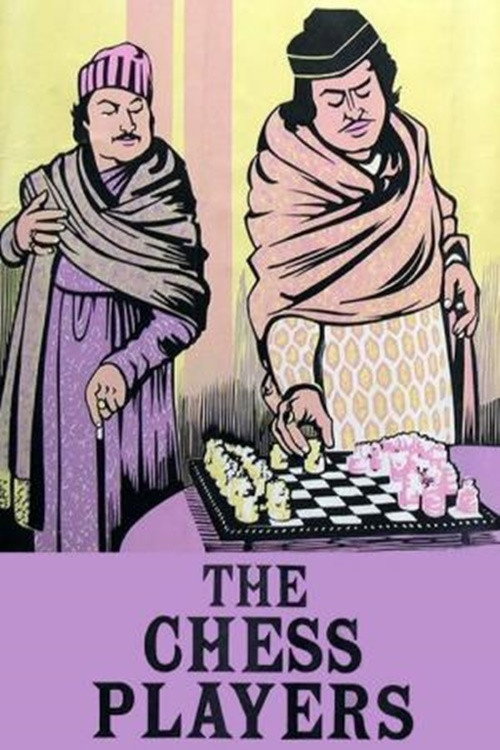
The Chess Players1977
Satyajit Ray again, and again about a marriage—this time how it collapses when both partners retreat into private obsession. The same quiet anatomy of disconnection that animates Uphaar.
But It's set in 1856 and moves between multiple timelines. The historical material can feel like digression if you're looking for intimate drama.
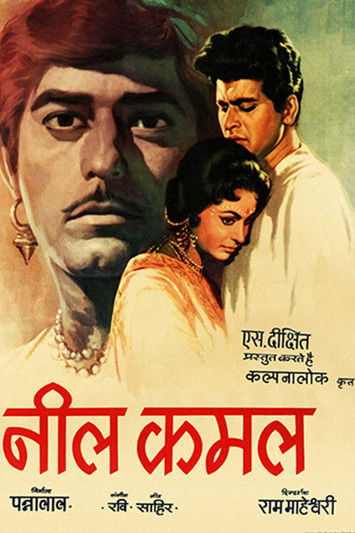
Neel Kamal1968
A melodrama about marriage, separation, and the woman left behind. It shares Uphaar's interest in how women absorb the weight of circumstance without complaint, and what that costs them.
But The gender politics are deeply of their era. Modern viewers may find the passivity difficult to sit with.
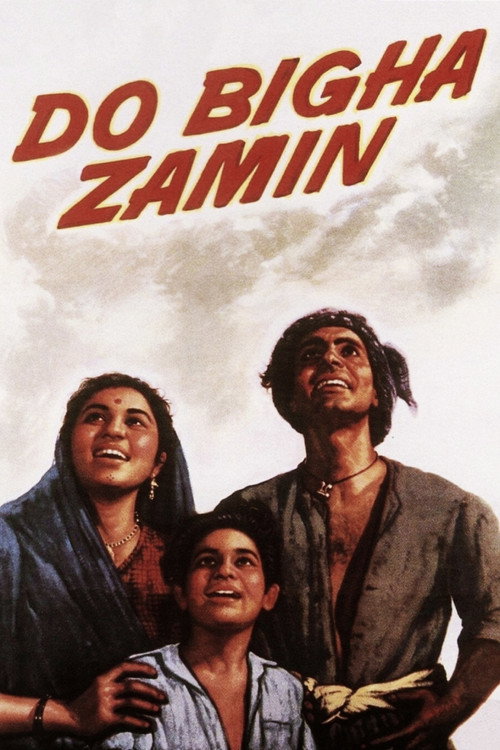
Two Acres of Land1953
Bimal Roy's portrait of rural desperation and sacrifice. Like Uphaar, it watches how circumstances outside a couple's control destroy what's between them. The tragedy is structural, not personal.
But It's bleaker than Uphaar and offers no consolation. Some nights you don't want that kind of honesty.
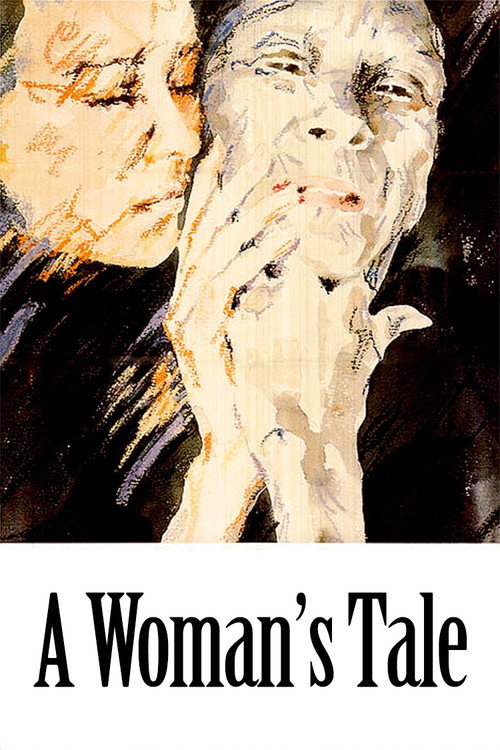
A Woman's Tale1991
Both are intimate portraits of women whose lives were narrowed by circumstances beyond their control, but this one is filmed from the vantage of old age, looking back—what Uphaar's Minoo might become.
Paul Cox's late-period Australian film about an elderly woman living alone, revisiting her life. Formally experimental, documentary-like, built from memory and digression. Like Uphaar, it asks what remains of a life lived in duty and what quiet rebellion looks like when you're near the end.
But It's structurally unconventional and you are watching someone's thoughts more than their actions. Very slow, very interior.
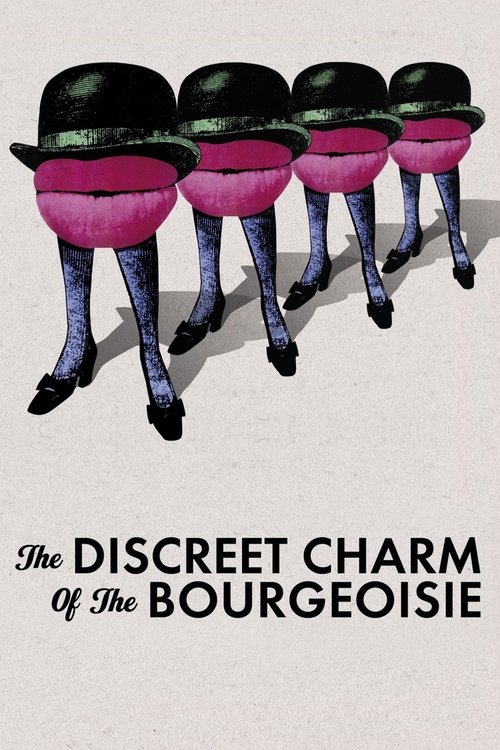
The Discreet Charm of the Bourgeoisie1972
Both are skeptical about marriage as an institution and about the gap between public ritual and private reality, but where Uphaar mourns the gap, Buñuel finds it ridiculous.
Buñuel's surreal comedy about desire, appetite, and social ritual. It looks like nothing like a serious 1971 Indian drama, but underneath both films is the same observation: people marry and live within structures that have nothing to do with who they actually are, and the collision produces either tragedy or absurdity depending on where you stand.
But It's surreal and sometimes baffling. If you watch it looking for plot or character development, you'll be frustrated. It's about the structure, not the story.
People
Cast
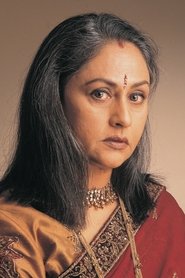 Jaya BachchanMinoo
- Swarup DuttaAnoop
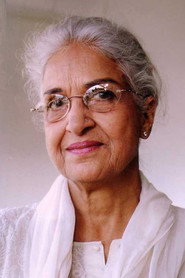 Kamini KaushalAnoop's mother
 Suresh ChatwalAnil
- Nana PalsikarRamchandra
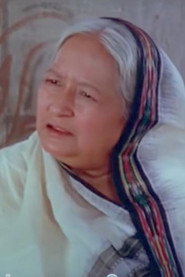 Leela MishraKaki
 Nandita ThakurSudha
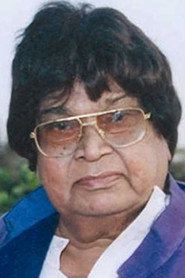 Yunus ParvezBanwari
- RatnamalaSharda
- Shail ChaturvediShankarlal