
Film
The Chess Players
Satyajit Ray's meditation on power, indifference and collapse. Set in 1856 as the British close in on Awadh, two aristocrats remain locked in endless chess games while their kingdom crumbles. Formally precise, deeply sad, and structured as a kind of musical rondo—Ray observes everything with compassion but no comfort. For patient viewers drawn to political allegory told through inaction.
Should you watch it?
Watch it if you enjoy dry, ironic period satire where the personal games of idle aristocrats mirror an empire quietly closing in, and you don't mind politics arriving through gossip and board moves.
Skip it if the pace is unhurried and the chess is shown at length, so if you need plot to drive you forward, the stillness may feel like a long wait.
What it asks of you: Settle in for a leisurely two hours and nine minutes, with the wit sitting in the margins and dialogue that carries more weight than it first lets on.
Not sure? Find tonight's pick in a minute.
If you liked this
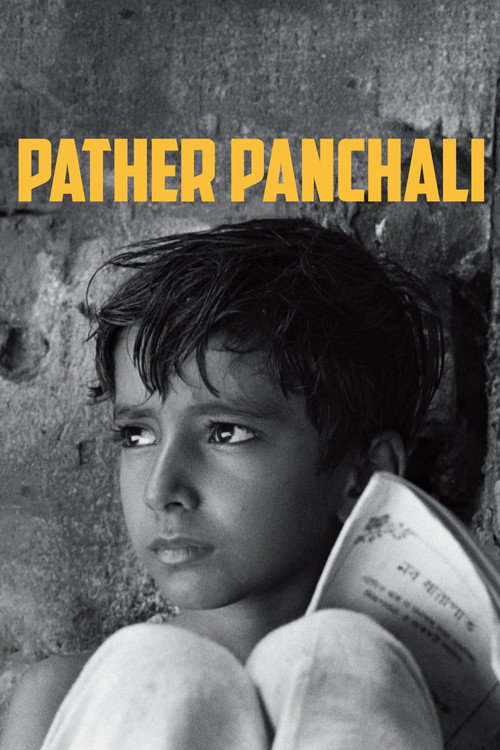
Pather Panchali1955
Ray's debut and the work that defined his method: intimate family drama set against economic collapse, shot with documentary clarity and emotional depth. Essential to understanding his entire vision.
But Deliberately paced in ways modern cinema has trained us away from. If you need plot momentum, this will test your patience.
The Remains of the Day1993
Another film about a man's failure to act while history moves around him. Stevens's paralysis mirrors the chess players' indifference—both films argue that duty and love require courage most people cannot find.
But Emotionally restrained to the point of coldness. The restraint is the point, but it can feel like watching someone suffocate in slow motion.

In the Mood for Love2000
Wong Kar-wai's chamber piece about two neighbours who suspect their spouses are having an affair. Like Ray, he transforms political and personal paralysis into visual poetry—every frame is a chess position.
But The plot barely moves. If you're looking for narrative propulsion or emotional catharsis, this film withholds both deliberately.

Not sure tonight? Get a pick in a minute, starting from The Chess Players
The wildcard
Something you would not have found on your own.
The Leopard1963
Both films locate tragedy in the beauty of a civilisation watching itself become history. Both see inaction not as moral failure but as the only honest response to inevitable collapse.
Visconti's epic about an aging Sicilian prince watching his world vanish into history. Like Ray, Visconti finds grandeur in decline and frames political collapse as a matter of style and dignity. Sumptuous where Ray is austere, but the anatomy of powerlessness is identical.
But It is very long, very Italian, and very concerned with decor and ritual. For some, it will feel like watching someone arrange flowers while the house burns.

More like this (7)
The Ballad of Little Jo1993
A woman disguises herself as a man to survive the frontier. Like the Nawab, she chooses self-preservation over engagement with the world—but Ray would recognize the cost of that choice with sadness, not irony.
But It's a Western, and a deliberately unglamorous one. Expecting colour and action will disappoint you.

Stalker1979
Tarkovsky's film about a guide leading two men into a mysterious zone toward a room that grants wishes. Both films believe that inaction and spiritual drift are forms of death, and both find beauty in that recognition.
But Three hours of philosophical conversation interrupted by long silences. If you need incident or plot, this is not your film.

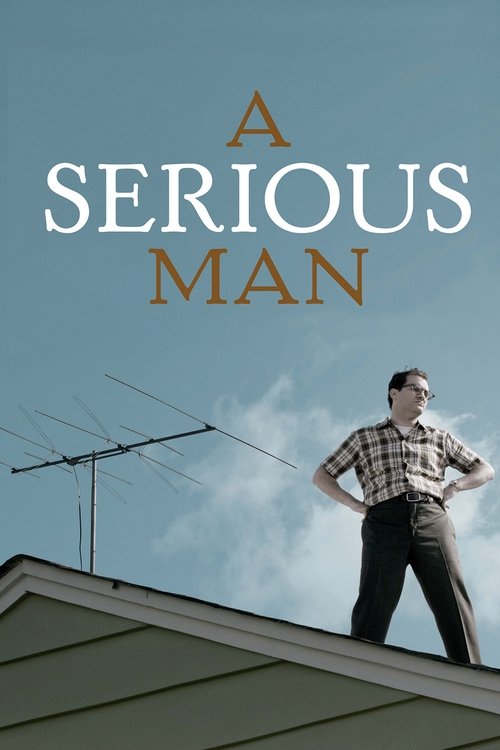
A Serious Man2009
The Coen Brothers' study of a man buffeted by chaos, seeking meaning through prayer and consultation while the world indifferently moves on. Bleak and funny, but fundamentally about paralysis and its cost.
But Comic and tragic at once in ways that can feel uncomfortably distant. Some viewers hate being kept at arm's length emotionally.
Harakiri1962
Masaki Kobayashi's film about a samurai asking for the right to ritual suicide exposes institutional cruelty and the cost of loyalty to a system. Like Ray, Kobayashi suggests that complicity is a form of death.
But Deliberately difficult to watch. The beauty is inseparable from the pain, and the film refuses to soften either.

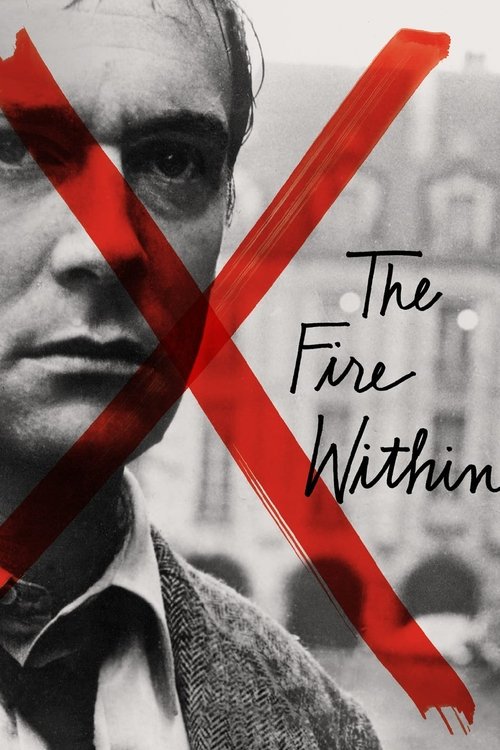
The Fire Within1963
Louis Malle's film about a man spiralling toward suicide while surrounded by people who cannot reach him. A portrait of internal paralysis and the loneliness of remaining present without engaging.
But Profoundly depressing. The film offers no hope or resolution, only the accuracy of its observation.
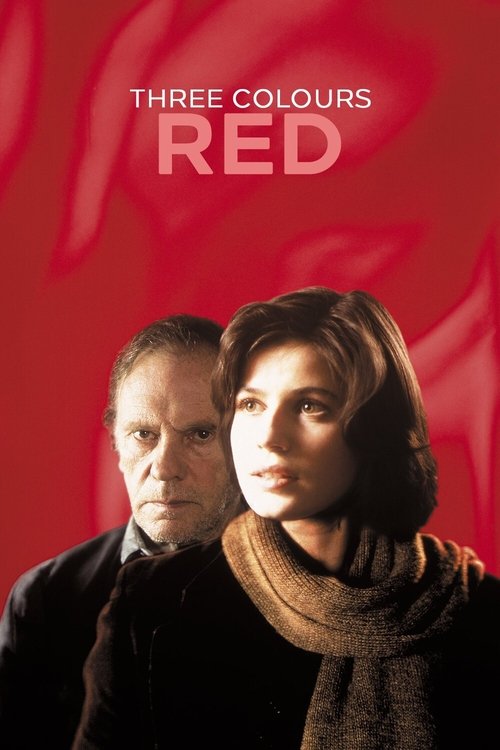
Three Colors: Red1994
Both films suggest that the deepest human experience is listening and watching from a distance. Both are built on the acceptance that our separation from others is absolute.
Kieslowski's final film, about chance connections between strangers in Geneva. A judge listens to his neighbours' phone calls; a model and a judge meet. Like Ray, Kieslowski finds spiritual meaning in observation, detachment and the acceptance that we cannot save each other.
But Deliberately plotless. It trusts mood and coincidence over narrative momentum. Some will find it precious; others will find it merely sad.
Tokyo Story1953
Both directors believe that cinema's greatest power is the ability to sit with people in stillness and find in that stillness the whole architecture of human longing and failure.
Ozu's film about elderly parents visiting their son and the quiet unraveling of family bonds. Ozu shoots chess players in a different key—all ritual, acceptance, and the accumulation of small silences. Ray knew this film. He learned from it.
But If you have not seen Ozu, his method will seem to have no method. Static frames, everyday conversations, almost nothing 'happens.' The rewards are entirely spiritual.

People
Cast
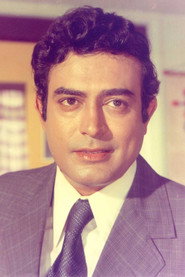 Sanjeev KumarMirza Sajjad Ali
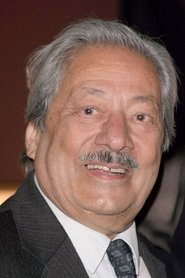 Saeed JaffreyMir Roshan Ali
 Amjad KhanWajid Ali Shah
 Shabana AzmiKhurshid
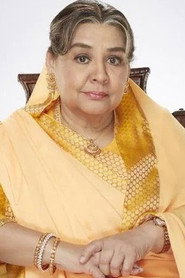 Farida JalalNafisa
 VeenaQueen Mother
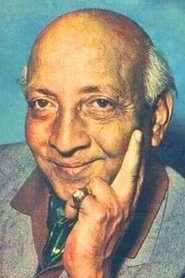 David Abraham CheulkarMunshi
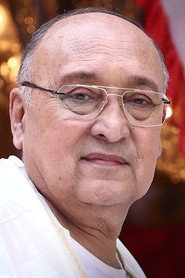 Victor BanerjeePrime Minister
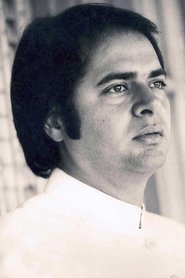 Farooq ShaikhAqueel
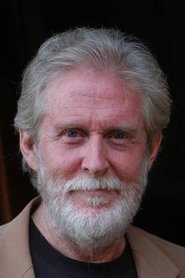 Tom AlterCapt. Weston
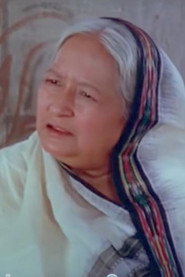 Leela MishraHirya
Directing
- Javed SiddiquiAssistant Director
- Ramesh SenAssistant Director
- Sandip RayAssistant Director
- Santi ChatterjeeAssistant Director
- Satyajit RayDirector
Writing
- Javed SiddiquiDialogue
- Satyajit RayDialogue
- Shama ZaidiDialogue
- Satyajit RayScreenplay
- Munshi PremchandShort Story
- Munshi PremchandWriter
Production
- Ana Maria De SouzaAdministration
- N.B. SukhwaniAdministration
- J.N. SrivastavaLocation Manager
- Suresh JindalProducer
- Bolai AddyProduction Assistant
- Trailokya DasProduction Assistant
- Anil ChoudhuryProduction Executive
- Bhanu GhoshProduction Manager
- Uma Da CunhaPublicist