
Film
Three Colors: Red
The final, quietest chapter of Kieślowski's Three Colors trilogy, built less on plot than on accumulated glances and coincidences. A young model and a reclusive ex-judge circle each other in Geneva, testing whether connection is fate or accident. Cool, elegant, unhurried — for viewers who want emotion delivered sideways, through colour and framing rather than speeches.
Should you watch it?
Watch it if you love slow, humane films about strangers who slowly notice each other, where a chance encounter carries the weight of moral inquiry and the camera lingers on faces.
Skip it if you want plot momentum, since this moves at a meditative pace and much of it is a quiet study of two people observing and waiting rather than doing.
What it asks of you: At a hundred minutes, it unfolds in long unhurried scenes, so settle in and let small moments land rather than expecting them to build fast.
Not sure? Find tonight's pick in a minute.
If you liked this
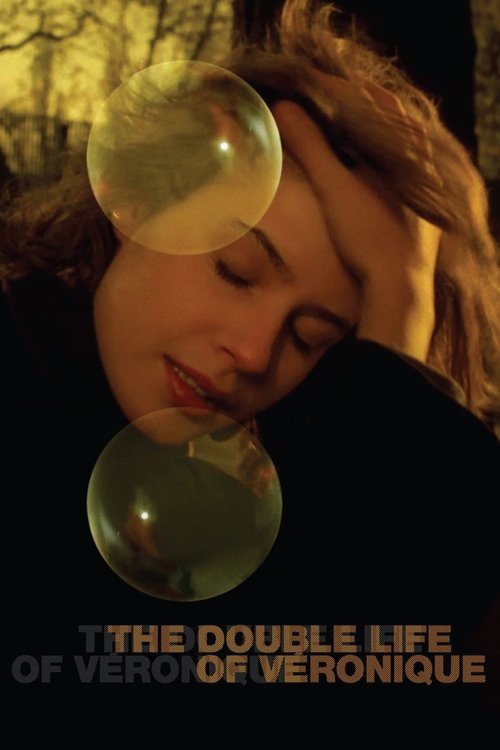
The Double Life of Véronique1991
Same director, same star, same hushed belief that two strangers can be bound by something unspoken. Jacob plays two women who never meet but somehow share a life, in a film built almost entirely from mood and colour.
But Even more elliptical than Red — if you wanted answers rather than atmosphere here, this will frustrate you further.
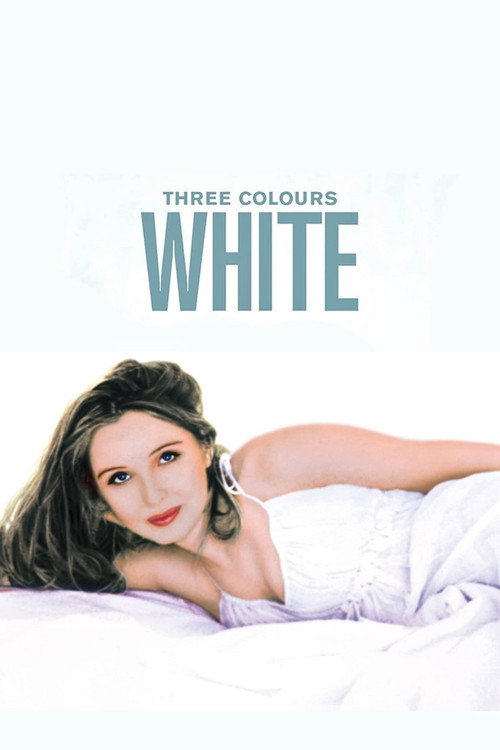
Three Colors: White1994
The trilogy's middle film swaps Red's melancholy for something closer to dark comedy — a Polish businessman's revenge plot as sharp and cold as Kieślowski gets. Completes the set without repeating the mood.
But Tonally jarring if you come expecting more of Red's tenderness — this one has teeth.
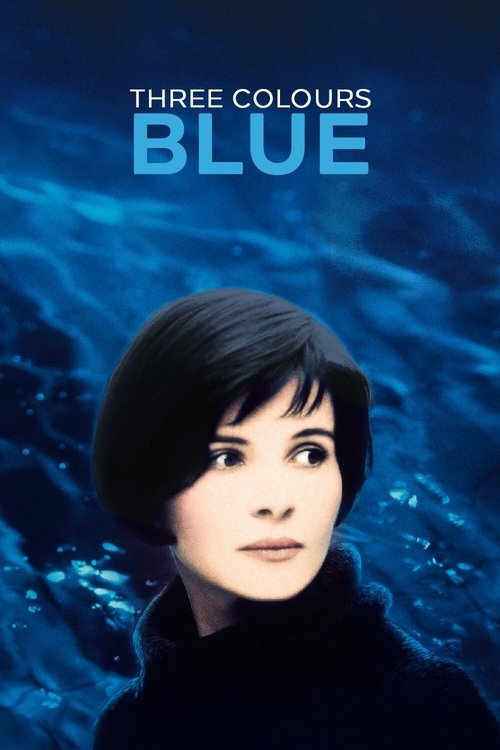
Three Colors: Blue1993
The first and most wrenching entry, about a woman rebuilding herself after losing everything. Same visual rigor, same interest in fate and colour, but grief instead of romance.
But Heavier and more inward than Red — less about connection, more about isolation.
Not sure tonight? Get a pick in a minute, starting from Three Colors: Red
The wildcard
Something you would not have found on your own.
The Red Shoes1948
Both films treat red as a visual argument about destiny, a colour that follows its heroine until it claims her. Powell and Pressburger got there first, decades before Kieślowski, using the same trick: colour as prophecy.
A gorgeous, doomed Technicolor melodrama about a ballerina caught between art and love, drenched in the same saturated red that haunts Kieślowski's film — colour as fate, not decoration.
But Full-blooded 1940s melodrama, all sweeping music and heightened emotion — the opposite of Red's cool restraint.

More like this (8)
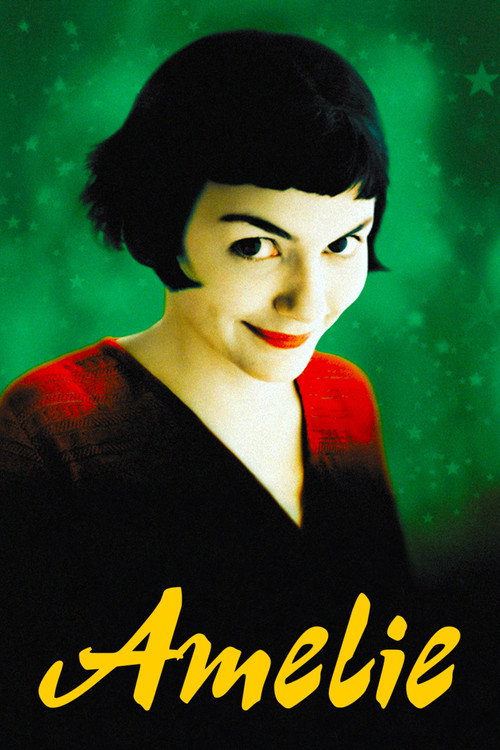
Amélie2001
A different kind of Paris fairy tale, where chance encounters and small kindnesses ripple outward into something like destiny. Shares Red's belief that strangers' lives quietly rhyme.
But Whimsical where Red is restrained — its sweetness can feel like sugar after Kieślowski's dry white wine.
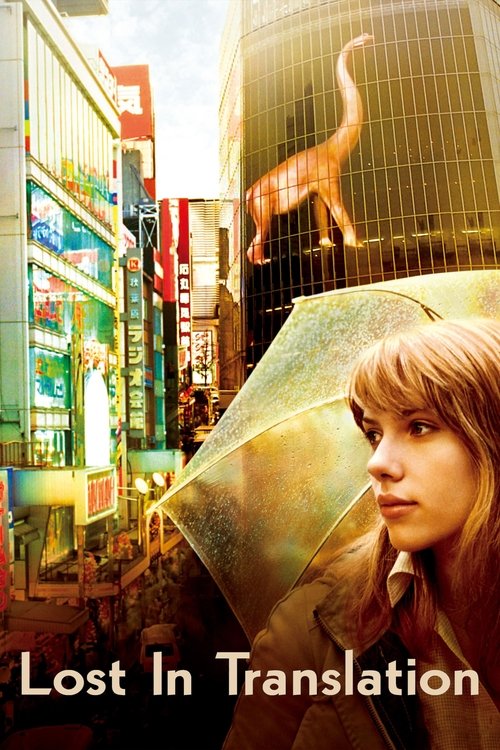
Lost in Translation2003
An unlikely, tender friendship between two people who shouldn't have much in common, set against a beautifully alienating backdrop. Same patience, same trust in glances over dialogue.
But Looser and more comic in structure — don't expect the tight thematic architecture of Kieślowski's film.
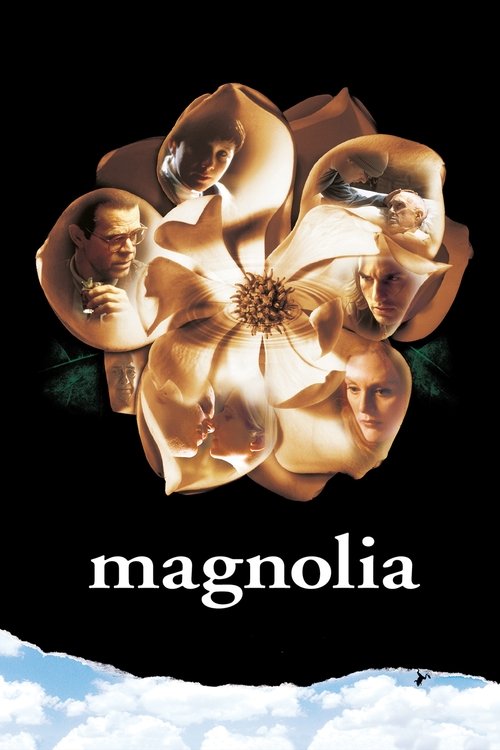
Magnolia1999
Takes the trilogy's fascination with coincidence and cranks it to operatic extremes — strangers' lives colliding under one enormous, fated sky. Bigger and louder, but moved by the same questions.
But Three hours of maximalist American ensemble drama is a world away from Red's minimalism — brace for volume.
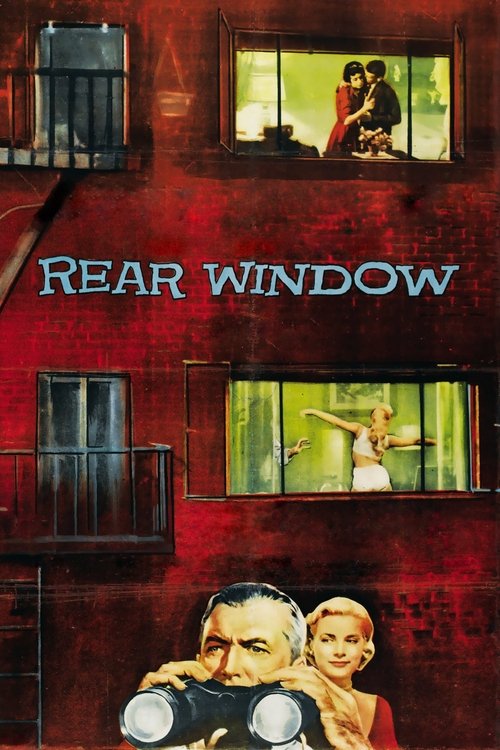
Rear Window1954
Hitchcock's classic about watching your neighbours turns the judge's eavesdropping into full obsession. Suspenseful proof that surveillance was always cinema's favourite guilty pleasure.
But Straightforward thriller mechanics replace Red's ambiguity — this one wants you gripped, not wondering.
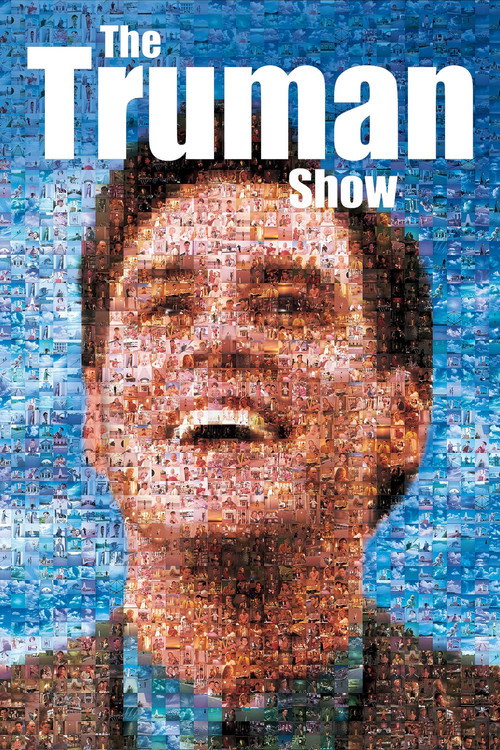
The Truman Show1998
Takes the idea of being watched to its logical, terrifying extreme. Where Red asks what it means to observe someone with tenderness, this asks what it means to be observed without consent.
But Broader and more satirical — the philosophical question is the same but the delivery is pure Hollywood high-concept.
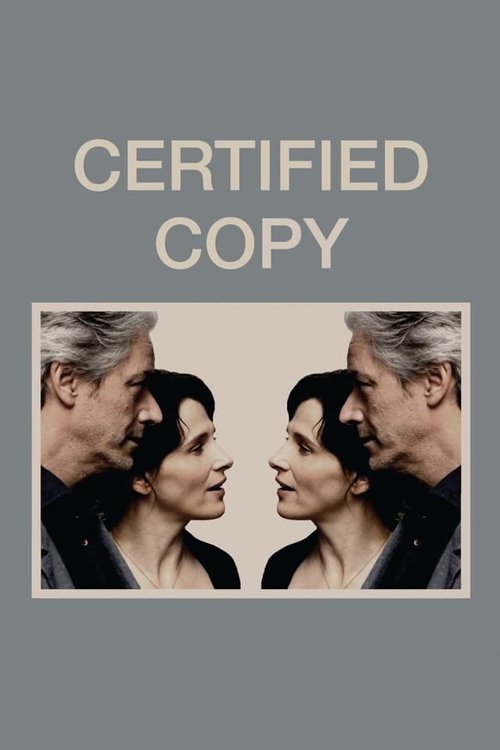
Certified Copy2010
Kiarostami's puzzle about identity and connection between two strangers — or maybe not strangers — shares Red's interest in ambiguity and the instability of intimacy.
But Even more deliberately withholding than Kieślowski — some viewers walk away unsure what they just watched.
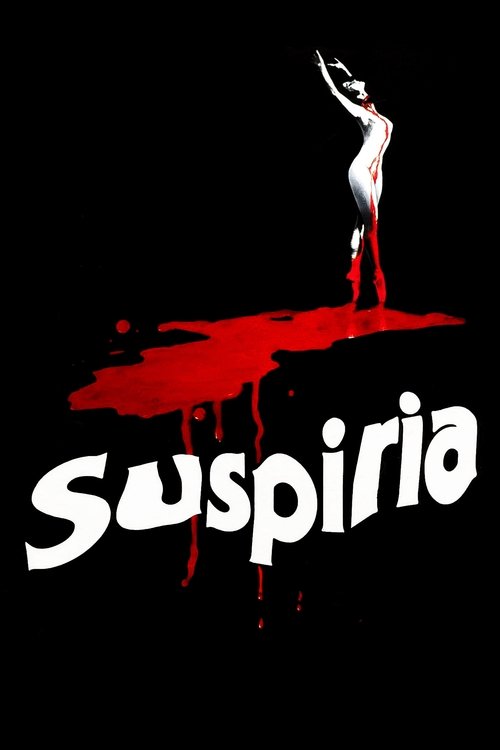
Suspiria1977
Same obsessive use of red as an almost narrative force, pushing characters toward fate rather than illustrating mood — just filtered through giallo excess instead of arthouse restraint.
Argento's horror classic bathes its dance academy in the same lurid reds that stalk Valentine through Geneva — proof that colour-as-emotion is a trick that works in any genre, even a nightmare.
But This is a body-horror fever dream, not a meditation — gore and shrieking synths where Red gives you silence and stillness.
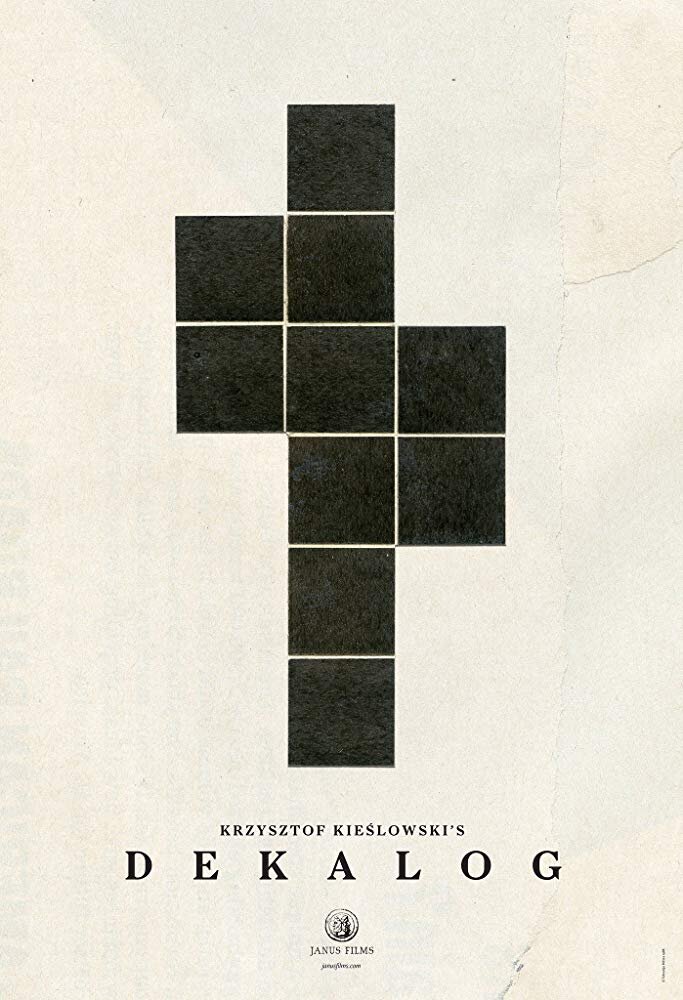
Dekalog1989
This is where Kieślowski worked out the ideas Red later distills — strangers' lives brushing against each other, small choices carrying huge moral weight, all shot with the same patient, watchful camera.
Kieślowski's own ten-part television series, each hour a self-contained moral puzzle set around a Warsaw housing block. Same interest in chance, ethics, and quiet coincidence — the blueprint the trilogy grew from.
But Ten hours of Polish television from the late '80s is a real commitment, and the pacing is even slower than Red's.
People
Cast
 Irène JacobValentine
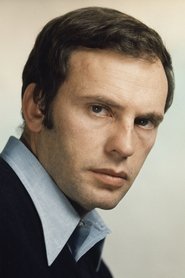 Jean-Louis TrintignantThe Judge
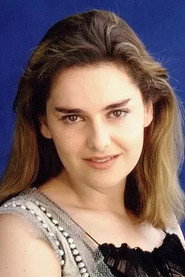 Frédérique FederKarin
 Jean-Pierre LoritAuguste
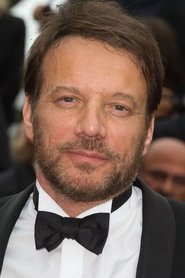 Samuel Le BihanPhotographer
 Marion StalensVeterinarian
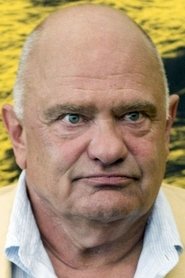 Teco CelioBartender
 Bernard EscalonRecord Dealer
- Jean SchlegelNeighbor
 Elżbieta JasińskaWoman
- Paul VermeulenKarin's Friend
- Jean-Marie DaunasTheater Keeper
Directing
- Emmanuel FinkielAssistant Director
- Jean-Jacques RossmannAssistant Director
- Pascal VerdosciAssistant Director
- Thierry MouquinAssistant Director
- Xavier NicolAssistant Director
- Krzysztof KieślowskiDirector
Writing
- Krzysztof KieślowskiScreenplay
- Krzysztof PiesiewiczScreenplay
- Agnieszka HollandStory Consultant
- Edward ŻebrowskiStory Consultant
- Piotr SobocińskiStory Consultant
Production
- Margot CapelierCasting
- Yvon CrennExecutive Producer
- Marin KarmitzProducer
- Gérard RueyProduction Manager
Recommended by
The Double Life of Véronique, Blind Chance, Smile, Until the End of the World, Hitsville: The Making of Motown, The Draughtsman's Contract, Incendies, The Crimson Petal and the White, Ghost Stories, The Sacrifice, Burton and Taylor, Code Black, The Cry, Nobody's Fool, Santiago, Italia, Three Colors: Blue, Indian Matchmaking, Sheer Qorma, A Christmas Carol, The Idiot, In the Mouth of Madness, Maelström, 1971, Pray the Devil Back to Hell, Medea, The Man from London, The Oresteia, First Name: Carmen, The Crimson Rivers, The Last Breath, The Men Who Made Us Spend, Premonition, National Bird, Fade to Black, My Big Fat Gypsy Wedding, The Chess Players, Distant, The Tempest, A Place for Lovers, Face to Face, The Death of Empedocles, Try Harder!, Ride the Eagle, Adoption, Closed Curtain, I Take This Woman, Slow Light, Paradesi