
Film
1971
Other titles called 1971: the 2007 film.
A 1971 FBI break-in by anti-war activists exposed illegal domestic surveillance, changing American history. This documentary reunites the perpetrators forty years later as they reveal their identities and motivations. It's a taut, intimate heist narrative framed by contemporary questions about leaks, activism, and state power. Essential viewing for anyone interested in civil disobedience, Cold War paranoia, or how individuals challenge institutional secrecy.
If you liked this
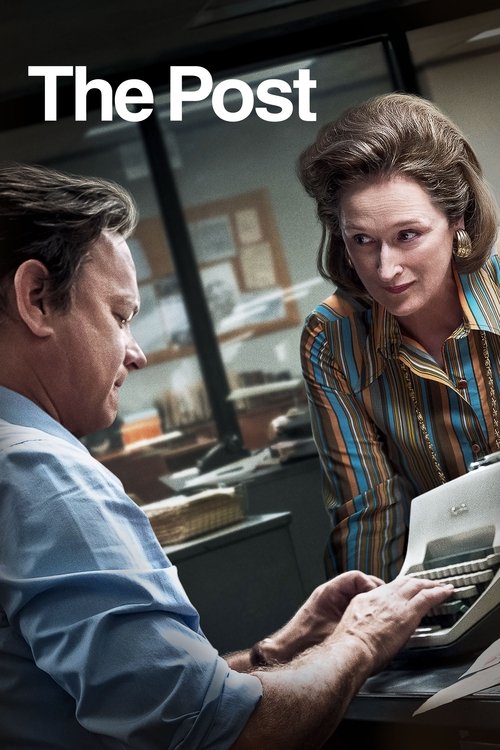
The Post2017
Steven Spielberg's account of another landmark leak that challenged government secrecy, featuring similar moral urgency and the collision between institutional power and public truth-telling.
But Heavy on procedural courtroom mechanics; slower-paced than the heist energy of 1971, with less intimate character focus.
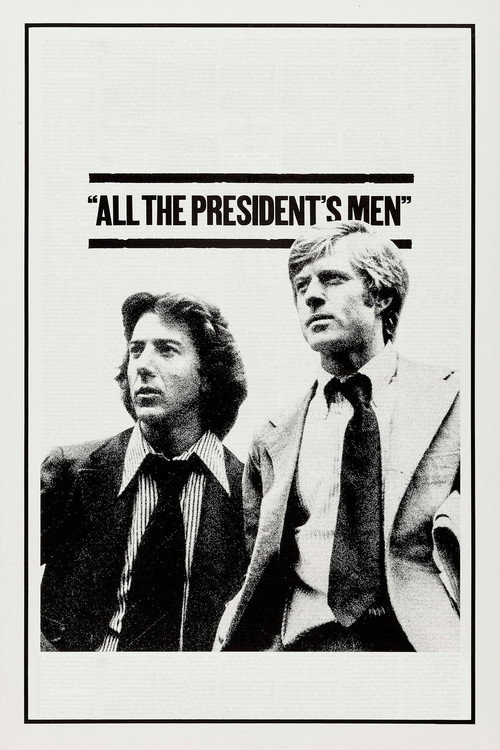
All the President's Men1976
Methodical, gripping account of journalists pursuing the truth when institutions actively conceal it. Same era, same stakes about who gets to know what and why secrecy matters.
But Centered on journalists rather than activists; the investigation unfolds over months with less of the concentrated urgency a break-in provides.
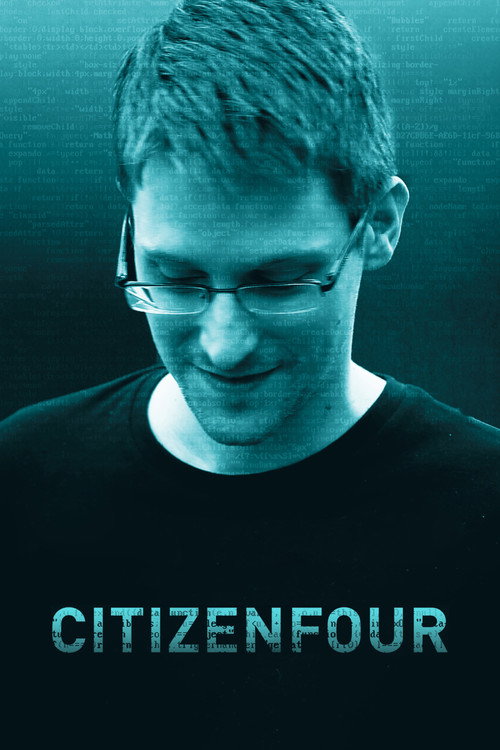
Citizenfour2014
Laura Poitras follows Edward Snowden as he reveals NSA mass surveillance—essentially 1971's story played out in real time, with similar questions about individual conscience versus state apparatus.
But More abstract and philosophical; Snowden remains largely offscreen, so there's less personal narrative and more geopolitical abstraction than 1971 offers.
Not sure tonight? Get a pick in a minute, starting from 1971
The wildcard
Something you would not have found on your own.
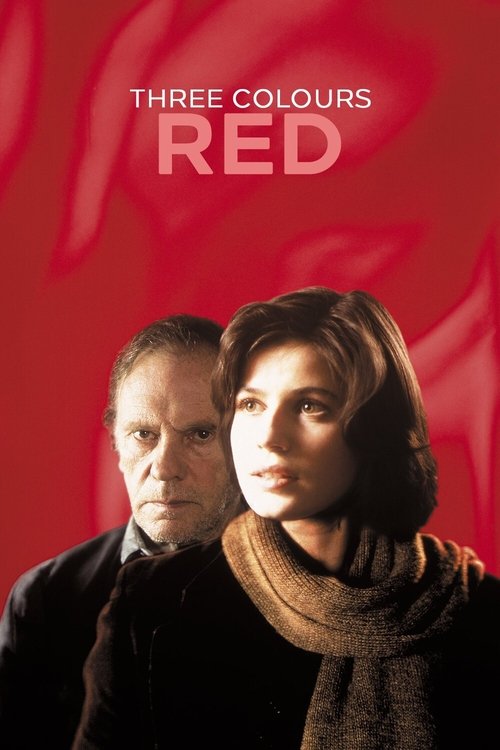
Three Colors: Red1994
Both explore what happens when ordinary people discover they're being watched and must choose between safety and truth. Both are about complicity and conscience, but Red asks these questions through intimate coincidence rather than activism.
Kieślowski's meditation on chance, surveillance, and connection—a woman discovers she's being secretly monitored and must decide whether to expose or protect those involved. Same moral vertigo about privacy violation, different register entirely.
But Glacially paced, abstract, more philosophical than narrative-driven; requires patience with ambiguity and symbolism rather than the clarity of a heist story.
More like this (6)
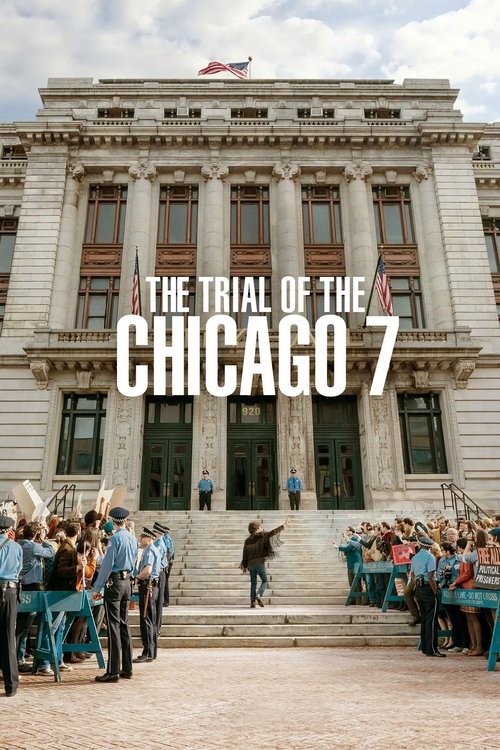
The Trial of the Chicago 72020
Aaron Sorkin dramatizes the 1969 trial of anti-war activists, capturing the same era's collision between grassroots resistance and institutional power, with documentary precision and narrative drive.
But Fictionalized and scored for maximum emotional impact; the courtroom focus means less intimate exploration of the activists' actual lives and reasoning.
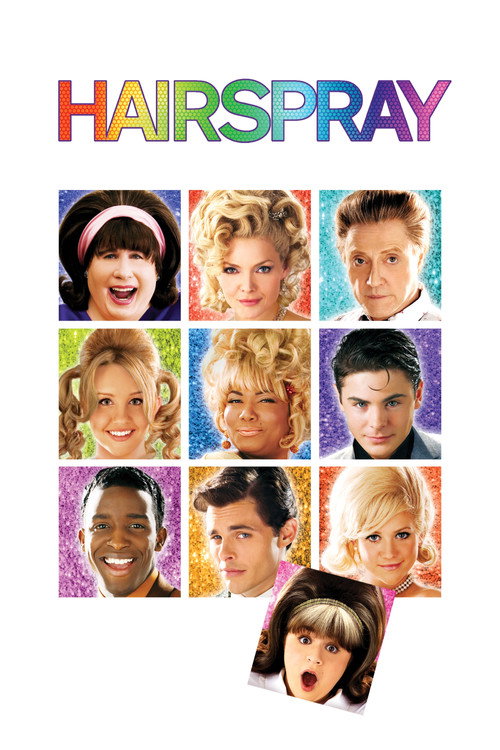
Hairspray2007
John Waters' original 1988 film (or the 2007 musical adaptation) captures the same era's collision between social change and institutional resistance, with the same affection for ordinary people challenging the system.
But Comedy rather than documentary; the tone is antic and theatrical where 1971 is contemplative and grave—different emotional register entirely.
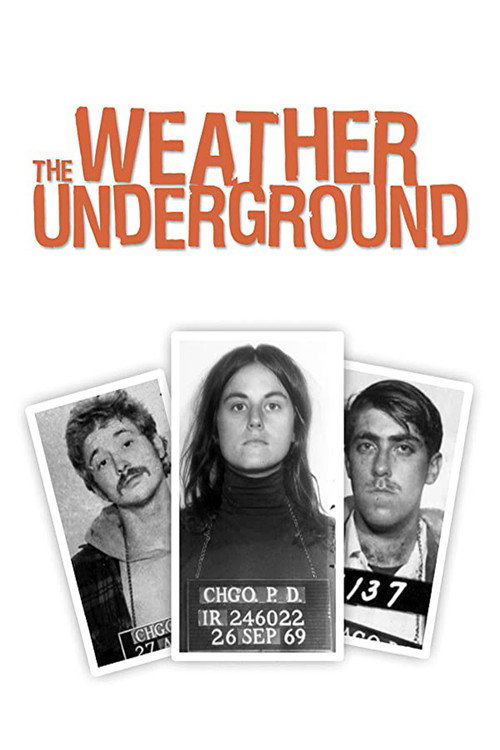
The Weather Underground2002
Documentary following a radical anti-war group, featuring many of the same activists and questions about tactics, legacy, and whether violence or civil disobedience was justified.
But Focuses on a more militant faction; the moral complexity skews toward justifying rather than examining the cost of their methods.
Spotlight2015
Methodical account of journalists uncovering institutional malfeasance no one wanted exposed. Same questions: what does it cost to push back against powerful institutions that prefer silence?
But Institutional rather than personal—the Boston Globe's investigation unfolds through procedure rather than intimate character revelation like 1971 achieves.

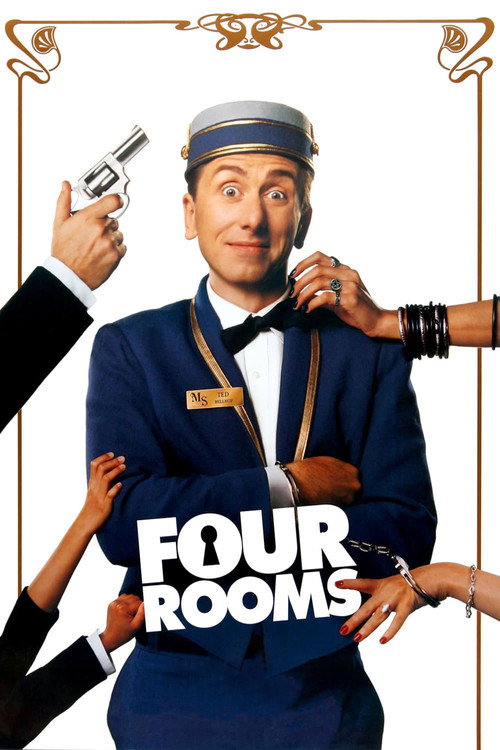
Four Rooms1995
Not a documentary, but a chamber piece about ordinary people in confined spaces making moral choices under pressure—a different genre but similar intimate, conversational energy.
But A dark comedy about a single night in a hotel room; the tone and stakes are radically different from 1971's historical weight and emotional gravity.
The Lives of Others2006
Both are about surveillance systems revealed by insiders; 1971 shows activists exposing what the state does to civilians, while Lives shows a state agent discovering why surveillance is wrong. Mirror images of conscience.
East German surveillance state drama where a Stasi officer discovers his target's humanity and must choose between duty and conscience. Moral reversal: instead of activists leaking against the state, it's the state apparatus breaking from within.
But Bleak and slow; the surveillance apparatus is so total and efficient it can feel suffocating rather than galvanizing. Less about collective action, more about one person's private moral awakening.

People
Cast
- Bonnie RainesSelf
- John RainesSelf
- Bob WilliamsonSelf
- Keith ForsythSelf
- Bill DavidonSelf
- Peter GregusBill
 Lauren A. KennedyBonnie Raines
 Rich GraffJohn Raines
- Daniel S. TaylorKeith
- John IsgroCustodian
 Kerry MalloyFBI Agent
Directing
- Johanna HamiltonDirector
Writing
- Gabriel RhodesWriter
- Johanna HamiltonWriter
Production
- Katy ChevignyProducer
- Marilyn NessProducer