
Film
The Weather Underground
A searing documentary about the Weather Underground, the militant faction that emerged from 1960s activism and carried armed struggle into the 1970s. It's a rigorous, unsentimental look at how idealism became violence, using archival footage and interviews with surviving members to ask hard questions about means, ends, and what remains of revolution.
If you liked this
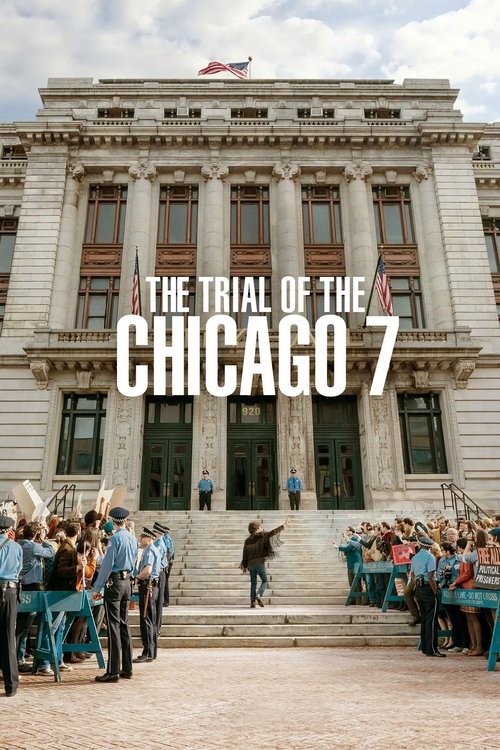
The Trial of the Chicago 72020
Sorkin dramatizes the 1969 Democratic National Convention protests and the subsequent trial of activists, capturing the same era of American political combustion from the courtroom. Angry, fast-paced, and cinematically thrilling.
But It's a Hollywood version of events: sleek, dramatically tightened, and sometimes softens the radical impulses in favour of legal theatre and witty speeches.
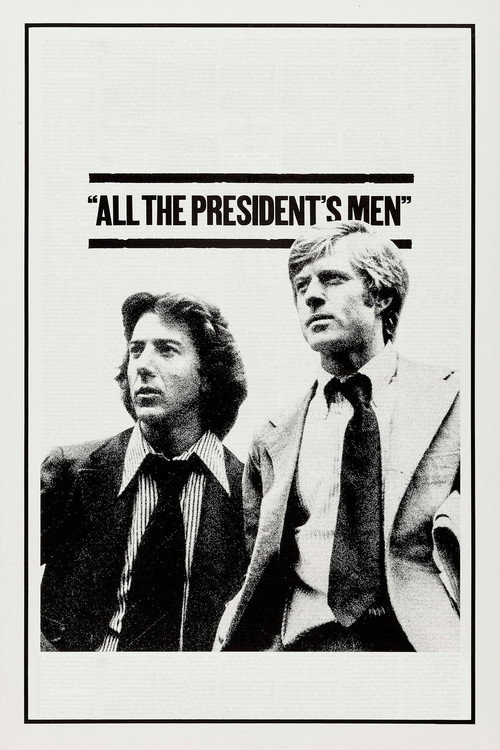
All the President's Men1976
A meticulous procedural about journalists uncovering Watergate, made in the same period The Weather Underground covers. Shows how systemic power actually crumbles, and why some turned to other methods.
But Slower and more methodical than modern thrillers; long stretches of phone calls and file cabinets. The payoff is historical, not immediate.
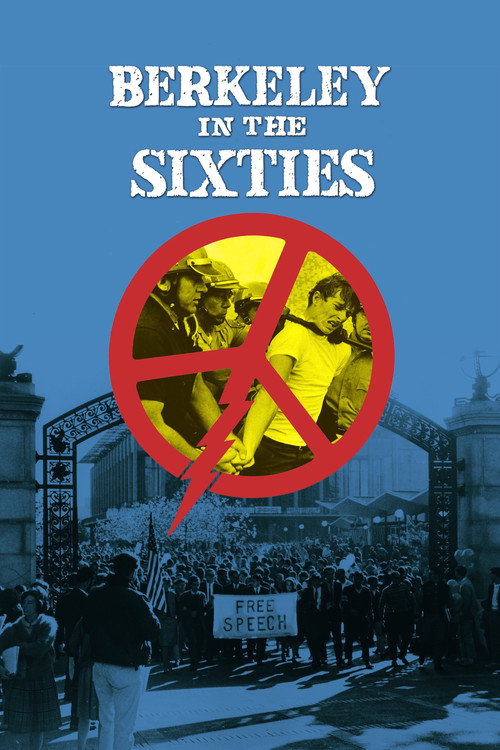
Berkeley in the Sixties1990
This documentary traces the Free Speech Movement and campus radicalism from the same California context that birthed Weather. Archival-heavy, often moving, and essential context for understanding how the movement fractured.
But Straightforward documentary approach—no narrative tricks, no dramatic reconstruction. Requires you to bring your own interest to the material.
Not sure tonight? Get a pick in a minute, starting from The Weather Underground
The wildcard
Something you would not have found on your own.
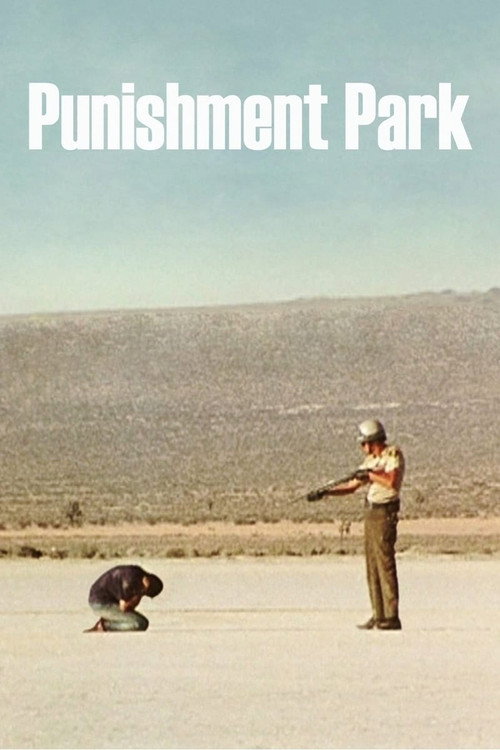
Punishment Park1971
Both demand viewers understand radicalism as a response to perceived inevitability. Watkins shows the vision that convinced people like Weather that accommodation was impossible.
Peter Watkins's banned found-footage nightmare imagines a near-future America where dissidents are hunted in the desert. Prophetic, enraging, and formally inventive—it shows what Weather activists feared was coming, and what they thought justified pre-emptive action.
But Confrontational and stylistically chaotic; meant to provoke discomfort rather than resolution. The politics are explicit and uncompromising, which many find didactic.
More like this (5)
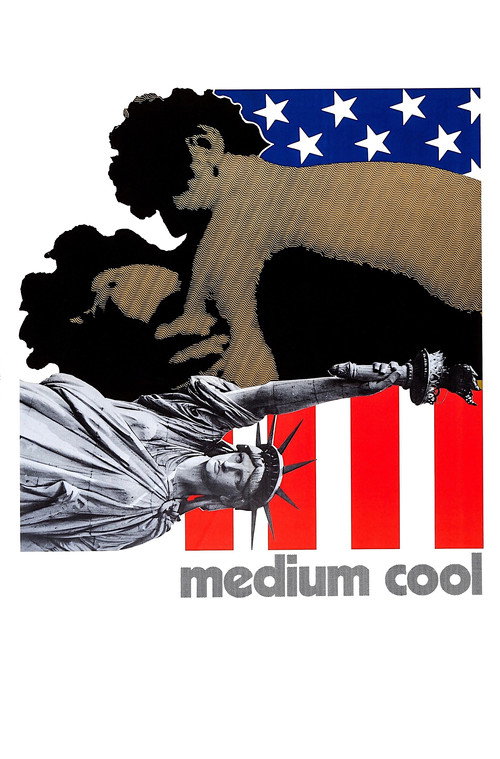
Medium Cool1969
A fiction film made during the 1968 Chicago riots, following a cameraman navigating between distance and complicity. Captures the period's paranoia and moral dissonance with rare immediacy.
But Experimental narrative structure and deliberate detachment can feel cold. Some viewers find the protagonist difficult to root for.
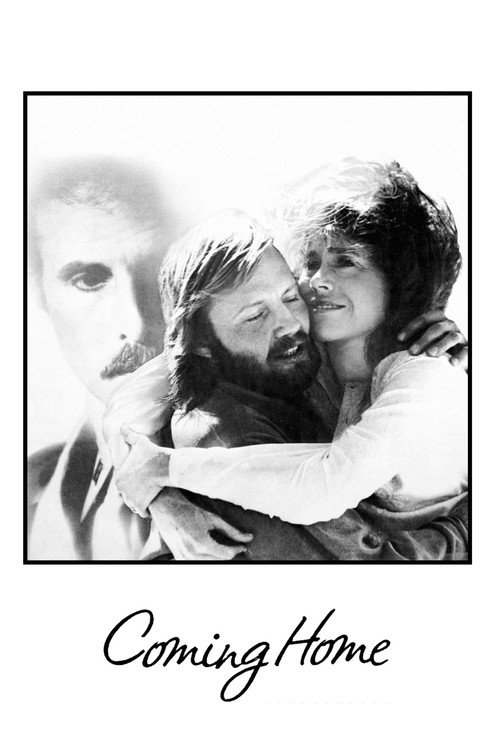
Coming Home1978
A domestic drama set against the Vietnam War's end, exploring how ideology and violence touch a marriage. Shows the personal fractures that radical times inflict.
But Melodramatic in places, and the political stakes sometimes take a backseat to romantic conflict. The ending may feel glib about what it's trying to say.
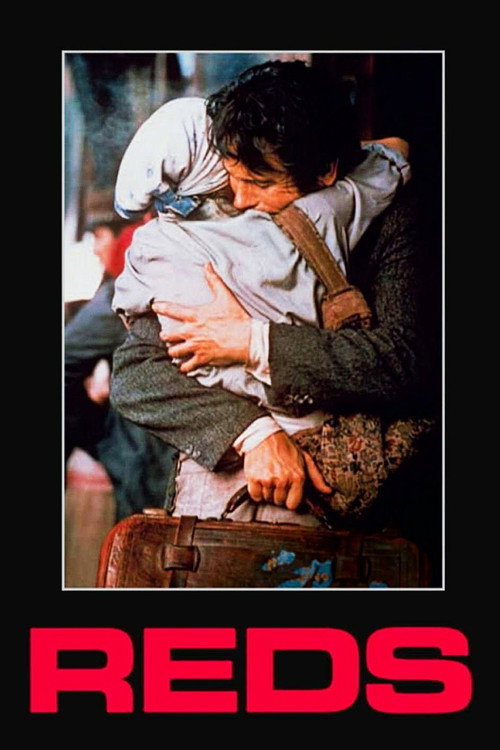
Reds1981
Beatty's epic about American communists and the Russian Revolution, with period-authentic interviews woven through the narrative. Argues that radical idealism was once American, not fringe.
But Nearly three hours, and Beatty's romanticism about revolution is precisely what Weather's documentary calls into question. It argues the opposite case.
The Battle of Algiers1966
Pontecorvo's masterpiece about anti-colonial armed struggle uses neorealist technique to put you inside the FLN's logic and tactics. Weather members cited it; see why.
But Presents terrorism as justified struggle without moral reservation. Difficult to watch, deliberately, and some recoil from its certainty.

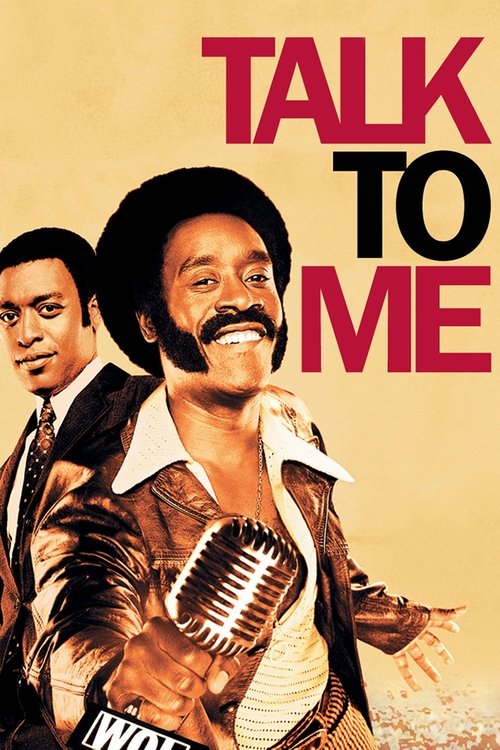
Talk to Me2007
Don's journey mirrors the arc many Weather members faced: from urgent moral clarity to complex compromise, asking whether you save more people speaking into a microphone than through direct action.
Kanya-West directs this biography of Washington D.C. radio host Don Cornelius. Seems unrelated until you realize it's about how radical voices shift from action to influence, performance to legacy—the path many Weather members eventually took after prison or amnesty.
But Melancholic and introspective; no explosions or dramatic confrontation. Asks what a life looks like after the revolutionary moment passes, which is quieter and sadder than the documentary itself.
People
Cast
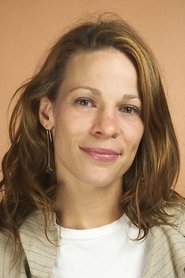 Lili TaylorNarrator (voice)
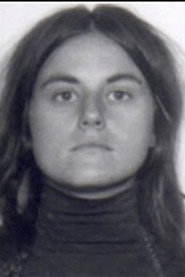 Bernardine DohrnSelf
- Mark RuddSelf
- Brian FlanaganSelf
- David GilbertSelf
 Bill AyersSelf
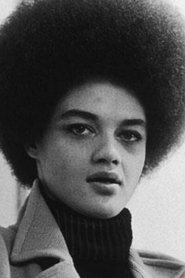 Kathleen CleaverSelf
- Laura WhitehornSelf
Directing
- Bill SiegelDirector
- Sam GreenDirector
Production
- Christian EttingerExecutive Producer
- Sam GreenProducer