
Film
Berkeley in the Sixties
Berkeley in the Sixties captures the birth of American student activism through firsthand accounts of the Free Speech Movement, anti-war protests, and radical politics that erupted on one campus and changed the nation. It's urgent, intimate, and grounded in testimony—not a lecture, but a conversation with people who were there. For anyone curious about how protest movements actually form and what it felt like to believe you could remake the world through activism.
Should you watch it?
Watch it if you want the Berkeley protest years told by the people who lived them, with archival footage and first-person memory doing the work that a narrator usually would.
Skip it if you came for a sweeping, cinematic history of the decade; this is a plainer, talk-driven documentary where the interviews carry most of the weight.
What it asks of you: Nearly two hours of sitting with former activists recalling events, so it rewards patience and a willingness to follow arguments rather than scenes.
Not sure? Find tonight's pick in a minute.
If you liked this
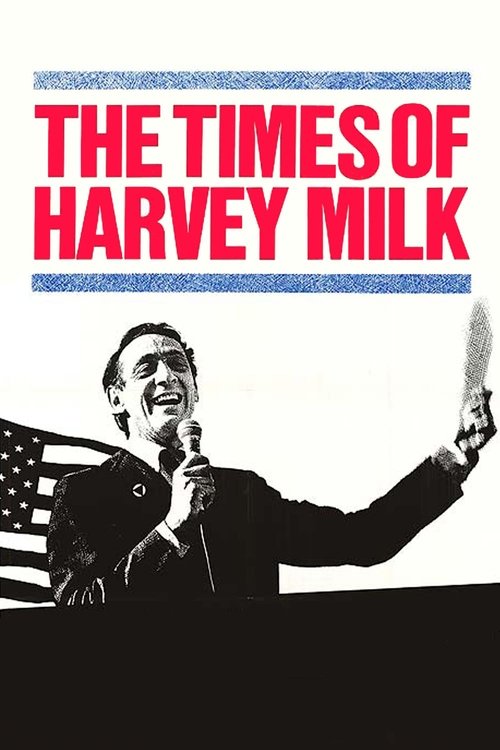
The Times of Harvey Milk1984
Documentary about a defining political moment told through intimate interviews and archival footage. Like Berkeley, it captures activists as they were—flawed, passionate, and reshaping American culture from the ground up.
But Focuses on a specific tragedy that may be heavy depending on your headspace. Not a broad survey, but a deep dive into one chapter.
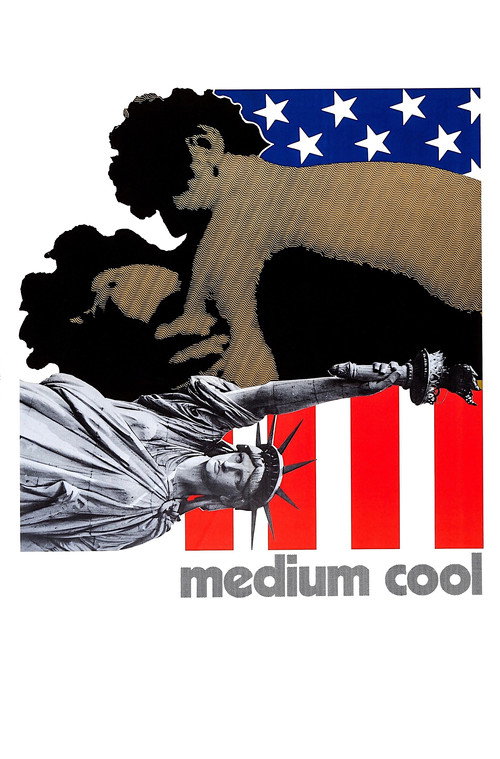
Medium Cool1969
Fictional film shot during the 1968 Chicago riots, blurring documentary and narrative to show how activism and media collide. Captures the same era's chaos and idealism that Berkeley documents, but from inside a story.
But The line between real footage and staged scenes gets deliberately blurry. If you want clarity, this will frustrate you.
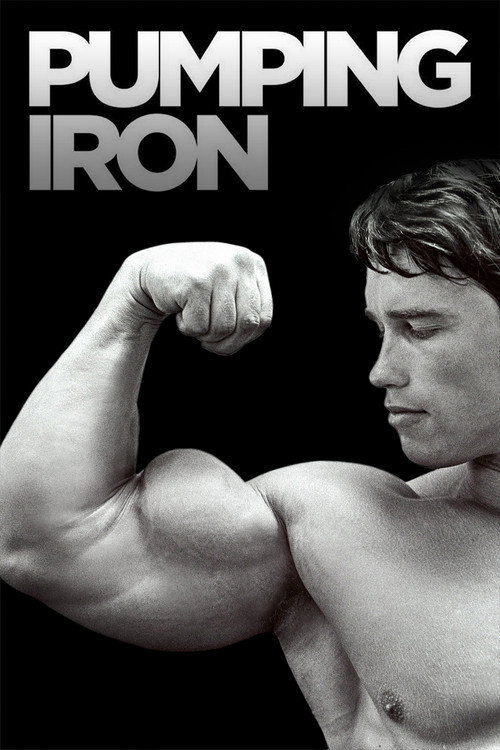
Pumping Iron1977
Documentary that treats its subculture—bodybuilding—with the same respect and humour Berkeley gives to activism. Charismatic interviews, period texture, and genuine insight into why people are drawn to extreme commitment.
But Complete tonal shift away from politics. If you're looking to stay in serious documentary mode, this will feel like a break.
Not sure tonight? Get a pick in a minute, starting from Berkeley in the Sixties
The wildcard
Something you would not have found on your own.
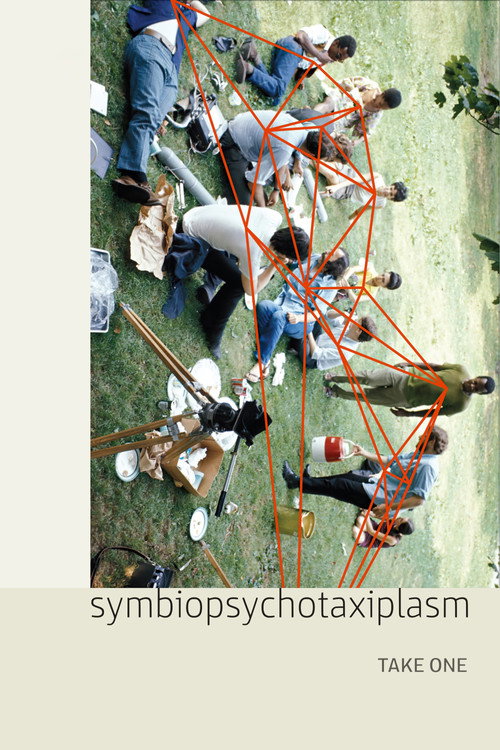
Symbiopsychotaxiplasm: Take One1968
Both are 1960s documents about who claims voice and authority in America; both use unconventional documentary form to question what's real.
William Greaves made a film-within-a-film about Black actors improvising Shakespeare in 1968 New York, then buried it for decades. It's formally radical, about performance and identity, and was made during the exact moment Berkeley documents—by someone grappling with similar questions of who gets to speak and be heard.
But Experimental and deliberately fragmented. If you want linear narrative or clear conclusions, this will feel maddening rather than clarifying.
More like this (8)
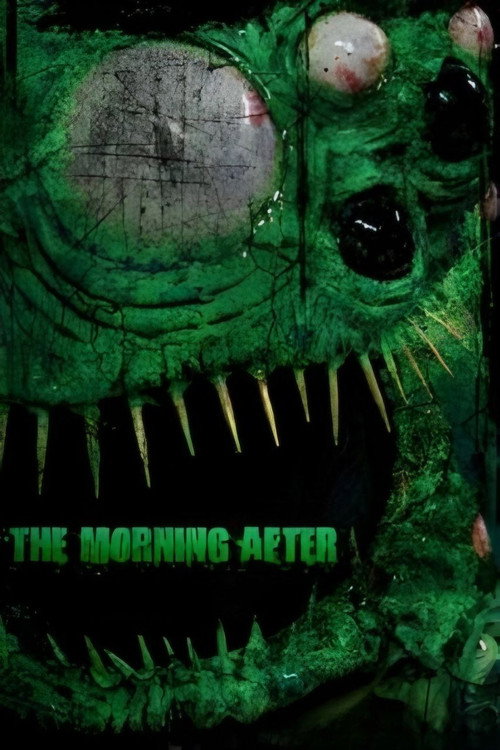
The Morning After2010
Documentary following people from the Berkeley Free Speech Movement as they reflect on how their 1960s activism shaped—or disappointed—them across fifty years. Direct companion piece to the same story.
But Slower paced than Berkeley. The reflection is quieter, more melancholy, which some find less gripping than the original movement.
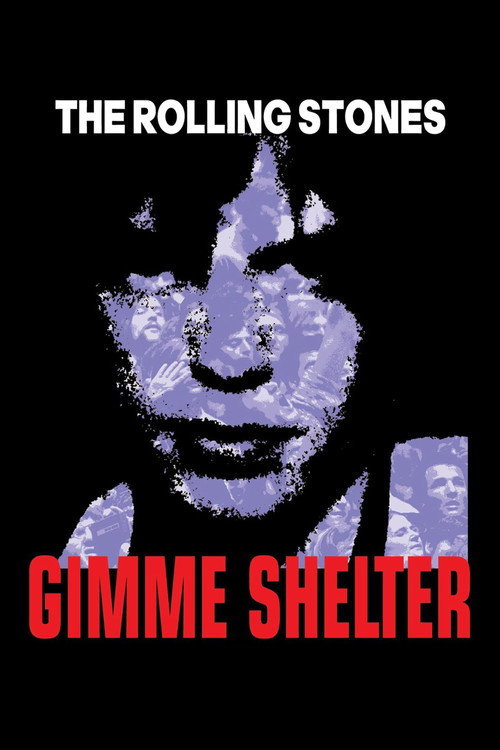
Gimme Shelter1970
The Rolling Stones concert documentary that captured the violent end of 1960s utopianism in real time. Raw, tense, and uses footage to explore what happens when idealism crashes into reality.
But Violent. The climax is genuinely disturbing. Not an easy watch, despite being about music.
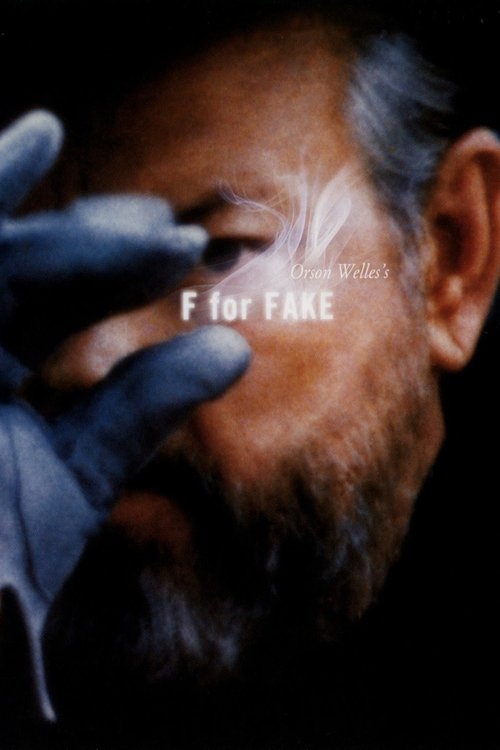
F for Fake1973
Orson Welles's playful essay-film about truth, deception, and documentary itself. If Berkeley makes you wonder how reliable memory and testimony are, this brilliantly interrogates those exact questions.
But Experimental and digressive. Some find it infuriating rather than clever. Requires patience for apparent tangents.
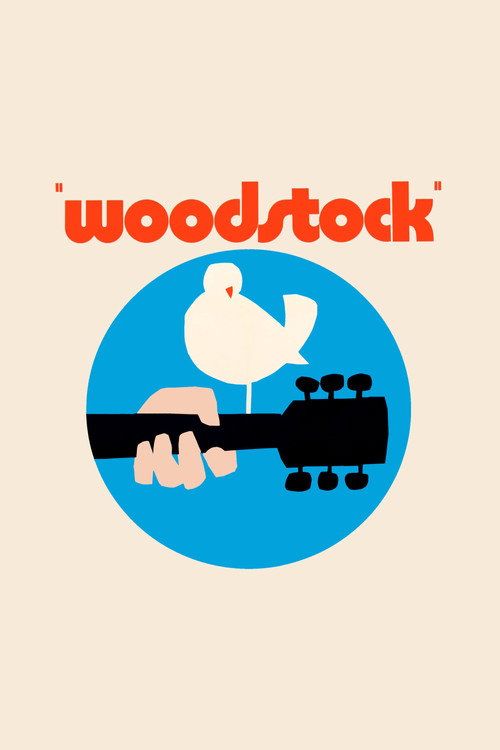
Woodstock1970
Documentary about the festival that epitomized 1960s counter-culture idealism. Gorgeously shot, energetic, and captures the same generation's hopes through a different lens: music and community instead of protest.
But Romanticises the era in ways Berkeley's testimony doesn't. Can feel nostalgic rather than critical.
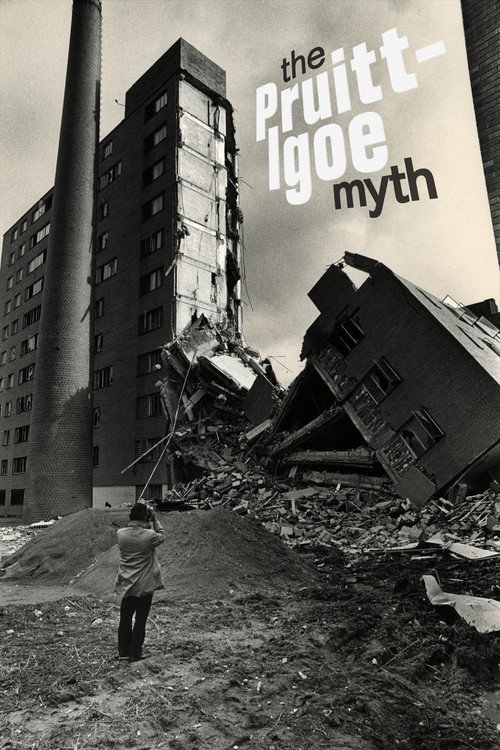
The Pruitt-Igoe Myth2012
Explores the rise and destruction of a public housing complex through interviews, archival footage, and structural analysis. Like Berkeley, it's about systems, idealism, and what went wrong—but through urban planning instead of politics.
But Abstract at times. The connections between urban policy and social breakdown require patience to parse.
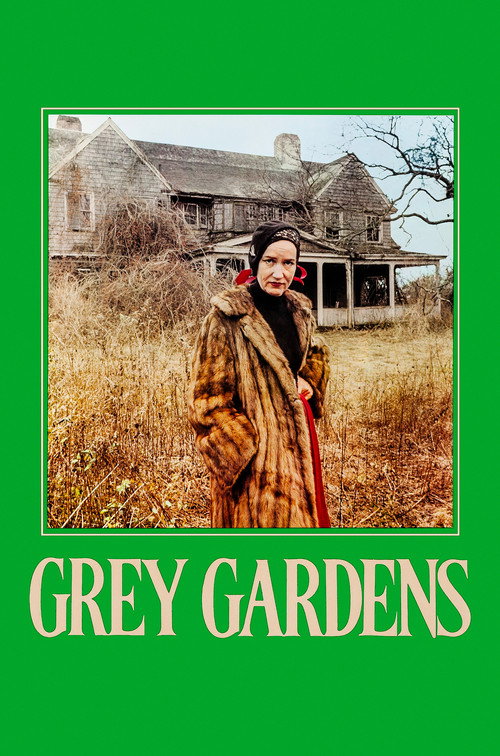
Grey Gardens1976
Documentary portrait of eccentrics and family breakdown shot with observational intimacy. Completely different subject, but the same commitment to letting people speak and reveal themselves through unguarded moments.
But Uncomfortable. It's partly a freak-show feel, and the subjects' mental health issues are on display. Some find it exploitative.
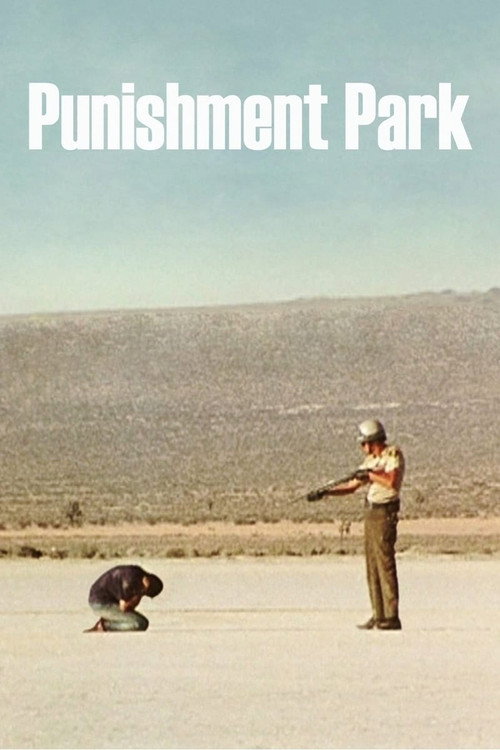
Punishment Park1971
Takes the Berkeley generation's paranoia about state repression and transforms it into speculative fiction. The same raw political anxiety, different form.
Peter Watkins's harrowing fictional film imagines a near-future America rounding up student protesters for 'rehabilitation.' It's what Berkeley's activists feared could happen, dramatized with documentary realism into something genuinely prophetic and disturbing.
But Relentlessly bleak and quasi-documentary in style, which some find confusing (is this real?). Difficult to watch and offers no comfort.
La Haine1995
Both use urgent documentary-style realism to argue that marginalized people's lived experience is the only reliable truth; both insist on testimony over analysis.
Mathieu Kassovitz's film about young men in Paris housing projects uses similar visual testimony and urgency to Berkeley's approach, but applies it to a different country, generation, and kind of marginalization. Shows how the documentary impulse toward activism travels across decades and continents.
But Not a documentary—it's a narrative film. And it's about urban poverty in France, not 1960s American student activism. The connection is formal and thematic rather than literal.

People
Cast
- Jentri AndersSelf
- John De BonisSelf
- Hardy FryeSelf
- John GageSelf
 Allen GinsbergSelf
- Todd GitlinSelf
- Susan GriffinSelf - Narrator
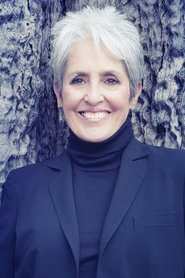 Joan BaezSelf (archive footage)
- Frank BardackeSelf (archive footage)
- Mario SavioSelf (archive footage)
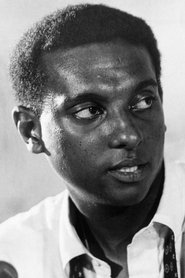 Kwame TureSelf (archive footage)
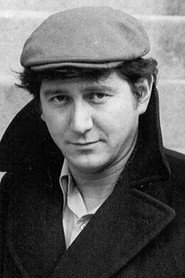 Phil OchsSelf (archive footage)
Directing
- Mark KitchellDirector
Writing
- Mark KitchellWriter
- Stephen MostWriter
- Susan GriffinWriter
Production
- Mark KitchellProducer