
Film
The Morning After
Other titles called The Morning After: the 1986 film.
A lean, nasty 32-minute horror short about a group of hungover twentysomethings discovering that their friend's night took a drastically wrong turn. Shot with guerrilla energy and genuine dread, it's the kind of thing that proves you don't need a feature runtime to curdle someone's stomach. For fans of practical effects and body horror willing to go dark.
Should you watch it?
Watch it if you like horror that builds its dread through small domestic details and ordinary young people talking over each other, the way a tight short-film chiller does before it turns nasty.
Skip it if you want a film that keeps the scares coming or lets its monster stand front and centre; this one is patient, low-budget in feel, and keeps its cards close for most of its half hour.
What it asks of you: It runs about half an hour, so it asks very little of your evening, but you will need to settle into its slow, chatty opening before the mood tightens.
Not sure? Find tonight's pick in a minute.
If you liked this
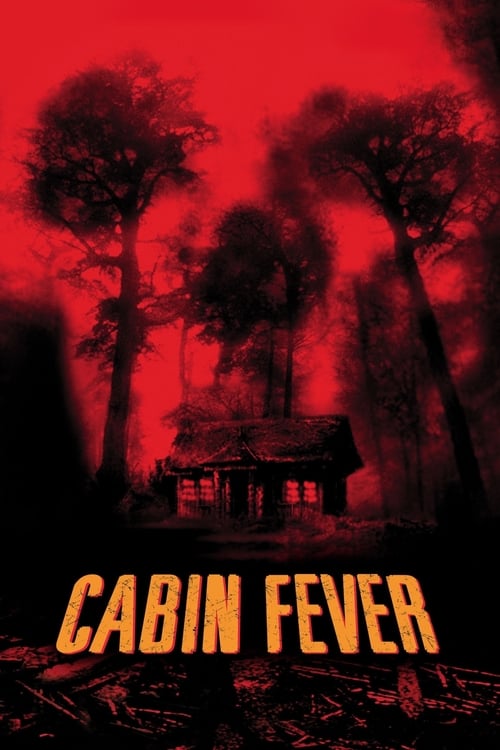
Cabin Fever2003
Eli Roth's debut is claustrophobic infection-horror where isolation breeds paranoia faster than the disease spreads. Splinter-sharp tension in a enclosed space, and no one stays sympathetic for long.
But The humor-to-horror ratio is uneven, and some character decisions veer toward the aggressively stupid rather than believably panicked.
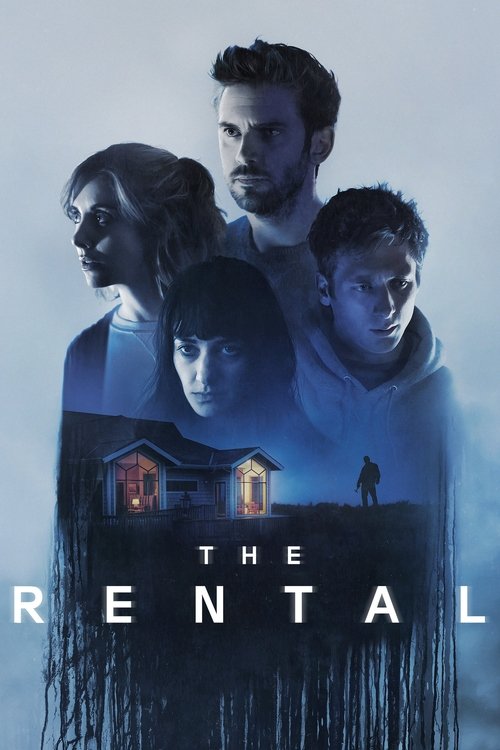
The Rental2020
Dave Franco's directorial debut traps a group of friends in an Airbnb where social cracks widen into genuine terror. Intimate, paranoid, and ruthlessly committed to its premise of comfort becoming entrapment.
But Slower burn than advertised—you need patience with character work before things accelerate into nightmare.
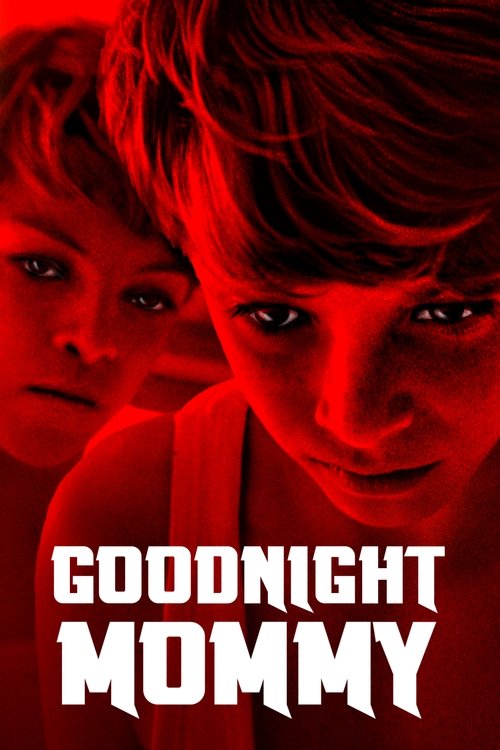
Goodnight Mommy2015
An Austrian shocker that weaponizes domestic space and the uncanny. Startling body horror and a twist that recontextualizes everything before it. Clinical, cold, genuinely unsettling.
But Subtitled, and the graphic content may feel gratuitous to some rather than purposeful. Also disturbing enough that it lingers.
Not sure tonight? Get a pick in a minute, starting from The Morning After
The wildcard
Something you would not have found on your own.
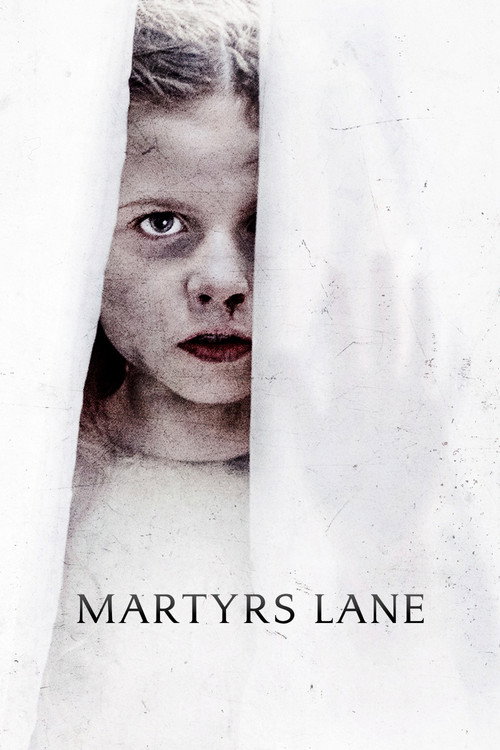
Martyrs Lane2022
Both are compact, intimate horror about what happens inside spaces when people carry unseen damage. The exterior violence mirrors interior corruption.
Ruth Paxton's feature debut is a haunted-house film that moves like grief itself: fragmented, circular, illogical. A girl visits her estranged father and finds something in the walls that mirrors her internal devastation. Horror as a language for pain that can't be spoken.
But Experimental structure and deliberately obscured narrative. You're meant to piece together meaning from fragments. That approach either captivates or frustrates entirely.
More like this (8)
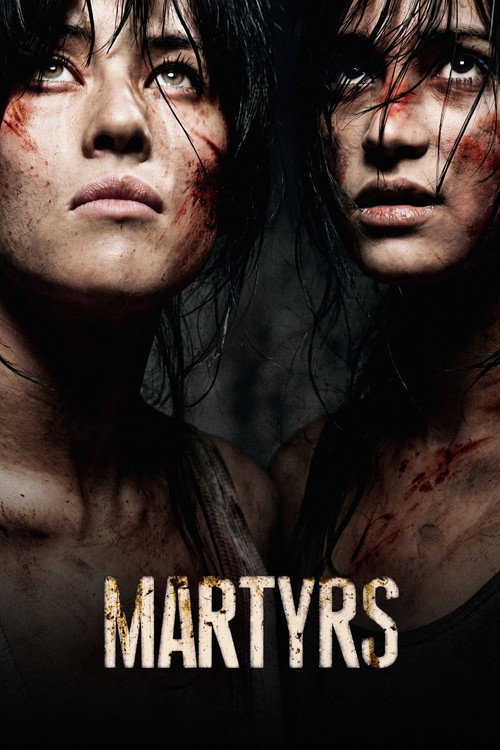
Martyrs2008
French extreme cinema at its most intellectually vicious. Trauma, revenge, and transcendence collide in a film that refuses easy answers or comfort. Unforgettable, committed, totally committed to its moral questions.
But Graphic violence and suffering throughout. This isn't entertainment in the conventional sense—it's philosophy wearing a gore suit.
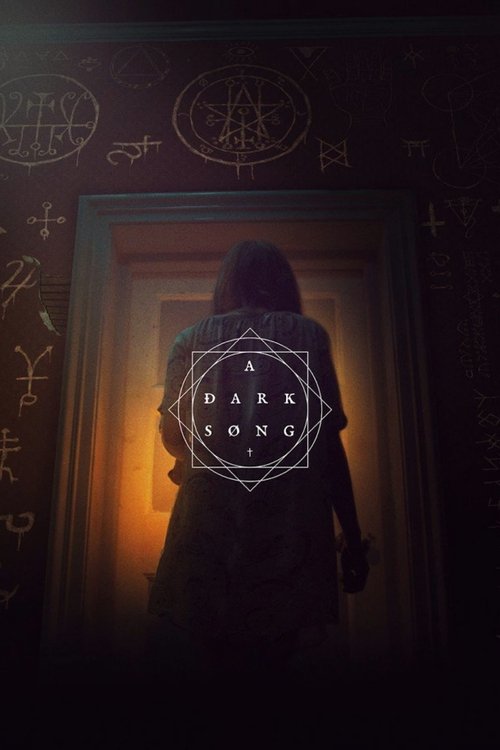
A Dark Song2016
Grief and devotion distilled to two people in a room. It moves like a séance—slow, patient, hypnotic—but the emotional weight becomes overwhelming. Horror as spiritual reckoning rather than jump-scares.
But Glacially paced and entirely internal. If you need plot momentum or external conflict, this will feel static and demanding.
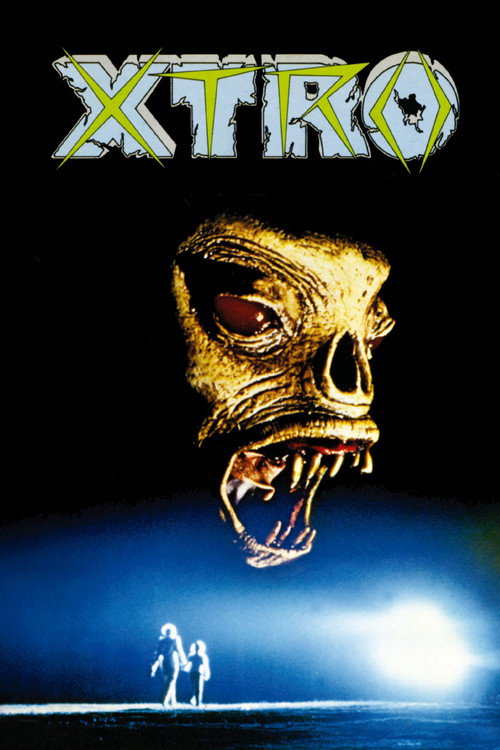
Xtro1982
British sci-fi horror that feels like a nightmare half-remembered. Practical puppetry and grotesque imagery that predates much of modern body-horror cinema. Genuinely weird and committed to staying that way.
But Aggressively 1982 and plot-thin. More concerned with mood and viscera than narrative coherence. Sexually disturbing in ways that feel intentional but uncomfortable.
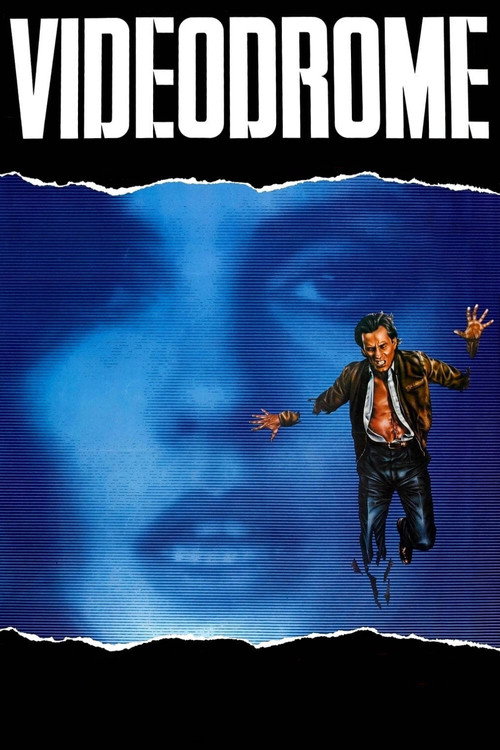
Videodrome1983
Cronenberg's fever dream about media consumption and bodily transformation. Reality dissolves into hallucination and vice versa. Visionary, nauseating, unforgettable—a blueprint for body horror as philosophical statement.
But Deliberately incoherent and druglike. If you want clarity or resolution, Cronenberg isn't interested. The viscera can overshadow the ideas for some viewers.
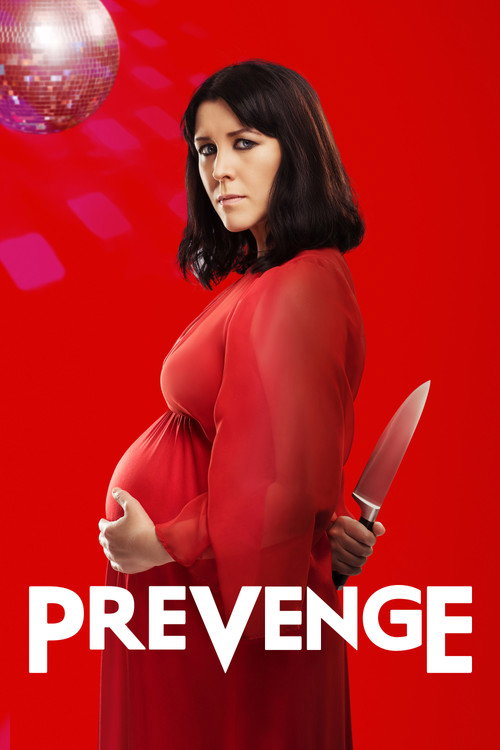
Prevenge2017
Alice Englert carries a surreal, darkly comic body-horror film about pregnancy and agency. Weird, brief, and genuinely original in its take on motherhood as horror. Nasty and smart.
But Tonal whiplash between comedy and body horror. The narrative is deliberately thin, prioritizing mood and imagery over plot clarity.
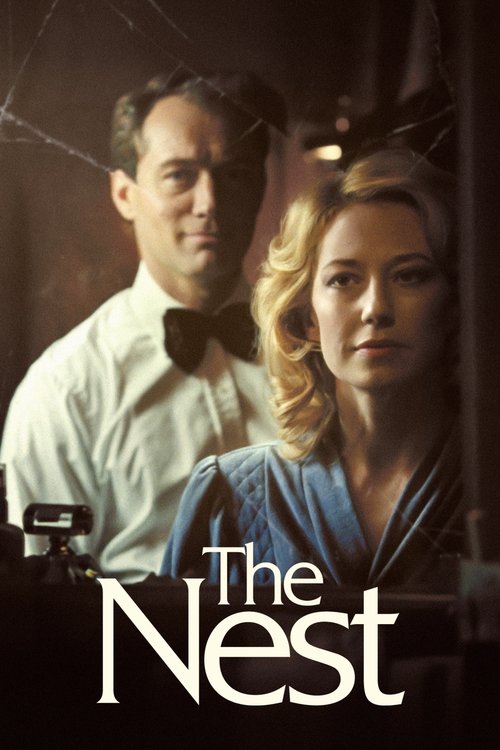
The Nest2020
Sean Durkin's slow-build psychological horror about a family unraveling in a renovated mansion. The house itself becomes monstrous, but so does ambition and resentment. Creeping dread that earns every beat.
But Meditative to a fault—some will find it deliberately paced in a way that feels precious rather than purposeful. Subtlety throughout might frustrate those wanting overt scares.
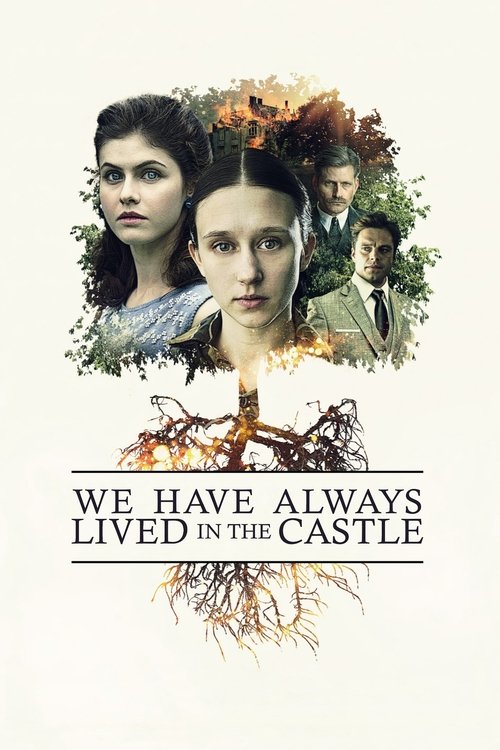
We Have Always Lived in the Castle2019
Both use confined spaces and the people inside them as the real source of horror. The threat isn't external; it emerges from proximity and secrets.
Stacie Lee's adaptation of Shirley Jackson is slow-burn gothic that prioritizes atmosphere and dislocation over plot. A young woman's isolation becomes increasingly claustrophobic as the outside world threatens her carefully constructed world. Oddly beautiful and deeply unsettling.
But Genre-agnostic in ways some will find frustrating. It's not quite horror, not quite psychological drama—the indefinable tone will alienate viewers seeking clear category.
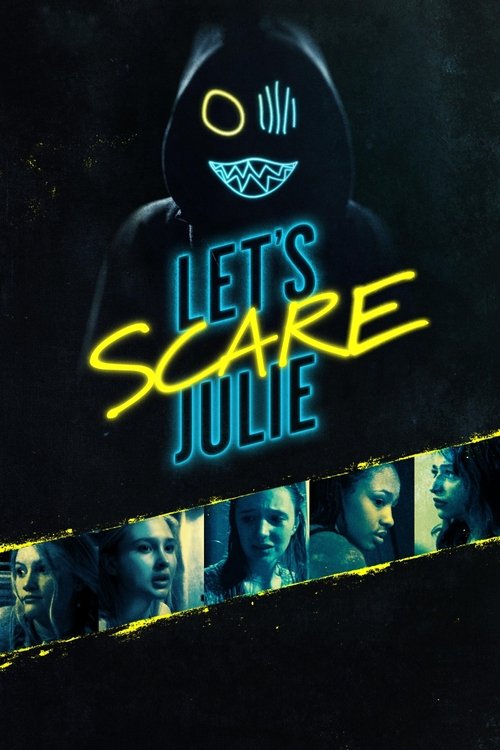
Let's Scare Julie2020
Both compress horror into a short runtime and rely on the interpersonal dynamics of groups to generate dread. The scariest element isn't a monster—it's what people become when unobserved.
Shot in a single continuous take in real time (65 minutes), this is neighborhood kids pranking their friend with increasingly cruel elaborate scares. But it descends into something darker—group psychology, humiliation, mob behavior. No editing means no relief, no cutaways. Total immersion.
But The gimmick (one take, real time) becomes physically demanding to watch. Also, the scares work as social commentary more than as entertainment—it's hostile by design, which many will find exhausting.
People
Cast
- Zack FaheyJerry
- Daniel RichardsonDarryl
- Patrick MerrickGreg
 Laura OwenBeth
- Luke BishopChad
- Adam ConnEric
- Kristpher ElderJeff
- Nicholas LeonardDodge
- Fidel Castro Jr.Arno
- Anthony BerhleChuck
- Scott DawsonThe Jerry Monster
Directing
- David SherbrookDirector
Writing
- David SherbrookWriter
Production
- Meagan HarmonAssociate Producer
- Patrick MerrickAssociate Producer
- Harry SherbrookExecutive Producer
- Jacqueline SherbrookExecutive Producer
- David SherbrookProducer
- Scott DawsonProducer