
Film
Punishment Park
Peter Watkins' 1971 pseudo-documentary imagines a tribunal in the California desert sentencing Vietnam-era dissidents to be hunted by police for sport, shot with handheld immediacy and non-professional actors improvising their own outrage. It's less a story than an experiment in fury — agitprop disguised as reportage, punishing to sit through, and unnervingly plausible. For viewers drawn to raw, formally daring political cinema rather than tidy narrative.
If you liked this
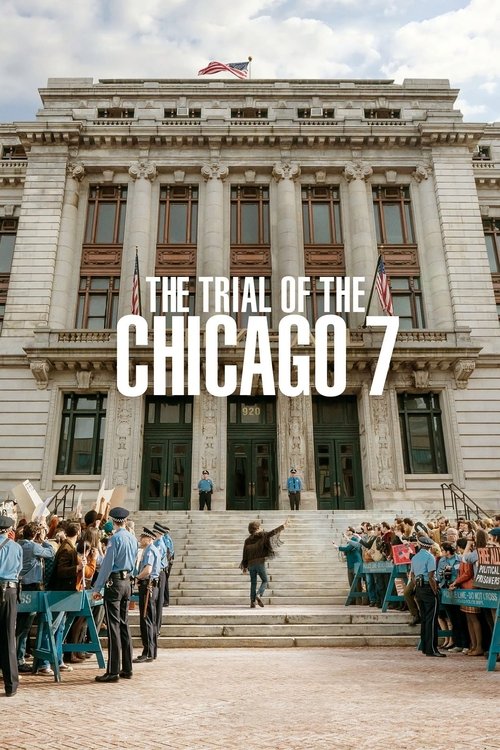
The Trial of the Chicago 72020
Sorkin's crackling courtroom drama covers the real trial that Punishment Park's tribunal scenes are clearly channeling — the same era, the same contempt-of-court theatrics, the same sense that the verdict was decided before the trial began.
But It's slick, starry, and structurally tidy where Watkins is raw and formless — you may miss the anger under the polish.
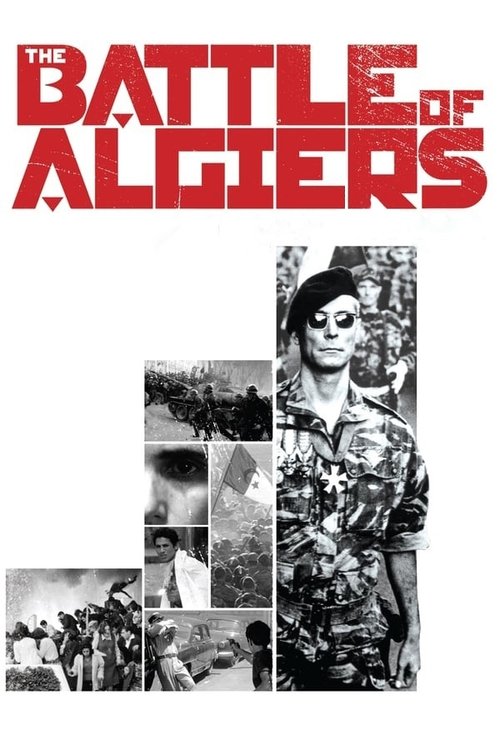
The Battle of Algiers1966
The pseudo-documentary grain, non-actors, and handheld urgency that Watkins borrowed wholesale — a colonial insurgency shot like breaking news, still the gold standard for making fiction feel dangerously real.
But Subtitled and unsentimental about violence on both sides; it won't hold your hand or tell you who to root for.
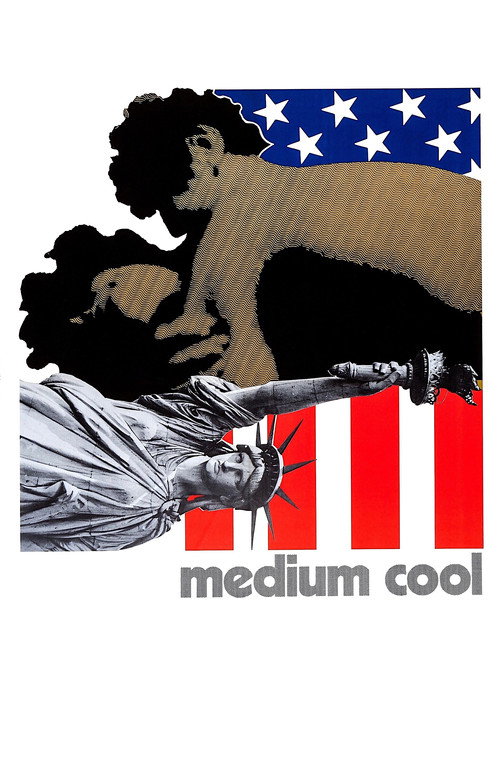
Medium Cool1969
Haskell Wexler shot real 1968 Chicago riot footage into a fictional love story, blurring documentary and drama the same way Watkins does — a snapshot of America eating itself, made while it was still happening.
But Loose, essayistic, and deliberately unresolved in structure; if you're after plot momentum or a clean emotional arc, this drifts instead of building.
The wildcard
Something you would not have found on your own.
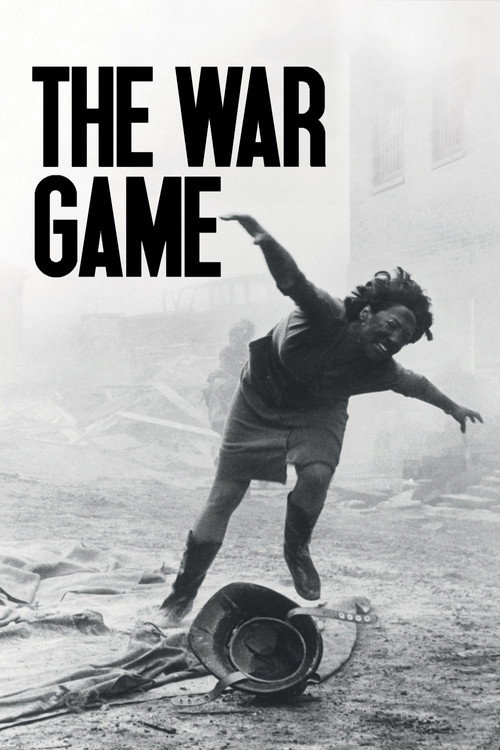
The War Game1966
Same director, same invented pseudo-documentary grammar — the film that got Watkins in trouble first and taught him how to make fiction feel like a news report nobody wanted aired.
Peter Watkins' own earlier film — a pseudo-documentary imagining nuclear attack on Britain, using the same flat, bureaucratic narration and non-actors he'd later bring to Punishment Park. The BBC banned it for twenty years; it's the blueprint for everything he does.
But There's no plot to hang onto, just relentless, clinical horror — it's more endurance test than entertainment.
More like this (7)
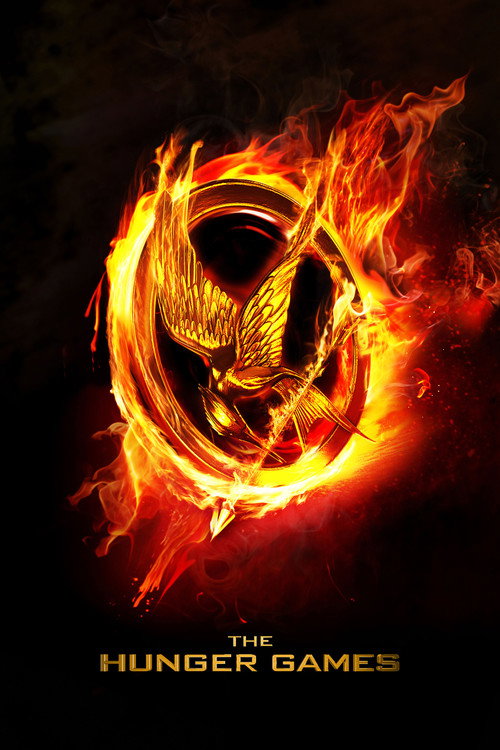
The Hunger Games2012
The mainstream, glossy descendant of Watkins' premise — a state that turns dissenters into televised prey, minus the desert grit but with the same rigged-game fury underneath the spectacle.
But Young-adult polish and romance subplots soften the politics considerably; this is Punishment Park with the teeth filed down.
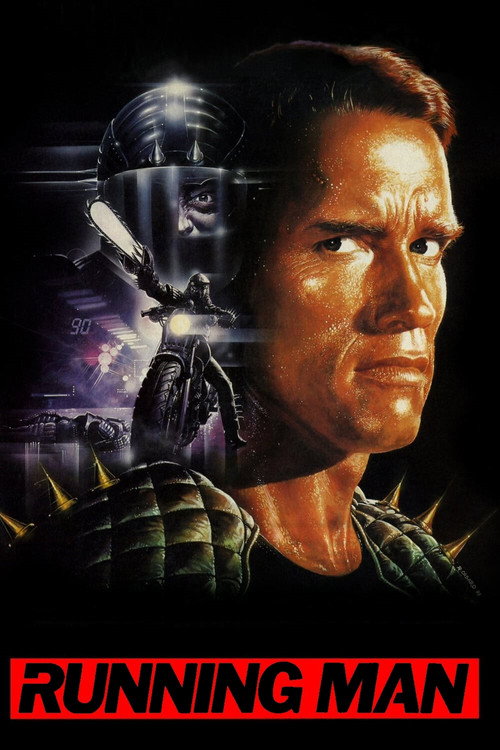
The Running Man1987
Schwarzenegger-era satire of a government using televised manhunts as mass entertainment — cartoonish where Watkins is grim, but the same nightmare: dissent turned into a game show for public consumption.
But Broad, muscular '80s action-movie tone; the satire is a punchline, not a punch to the gut.
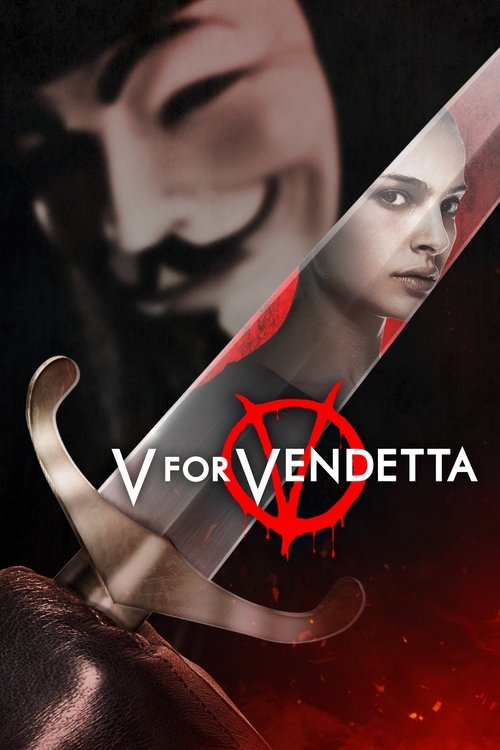
V for Vendetta2006
A near-future Britain under fascist rule, and a state that stages spectacle to keep its citizens compliant — the same suspicion that authority survives on theatre as much as force.
But Its rebellion is stylised and heroic where Punishment Park refuses any hero at all — a very different emotional promise.
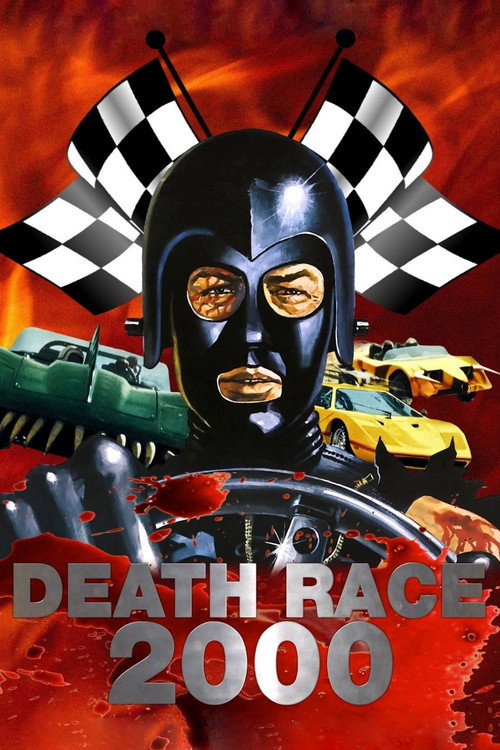
Death Race 20001975
Roger Corman's gleefully trashy satire of an America that's turned cross-country slaughter into a televised sport — same rage at a violence-hungry state, dressed as exploitation cinema instead of protest film.
But Deliberately campy and gory; if you came for Watkins' seriousness this will feel like a joke at its expense.
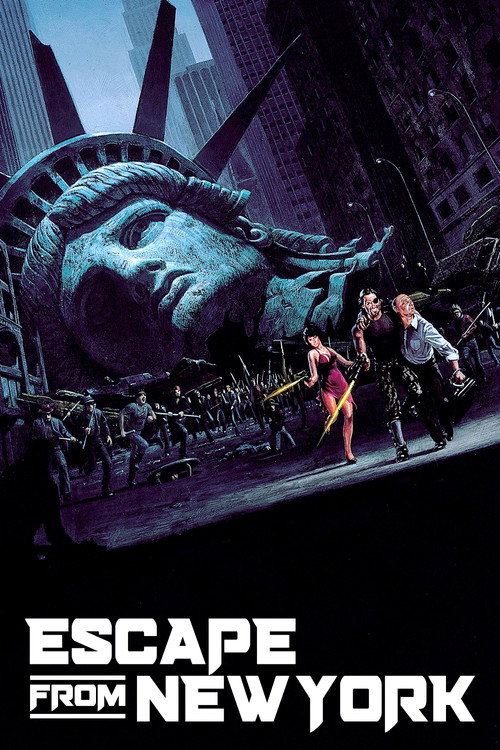
Escape from New York1981
Manhattan turned into a walled prison colony where the state abandons its undesirables to lawlessness — a pulpier vision of America criminalising and discarding its own people.
But Action-movie cool over political anger; Snake Plissken is a hero in a way Watkins would never allow.
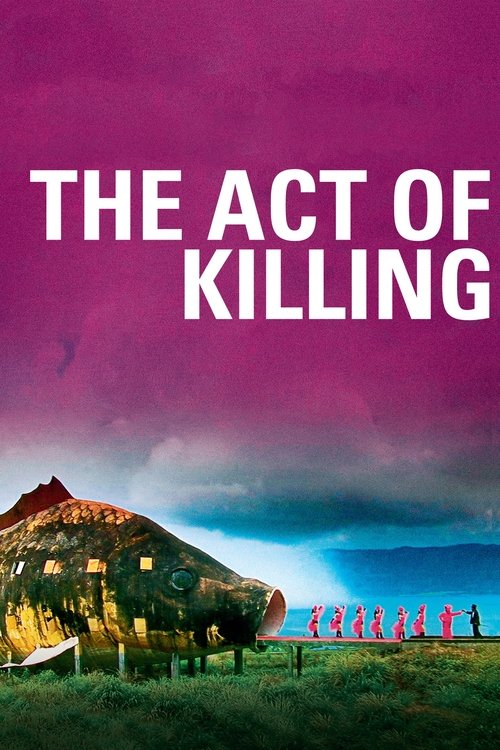
The Act of Killing2012
Both interrogate what happens when the camera stages atrocity rather than simply recording it — Watkins invents the reenactment; this film finds the perpetrators doing it themselves.
Indonesian death-squad leaders are invited to re-enact their own massacres on camera, in whatever genre they like — a real documentary that stages violence the way Punishment Park's fiction does, and is somehow more unbearable for being true.
But It's genuinely upsetting nonfiction with no narrative comfort or fictional distance — go in prepared, not for a casual evening.
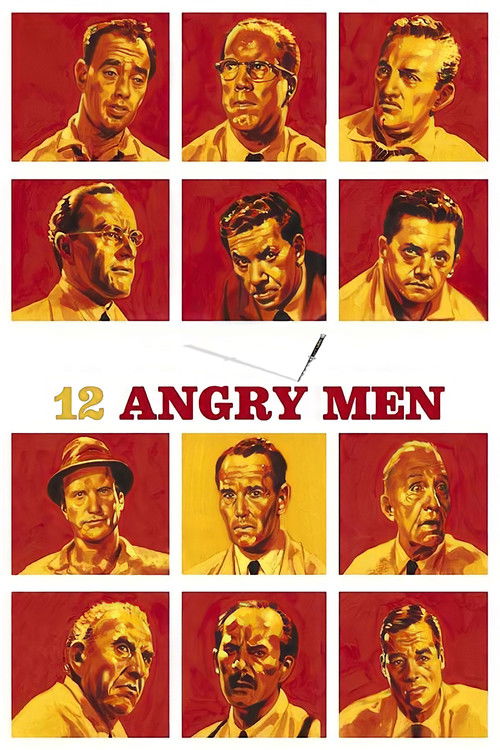
12 Angry Men1957
Same setup — a jury deciding a defendant's fate — used to opposite ends: one is democracy's process working, the other is that process as pure theatre before a foregone execution.
A single jury room, real deliberation, and a justice system shown actually working through doubt and prejudice to reach a fair verdict — the tribunal Punishment Park imagines has already failed.
But Black-and-white, stagey, and talky by design; if you want the desert chase's momentum, this is all rooms and voices.
People
Cast
- Patrick BolandTribunal Defendant
 Carmen ArgenzianoJay Kaufman (Tribunal Defendant)
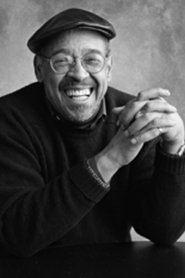 Kent ForemanLee Robert Brown (Tribunal Defendant)
- Luke JohnsonWilliam Luke Valerio (Tribunal Defendant)
- Katherine QuittnerNancy Jane Smith (Tribunal Defendant)
- Scott TurnerJames Arthur Kohler (Tribunal Defendant)
- Stan ArmstedCharles Robbins (Tribunal Defendant)
- Mary Ellen KleinhallAllison Mitchner (Tribunal Defendant)
- Mark KeatsWilliam C. Hoeger (Tribunal Chairman)
- Gladys GoldenMary Jurgens (Tribunal Member)
- Sanford GoldenSenator Harris (Tribunal Member)
- George GregoryMr. Keagan (Tribunal Member)
Directing
- Linda ElbowContinuity
- Peter WatkinsDirector
Writing
- Peter WatkinsScreenplay
Production
- Laura GoldenCasting
- Linda ElbowCasting
- Susan MartinProducer
- Harlan GreenProduction Assistant
- Laura GoldenProduction Assistant
Recommended by
The Trial of the Chicago 7, Medium Cool, Death Race 2000, Chicago 10