
Film
Medium Cool
Haskell Wexler's 1969 film fuses a loose fictional plot — a TV cameraman drifting through his own moral numbness — with real footage shot amid the chaos of the 1968 Democratic Convention in Chicago. It's less a story than an experience: grainy, immediate, unpredictable, blurring reportage and drama until you can't tell which is which. For anyone curious how cinema verite can double as history, and who doesn't need tidy endings.
If you liked this
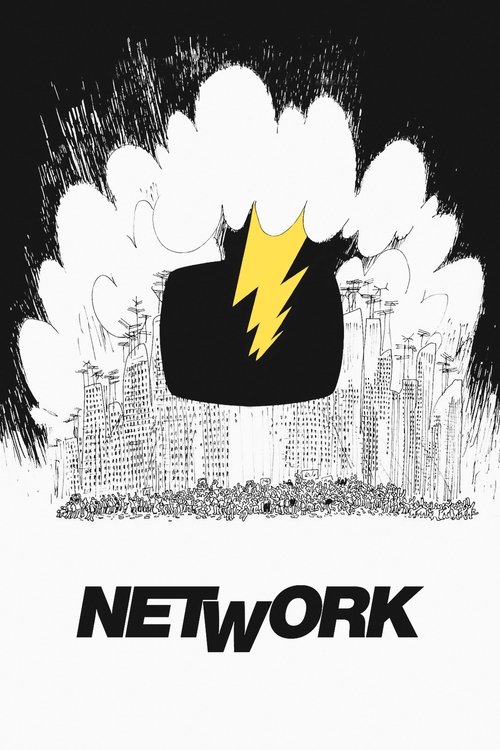
Network1976
Sidney Lumet's furious satire imagines television eating itself alive for ratings, and decades on it plays less like prophecy fulfilled than prophecy exceeded — the media-as-spectacle nightmare Medium Cool feared, turned up to a shriek.
But It's broad, theatrical, and shouts its points where Medium Cool whispers them — subtlety is not the point here.
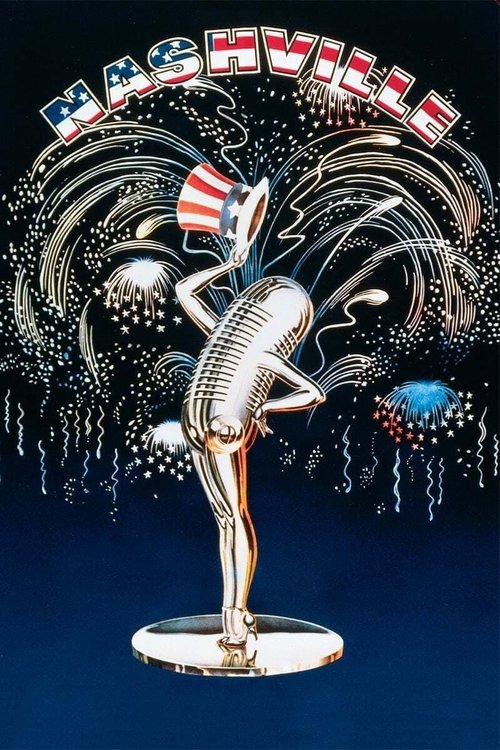
Nashville1975
Altman's sprawling mosaic of country music, politics, and media circus captures the same fractured, overlapping American mood — dozens of lives colliding against a backdrop of public spectacle and private disaster.
But Twenty-four characters and 160 minutes of loose threads; if you want tight plotting, this will frustrate you.
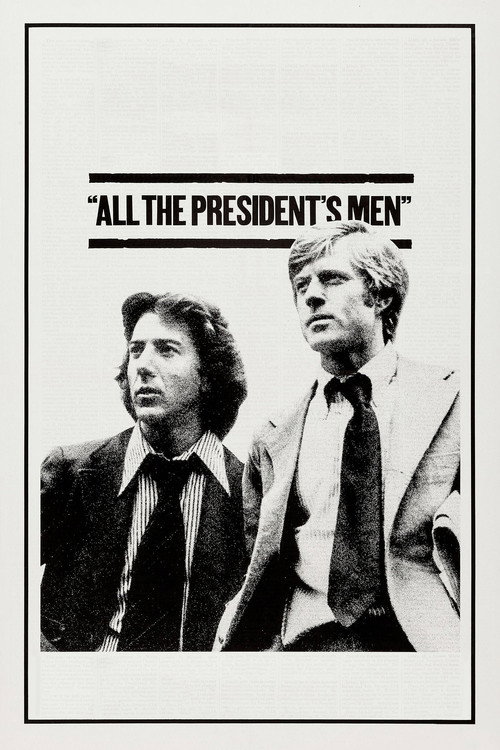
All the President's Men1976
The other great American film about journalism's power and its costs, told as meticulous procedural — phone calls, shoe leather, paranoia building in fluorescent-lit newsrooms rather than out on the street.
But It's cerebral and dialogue-heavy where Medium Cool is visceral; nothing here matches its documentary chaos.
The wildcard
Something you would not have found on your own.
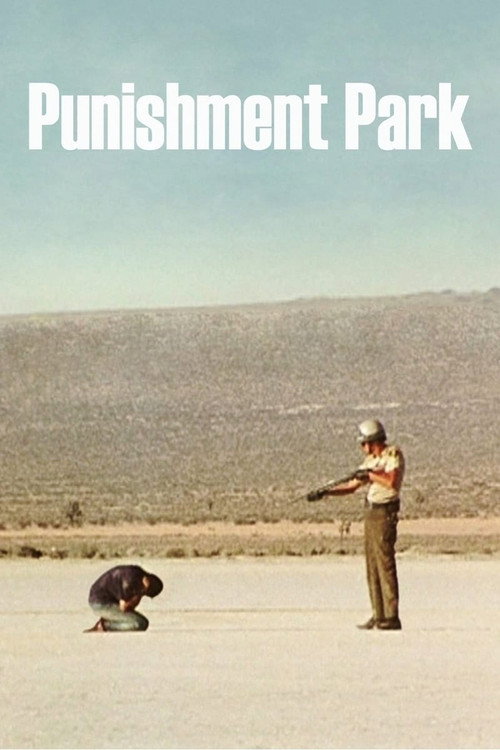
Punishment Park1971
Made two years after Medium Cool by a director working the same faux-documentary seam, it takes the era's fear of state violence against protesters and pushes it into full dystopian nightmare, shot with the same handheld, on-the-ground urgency.
Dissidents are tried by a kangaroo tribunal and hunted across the desert by National Guard, filmed like a war correspondent's dispatch — Medium Cool's anxieties taken to their logical, terrifying endpoint.
But Cheaply made, blunt as agitprop, and thin on character — it argues its point rather than dramatizing it.
More like this (8)
The Parallax View1974
Alan Pakula's icy conspiracy thriller follows a journalist chasing a story that keeps swallowing him, distilling the same late-60s paranoia about institutions, media, and who controls the footage.
But Cold, deliberately alienating, and the ending refuses any comfort or closure — some viewers find it more numbing than gripping.
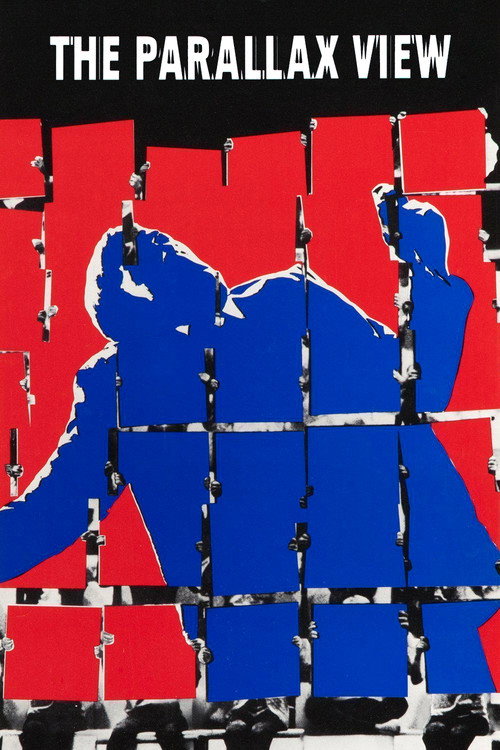
Dog Day Afternoon1975
A bank robbery turns into a media circus in real time, crowds and cameras swarming the street exactly the way Medium Cool's Chicago riots did — chaos as unscripted spectacle.
But It's funnier and warmer than you'd expect, which softens the media critique Medium Cool delivers so coldly.
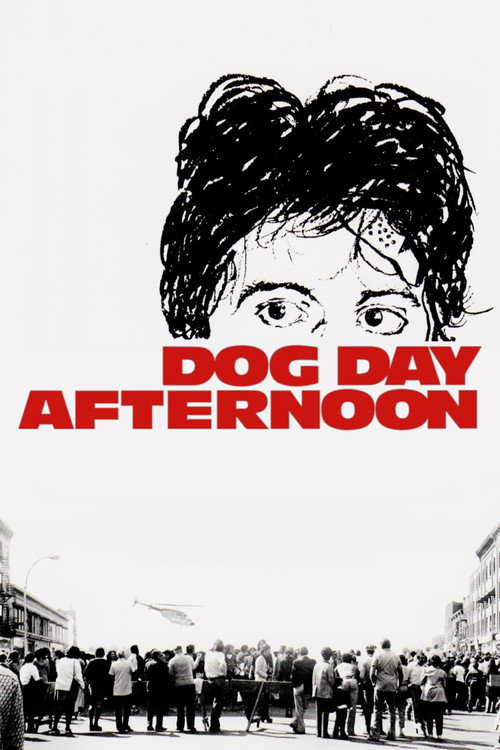
Zodiac2007
Fincher's obsessive procedural about journalists and detectives chasing an uncatchable killer shares Medium Cool's fascination with the limits of information — what reporting can capture, and what it can't.
But Two and a half hours long, deliberately unresolved, and more interested in obsession than in ever supplying answers.
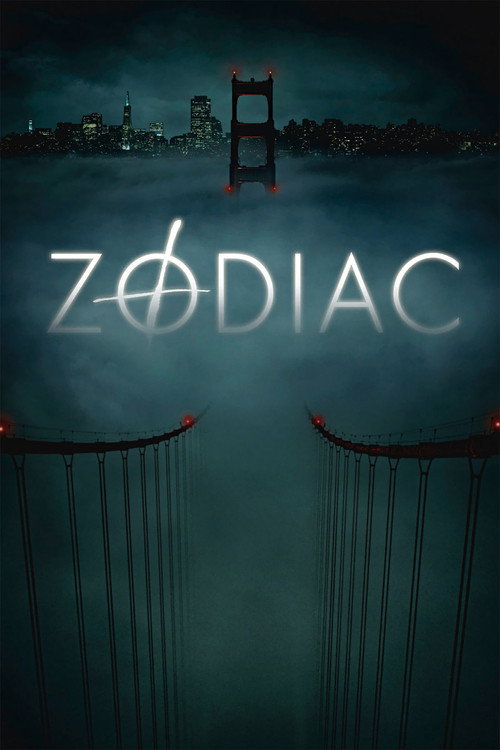
Good Night, and Good Luck.2005
George Clooney's cool, controlled account of Edward R. Murrow versus McCarthy asks the same question Medium Cool does — what a journalist owes the people he's supposed to serve — from the other end of the century.
But It's restrained and elegant, black-and-white and buttoned-up, where Medium Cool is loose and sweating.
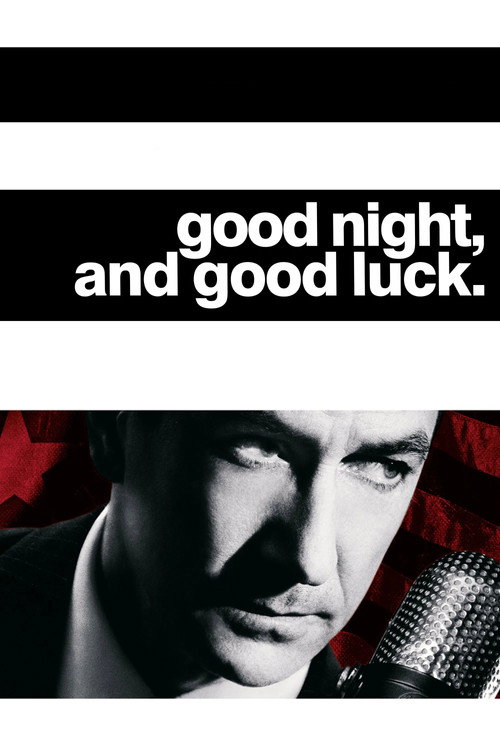
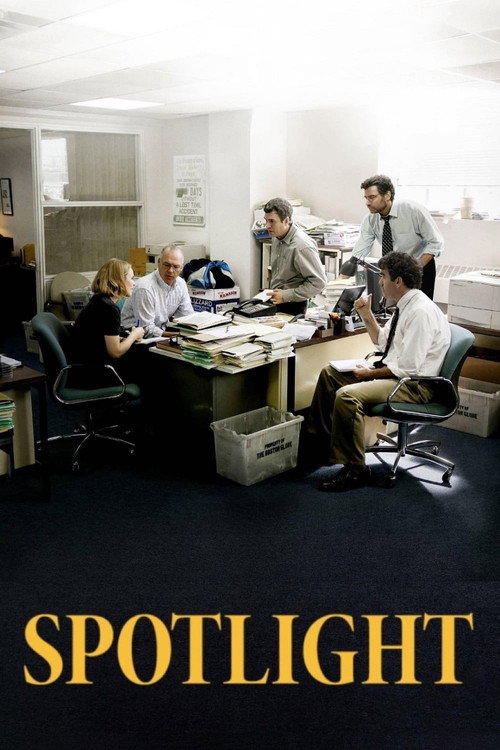
Spotlight2015
A newsroom drama about the unglamorous, patient work of accountability journalism — the flip side of Medium Cool's cameraman, who never asks who benefits from his footage.
But Quiet, procedural, and almost entirely without style — the opposite of Medium Cool's restless, roaming camera.
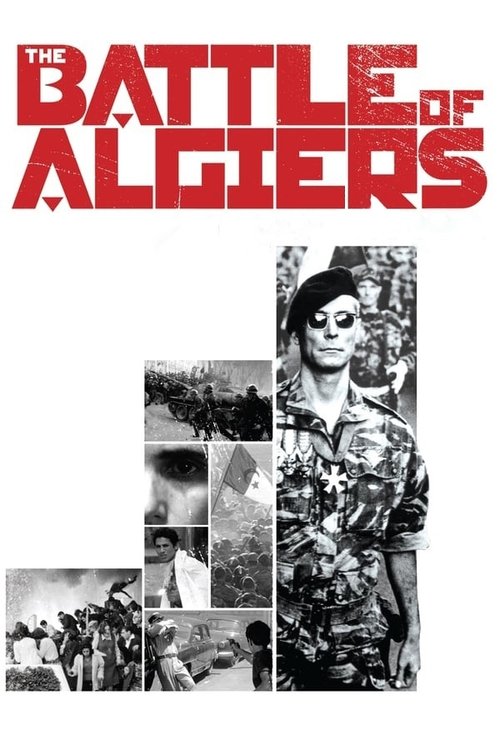
The Battle of Algiers1966
Pontecorvo shot this account of Algerian insurgency to look exactly like unearthed newsreel, inventing much of the documentary-fiction grammar Medium Cool would use three years later for American unrest.
But Subtitled, historically dense, and unsparing about violence on both sides of a brutal colonial war.
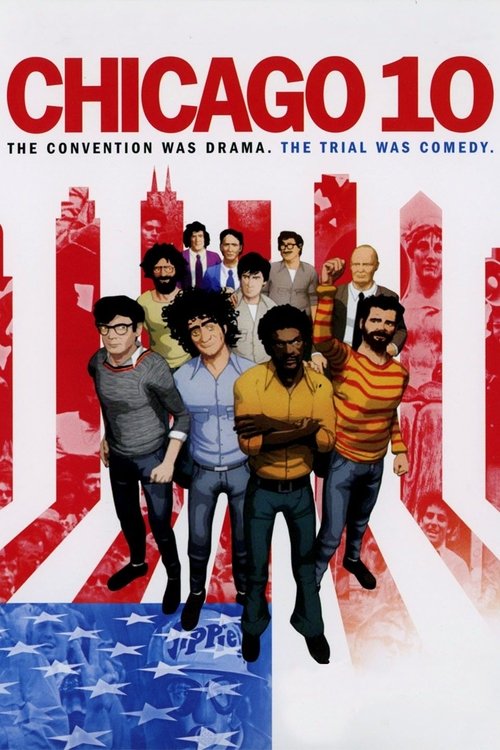
Chicago 102008
It covers the literal same event Medium Cool was filming live — the 1968 Democratic Convention riots and the trial that followed — but tells it as documentary collage and rotoscoped animation instead of docudrama fiction.
Real archival footage of convention chaos is cut against animated reenactments of the absurdist Chicago Seven trial, scored like a punk record — history rendered as both fury and farce.
But The animation is stylised and occasionally clunky, and the tonal whiplash between doc footage and cartoon courtroom takes some getting used to.
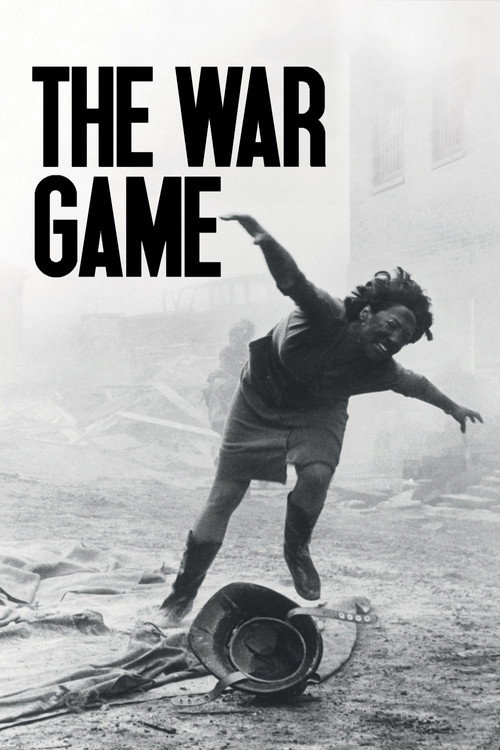
The War Game1966
Peter Watkins essentially invented the technique Medium Cool borrows — staging fiction as though it were a news bulletin — four years earlier, using it to imagine nuclear war on British soil rather than riots in Chicago.
Forty-five minutes of the coldest, most clinical horror filmmaking has produced: a fake news report on nuclear attack so convincing the BBC banned it from broadcast for two decades.
But Unrelentingly bleak with zero relief — it's closer to an act of dread than an evening's entertainment.
People
Cast
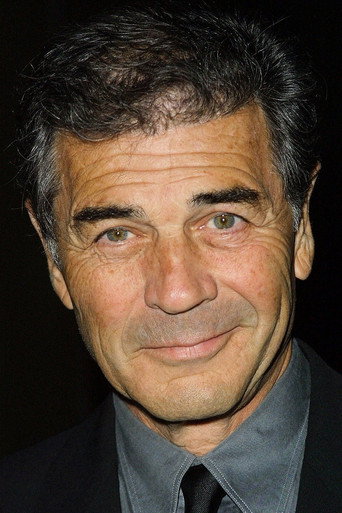 Robert ForsterJohn
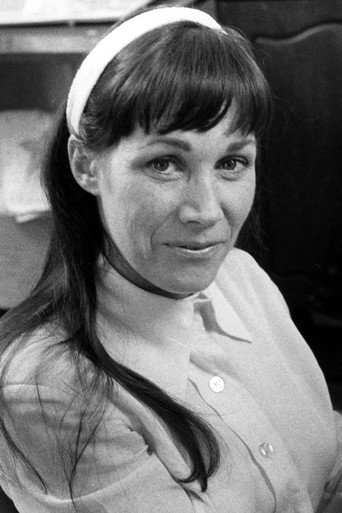 Verna BloomEileen
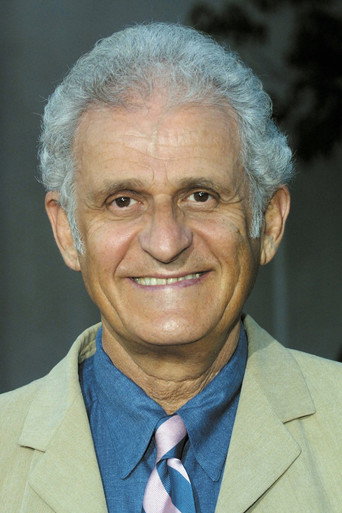 Peter BonerzGus
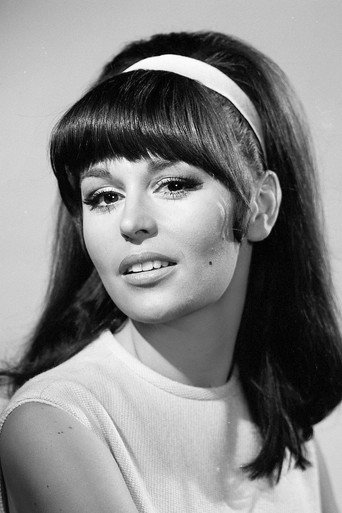 Marianna HillRuth
- Harold BlankenshipHarold
- Charles GearyHarold's Father
 Sid McCoyFrank Baker
- William SickingenNews Director
- Robert McAndrewPennybaker
- Marrian WaltersSocial Worker
- Beverly YoungerRich Lady
Directing
- Erich von Stroheim Jr.Assistant Director
- Wendell FranklinAssistant Director
- Haskell WexlerDirector
- Meta RebnerScript Supervisor
Writing
- Haskell WexlerWriter
Production
- Michael Philip ButlerAssociate Producer
- Steven NorthAssociate Producer
- Jonathan HazeLine Producer
- Haskell WexlerProducer
- Jerrold WexlerProducer
- Tully FriedmanProducer
- Jonathan HazeProducer's Assistant
- William SchwartzProduction Assistant
- Jonathan HazeProduction Manager
Recommended by
Nightcrawler, The Trial of the Chicago 7, Rowan & Martin's Laugh-In, One Battle After Another, Chicago 10, Punishment Park