
Film
R.P.M.
A liberal professor thrust into the presidency when radical students occupy his college during the late-1960s activism boom. Anthony Quinn anchors this earnest, caught-in-the-middle drama about idealism meeting institutional reality. It's a snapshot of generational conflict that asks whether revolution can survive becoming the establishment. For anyone curious about how that era actually felt onscreen.
If you liked this
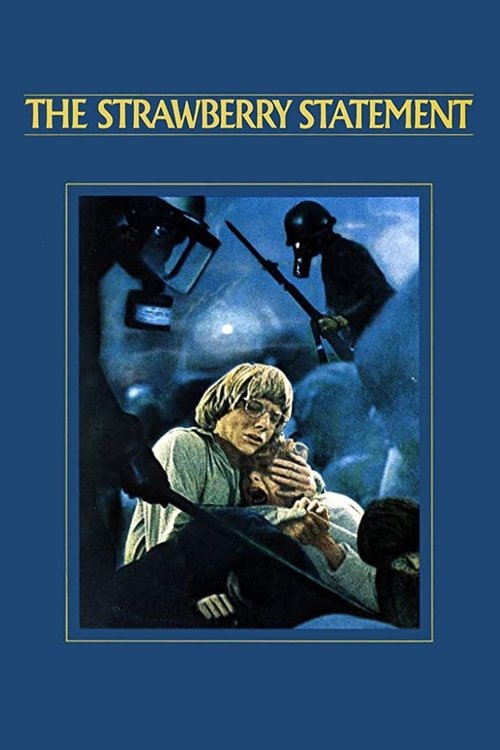
The Strawberry Statement1970
A companion piece made the same year: student uprising, occupation, romantic entanglement, and the collision between youthful idealism and state power. Feels like the student perspective to R.P.M.'s professorial one.
But Occasionally stiff in its earnestness, and the romance subplot can feel like it's competing for the film's attention with larger political questions.
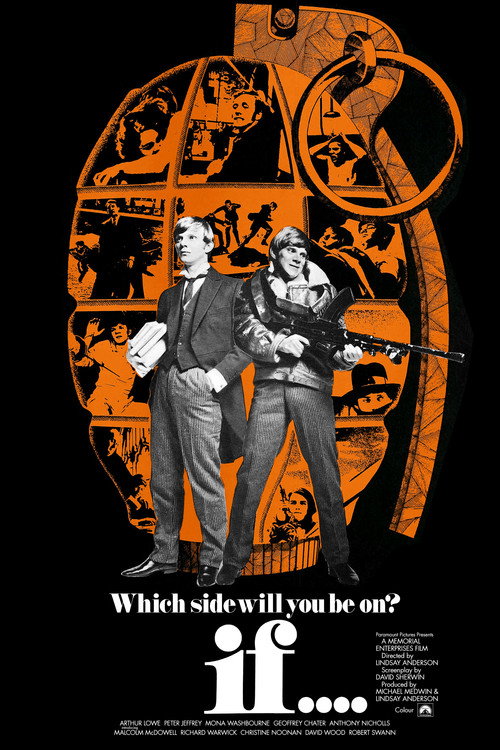
if....1968
Lindsay Anderson's surreal, exhilarating vision of institutional revolt and the logic of revolution. Older and more formally daring than R.P.M., and it doesn't apologize for its radical sympathies.
But Deliberately allegorical and elliptical—it's not interested in plot clarity. The tonal shifts into near-fantasy territory may feel jarring.
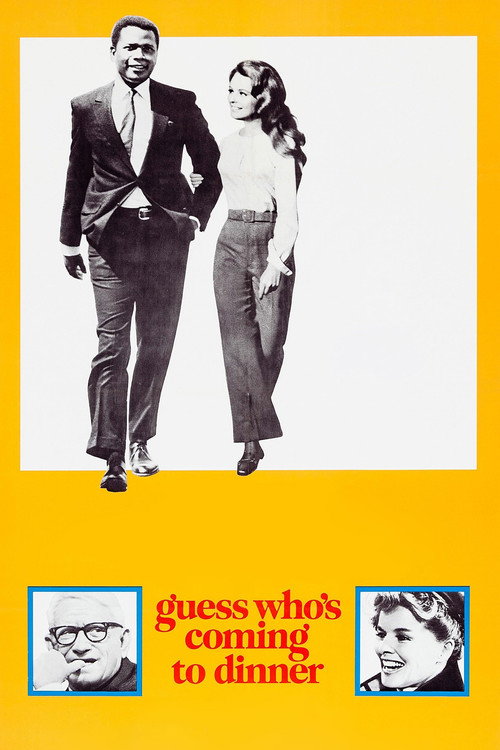
Guess Who's Coming to Dinner1967
Sidney Poitier and Spencer Tracy in a film about generational and philosophical conflict within liberalism itself. Intelligent, buttoned-up, and unafraid to ask what progressive parents actually believe.
But The problem-solving feels neat in retrospect. It's a dinner-table conversation that trusts dialogue to do everything, which works only if you're in the mood for it.
Not sure tonight? Get a pick in a minute, starting from R.P.M.
The wildcard
Something you would not have found on your own.
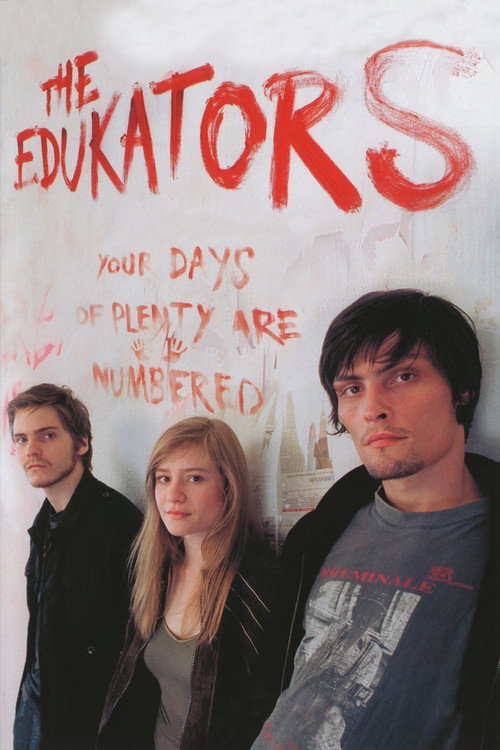
The Edukators2004
Both films center on intelligent protagonists forced to choose between their ideals and their role as authority. Both understand that becoming the person in charge changes you.
A German film about three young activists who break into wealthy homes to rearrange furniture as political protest. It's a completely different era and aesthetic, but it asks the same question: what happens when idealism meets consequence, and who do you become when you're no longer the rebel?
But Slow-burn character study that builds to genuine moral complexity. If you want explosive confrontation, you'll be frustrated by its quietness.
More like this (7)
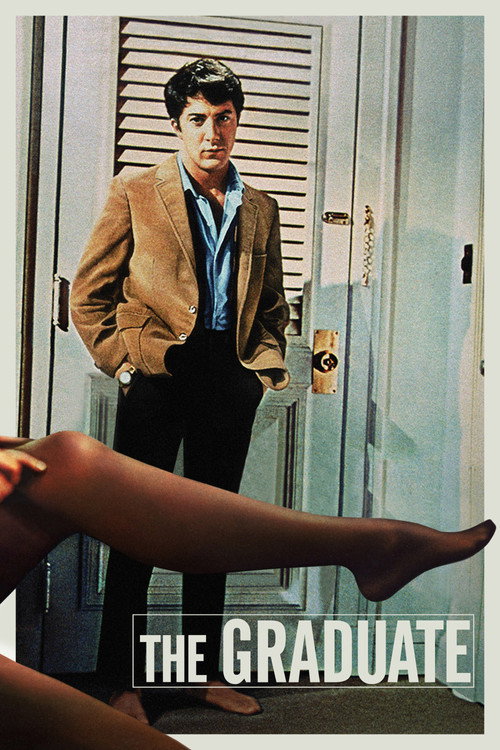
The Graduate1967
Dustin Hoffman as a young man estranged from institutional authority, caught between his parents' world and genuine uncertainty. The generational rift is the whole engine.
But Everyone has seen it. Its irony can feel dated now, and the actual stakes—for Hoffman's character—are low compared to the political urgency R.P.M. is reaching for.
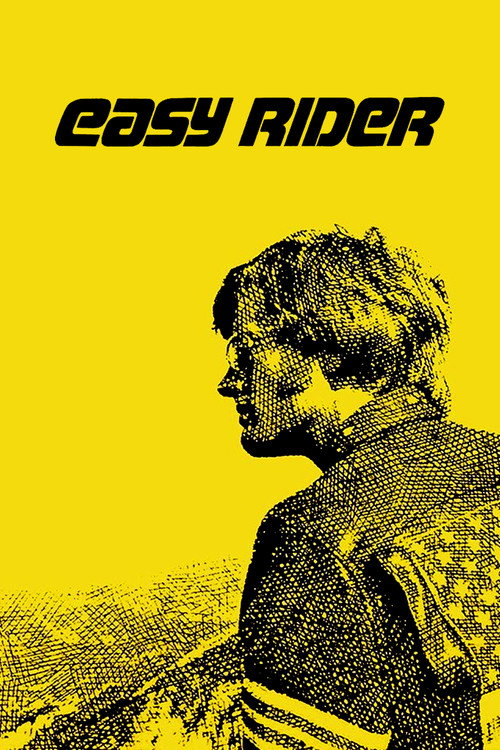
Easy Rider1969
Counterculture on film, made by the counterculture. Jack Nicholson's performance as a progressive lawyer is a masterclass in appealing to youth while being fundamentally outside it.
But Narrative is thin; it's more a mood and a series of encounters. The politics can feel incidental to the iconography.
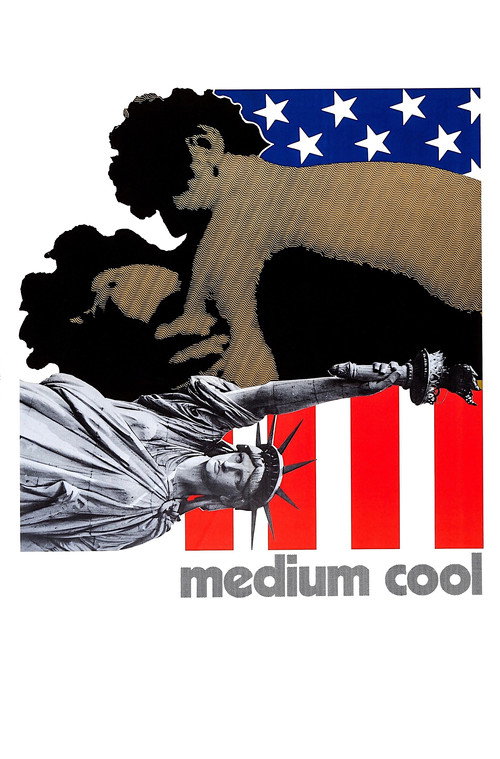
Medium Cool1969
Haskell Wexler's doc-fictional hybrid about a cameraman covering the 1968 Chicago riots. Raw, formally inventive, and genuinely ambivalent about protest and media.
But Aggressively experimental in structure. Plot coherence is not a priority—it's more essay than narrative.
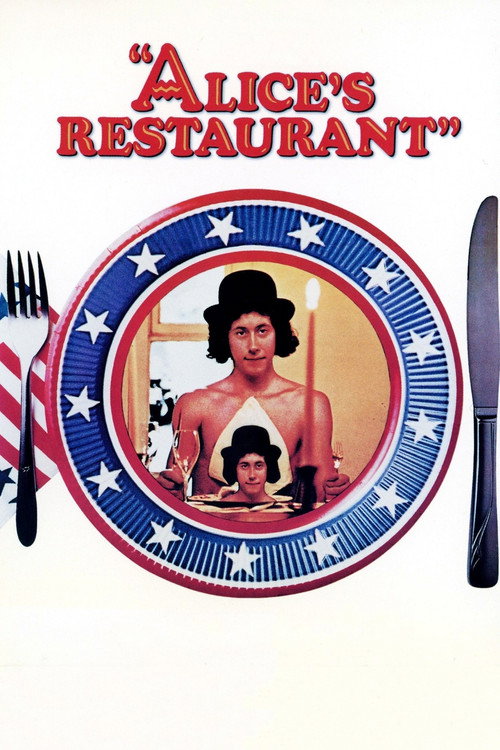
Alice's Restaurant1969
Arlo Guthrie's anarchic, funny adaptation of his song. Counterculture comedy that doesn't condescend to its subjects, and genuinely odd in ways mainstream cinema wasn't.
But Rambling by design; patience required. The humor is very specific to its moment and won't land for everyone.
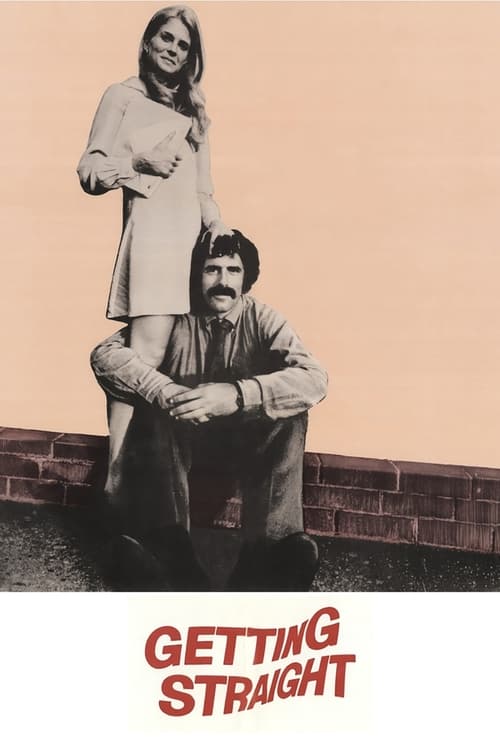
Getting Straight1970
Elliott Gould as a graduate student trying to navigate academia during campus unrest. Less famous than R.P.M. but just as interested in the absurdity of institutional compromise.
But Tonal inconsistency—it can't quite decide if it's comedy or drama. The ending feels rushed and unearned.
La Haine1995
Both are about systems in crisis and the gap between those trying to change them from inside versus those who've given up on institutions entirely. La Haine is what happens when R.P.M.'s idealism curdles.
Mathieu Kassovitz's incendiary French film about three young men in the banlieue after a police riot. Shot in black-and-white, it has the urgency and formal control R.P.M. was reaching for but couldn't quite grab.
But Structurally it's a countdown to violence. It doesn't resolve neatly, and it refuses to offer comfort or redemption arcs.

Kes1970
Both are films about institutions and what they do to the young, but Loach shows us the people R.P.M.'s campus activists would never have to think about. Different revolutions entirely.
Ken Loach's film about a working-class boy training a hawk—made the year before R.P.M., it's about institutional life from the opposite class perspective. No speeches about revolution, just the quiet brutality of systems closing doors on possibility.
But Deeply sad. It's not protest cinema; it's about the absence of a platform to protest from. The ending is devastating.

People
Cast
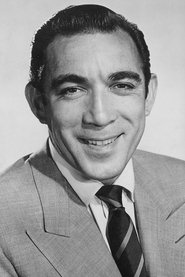 Anthony QuinnProf. F.W.J. 'Paco' Perez
 Ann-MargretRhoda
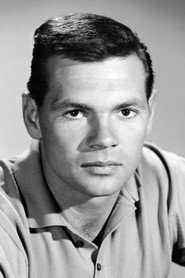 Gary LockwoodRossiter
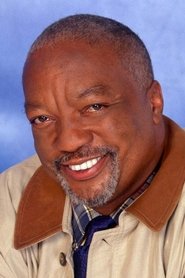 Paul WinfieldSteve Dempsey
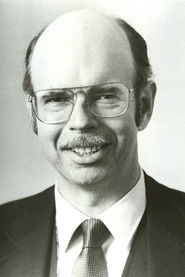 Graham JarvisPolice Chief Henry J. Thatcher
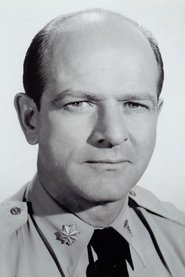 Alan HewittHewlett
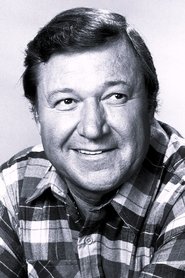 Ramon BieriBrown
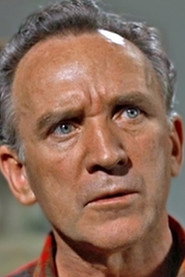 John McLiamRev. Blauvelt
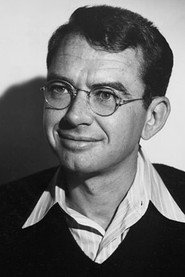 Don KeeferDean George Cooper
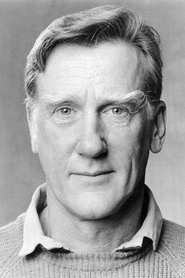 Donald MoffatPerry Howard
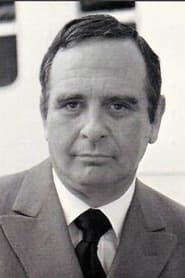 Norman BurtonCoach McCurdy
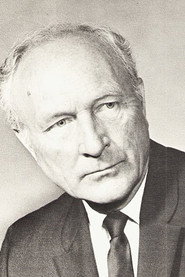 John ZarembaTyler
Directing
- Stanley KramerDirector
Writing
- Erich SegalWriter
Production
- George GlassAssociate Producer
- Stanley KramerProducer