
Film
Getting Straight
A 1970 comedy-drama about a burnt-out grad student trying to stay focused on his degree while campus erupts around him and his activist girlfriend pulls him back into the fray. Elliott Gould captures the exhaustion of someone too intelligent to ignore injustice but too tired to fight it. Funny and surprisingly tender about the cost of conviction.
If you liked this
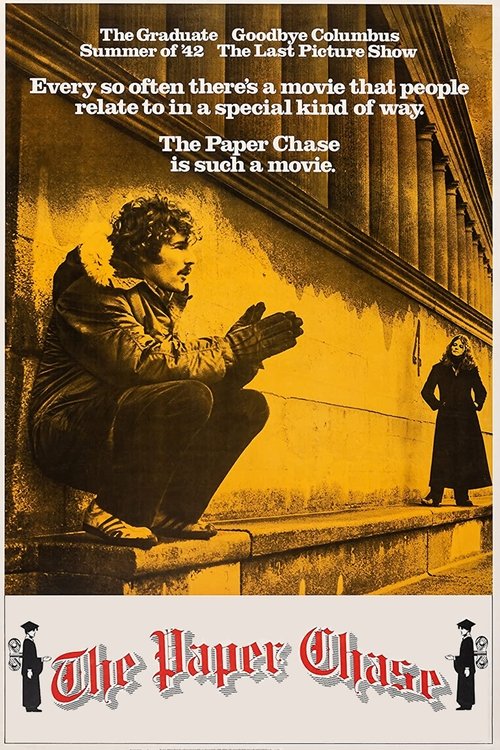
The Paper Chase1973
Law school intensity meets romantic tension in a razor-sharp ensemble piece. John Houseman's imperious professor and Timothy Bottoms's stressed student create the same generational clash—authority versus idealism—but in a different arena.
But Relentlessly focused on academic hierarchies. If campus politics bore you, this will too.
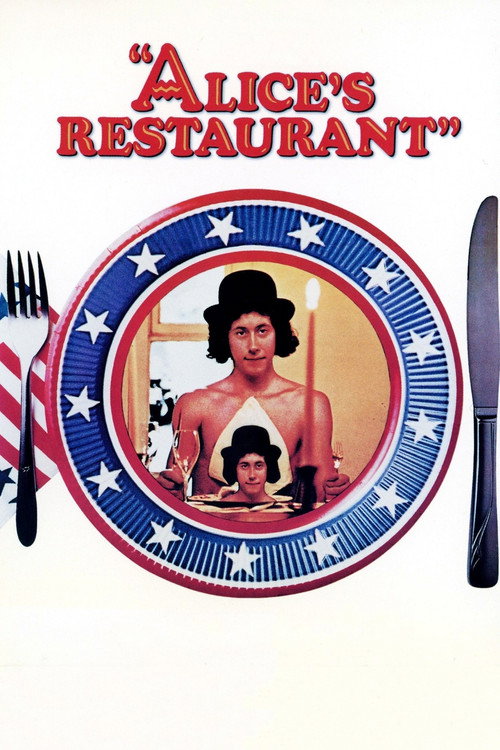
Alice's Restaurant1969
Arlo Guthrie's shaggy folk odyssey has the same loose, funny, utterly '70s vibe—rambling, digressive, full of ridiculous characters who somehow add up to something true about the era.
But Barely a plot. It's essentially a song stretched into a film. Patience required.
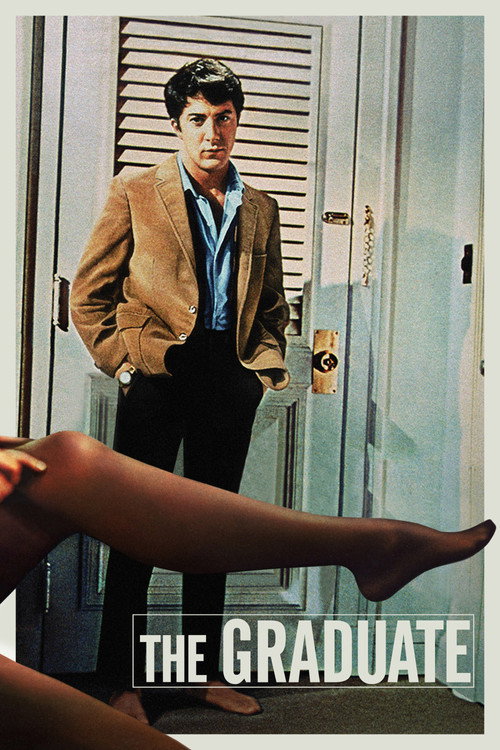
The Graduate1967
The obvious touchstone: a young man adrift between two worlds, unable to commit to either. But where Getting Straight is sardonic about it, this is anxious and romantic. Essential comparison point.
But Has calcified into a cultural monument. Hard to see past the famous scenes.
Not sure tonight? Get a pick in a minute, starting from Getting Straight
The wildcard
Something you would not have found on your own.
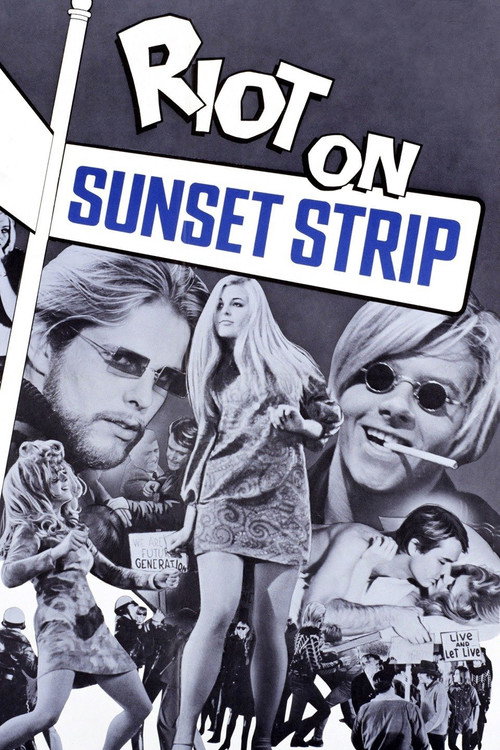
Riot on Sunset Strip1967
Both are time-capsule films about the same cultural earthquake, but this one was made before the quake fully hit, while Getting Straight was made as the fissures widened. Together they show the before and after of American consensus.
An earlier film about generational collision and campus unrest, but from the other side—adult panic about youth. Fascinating as a cultural artifact showing how the establishment saw the threat before Getting Straight dramatizes it from inside.
But Deeply square in its sympathies. The film inadvertently mocks itself because it fundamentally doesn't understand what it's attacking.
More like this (8)
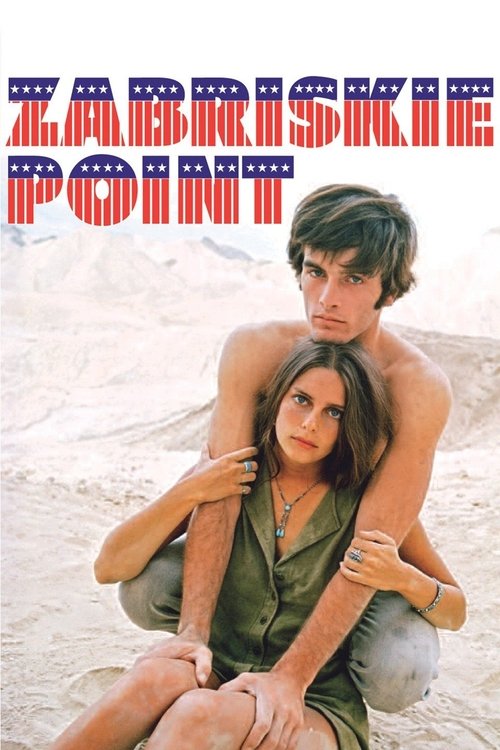
Zabriskie Point1970
Antonioni's American fever dream—counterculture romance, political rage, and visual ecstasy colliding at the desert's edge. Radically ambitious about what it means to be young and angry in 1970.
But Deliberately opaque about plot. Asks you to feel rather than follow. The infamous sex scene overwhelms some viewers' ability to stay engaged.
Woodstock1970
Documentary about the festival captures the same moment—genuine idealism tangled with spectacle, performance, chaos. Three hours but hypnotic if the era fascinates you.
But No narrative arc. It's a document, not a story. Repetitive if you're not already invested in the footage.

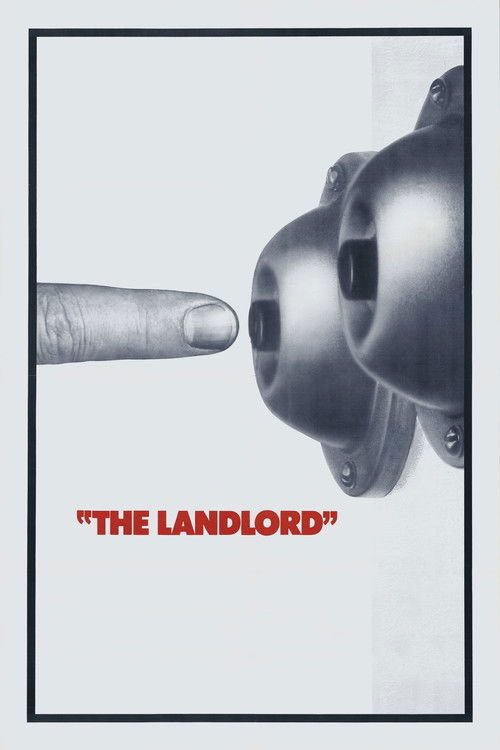
The Landlord1970
Beau Bridges discovers gentrification and racism when he tries to play slum landlord. Comedy that gets progressively meaner and more honest, very much of its moment.
But Tonal whiplash between broad farce and real anger. The shifts don't always land smoothly.
R.P.M.1970
Anthony Quinn as a liberal professor caught between radical students and reactionary administration. Sincere attempt to dramatize campus unrest without cynicism.
But Well-meaning but clumsy. The dialogue sometimes sounds like someone imagining what students say rather than listening.

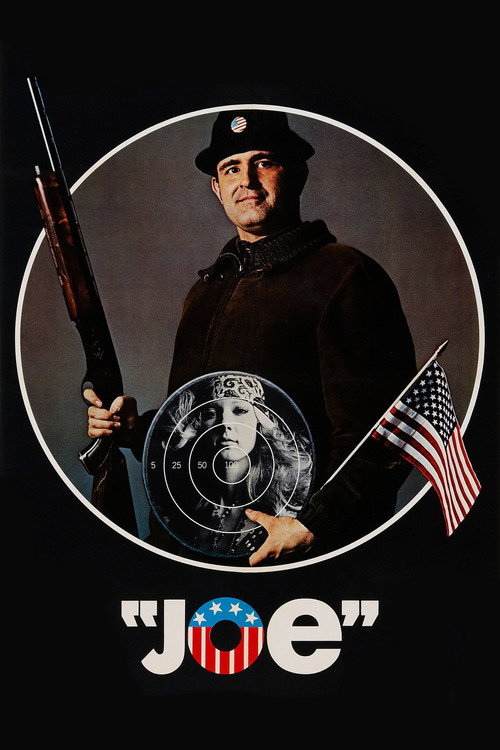
Joe1970
Peter Boyle's working-class rage meets Dennis Hopper's artistic bohemia in a visceral portrait of cultural fracture. Genuinely disturbing and unflinching about class resentment.
But Brutal and depressing. Violence feels real, not cathartic. Not a comfort watch.
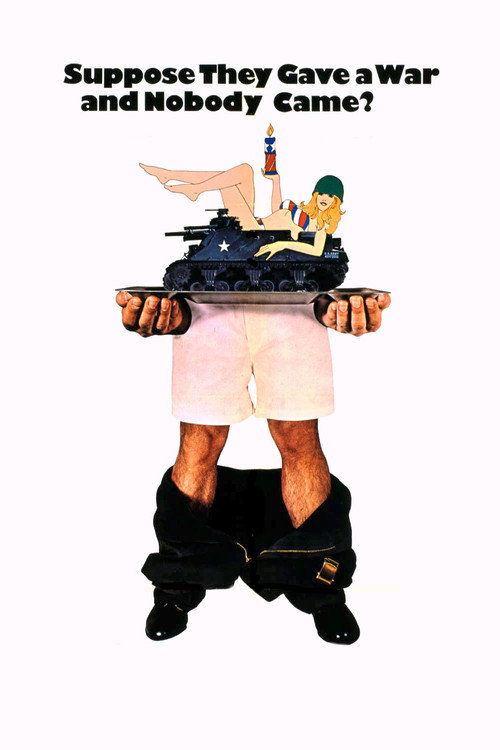
Suppose They Gave a War and Nobody Came?1970
Odd little satire about military and antiwar forces failing to connect. Gentle absurdism and genuine oddness make it a minor curiosity for completists of the era.
But Minor for a reason. Conceptually interesting but thin on execution and charm.
La Haine1995
Both watch someone trying to navigate institutions that are actively hostile to his existence. Getting Straight is American and wry about it; La Haine is French and apocalyptic. Same story, different continent, different decade, inverted hope level.
Mathieu Kassovitz's three-day portrait of young men in a Paris banlieue waiting for everything to explode. Same DNA as Getting Straight—intelligent guys caught between systems that won't accommodate them, fury held barely in check, romantic hope vs. bitter reality.
But Shot in black and white. Denser and angrier than Getting Straight. No comic relief, just accumulating tension.

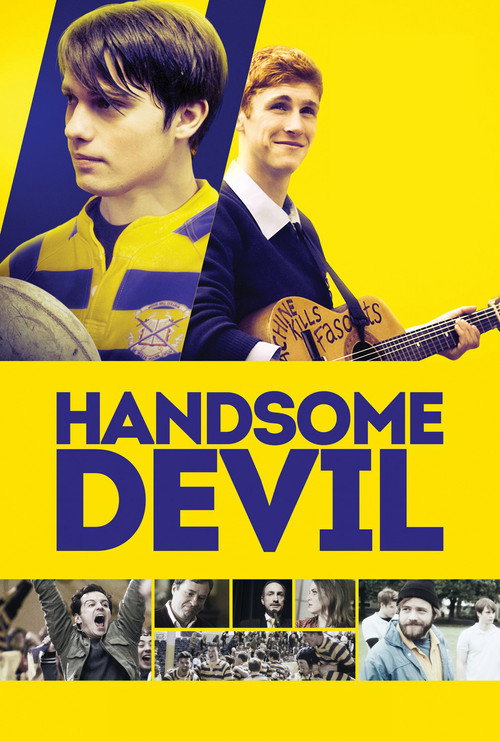
Handsome Devil2017
Both are about smart people understanding the game is rigged but still trying to win it. Getting Straight is sprawling and public; this is compressed and private. But the central tension—how do you stay yourself inside an institution designed to erase you?—is identical.
Irish boarding-school drama about a sensitive boy and a charismatic outsider disrupting the old hierarchies. Funny, tender, politically alive without being preachy. Captures the energy of Getting Straight—the specific exhaustion of resisting a system while trapped inside it—but in intimate scale.
But Quiet and small. Not an ensemble sprawl. If you want chaos and crowds, you won't find them here.
People
Cast
 Elliott GouldHarry Bailey

 Robert F. LyonsNick
 Cecil KellawayDr. Kasper
 Jeff CoreyDr. Edward Willhunt
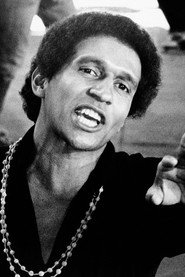 Max JulienEllis
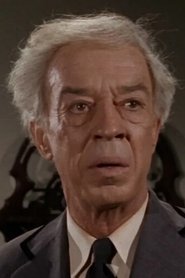 Jon LormerVandenburg
 Leonard StoneLysander
- William BramleyWade Linden
 Jeannie BerlinJudy Kramer
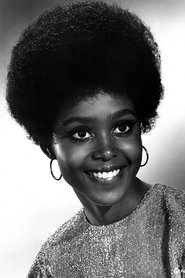 Brenda SykesLuan
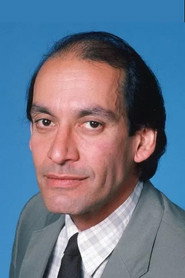 Gregory SierraGarcia
Directing
- Hawk KochAssistant Director
- Richard RushDirector
- Terry TerrillScript Supervisor
- Charles NortonSecond Assistant Director
Writing
- Ken KolbNovel
- Robert KaufmanWriter
Production
- Paul LewisAssociate Producer
- Richard RushProducer
- Sheldon SchragerUnit Production Manager
Recommended by
The Strawberry Statement, I Love You, Alice B. Toklas!, R.P.M.