
Film
Suppose They Gave a War and Nobody Came?
A 1970 satire about Cold War tensions boiling over between an Army base and a small Southern town. Brian Keith, Tony Curtis and Ernest Borgnine navigate absurd escalations—including a tank jailbreak—in this broad comedy that swings between farce and genuine social friction. It's anarchic, uneven, and genuinely weird in ways most studio comedies weren't brave enough to be.
If you liked this
M*A*S*H1970
Released the same year, it's the gold standard for military comedy that uses absurdity to expose the machinery of war. Robert Altman's overlapping dialogue and controlled chaos create something both hilarious and cutting.
But The anti-authority humour is so thoroughly of the 1970s that some of it lands differently now. The film also moves fast—if you're not tracking the ensemble, you can lose the thread.

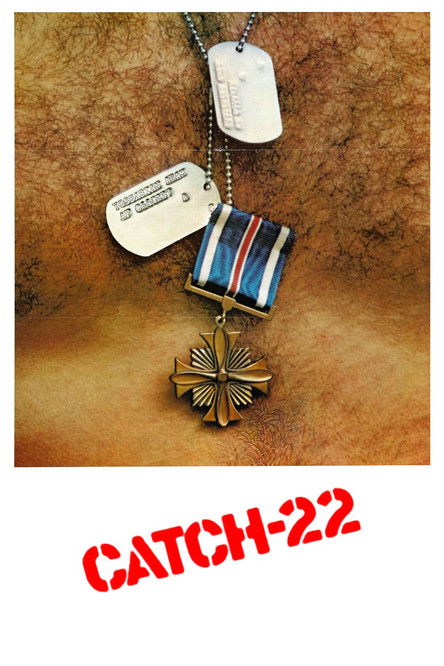
Catch-221970
Mike Nichols adapts Heller's masterpiece about military bureaucracy as darkly comic nightmare. Alan Arkin navigates systems designed to be incomprehensible; the film captures the book's controlled hysteria.
But It's dense, sometimes frustratingly so. You need to sit with the circular logic rather than just enjoy the jokes. Some will find it too bleak.
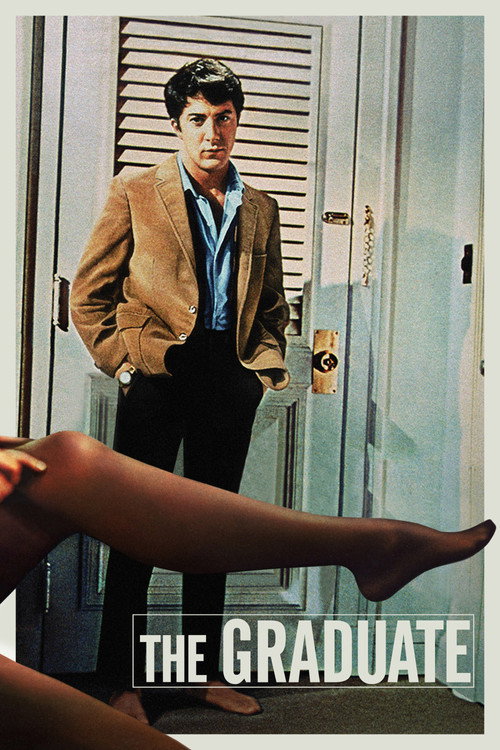
The Graduate1967
Dustin Hoffman caught between generations and institutions, with Mike Nichols orchestrating social satire through character rather than just gags. It has the same DNA of young men navigating systems that don't quite work.
But It's primarily a romantic comedy, not a war satire, so the tonal range is narrower. Some find the central relationship less interesting than the social backdrop.
Not sure tonight? Get a pick in a minute, starting from Suppose They Gave a War and Nobody Came?
The wildcard
Something you would not have found on your own.
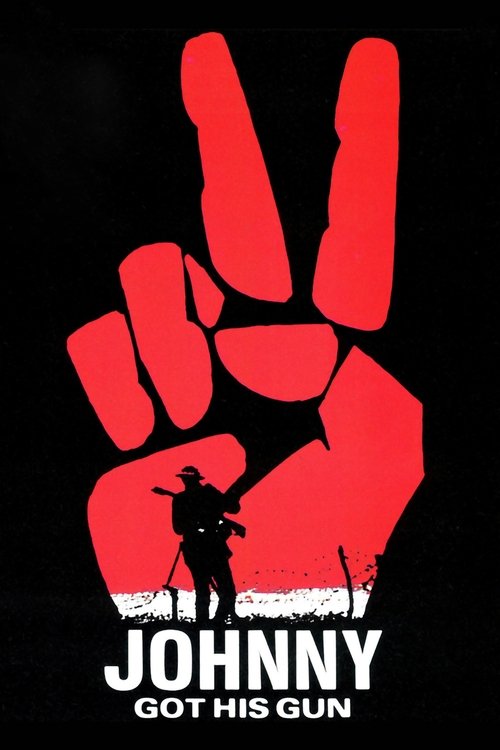
Johnny Got His Gun1971
Both use broad comedy or formal strangeness to defamiliarize the machinery of war and institutional power—but where Suppose They Gave a War uses anarchic slapstick, Johnny Got His Gun uses bodily horror and silence to achieve the same alienation.
Dalton Trumbo adapts his own anti-war novel about a soldier who returns from WWI completely paralyzed and locked in his own body. It's structured as nightmare and philosophical crisis—brutal in ways this earlier comedy only gestures at.
But It's relentlessly dark and deeply disturbing. There are few laughs; the film is militant in its despair. Some will find it unbearable rather than enlightening.
More like this (7)
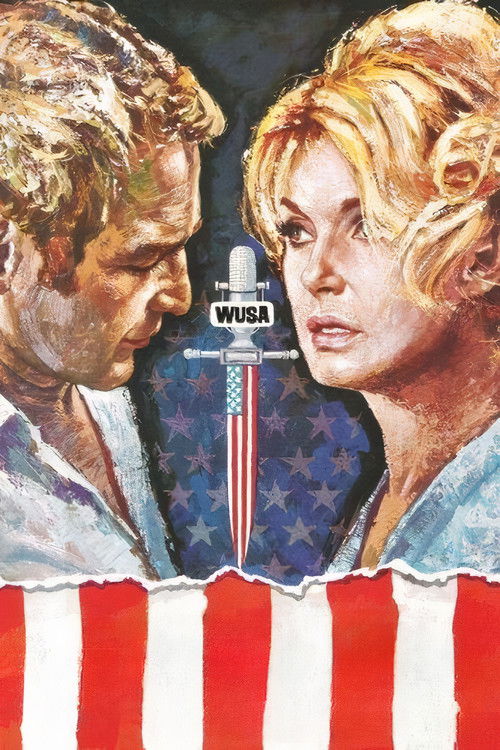
WUSA1970
Anthony Perkins and Paul Newman in a conspiracy-laced satire about media and power in post-war America. It's got the same 1970 DNA of systems under pressure, with paranoia and performance at the core.
But It's obscure for good reason—dramatically unstable and sometimes muddled. The film seems unsure whether it's thriller or satire, and that uncertainty can frustrate.
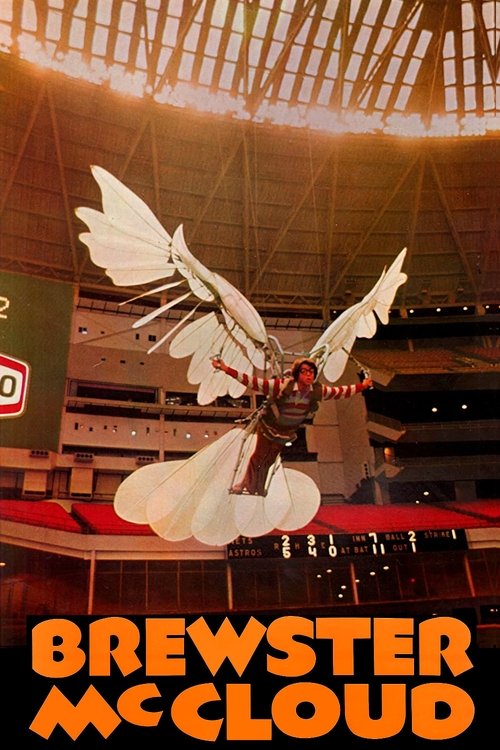
Brewster McCloud1971
Robert Altman's other 1970 film is a surrealist comedy about a young man trying to build a flying machine while a serial killer operates in Houston. It has the same anarchic energy and disregard for conventional plotting.
But The premise sounds whimsical but the film is genuinely bizarre and sometimes tedious. It's also aggressively weird in ways that can feel self-consciously artsy rather than earned.
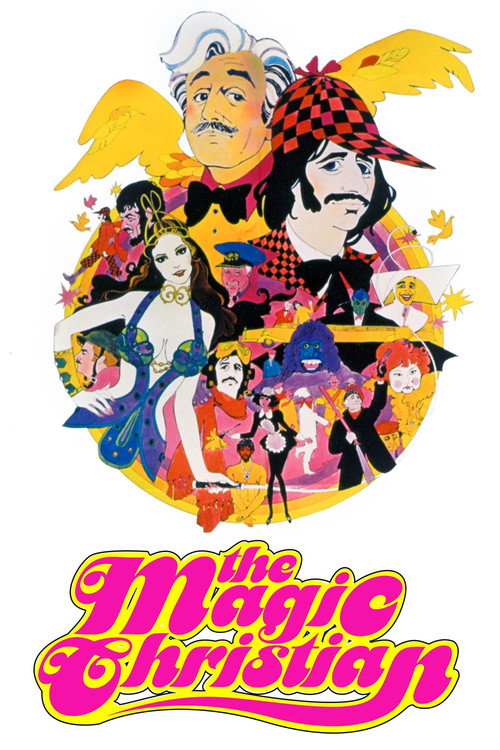
The Magic Christian1969
Terry Southern and Joseph McGrath fashion an anarchic satire where Peter Sellers and Ringo Starr demolish social pretense through sheer randomness. It's maximalist, provocative, and genuinely funny in its chaos.
But The film is deliberately incoherent by design, which works against itself—repetitive anarchism is just chaos. Some sketches land; others just feel like waste.
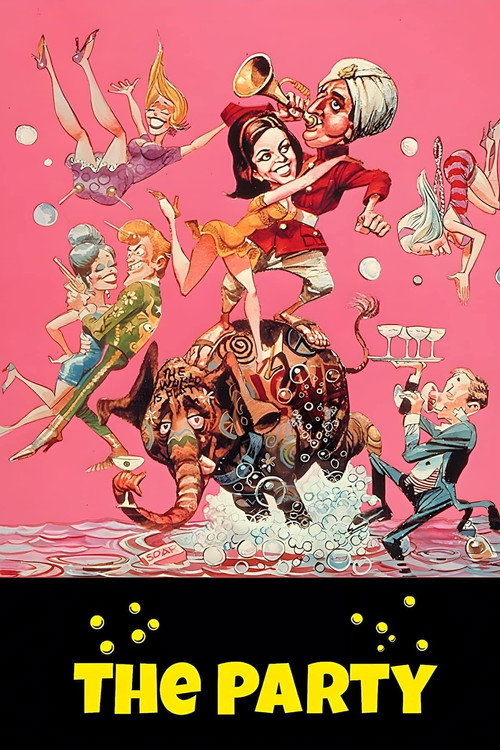
The Party1968
Blake Edwards orchestrates a masterclass in physical comedy as Peter Sellers' bumbling Indian actor destroys a Beverly Hills dinner party through sheer innocent incompetence. Wordless sequences that crackle.
But It's almost entirely visual gag-based, so the momentum relies entirely on your tolerance for slapstick. The central character is written as foolish in ways that read differently now.
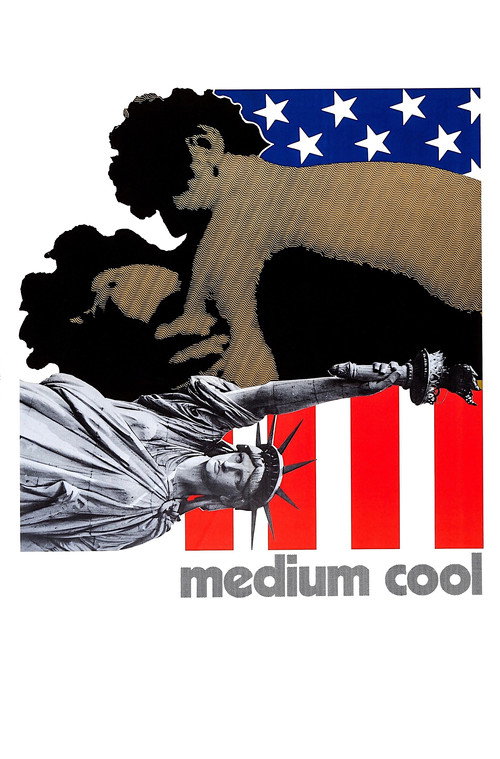
Medium Cool1969
Haskell Wexler's only narrative film blends Chicago's 1968 Democratic Convention violence with a love story between a cameraman and a woman adrift. Political chaos meeting personal displacement with genuine social urgency.
But The final act deliberately fractures into documentary footage and real violence, which disrupts narrative momentum intentionally. Some find this bold; others find it pretentious.
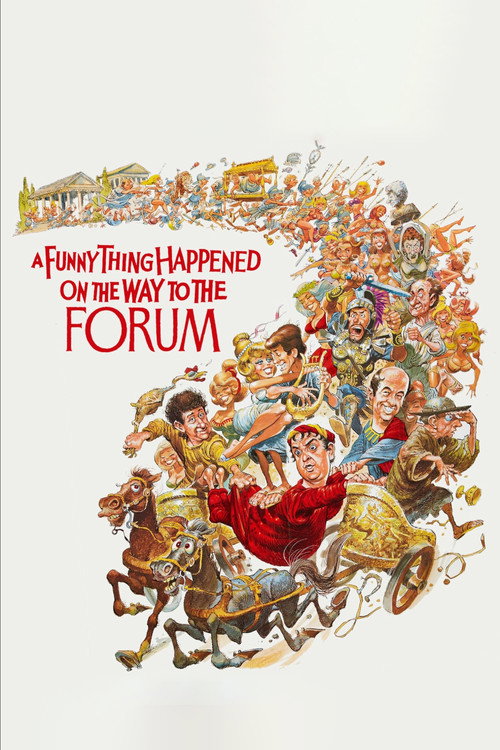
A Funny Thing Happened on the Way to the Forum1966
Both films trust broad ensemble comedy to create chaos rather than serving narrative—they're interested in the texture of confusion itself as a comment on how systems fail to contain human behaviour.
Richard Lester directs a vaudeville-paced Roman comedy with Zero Mostel and Phil Silvers: pure theatrical chaos translated to film with jump-cuts, sight gags and overlapping voices. The same anarchic sensibility applied to ancient Rome.
But It's relentlessly silly and has almost no emotional depth. The pacing is exhausting for some; others find it too removed from the actual plot it's theoretically built on.
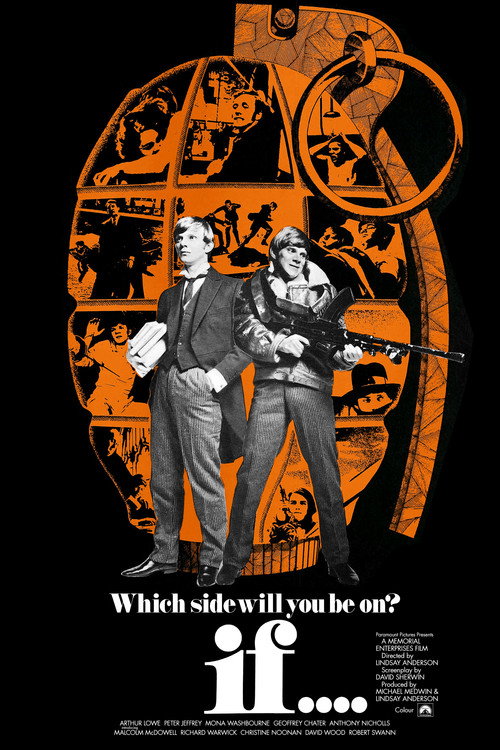
if....1968
Both films locate resistance and chaos within institutional structures (military/school) and use formal unorthodoxy to visualize how those systems produce rebellion rather than contain it—though If.... takes ideology far more seriously than comedy.
Lindsay Anderson's radical boarding-school allegory begins as naturalistic drama then shifts into absurdist violence and symbolic revolution. Shot in black-and-white and colour, it uses form itself to enact institutional breakdown.
But It's a political allegory from 1968 that can feel didactic or too neatly schematic about rebellion. The tonal shifts will alienate those wanting either consistent comedy or consistent drama.
People
Cast
 Brian KeithOfficer Michael M. Nace
 Tony CurtisShannon Gambroni
 Ernest BorgnineSheriff Harve
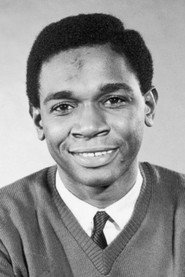 Ivan DixonSgt. Jones
 Suzanne PleshetteRamona
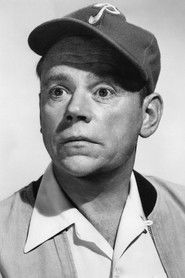 Tom EwellBilly Joe Davis
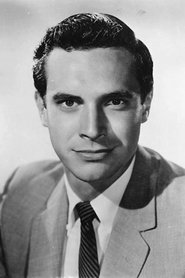 Bradford DillmanCapt. Myerson
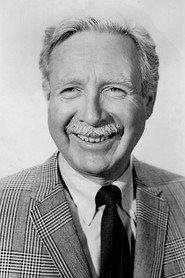 Arthur O'ConnellMr. Kruft
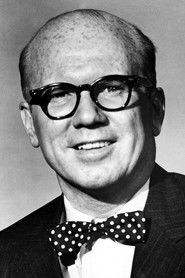 John FiedlerMaj. Purvis
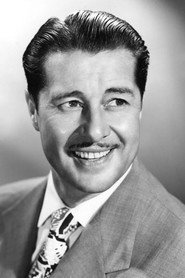 Don AmecheCol. Flanders
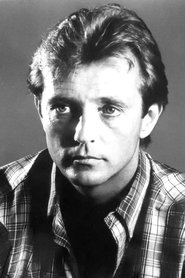 Christopher MitchumAlturi
- Jean ArgyleMrs. Calhoun