
Film
WUSA
A 1970 political thriller about a cynical drifter who lands a job at a right-wing New Orleans radio station, only to discover it's a front for something far darker. Paul Newman glides through moral quicksand with characteristic charm while the film builds toward genuine unease. It's a paranoid, prescient film about complicity and the corrosive effect of detachment—relevant then, more relevant now.
If you liked this
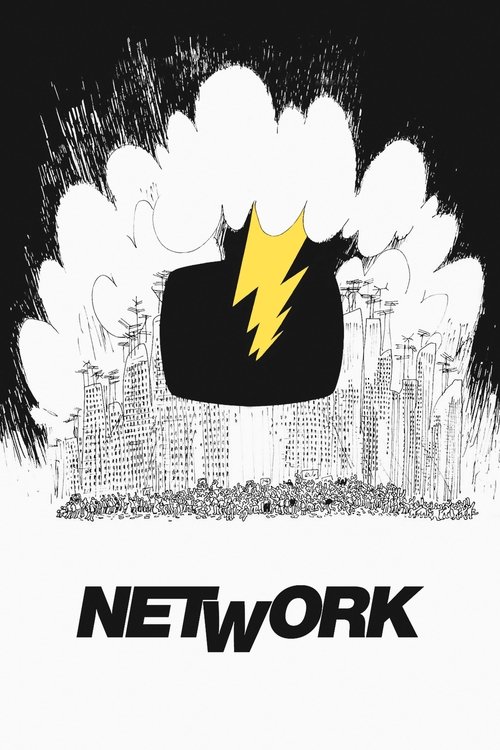
Network1976
Paddy Chayefsky's savage satire about a news network's descent into ratings-obsessed madness. It shares WUSA's disgust with broadcast media as a tool for manipulation, but swings harder and louder. Essential viewing about systems that reward sensationalism over truth.
But It's heavy-handed and shrill by design—the satirical sledgehammer can feel exhausting, and the hysteria sometimes obscures the point it's making.
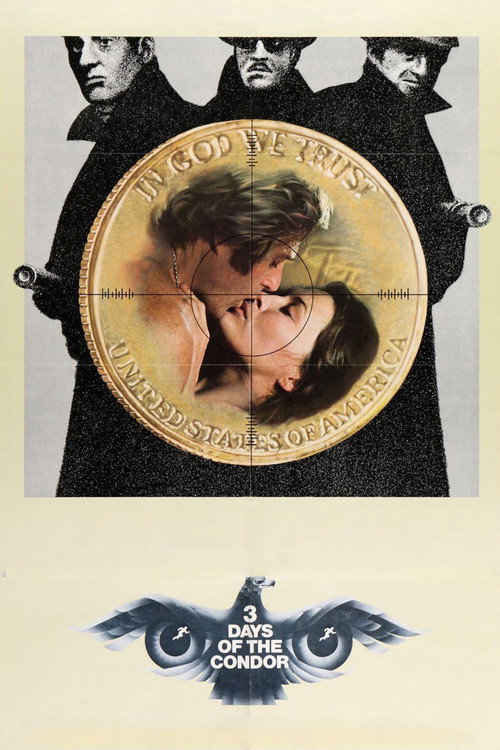
Three Days of the Condor1975
Robert Redford as a paranoid analyst on the run from his own employer. Same era, same dread of invisible institutional power, same question: what do you do when the system itself is the threat? Tense and beautifully crafted espionage cinema.
But It's deliberate and slow-burn. If you want action, this isn't it—it's about fear and isolation more than car chases.
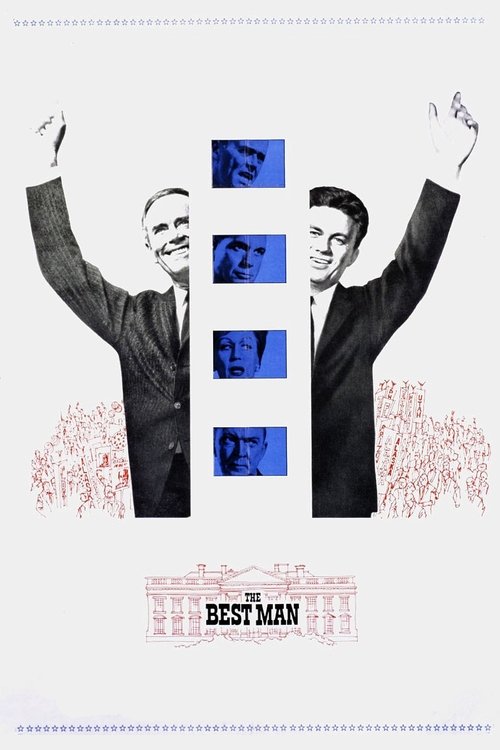
The Best Man1964
Gore Vidal's acidic political drama about competing candidates during a presidential convention. Sharp dialogue, genuine moral questions about compromise and power. It understands how ideology gets eroded by pragmatism, which is WUSA's central preoccupation.
But Dated in surface detail and pacing—it moves like a stage play adapted to screen, which can feel slow to modern viewers.
Not sure tonight? Get a pick in a minute, starting from WUSA
The wildcard
Something you would not have found on your own.
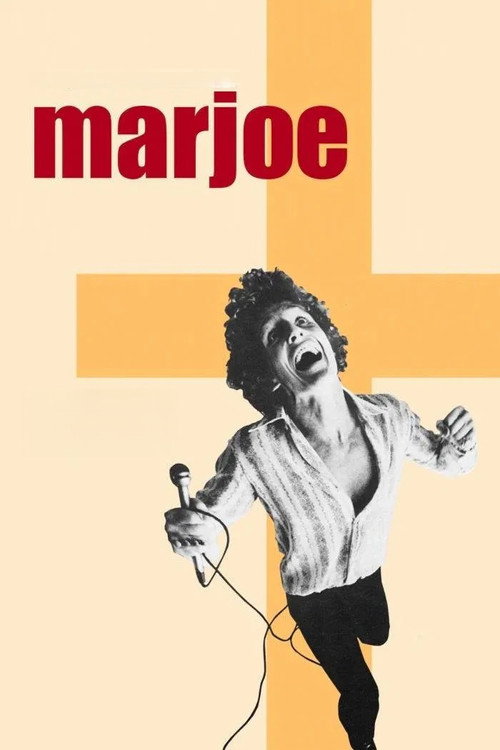
Marjoe1972
Both are about charismatic men whose job is to make people believe things they've privately rejected. The difference is Marjoe is actually doing it, and the guilt is visible on his face.
A documentary portrait of Marjoe Gortner, a televangelist deconstructing his own machinery of persuasion in real time. Like Rheinhardt, it's about a charismatic performer aware he's peddling something false—except Marjoe is real, and his ambivalence is incandescent. Urgent and morally complex in ways fiction struggles to achieve.
But It's a seventies documentary with uneven pacing and technical roughness. Some viewers find real people's messiness less satisfying than a scripted narrative.
More like this (8)
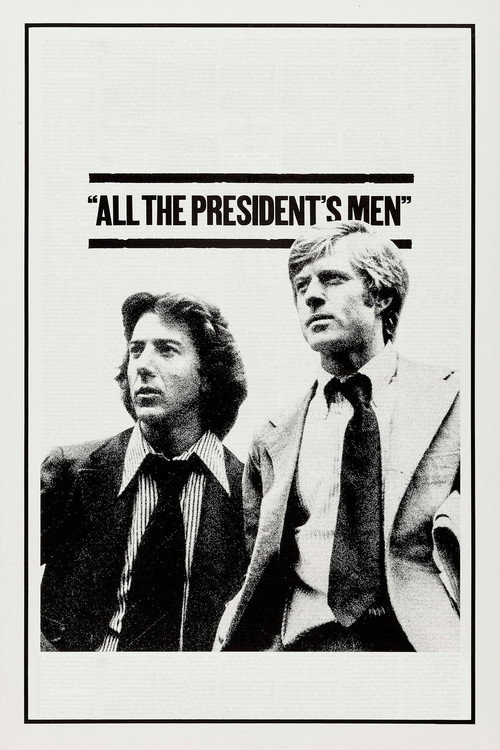
All the President's Men1976
Woodward and Bernstein pursue the truth through institutions designed to hide it. Where WUSA shows the machinery of deception in motion, this shows two people resisting it. Methodical, gripping, and about the power of refusing cynicism.
But It's a procedural—lots of phone calls and typing. Not for anyone who needs plot momentum over observation.
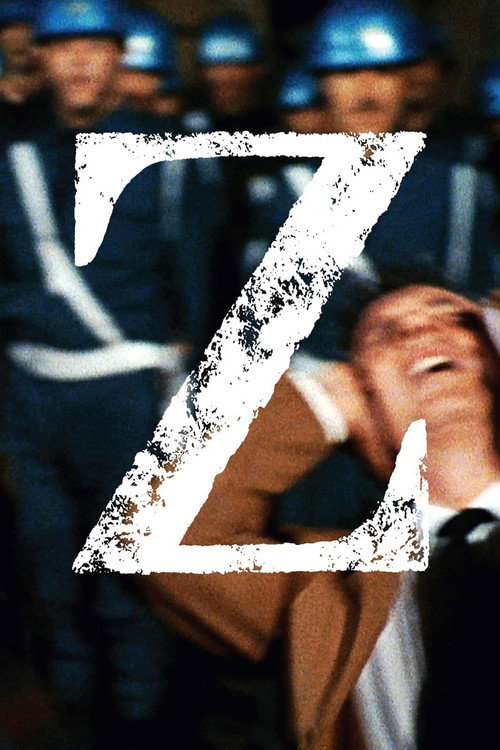
Z1969
Costa-Gavras's incendiary political thriller about a state apparatus crushing dissent. European urgency and style. Like WUSA, it shows ordinary people discovering they're inside something monstrous, but it burns hotter and faster.
But It's a document of its moment—sometimes the 1960s avant-garde filmmaking can feel didactic rather than organic.
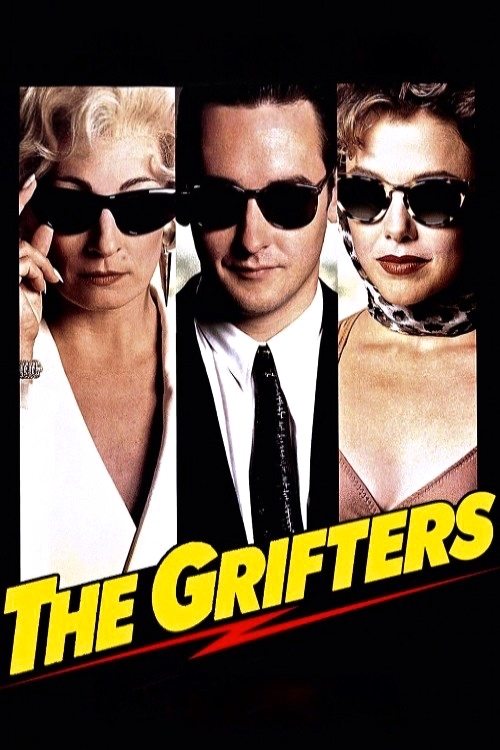
The Grifters1990
Three con artists at cross purposes. Like Rheinhardt, its characters live by manipulation and detachment until the world demands they take it seriously. Nasty, smart, and beautifully acted by Annette Bening, John Cusack, and Angelica Huston.
But It's morally murky—there's no one to root for, which some find unsatisfying rather than refreshing.
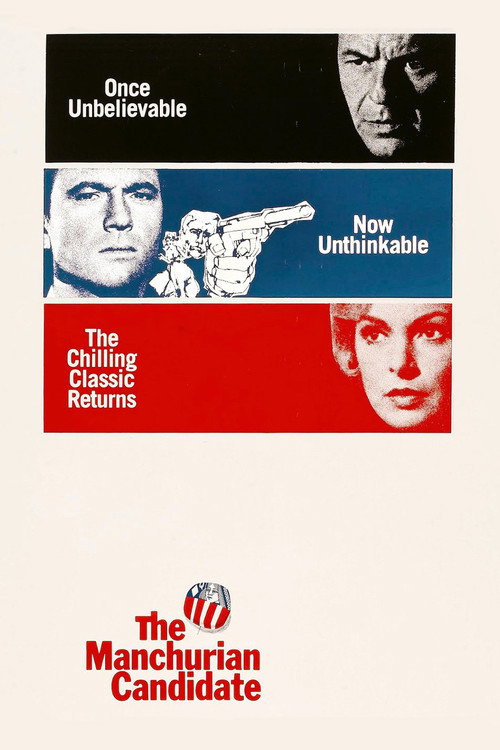
The Manchurian Candidate1962
Political paranoia before paranoia became fashionable. A sleeper agent unknowingly wound up in the machinery of power. It has WUSA's DNA—institutional evil, invisible control, the terror of realizing you're a tool.
But The satire flattens characters into types. It's urgent but sometimes blunt, more interested in ideas than people.
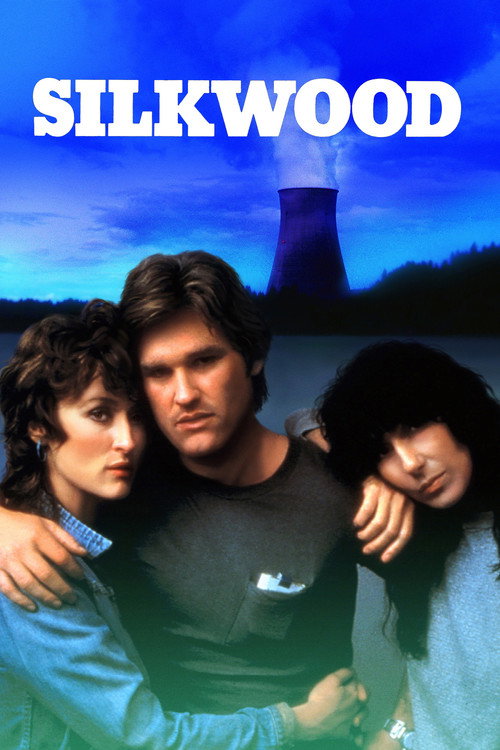
Silkwood1983
Meryl Streep as a worker who discovers her employer is hiding catastrophic safety violations. A drama about institutions that prioritize profit over lives, and one person's exhausting choice to blow the whistle. Genuinely infuriating and moving.
But It's a message movie, and the message can feel heavy-handed. Not interested in ambiguity or moral gray areas.
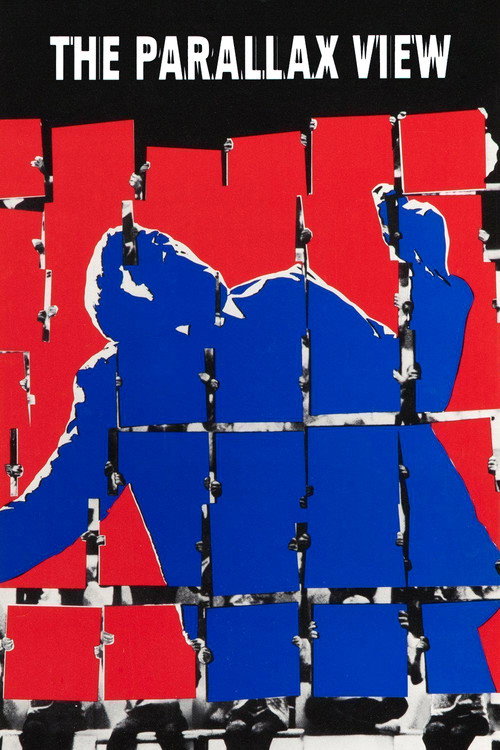
The Parallax View1974
Warren Beatty investigates a conspiracy that seems to reach everywhere. Paranoid 1970s thriller with formal brilliance and a fatalistic ending. If WUSA intrigues you, this pushes paranoia even further into nightmare territory.
But It's genuinely bleak and offers no catharsis. The famous 'Parallax Report' sequence is visually stunning but disturbing and abstract—not for everyone's evening.
A Prophet2009
Both follow a protagonist learning to thrive by abandoning principle and playing the game. Both ask what happens to a person who makes that choice, and both suggest the answer is: something dies.
Jacques Audiard's French prison drama about a young man learning to survive by manipulation and alliance-building inside a brutal system. It's WUSA compressed and intensified—the machinery of power, complicity, moral compromise—but set inside a cage. Extraordinary filmmaking and one of the best performances of the 2010s.
But It's violent, long (155 minutes), and entirely in French with subtitles. The prison setting and pace can exhaust viewers looking for lightness.

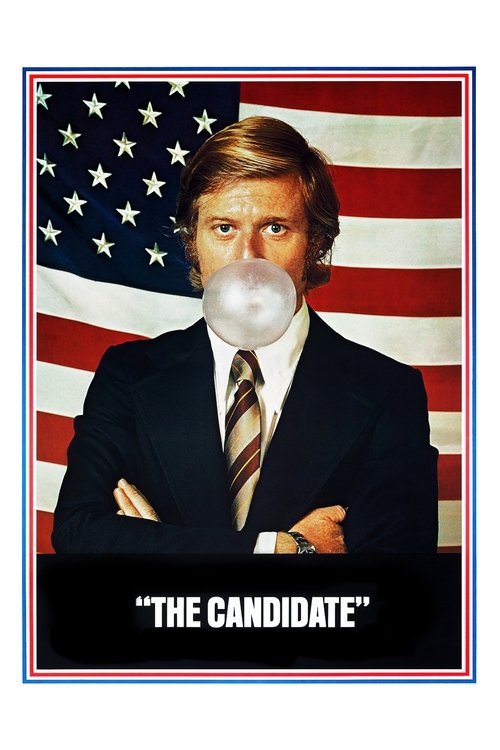
The Candidate1972
Both feature protagonists who think they're above the system only to discover they've become it. WUSA focuses on complicity; The Candidate focuses on corruption's incrementalism—they're different angles on the same corrosion.
Robert Redford as an idealistic lawyer recruited to run for Senate. Where WUSA shows the machinery corrupting from within, this watches an idealist enter the machine and calcify in real time. Michael Ritchie directs with deadpan precision. The ending is quietly devastating—a political drama that understands how compromise compounds into something unrecognizable.
But It's a character study disguised as a campaign film, which means it moves at the pace of disillusionment rather than momentum. Deliberately unglamorous.
People
Cast
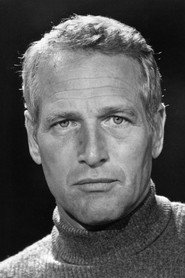 Paul NewmanRheinhardt
 Joanne WoodwardGeraldine
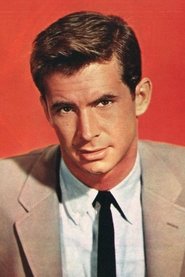 Anthony PerkinsRainey
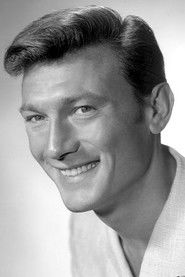 Laurence HarveyFarley
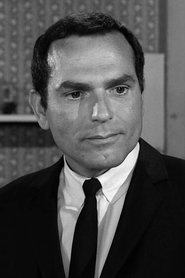 Don GordonBogdanovich
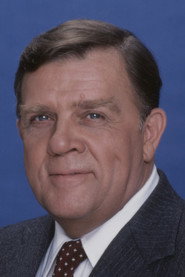 Pat HingleBingamon
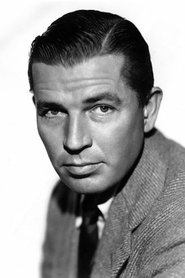 Bruce CabotKing Wolyoe
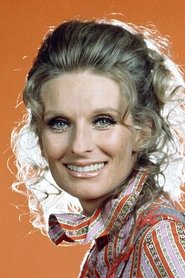 Cloris LeachmanPhilomene
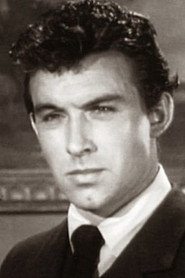 Jerry CatronSidewinder Bates
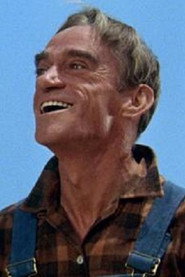 Jim BolesHot Dog Vendor (uncredited)
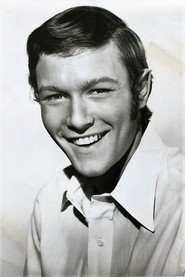 Michael Anderson Jr.Marvin
- Leigh FrenchGirl
Directing
- Stuart RosenbergDirector
Writing
- Robert StoneNovel
- Robert StoneScreenplay
Production
- Hank MoonjeanAssociate Producer
- John ForemanProducer
- Paul NewmanProducer