
Film
The Party
Other titles called The Party: the 1980 film, the 2017 film, the 2026 series (ITVX).
- Slapstick
- Light-hearted
The Party is Peter Sellers at his most wordless: Hrundi V. Bakshi, a bumbling Indian actor, gate-crashes a glossy Hollywood soirée and dismantles it room by room. Blake Edwards ditches plot for pure physical engineering—sight gags escalating with mathematical precision. It's for lovers of slapstick as choreography, though Sellers' brownface casting remains a genuine, dated problem.
Should you watch it?
Watch it if you love physical comedy built on escalating small disasters, where a single clumsy gesture snowballs into chaos and a performer's improvised timing does most of the work.
Skip it if you want sharp plotting or a story that drives toward a big payoff, since this is mostly a loose sequence of set pieces that wanders rather than builds to a clear conclusion.
What it asks of you: Roughly ninety-nine minutes of patience with silence, slapstick and a gentle, episodic rhythm, with little dialogue carrying the jokes and a lot of attention needed for background gags.
Not sure? Find tonight's pick in a minute.
If you liked this
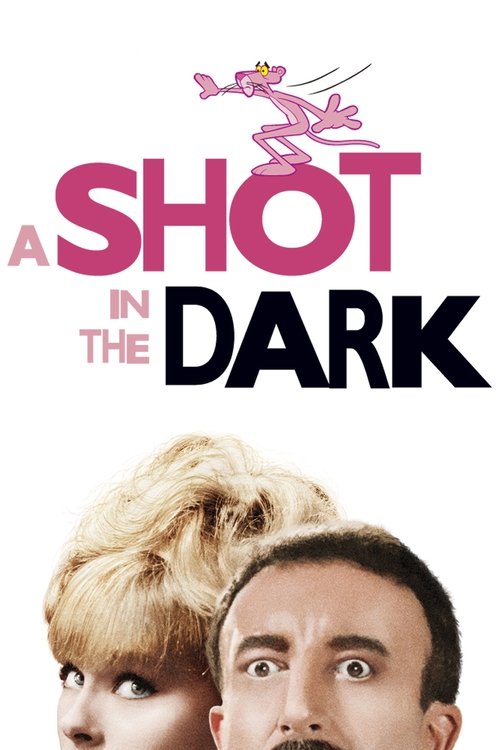
A Shot in the Dark1964
This is Sellers and Edwards doubling down on the same formula—Inspector Clouseau blundering through a murder investigation, tripping over furniture and dignity in equal measure with the same lunatic precision.
But It's plot-driven where The Party is pure vibe—more mystery-comedy structure, less free-floating chaos.
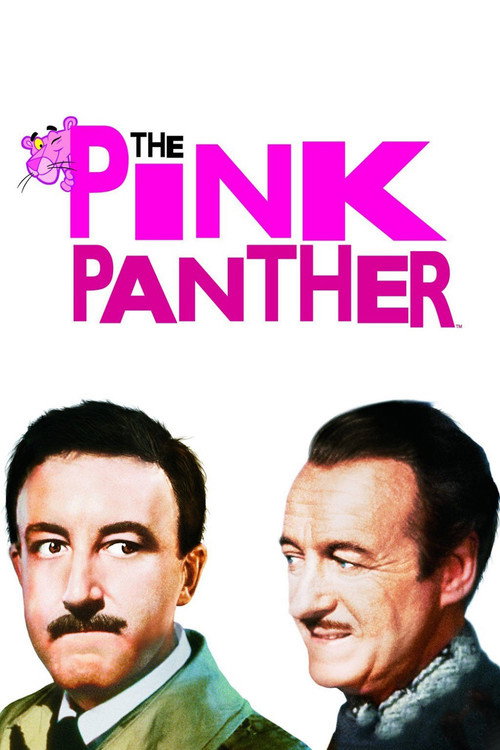
The Pink Panther1963
The film that made Sellers and Edwards a duo worth following, and the one where Clouseau's slapstick disasters first proved a man could destroy a room just by walking into it, gracefully, disastrously.
But The heist plot around Clouseau gets more screen time than comedy purists might want.
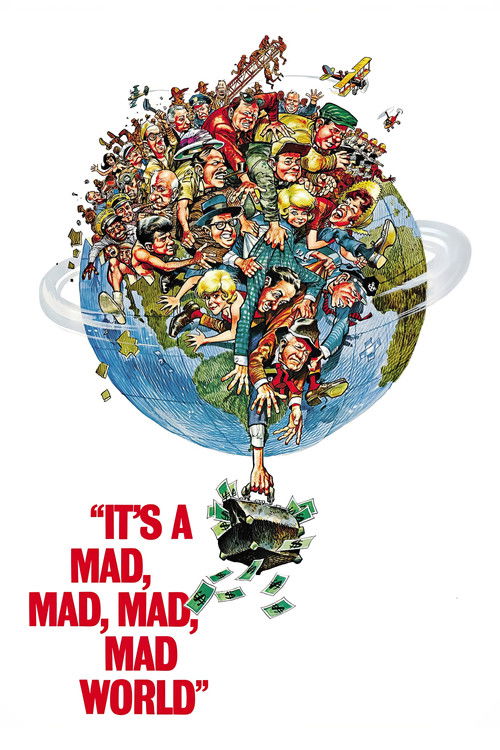
It's a Mad, Mad, Mad, Mad World1963
Trade one bumbling guest for an entire cast of greedy strangers racing across America for buried treasure—an all-star slapstick machine where every gag escalates the previous one, exactly like Bakshi's party spiraling room by room.
But At over three hours, it's a marathon of mayhem—thrilling in bursts, exhausting if you want tight comic economy.
Not sure tonight? Get a pick in a minute, starting from The Party
The wildcard
Something you would not have found on your own.
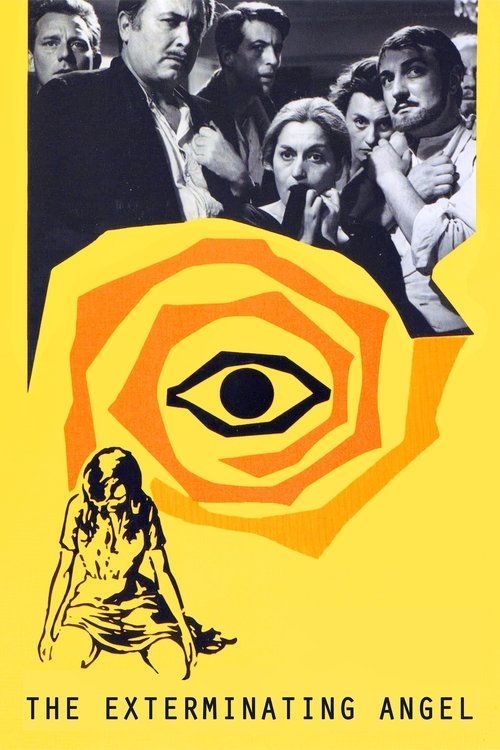
The Exterminating Angel1962
Both trap the wealthy at a party and watch social order collapse gag by gag—Buñuel just replaces slapstick with dread, turning the same structural joke into something closer to nightmare.
After a dinner party, the wealthy guests find they simply cannot leave the room—no explanation given, just mounting social breakdown as etiquette dissolves into savagery. Same premise as The Party, pushed until it turns surreal and savage instead of silly.
But It's a slow, strange arthouse film with no jokes in the conventional sense—unsettling rather than funny, and deliberately unresolved.
More like this (8)
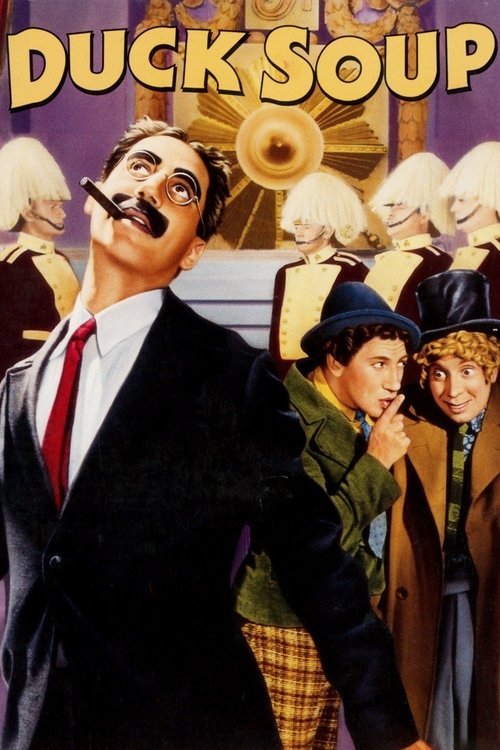
Duck Soup1933
Before Sellers, there were the Marx Brothers turning diplomacy itself into slapstick warfare—anarchic, verbal, physical chaos with zero interest in making sense, just like Bakshi's party refuses to behave.
But The humor is broader and more vaudevillian—less choreographed elegance, more rapid-fire absurdity.
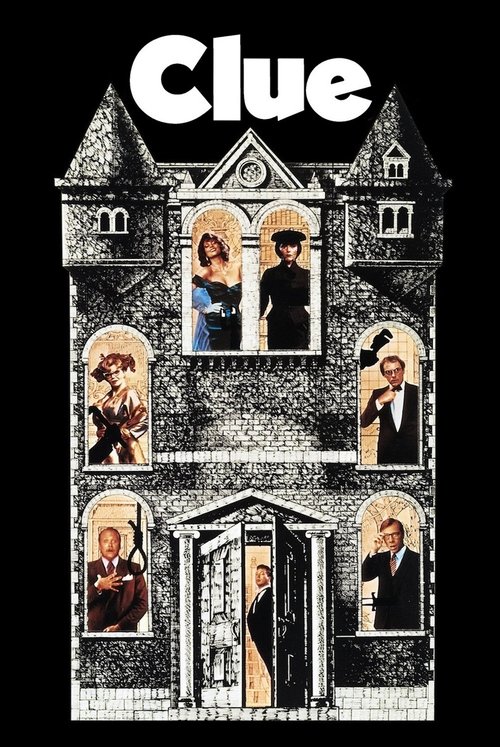
Clue1985
A dinner party turns into a farce of misidentification and bodies where every guest is a walking disaster waiting to happen—ensemble chaos with the same delight in escalating social catastrophe.
But It's murder-mystery spoof rather than character comedy—the laughs come from plot twists, not one man's clumsiness.
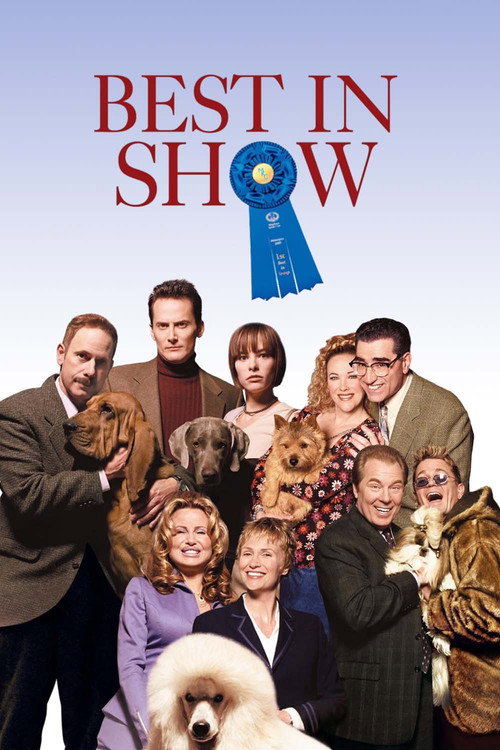
Best in Show2000
Christopher Guest's mockumentary ensemble turns a dog show into the same kind of slow-motion social disaster The Party thrives on—awkward people colliding with their own self-importance, gag after gag.
But It's talking-heads mockumentary style, not physical slapstick—a different comic engine entirely.
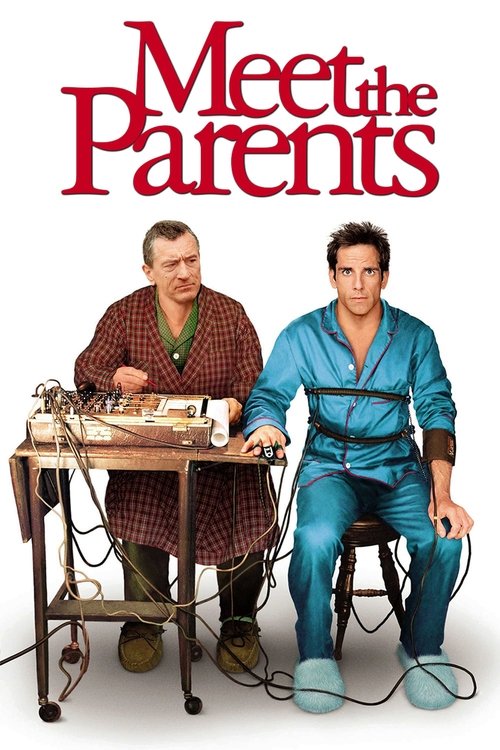
Meet the Parents2000
A modern spin on being the wrong man at the wrong gathering—Ben Stiller stumbles through increasingly mortifying social disasters with the same doomed, well-meaning energy Bakshi brings to Hollywood's elite.
But It leans into cringe and awkwardness rather than pure visual gags—funnier if you like squirming more than laughing.
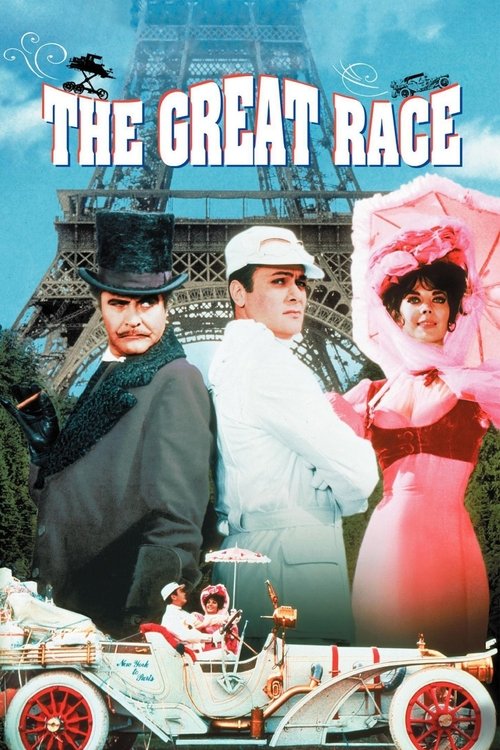
The Great Race1965
Another Blake Edwards spectacle, this time a transcontinental race stuffed with pratfalls, pie fights, and elaborate physical comedy on a much bigger canvas than one house party.
But It's a sprawling epic at over two and a half hours—big, loud, and less intimate than Bakshi's one-night disaster.
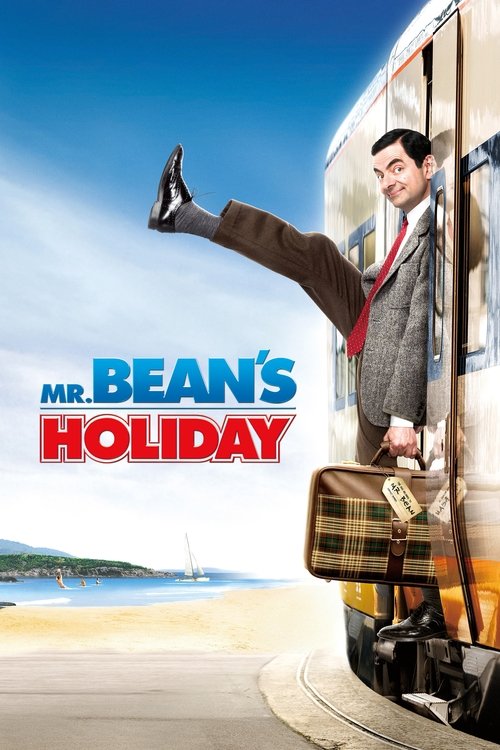
Mr. Bean's Holiday2007
Rowan Atkinson channels the same wordless, escalating-catastrophe energy as Sellers, one hapless man undone by circumstance after circumstance on his way through France.
But It's gentler and more family-friendly—less satire, more pure sight-gag sweetness.
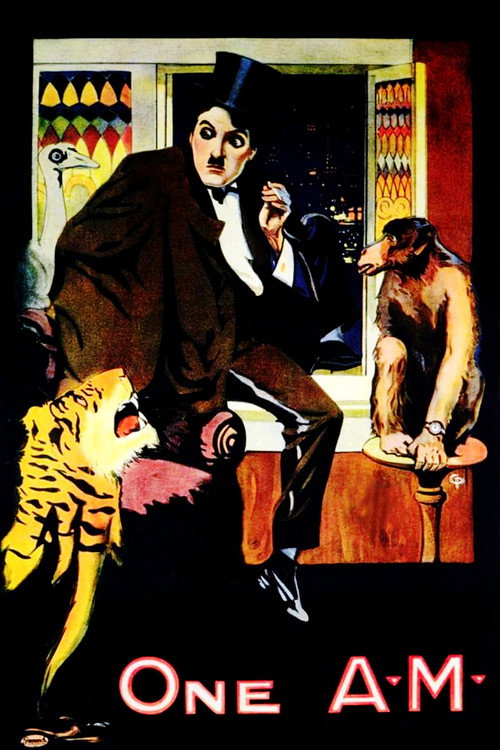
One A.M.1916
Sellers' near-wordless stretches in The Party are direct descendants of Chaplin's solo set-piece slapstick—same idea of a man undone entirely by objects, decades before Edwards restaged it in colour.
Chaplin, alone, wordless, trying simply to get himself up a staircase and into bed while drunk—thirty minutes of pure physical comedy where every piece of furniture becomes an obstacle course. This is where Bakshi's genre was born.
But It's a silent short with no story beyond one man versus his own house—minimal by design, and very much of its era.
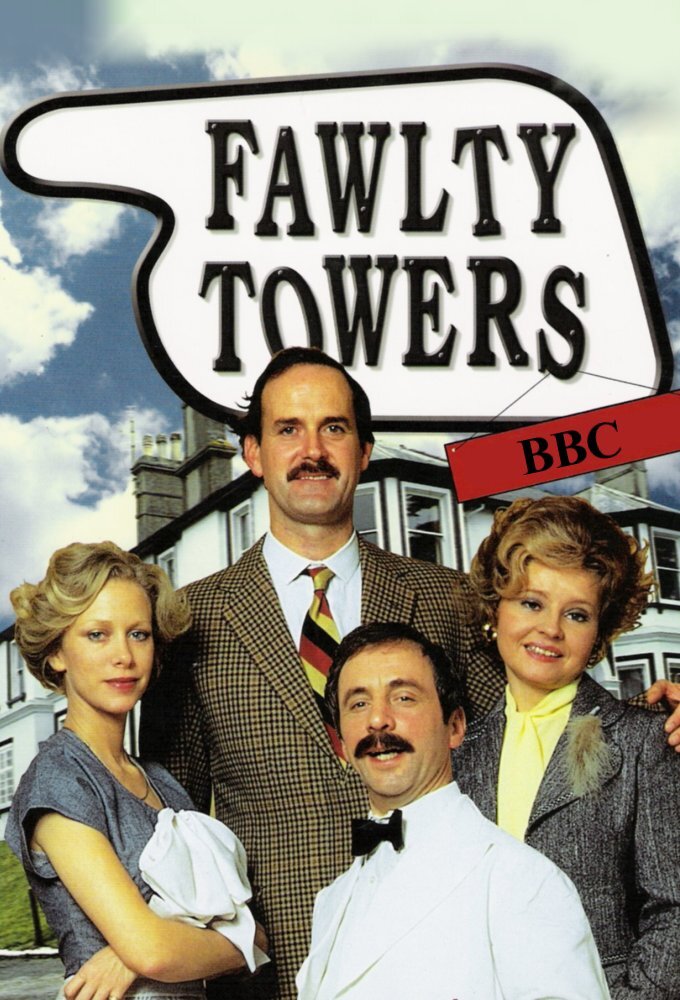
Fawlty Towers1975
Basil Fawlty is Bakshi's British cousin: a socially catastrophic host instead of guest, but the same engine—politeness collapsing into chaos, escalated episode after episode instead of packed into one long evening.
A hotel run by a man perpetually one bad decision from total disaster, guest after guest triggering fresh catastrophe—party chaos stretched into a whole sitcom, with the same gleeful escalation and painfully precise comic timing.
But It's British sitcom pacing across half-hour episodes, not a single unbroken set piece—different rhythm, same DNA of disaster.
People
Cast
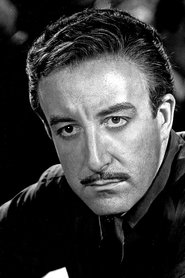 Peter SellersHrundi V. Bakshi
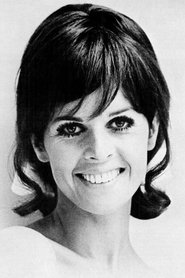 Claudine LongetMichele Monet
- Natalia BorisovaBallerina
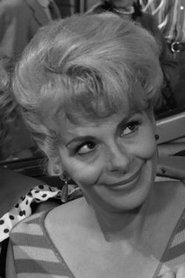 Jean CarsonNanny
 Marge ChampionRosalind Dunphy
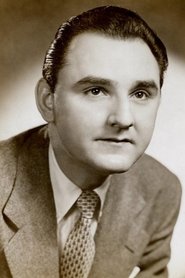 Al CheccoBernard Stein
- Corinne ColeJanice Kane
- Dick CrockettWells
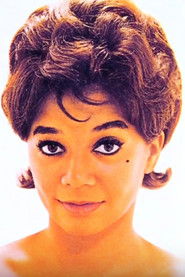 Frances DavisMaid
 Danielle De MetzStella D'Angelo
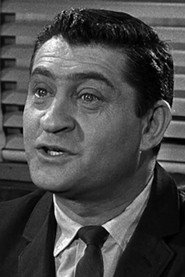 Herbert EllisDirector
- Paul FerraraRonnie Smith
Directing
- Blake EdwardsDirector
Writing
- Blake EdwardsScreenplay
- Frank WaldmanScreenplay
- Tom WaldmanScreenplay
- Blake EdwardsStory
Production
- Walter MirischExecutive Producer
- Blake EdwardsProducer
Recommended by
Monsieur Hulot's Holiday, The Pink Panther, Up in Smoke, Help!, Sisters, What's New Pussycat?, Curse of the Pink Panther, The Likely Lads, Inspector Clouseau, Sunday Lovers, The President's Analyst, How to Stuff a Wild Bikini, Greetings, Out of Sight, Suppose They Gave a War and Nobody Came?, Revenge of the Pink Panther, Under the Rainbow, The Adventure of Sherlock Holmes' Smarter Brother, Beach Party, Monte Carlo or Bust!