
Film
One A.M.
- Slapstick
- Light-hearted
Chaplin's silent slapstick masterpiece about a drunk man's struggle to navigate his own home. It's a 25-minute symphony of physical comedy—every staircase, mirror, and piece of furniture becomes an adversary. Pure visual storytelling at its finest, and endlessly inventive. For anyone who loves movement, timing, and comedy that needs no words.
Should you watch it?
Watch it if you love slapstick built from one stubborn gag, where a performer fights ordinary household objects and the physical timing does all the talking.
Skip it if you want story, psychology or subtlety, since this is a broad, brief slapstick piece that leans hard on repeated physical business.
What it asks of you: Roughly twenty-five minutes of silent, fast physical comedy, with no pause to settle; you watch closely, since the laughs come from timing and small reactions.
Not sure? Find tonight's pick in a minute.
If you liked this
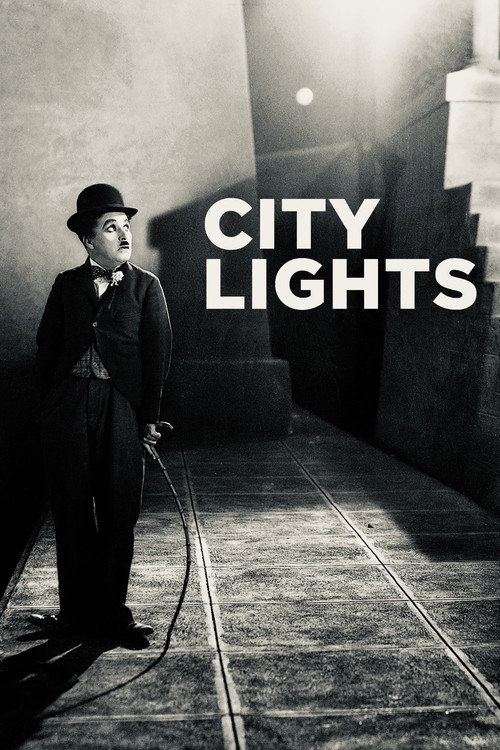
City Lights1931
Chaplin's masterwork balances gut-busting comedy with genuine pathos. The final scene will rearrange your face. If you loved the physical brilliance of One A.M., this shows what happens when he points that genius at the heart.
But It's 87 minutes of silent film, and the emotional weight might feel heavy if you're just after laughs. Some of the sentimentality can feel dated.
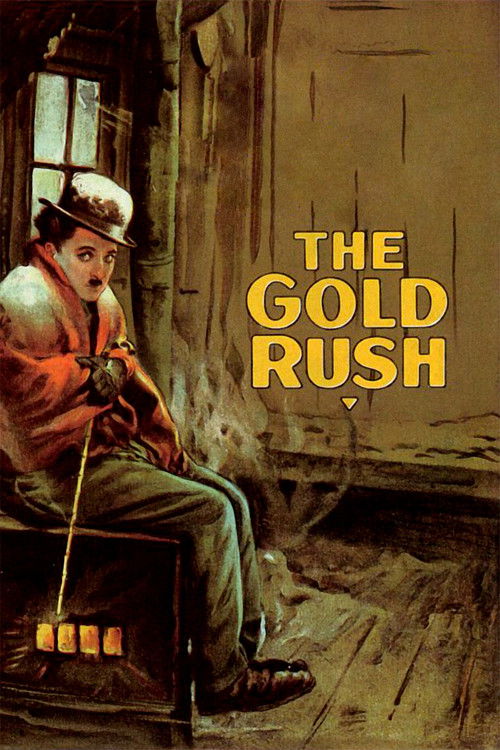
The Gold Rush1925
Chaplin in the Klondike with the same precision timing and visual gags you loved, but bigger—a full narrative that makes you laugh and then gutpunch you. The dinner-table scene alone justifies its reputation.
But Silent film moves at its own pace. If you need plot to move fast, this meanders intentionally. Some gags land better if you know silent-comedy conventions.
Singin' in the Rain1952
Pure joy translated into dance and physical performance. Like One A.M., it's about bodies moving through space with absolute precision—but here it's Gene Kelly and Donald O'Connor. The 'Make 'Em Laugh' number is exactly what you came for.
But It's a musical, so there's singing. The plot is thin. If you want story weight, this trades it for craft and exuberance.

Not sure tonight? Get a pick in a minute, starting from One A.M.
The wildcard
Something you would not have found on your own.
Häxan1922
Both films tell their stories entirely through bodies and objects in space, with zero dialogue. Where Chaplin makes you laugh at a drunk man fighting his furniture, Christensen makes you squirm at witches and demons using identical visual precision.
A Swedish mockumentary about witchcraft that's closer to surreal horror than anything else. Benjamin Christensen uses the same precise physicality as Chaplin, but for grotesque and unsettling effect. It's silent, it's visual, it's strange as hell.
But It's genuinely disturbing—grotesque imagery, demonic possession, bodies in pain. Not a comedy. The documentary format means it doesn't build narrative momentum the way One A.M. does.

More like this (8)
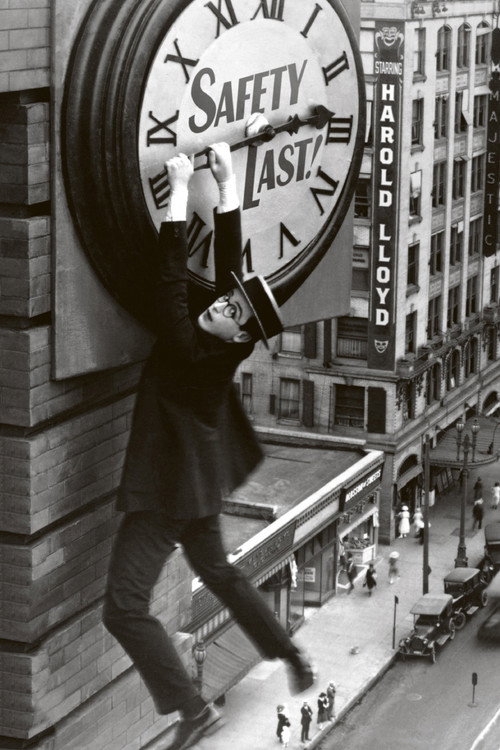
Safety Last!1923
Harold Lloyd climbing a building is the spiritual cousin of Chaplin wrestling his living room. The ingenuity, the escalation, the commitment to the bit—it's all there. Silent comedy at peak danger and precision.
But The humor is more dependent on situation than character. If you loved Chaplin's vulnerability, Lloyd plays it cooler and less sympathetic.
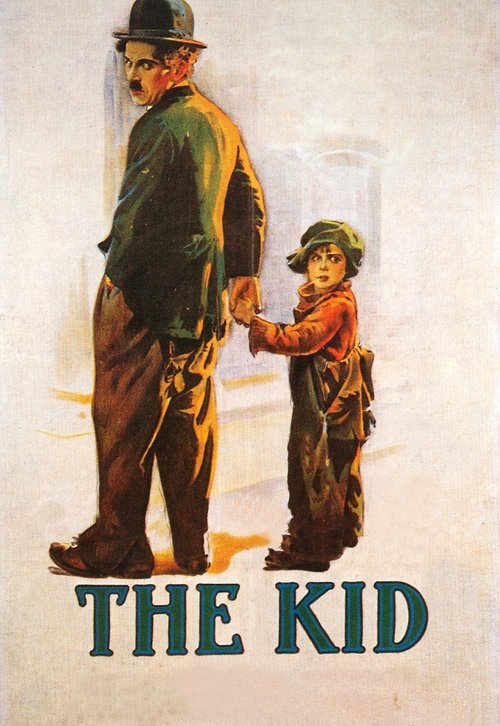
The Kid1921
Chaplin and a child actor create something that's both hilarious and heartbreaking. It's longer form, so you see his genius with pacing and emotional modulation. The tramp character reaches full dimension here.
But The sentimentality can feel heavy by modern standards. At 68 minutes, it requires patience if you only wanted a quick laugh.
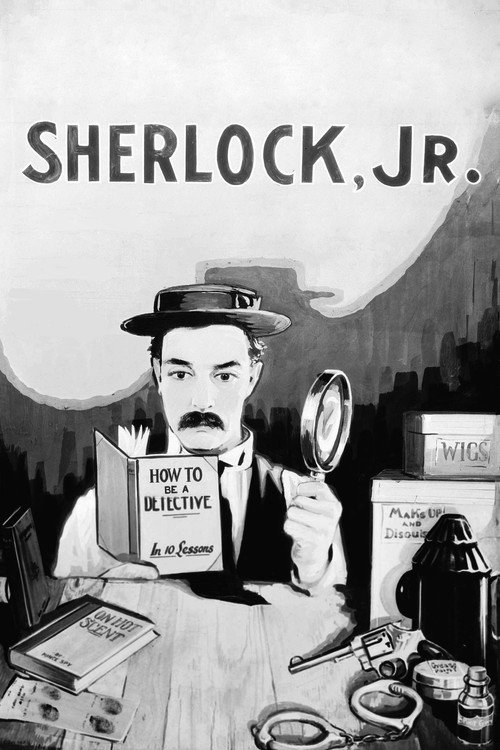
Sherlock Jr.1924
Buster Keaton's answer to Chaplin's physical comedy. The dream sequences are surreal and inventive; the stunts are genuinely dangerous-looking. Keaton's deadpan face against impossible obstacles is hypnotic.
But Keaton never smiles, which can read as cold. The narrative thread is thin. If you need emotional connection, this is pure mechanics.
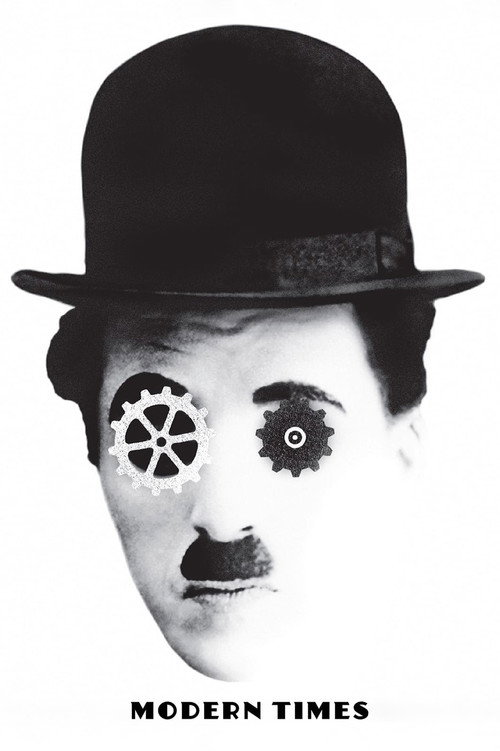
Modern Times1936
Chaplin's factory-floor sequence is one of cinema's greatest comedy set pieces. He's fighting the machinery of industrialization with his body. Hilarious, inventive, and weirdly relevant. His last fully silent film.
But The social commentary can feel on-the-nose. Late Chaplin gets more preachy. The romantic subplot doesn't match the brilliance of the physical comedy.
The Phantom Carriage1921
Victor Sjöström's Swedish ghost story uses elaborate practical effects and composition that feel almost modern. The drunk protagonist stumbling through supernatural consequence is haunting. Silent cinema's visual sophistication on full display.
But It's a ghost story, not a comedy. The pace is slow and the mood melancholic. If you wanted more laughs, this is heavy and strange.

Intolerance: Love's Struggle Throughout the Ages1916
D.W. Griffith's ambitious four-timeline epic. The Babylon sequence alone is staggering—sets that dwarf anything else from 1916. A demonstration of silent cinema's scale and visual possibility, even if the storytelling is scattered.
But It's 178 minutes and structurally confusing. The four narratives don't integrate smoothly. Requires real commitment and tolerance for experimental pacing.

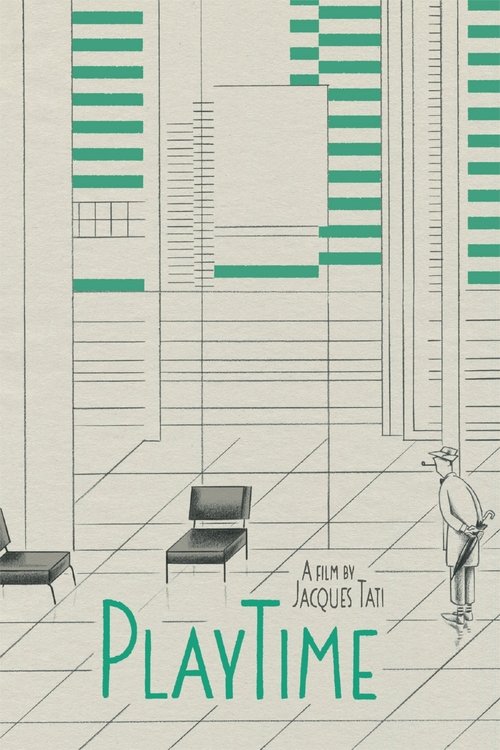
PlayTime1967
Both are silent-era comedians who understood that the human body in conflict with the physical world is inherently funny. But where Chaplin zooms in on one man and one room, Tati pulls back to watch entire systems collapse through precision and observation.
Jacques Tati's masterpiece about a man navigating a sterile modernist cityscape. Tati (like Chaplin) is a master of physical comedy—but here filmed in widescreen with dozens of jokes happening simultaneously. Watch it twice to catch everything.
But It's slow, nearly plotless, and the humor is subtly distributed. You have to look for the gags. If you want comedy spelled out, this is the opposite approach. At 124 minutes, it's also demanding.
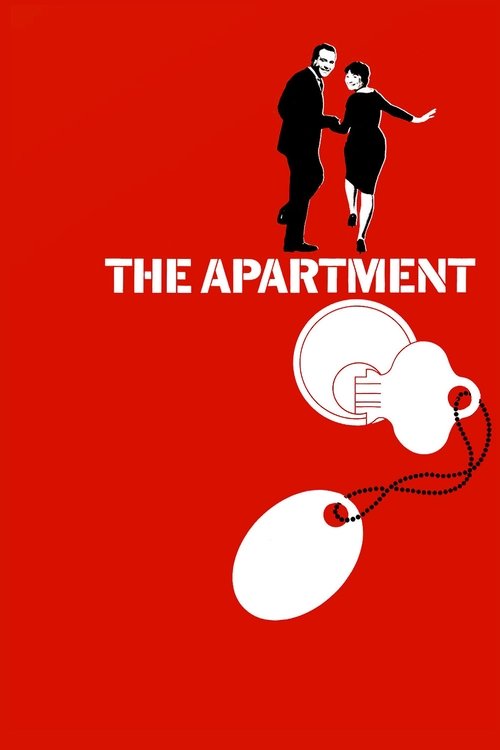
The Apartment1960
Both center on a man isolated in domestic space, struggling against circumstances beyond his control. But where Chaplin's drunk battles his furniture, Lemmon's everyman is battling loneliness and moral compromise—same loneliness in a sharper key.
Billy Wilder's tragicomedy about a junior executive and his boss's mistress. It has the structure of a sitcom but the emotional truth of a drama—bittersweet, wise, and genuinely funny. Jack Lemmon does physical comedy that echoes Chaplin's vulnerability.
But It's in a different era and tone. The office politics plot matters in a way the living-room in One A.M. doesn't. The sentimentality might feel manipulative if you're after pure slapstick.
People
Cast
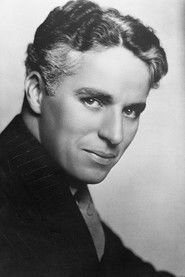 Charlie ChaplinLe bourgeois alcoolisé
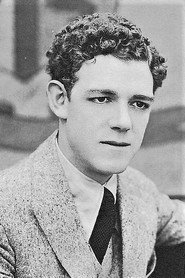 Albert AustinLe chauffeur de taxi
Directing
- Charlie ChaplinDirector
Writing
- Charlie ChaplinWriter
- Maverick TerrellWriter
- Vincent BryanWriter
Production
- Charlie ChaplinProducer
- Henry P. CaulfieldProducer