
Film
Up in Smoke
- Buddy comedy
- Light-hearted
The first Cheech and Chong feature film and a foundational stoner comedy. Two layabouts stumble through Los Angeles in a haze of improbable schemes, punctuated by absurdist sketches and a genuine affection for its drifting protagonists. Anarchic, frequently hilarious, and pitched at an audience who found mainstream comedy too uptight.
Should you watch it?
Watch it if you like comedies that wander happily from one loose scrape to the next, built on deadpan banter between two stoned misfits rather than on a tidy plot you have to follow.
Skip it if you need momentum and a clear through-line, since the film drifts episodically, leans on dated gags, and its humour can feel thin across an 86-minute stretch.
What it asks of you: Little of your attention: it runs about an hour and a half, moves at a lazy amble, and stays light and silly throughout, asking you mostly to go along with it.
Not sure? Find tonight's pick in a minute.
If you liked this
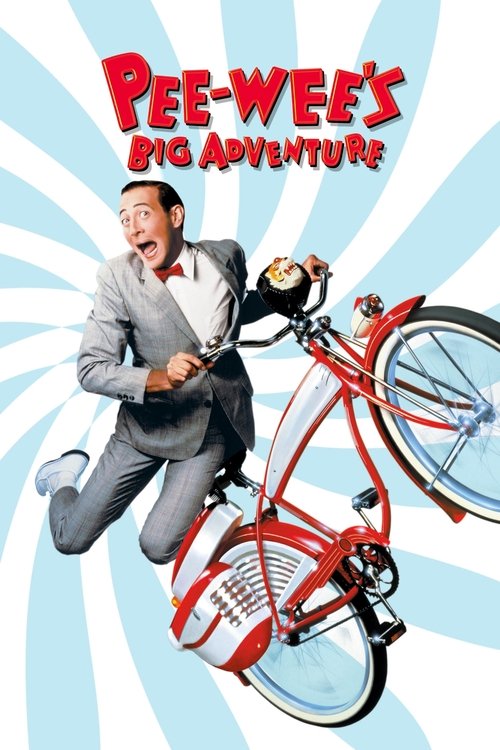
Pee-wee's Big Adventure1985
Tim Burton's debut is equally committed to childlike wonder and surrealist gags. Like Up in Smoke, it follows an oddball on a rambling journey through American absurdity, with genuine heart underneath the weirdness.
But The humor is pitched to a very specific sensibility. If Pee-wee's manic energy doesn't land for you, the whole thing collapses.
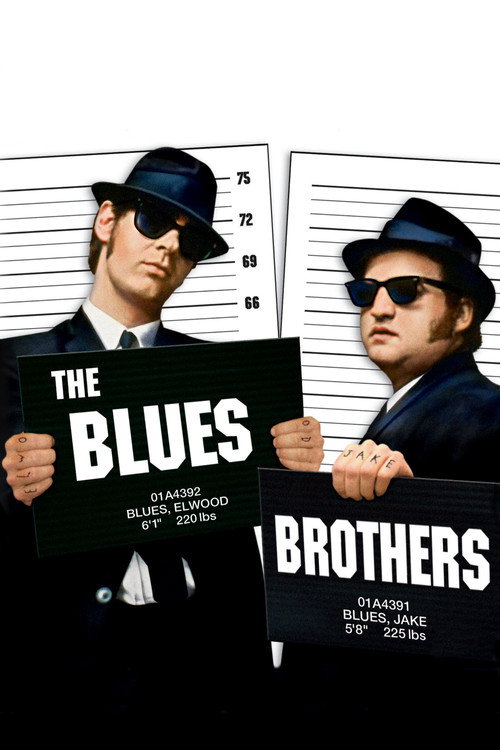
The Blues Brothers1980
Two misfits on an impossible mission across America, stopping for elaborate musical numbers and random mayhem. Same era, same spirit of controlled chaos and genuine affection for its idiots.
But It's a musical comedy that takes itself seriously about the music. Long stretches don't serve the plot, which frustrates viewers who want comedy above all else.
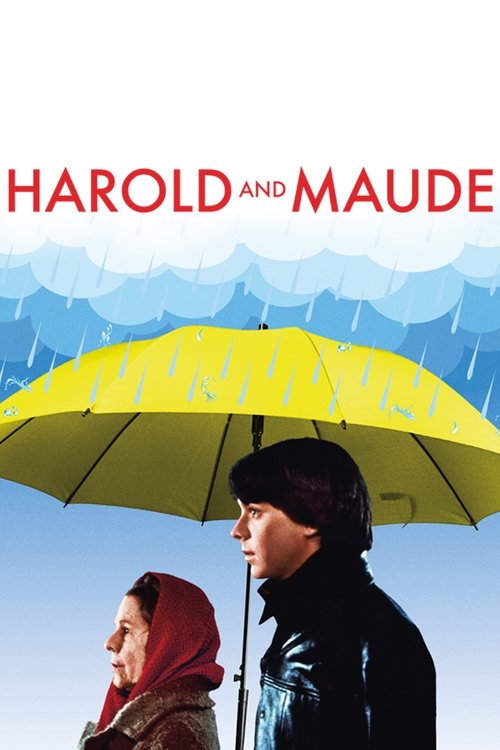
Harold and Maude1971
An aimless young drifter and an eccentric older woman form an unlikely bond over life's absurdities. It shares Up in Smoke's refusal to judge its characters and its commitment to deadpan weirdness in service of warmth.
But It's quieter and more philosophical than slapstick. The romance subplot won't work for everyone. It trades jokes for mood.
Not sure tonight? Get a pick in a minute, starting from Up in Smoke
The wildcard
Something you would not have found on your own.
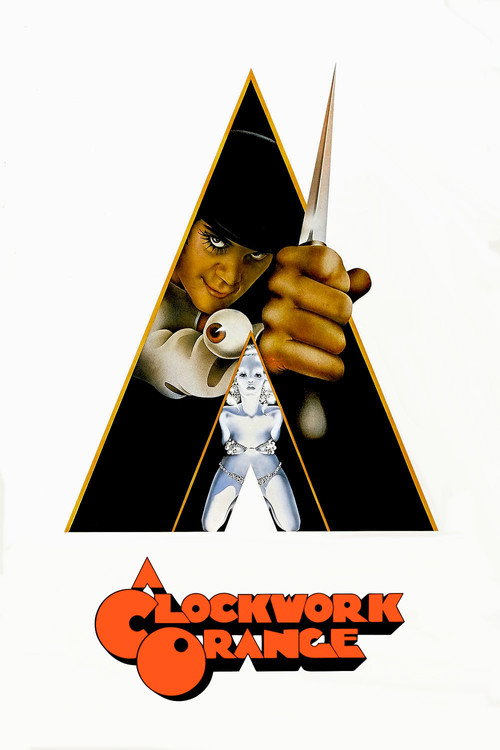
A Clockwork Orange1971
Both films are anarchist comedies that refuse to punish their protagonists for rejecting society's rules. They're powered by characters who are wrong but fascinating, operating by their own logic in contempt of authorities.
Stanley Kubrick's most audacious film follows a charismatic delinquent through violence and control in a dystopia that mirrors our own. It's anarchic and funny in the darkest possible way, showing that transgression can be thrilling.
But It's genuinely disturbing. The sexual violence is explicit. It demands you hold contradictions—finding someone horrible fascinating. Some will simply hate what it asks of you.
More like this (8)
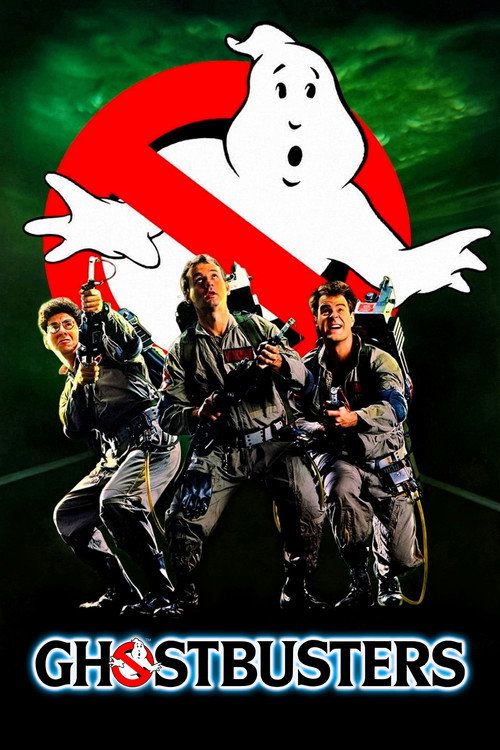
Ghostbusters1984
Four wise-cracking ne'er-do-wells accidentally become heroes while barely taking anything seriously. The improvisational vibe and refusal to let spectacle overwhelm character matches Up in Smoke's priorities.
But It's become such a cultural monument that approaching it fresh is nearly impossible. You're partly paying for nostalgia rather than discovering something.
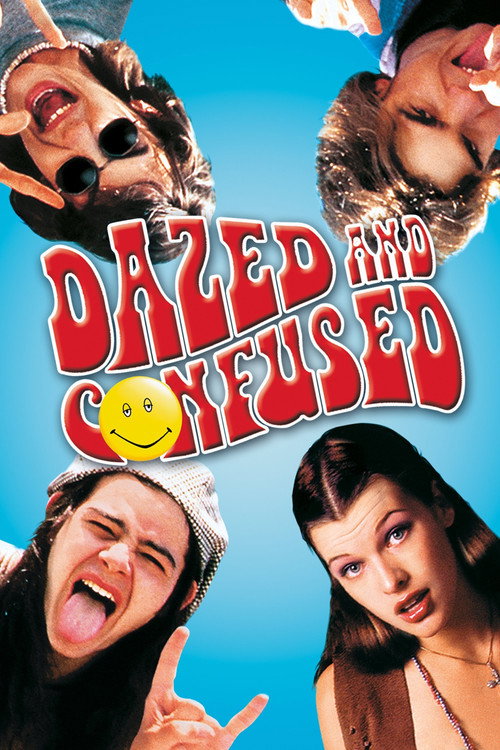
Dazed and Confused1993
Richard Linklater's ensemble comedy about the last day of school is all digressions, dumb jokes, and characters going nowhere in particular. It captures the same lovable aimlessness without trying to resolve anything.
But Nothing really happens. If you need plot momentum or character arcs, you'll find it formless. Some jokes depend on recognizing '70s minutiae.
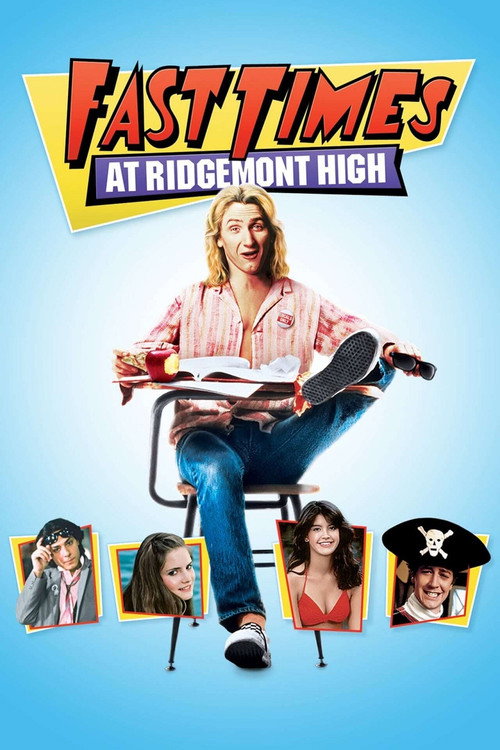
Fast Times at Ridgemont High1982
An ensemble of California teenagers and their various small disasters. It has Up in Smoke's affectionate comedy about people too young or dumb to have their lives together, plus genuinely great character work.
But It's more earnest about adolescence than absurdist. The sex humor feels different from modern comedy. Some dramatic moments undercut the party vibe.
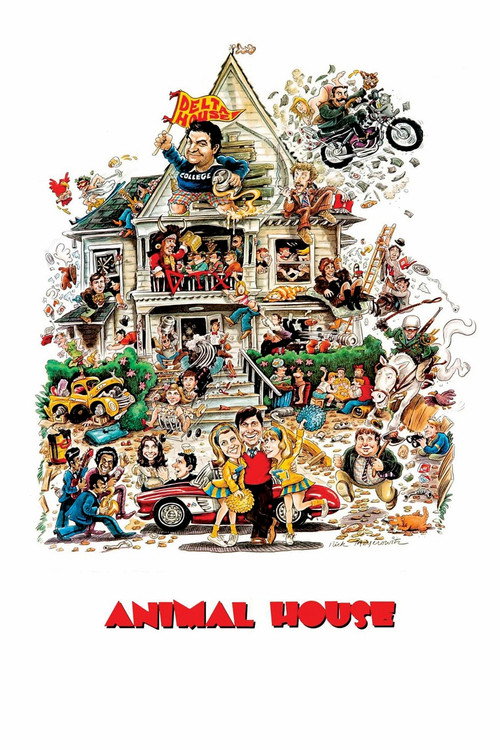
Animal House1978
Released the same year as Up in Smoke, it's the other foundational text for '70s comedy about idiots having a better time than respectable people. Anarchic, episodic, and completely unconcerned with plot.
But The animal cruelty jokes haven't aged well. Some humor is just mean-spirited. It's more interested in partying than character, which wears thin.
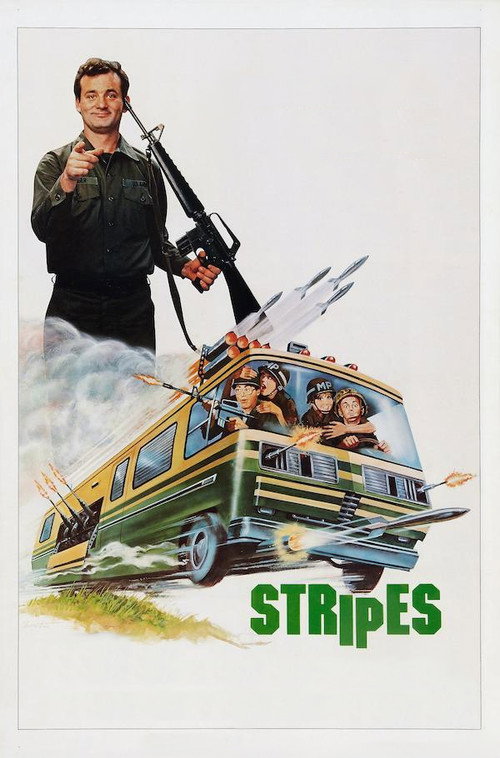
Stripes1981
Two drifters join the Army as a lark and stumble through basic training causing chaos. Same loose, sketch-based structure and the same faith that likability can carry you through a shaky premise.
But It sags in the middle and the ending doesn't match the irreverent tone of what came before. The Army romance subplot feels obligatory.
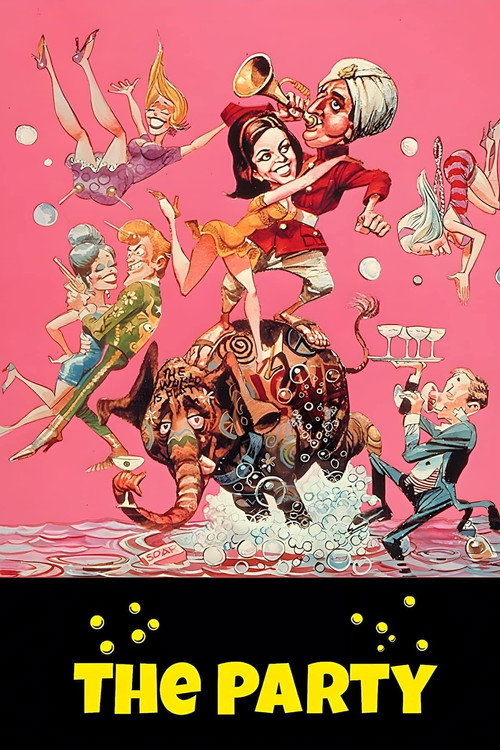
The Party1968
Peter Sellers as a bumbling actor wreaks unconscious havoc at a Hollywood party through no malice of his own. It's about failure and chaos as comedy, with Up in Smoke's embrace of the damaged protagonist.
But It's almost entirely pantomime with minimal dialogue. The humor is visual and physical rather than scripted. The pacing is glacial by modern standards.
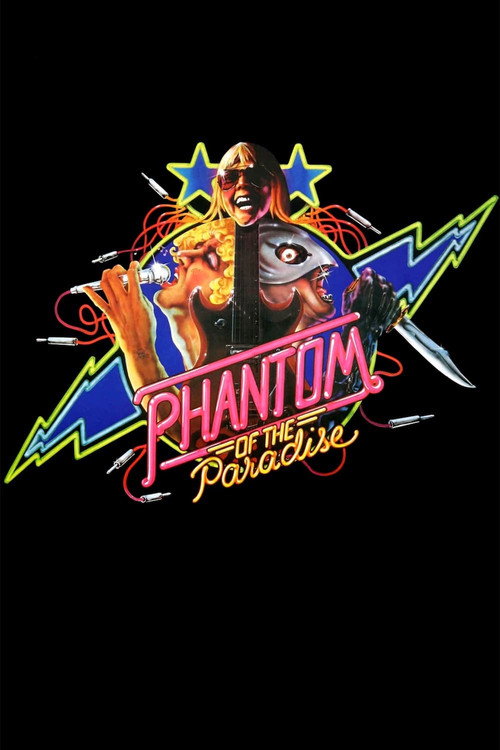
Phantom of the Paradise1974
Both are midnight-movie rock comedies from the '70s that depend on a committed performance from a natural comedian. Both treat rock music as salvation and satire as the only honest response to institutions.
Brian De Palma's rock opera about an artist destroyed by a Faustian music executive is genuinely unhinged—part horror, part comedy, all style. It's weird enough and committed enough that its failures become part of its charm.
But The tonal whiplash is extreme. It's trying to be horror, satire, and rock musical simultaneously. If you need coherence, you'll find it maddening rather than experimental.
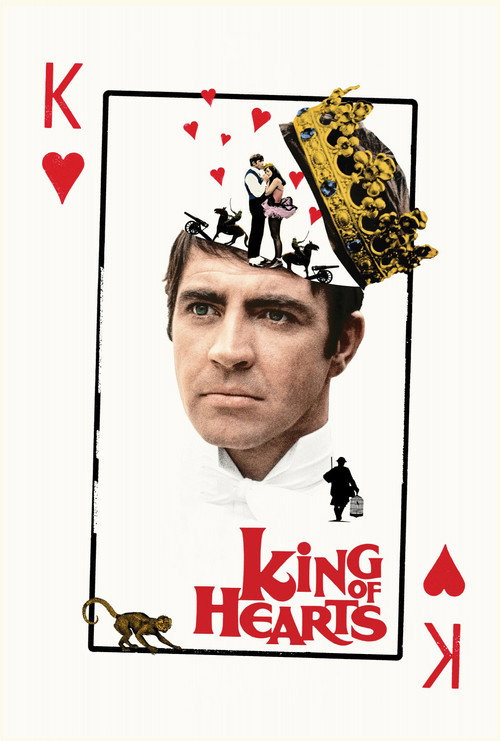
King of Hearts1966
Like Up in Smoke, it's built on the premise that the people society calls broken are actually the sane ones, and that joining their logic is freedom rather than failure. Both are genuinely weird films that trust the audience to love their oddballs unconditionally.
A WWI soldier finds himself alone in an asylum during wartime and gradually adopts the inmates' logic instead of resisting it. It's surreal, tender, and funny about the official world being crazier than the supposedly mad.
But It's French, from 1966, and often feels like a fable rather than a conventional narrative. The pacing is dreamlike. It can read as precious or overly sentimental to modern viewers.
People
Cast
 Cheech MarinPedro
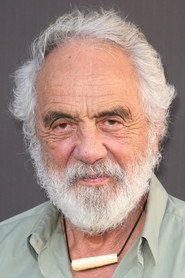 Tommy ChongMan
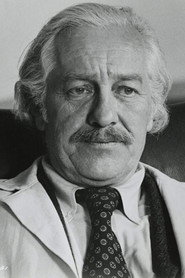 Strother MartinMr. Stoner
 Edie AdamsTempest Stoner
- Harold FongChauffeur
- Richard NovoRichard
- Jane ModerJail Bait
- Pam BilleJail Bait
 Arthur RobertsArresting Officer
- Marian BeelerJudge Gladys Dykes
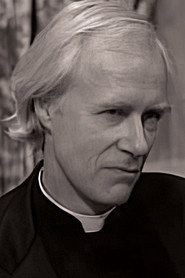 Donald HottonBailiff
- John Ian JacobsProsecuting Attorney
Directing
- Mike ModerAssistant Director
- Lou AdlerDirector
- Pamela AlchScript Supervisor
- William S. BeasleySecond Assistant Director
Writing
- Cheech MarinWriter
- Tommy ChongWriter
Production
- John BeugAssociate Producer
- Monica LauerCasting
- Lou AdlerProducer
- Lou LombardoProducer
- Mike ModerUnit Production Manager
Recommended by
The House I Live In, Pineapple Express, Flesh Gordon, Cheech & Chong's Next Movie, The Experts