
Film
The House I Live In
Eugene Jarecki's Emmy-winning documentary asks a former drug-war true believer's question — why, after forty years and a trillion dollars, is the problem worse? It moves from small-town cops to prison wardens to Jarecki's own family, building a patient, damning case that the War on Drugs became a war on the poor. Angry, methodical, and hard to argue with.
If you liked this
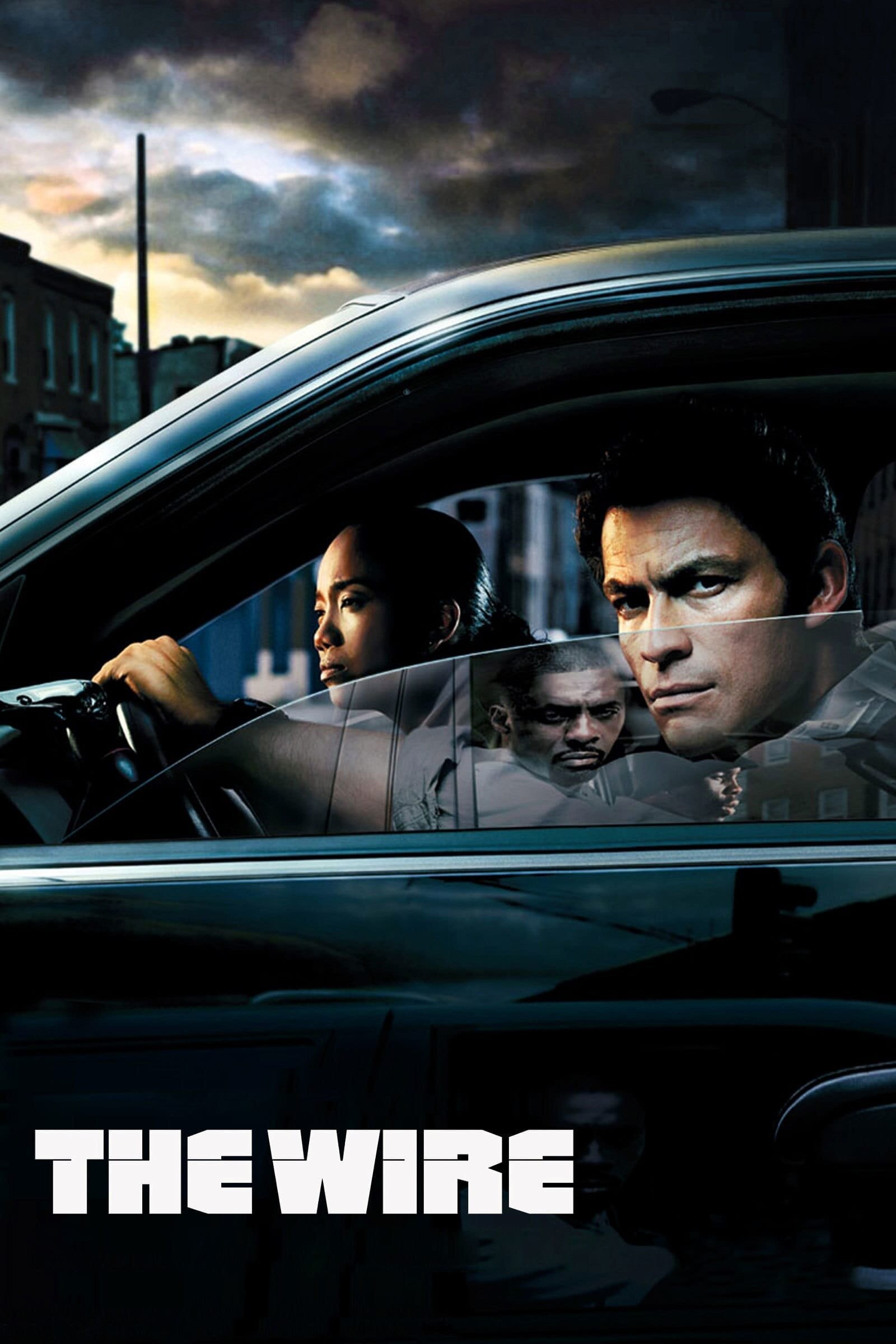
The Wire2002
David Simon's fictional Baltimore is the human-scale version of everything Jarecki argues in statistics — the corners, the courts, the wasted lives, told with total moral seriousness and zero sentimentality.
But Five dense seasons and a slow-burn first year that some viewers never make it past.
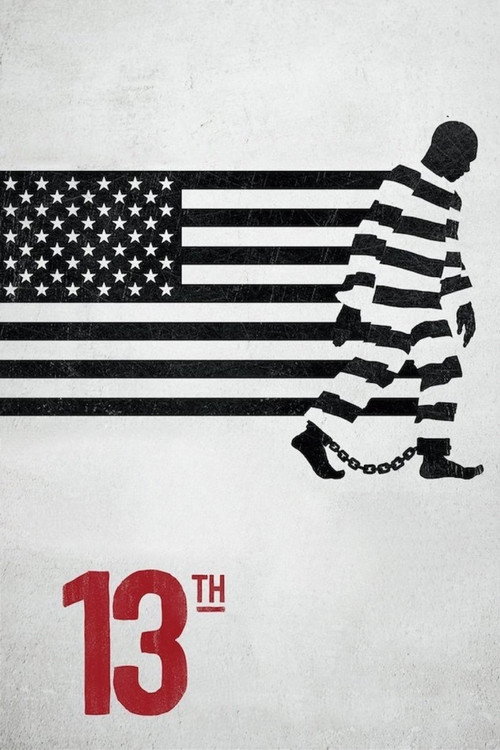
13th2016
Ava DuVernay traces mass incarceration back to the 13th Amendment itself, widening Jarecki's lens from drug policy to the entire architecture of racialized control in America.
But Covers similar ground on prisons and race — you may feel you've heard the argument before.
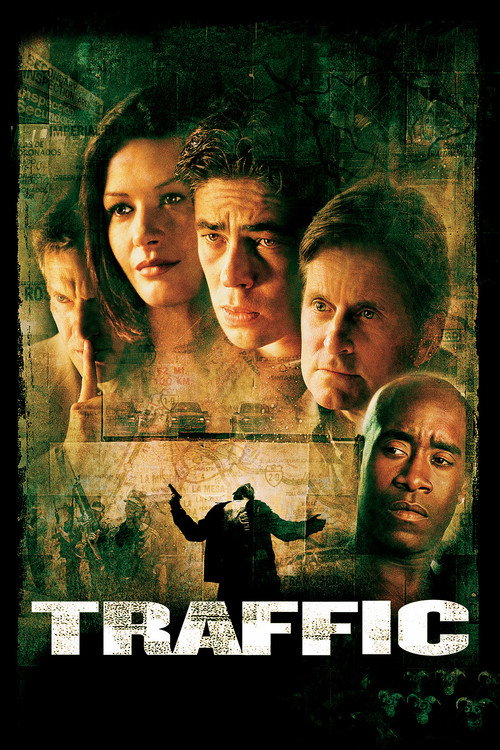
Traffic2000
Soderbergh's multi-strand epic — cartel boss, DEA agent, judge's addicted daughter — dramatizes the exact futility Jarecki documents, and won Oscars doing it.
But Glossy, star-studded, and fictional — it explains the machine without the raw testimony that gives the documentary its punch.
The wildcard
Something you would not have found on your own.
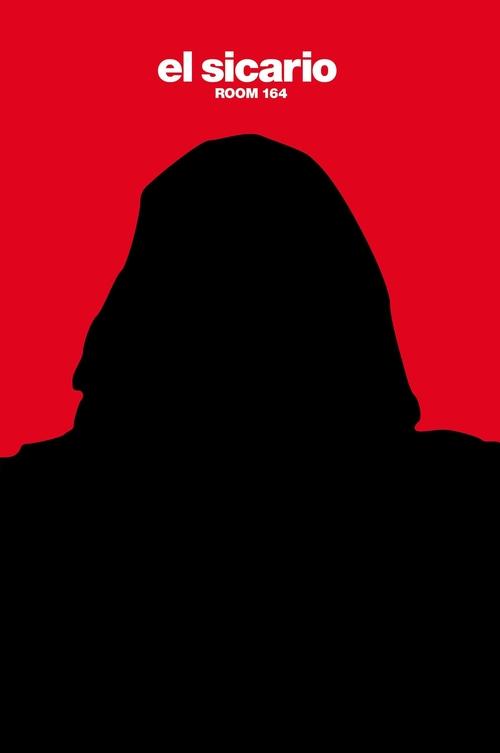
El Sicario, Room 1642010
Jarecki follows the drug war's American casualties; this is its export, the violence the demand side creates just across the border — same war, other end of the pipeline.
A former cartel hitman, face masked, sits in a motel room and calmly describes two decades of kidnapping and murder for the Juárez cartel — the drug war's supply side, told from inside it.
But Static, minimalist, and genuinely disturbing — one man talking in one room for ninety minutes, no reenactments, no relief.
More like this (7)
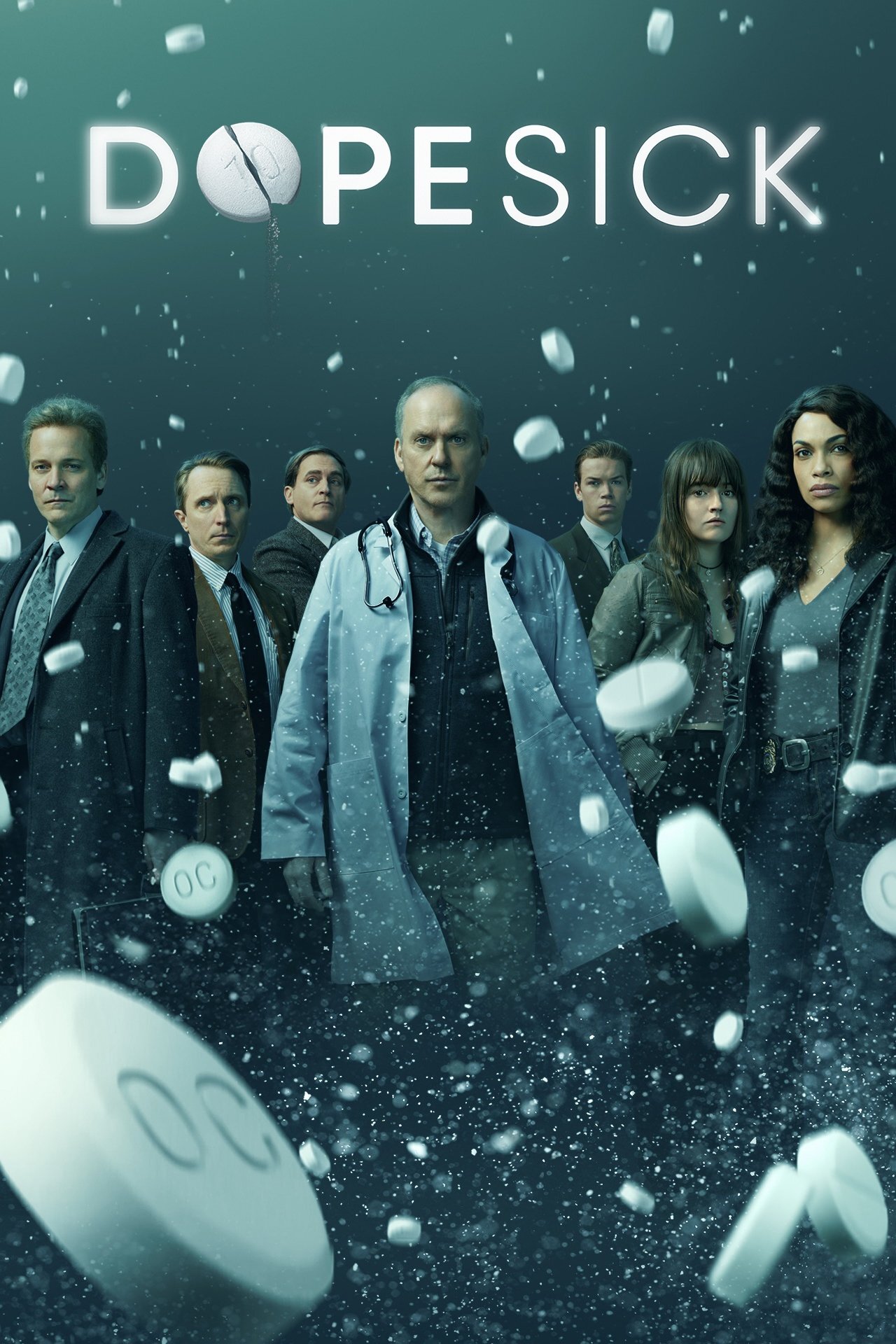
Dopesick2021
Flips the script to the other side of the drug war: the legal, corporate, white-collar version, with Purdue Pharma as the cartel and Michael Keaton devastating as a small-town doctor.
But Different era and different villains — less about policing, more about pharmaceutical malfeasance.
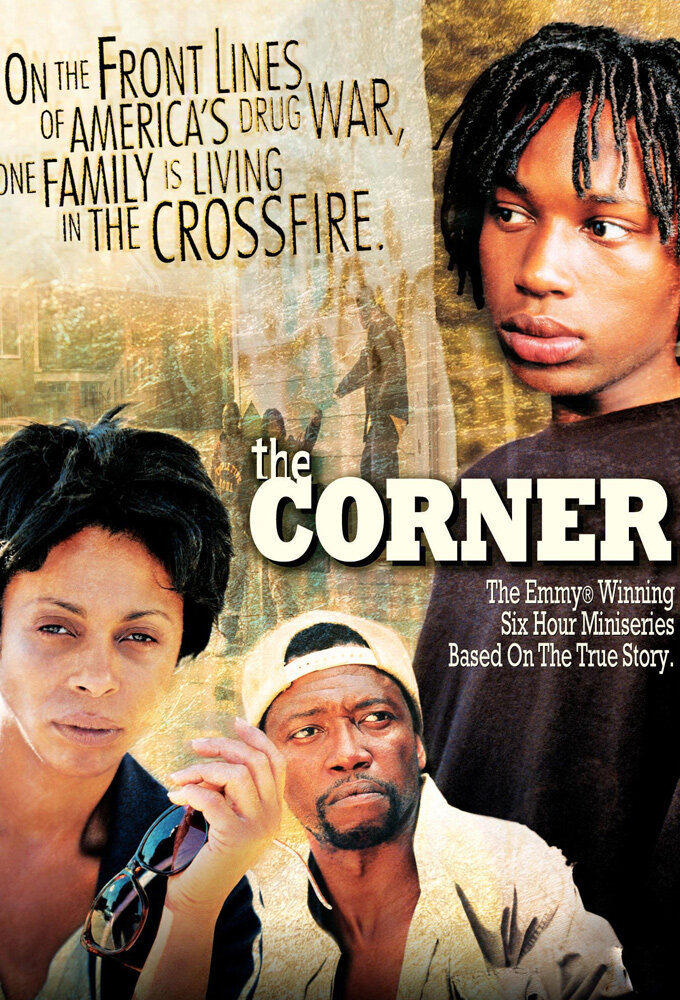
The Corner2000
David Simon and Ed Burns's nonfiction miniseries, based on real Baltimore lives, is the unglamorous ancestor of The Wire and arguably closer in spirit to Jarecki's documentary approach.
But Bleak almost beyond endurance, and harder to track down than its more famous successor.
Cocaine Cowboys2006
The origin story of the Miami cocaine trade in the 70s and 80s, told by the smugglers and killers themselves — a wild, propulsive look at where the supply side of the war came from.
But More interested in outlaw glamour and true-crime thrills than in the policy failures Jarecki dissects.
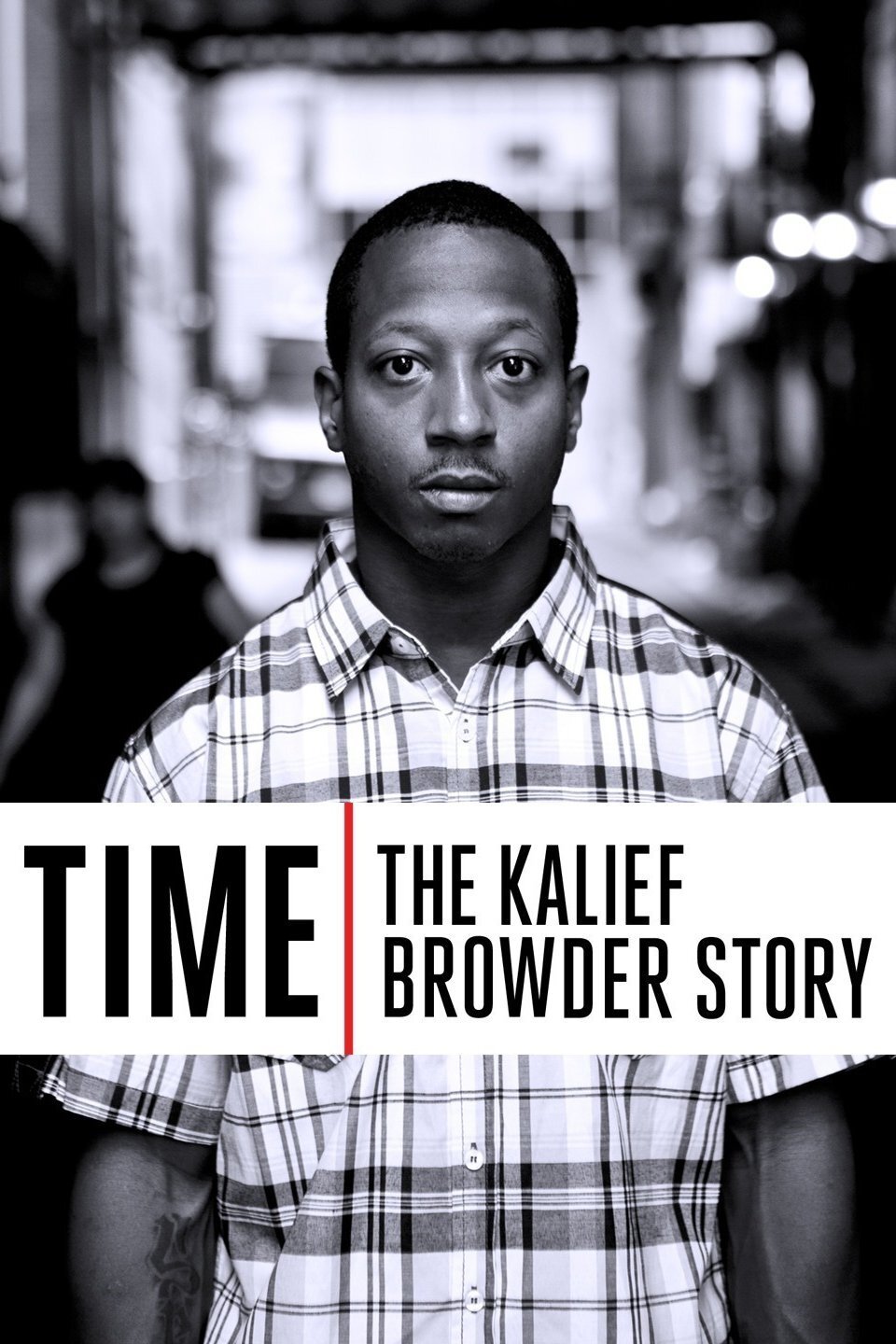
Time: The Kalief Browder Story2017
A six-part case study of one teenager destroyed by the system Jarecki describes in aggregate — three years at Rikers for a crime he didn't commit, without ever being convicted.
But Almost unbearably specific and sad; there's no analytical distance to hide behind.
Snowfall2017
FX's drama imagines the birth of the crack epidemic in 1980s Los Angeles, tracing how a drug becomes a weapon aimed at a neighborhood — dramatized, but rooted in the same history.
But Fictionalized and stylish where Jarecki is documentary and plain; some historical liberties taken for drama.

American Drug War: The Last White Hope2007no page yet
A scrappier, angrier cousin to Jarecki's film, interviewing everyone from smugglers to DEA agents to build its own case against the war's logic.
But Rougher production values and a less disciplined argument — a b-side, not a classic.
Up in Smoke1978no page yet
Watch it right after Jarecki's film and the joke curdles: this is the culture that laughed at drugs while the state was building the machine to imprison people for exactly this.
Cheech and Chong get gloriously, harmlessly stoned and drive a van made entirely of marijuana across the border, accidentally, while the police chase their own tails. It's dumb and it's a genuine classic.
But Broad, dated stoner comedy with zero interest in anyone's suffering — the tonal opposite of everything Jarecki argues.
People
Cast
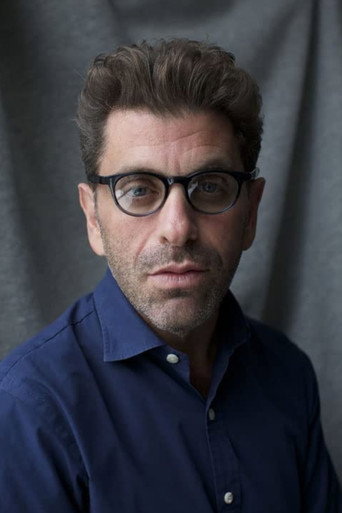 Eugene JareckiSelf - Narrator / Interviewer
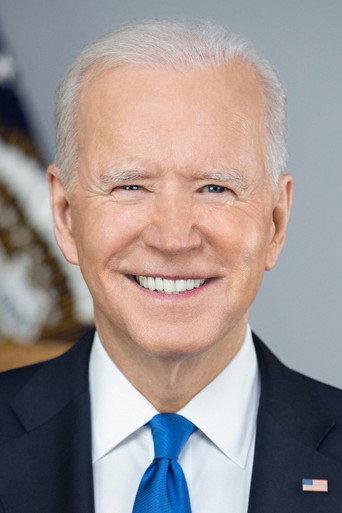 Joe BidenSelf (archive footage) (uncredited)
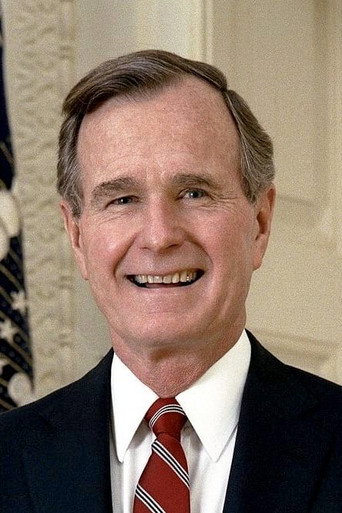 George H. W. BushSelf (archive footage) (uncredited)
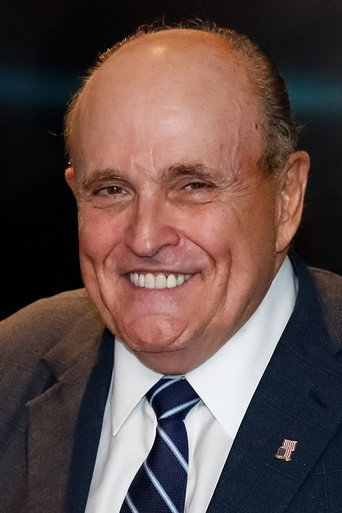 Rudolph GiulianiSelf (archive footage) (uncredited)
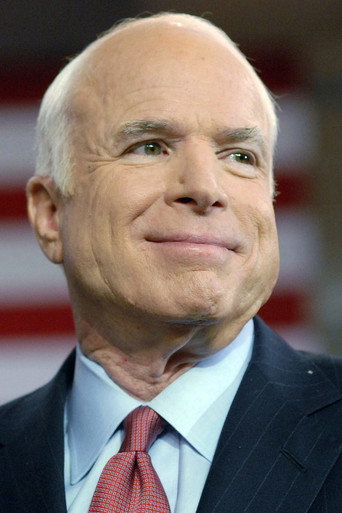 John McCainSelf (archive footage) (uncredited)
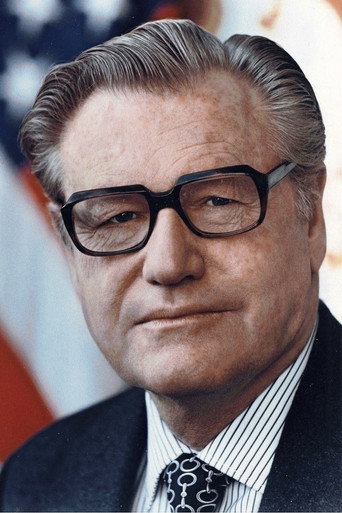 Nelson RockefellerSelf (archive footage) (uncredited)
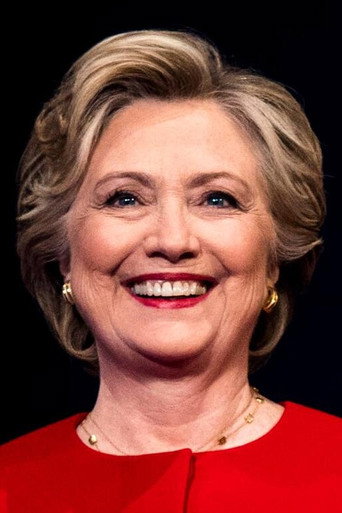 Hillary ClintonSelf (archive footage) (uncredited)
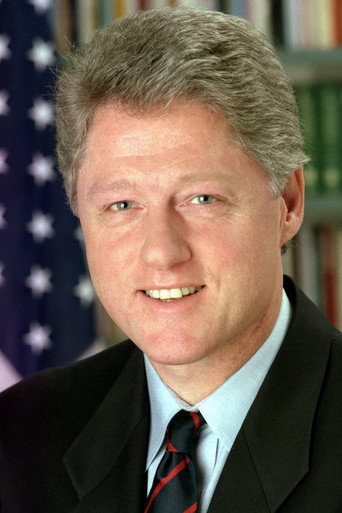 Bill ClintonSelf (archive footage) (uncredited)
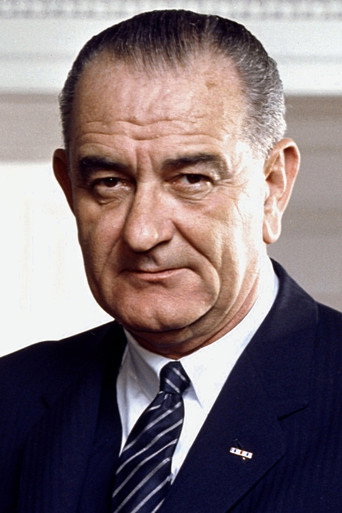 Lyndon B. JohnsonSelf (archive footage) (uncredited)
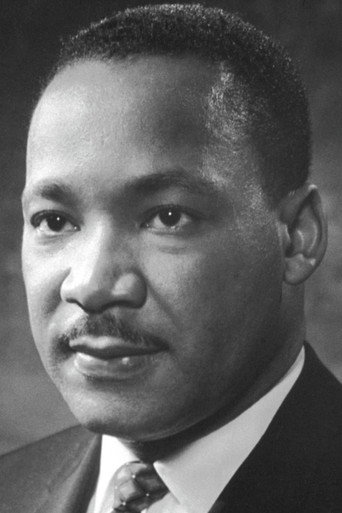 Martin Luther King Jr.Self (archive footage) (uncredited)
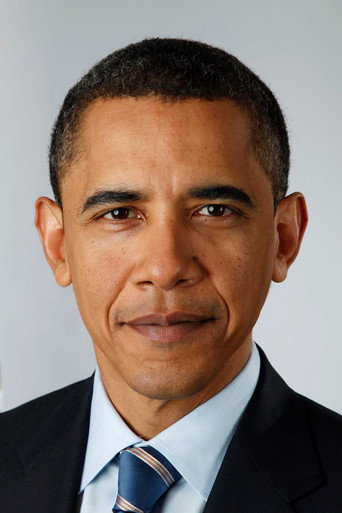 Barack ObamaSelf (archive footage) (uncredited)
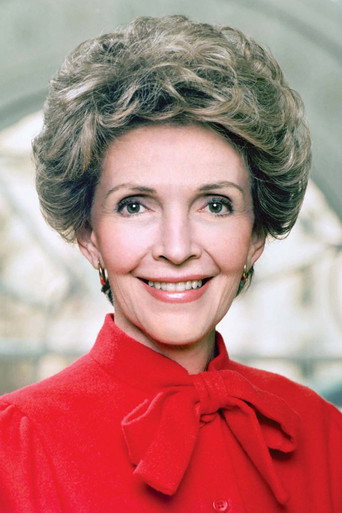 Nancy ReaganSelf (archive footage) (uncredited)
Directing
- Eugene JareckiDirector
Writing
- Eugene JareckiWriter
Production
- Kathleen FournierCo-Producer
- Shirel KozakCo-Producer
- Brad PittExecutive Producer
- Danny GloverExecutive Producer
- John LegendExecutive Producer
- Christopher St. JohnProducer
- Sam CullmanProducer
Recommended by
The Wire, Traffik, Cocaine Cowboys, 13th, Cartel Land, Traffic, Weeds, Mayor of Kingstown, El Sicario, Room 164, The Work, Do Not Resist