Television series
Traffik
Before Soderbergh's Hollywood version, there was this: a bleak, patient Channel 4 miniseries tracing heroin from Pakistani poppy fields to a British minister's own household. Three interlocking stories, no easy villains, no rescue at the end. It's slow, serious television that trusts silence and geography to do the moralising instead of speeches. Essential if you want the original blueprint.
If you liked this
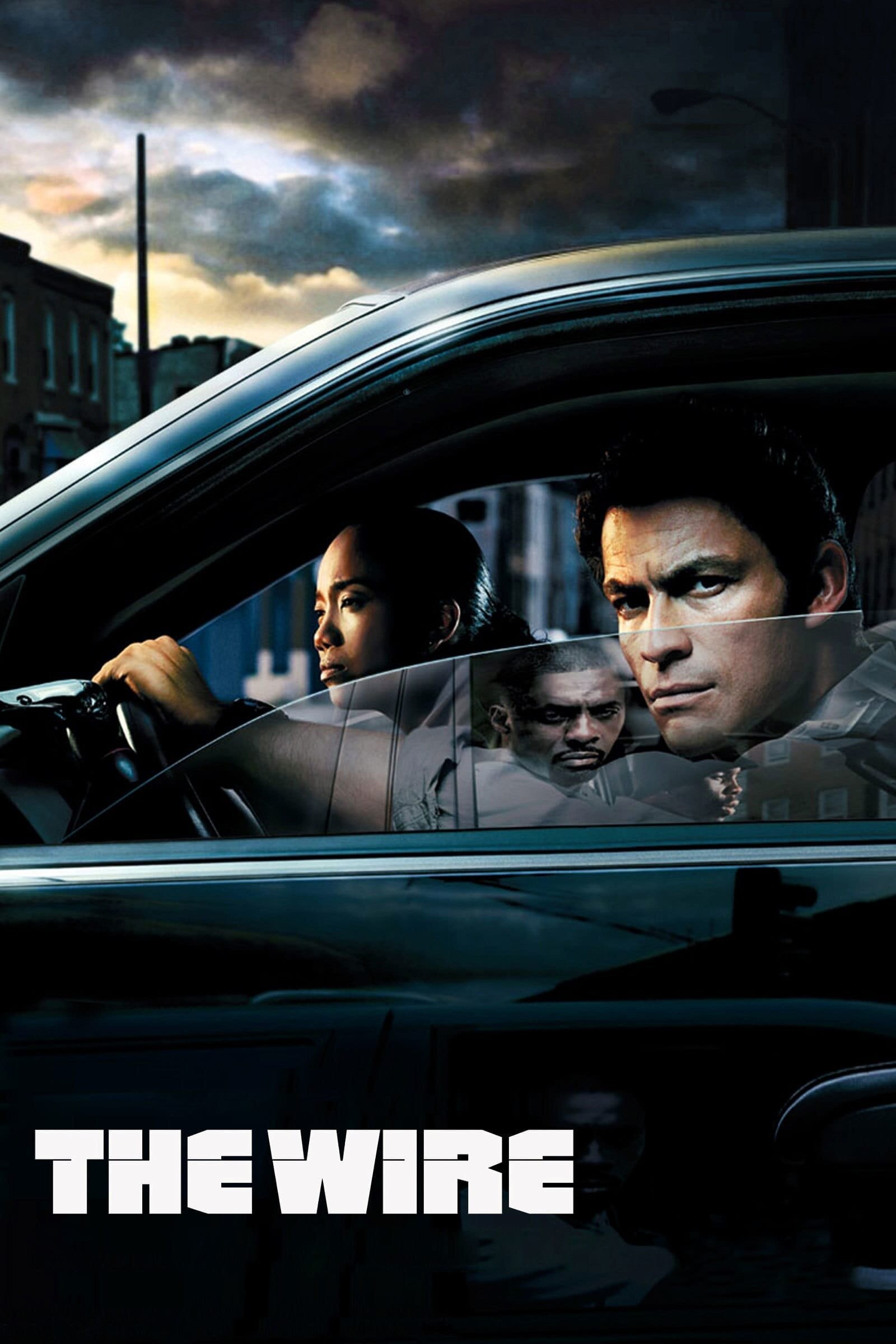
The Wire2002
The gold standard for showing a drug trade as an entire ecosystem — dealers, cops, dockworkers, politicians — none of them villains, all of them trapped in the same machine. Traffik's structural ambition, taken further.
But Five seasons is a serious commitment, and the first season demands patience before it fully clicks.
ZeroZeroZero2020
A cocaine shipment moves from a Calabrian mafia clan to a Mexican cartel to an American broker family, each strand shot in its own register. Same triptych structure as Traffik, glossier and angrier.
But Stylish to the point of coldness — it can feel more interested in mood than in the people inside it.

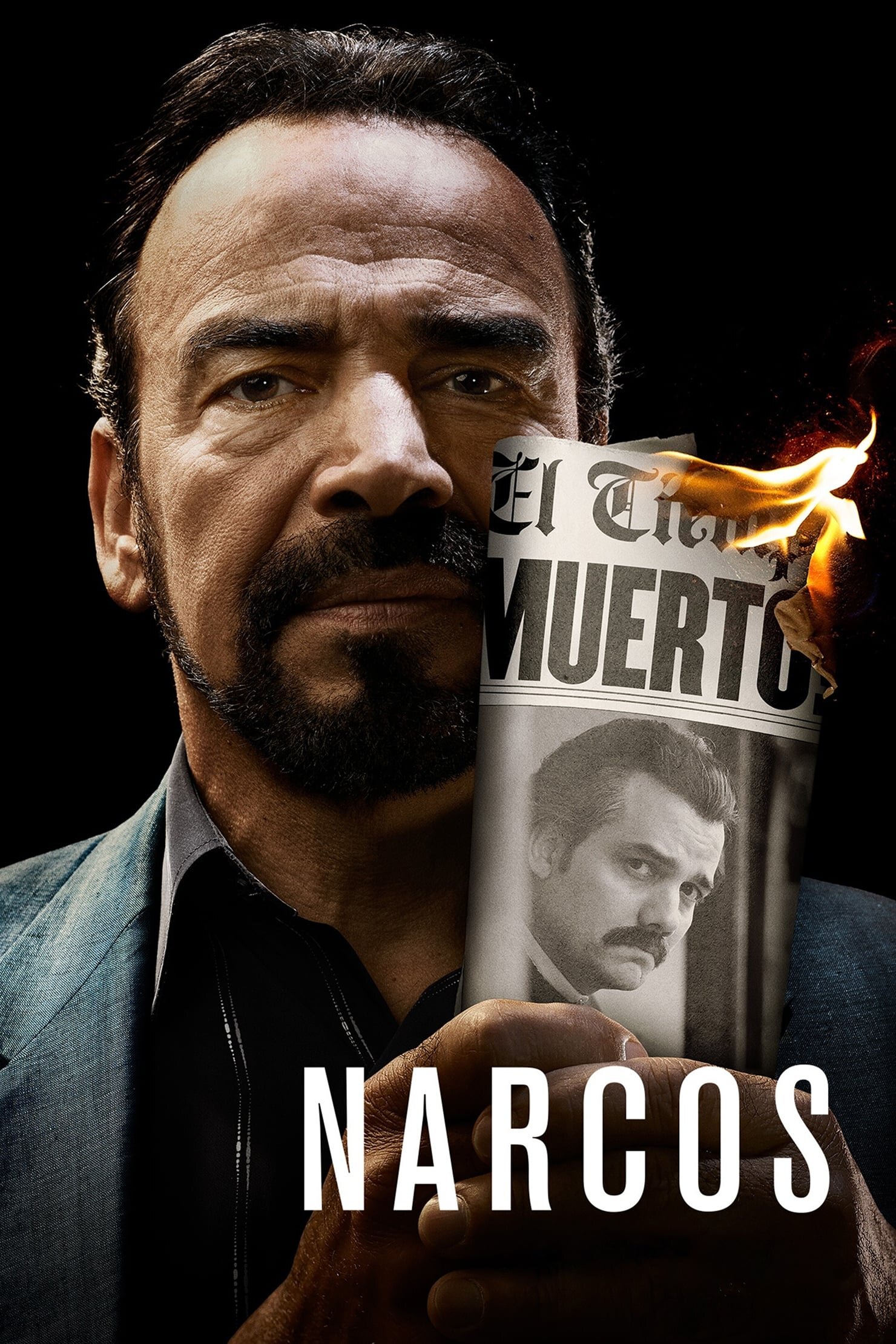
Narcos2015
Pablo Escobar's rise told with real archive footage stitched into the drama, giving the cartel side of the trade the same procedural weight Traffik gave to Pakistan and Karachi.
But More swagger and gunfights than Traffik's chilly restraint — it's closer to a crime thriller than a moral essay.
The wildcard
Something you would not have found on your own.
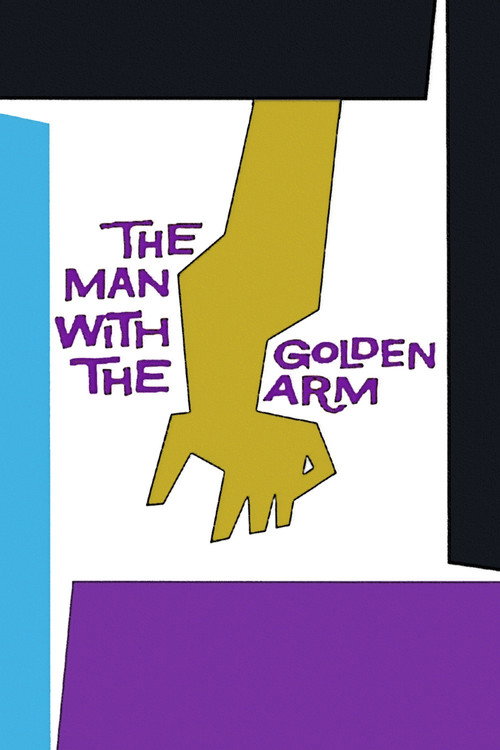
The Man with the Golden Arm1955
Traffik treats heroin as a moral and social crisis rather than a crime-thriller device; this 1955 film fought censors to make that same argument first, decades before it was permitted.
Frank Sinatra as a card dealer fighting heroin addiction, made when the Production Code barely allowed the word 'drugs' onscreen. It's the ancestor of every serious addiction story that followed.
But Dated in pace and technique, and its portrayal of addiction is tame by modern standards — a museum piece, deliberately watched as one.
More like this (8)
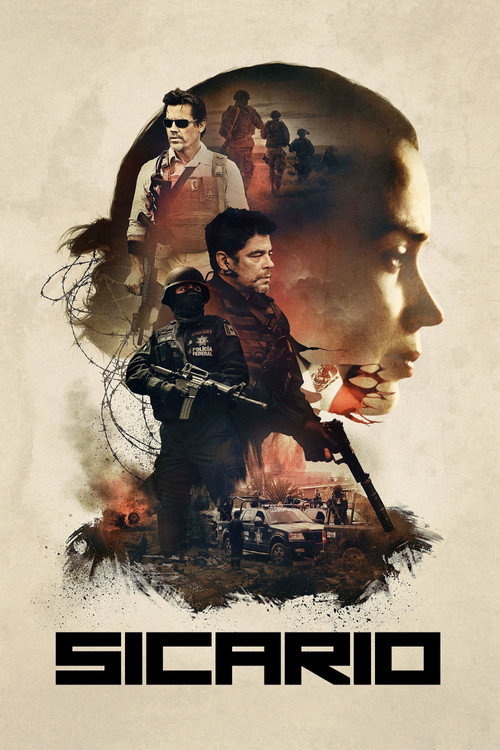
Sicario2015
A drug war seen from inside the machinery meant to fight it, and just as unwilling to hand you a clean hero or a tidy ending. Brutal, gorgeously shot, morally exhausting in the right way.
But Nihilistic by design — if you wanted Traffik's slim hope for its characters, this offers almost none.
Maria Full of Grace2004no page yet
Traffik's Pakistani strand had the courage to look at poverty's role in the trade; this follows a Colombian teenager who becomes a drug mule with the same unflinching, unsentimental eye.
But Intensely intimate and small-scale — don't expect the multi-country sweep, just one young woman's terrifying journey.
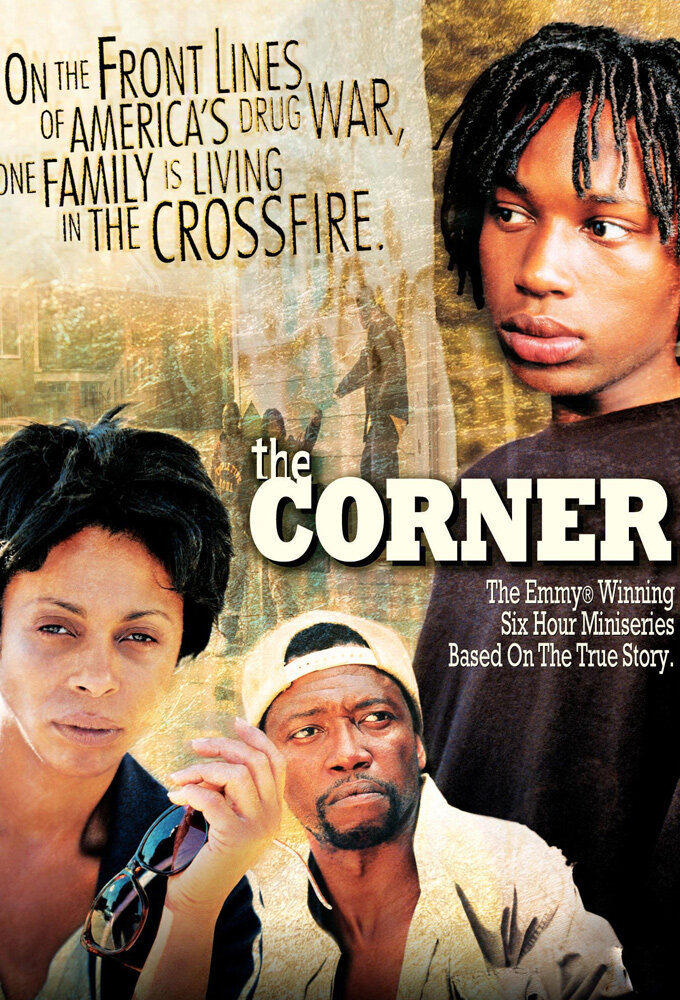
The Corner2000
David Simon's HBO miniseries before The Wire, about a Baltimore family and street corner destroyed by heroin. Devastating, unglamorous, closer in tone to Traffik's British addiction storyline than anything flashier.
But Almost unbearably grim across six episodes — there's very little relief, and none of it is fast-paced.
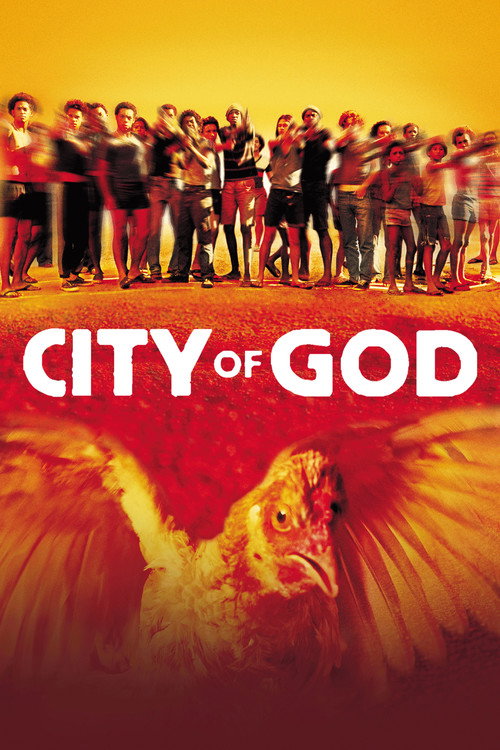
City of God2002
The user-and-dealer economics of Traffik pushed into Rio's favelas, kinetic and terrifying, following kids who grow up inside the drug trade rather than merely near it.
But Far more violent and visually frantic — a very different energy from Traffik's dry, procedural calm.
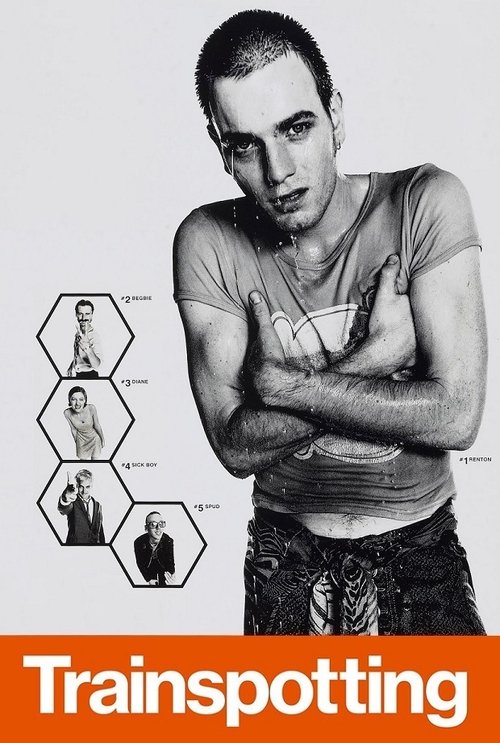
Trainspotting1996
Traffik's British scenes stayed clinical; this goes straight into the addict's skull, funny and horrifying in the same breath, and just as clear-eyed about what heroin actually does to people.
But Jokier and more stylised than Traffik ever gets — some will find the humour jars with the subject.
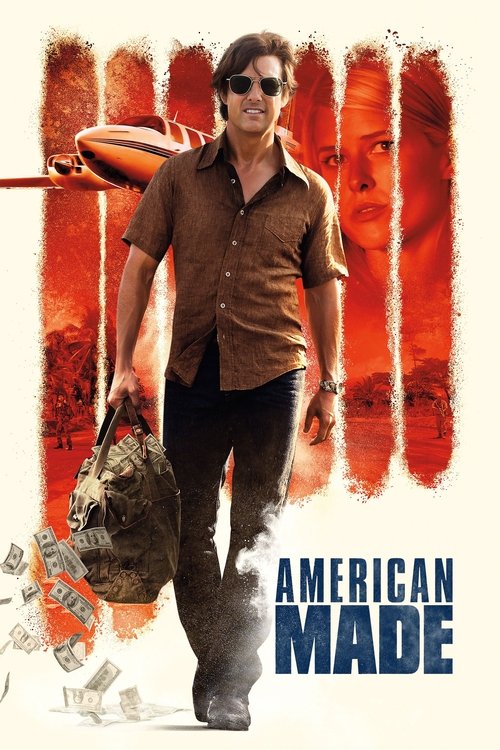
American Made2017
A lighter companion piece — Tom Cruise as a real-life pilot smuggling cocaine for the CIA in the 1980s, treating the trade's absurd contradictions as dark comedy rather than tragedy.
But Considerably breezier and more Hollywood than anything else here; a palate cleanser, not a heavyweight.
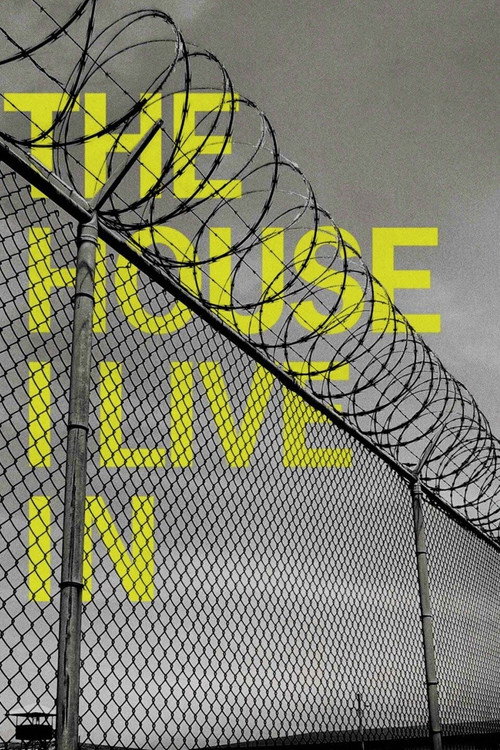
The House I Live In2012
Traffik dramatised the drug trade as a system with no innocent parties; this nonfiction film makes the identical structural argument about America's own drug policy, minus the fiction.
A documentary that widens the lens Traffik used — following the drug war from a Baltimore family up through cops, judges, and prison economics to ask who the policy actually serves.
But Argumentative and essayistic rather than dramatic — no characters to follow, just a sustained, angry case being made.
Weeds2005
Same engine — ordinary people drawn deeper into a drug trade they can't control — run through a completely different genre, trading Traffik's bleak realism for suburban satire and laughs.
A suburban widow starts dealing weed to keep her family afloat, and the show mines the same drug-economy logic Traffik took seriously — supply, risk, escalation — for dark comedy instead.
But Glib and jokey where Traffik is grave; if the subject only works for you as tragedy, this will feel flippant.