Television series
Drugs, Inc.
Drugs, Inc. is a National Geographic documentary series that pulls back the curtain on the global narcotics trade—not with moralizing, but with anthropological curiosity. Each episode follows supply chains and street-level realities across different drugs and geographies, interviewing dealers, users, enforcement officials, and traffickers with genuine interest in how they got there. It's unflinching and deeply reported.
Should you watch it?
Watch it if you like documentaries that follow the money and the people behind it, trading a lot of street-level detail for a clear-eyed look at how the illegal drug trade actually runs as a business.
Skip it if you want a tight, single-story documentary; this one is a long-running series of hour-long episodes that circles the same industry from many angles, and the repetition can wear thin.
What it asks of you: Around an hour per episode across seven seasons, so it asks for patience and staying power, and its subject matter stays heavy and sober rather than lightening up.
Not sure? Find tonight's pick in a minute.
If you liked this
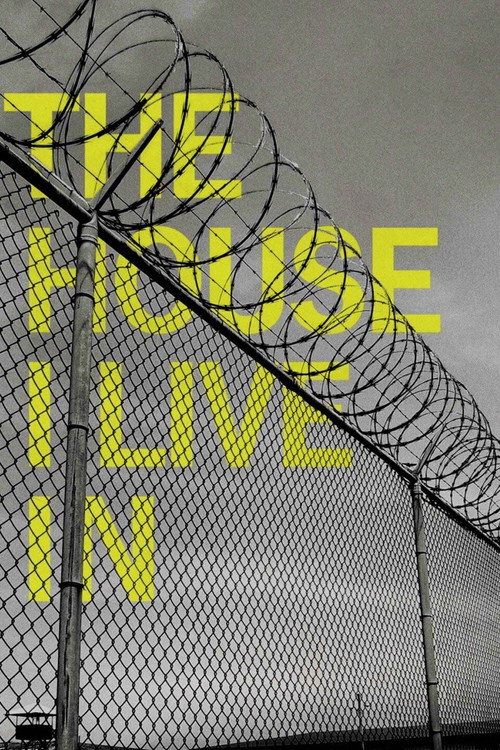
The House I Live In2012
Documentary that traces the War on Drugs from street-level consequences to policy failure, featuring interviews with dealers, judges, addicted people, and architects of the system. It connects the dots Drugs, Inc. implies: how policy shapes every story on the street.
But It's polemical—director Eugene Jarecki has a thesis and he's arguing for it. If you prefer pure observation over perspective, this will feel didactic.
VICE News Tonight2016
Short-form investigative journalism that covers drugs, trafficking, and addiction with the same street-access credibility as Drugs, Inc. reporters embedded in the supply chain. Quick, visual, and deeply reported. Many episodes feel like extended Drugs, Inc. segments.
But Coverage is piecemeal across hundreds of episodes. You're not following one thread; you're sampling many. Finding the drug-focused ones requires digging through the archive.

Cocaine Cowboys2006
A Miami-set documentary that follows the cocaine trade's rise from street dealer to cartel kingpin, with archival footage and interviews with major players. It's the criminal-enterprise version of what Drugs, Inc. explores—how drugs reshape cities and lives.
But It's 1980s-focused and Miami-centric. If you want contemporary global perspective rather than deep historical dive, this is narrower in scope than the series.

Not sure tonight? Get a pick in a minute, starting from Drugs, Inc.
The wildcard
Something you would not have found on your own.
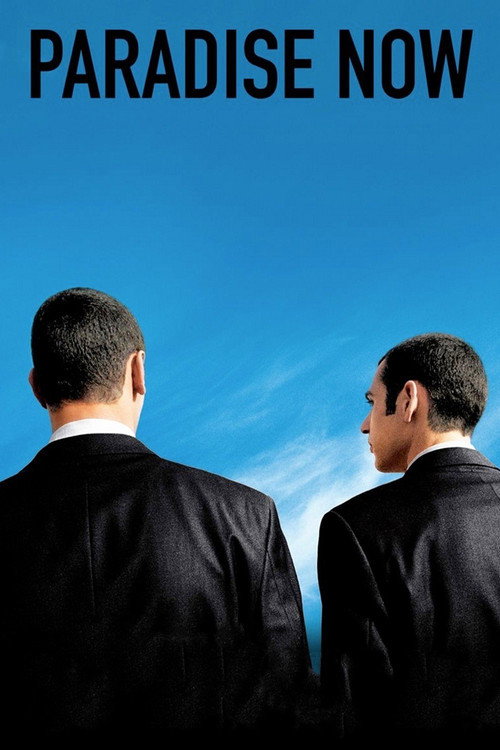
Paradise Now2005
Both refuse the comfort of demonizing their subjects. Instead they ask: how does someone get to this choice? What does their life look like from the inside?
A fictional drama about two Palestinian men planning a suicide bombing, shot as intimate character study rather than political statement. Like Drugs, Inc., it asks you to understand the logic and humanity of people doing things you may oppose, without endorsing them.
But It's not a documentary—it's a Palestinian-German co-production narrative film. The shift from journalism to fiction might feel like betrayal if you came for reportage. It's also politically fraught and will read differently depending on your perspective.
More like this (5)
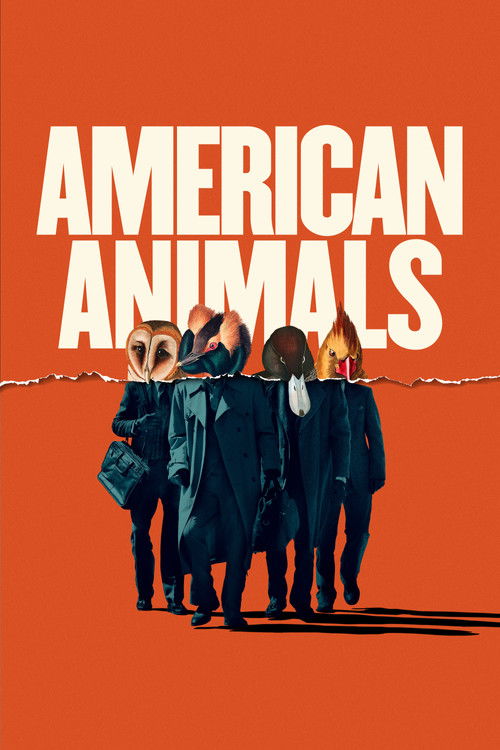
American Animals2018
Not a drug film, but a true-crime documentary about four college students who planned a heist. What it shares with Drugs, Inc.: nuanced interviews with people who broke the law, exploring the gap between their self-image and what they actually did.
But It's really about crime planning, not addiction or trafficking. If you're coming for drug-specific content, the subject matter shift will feel jarring.
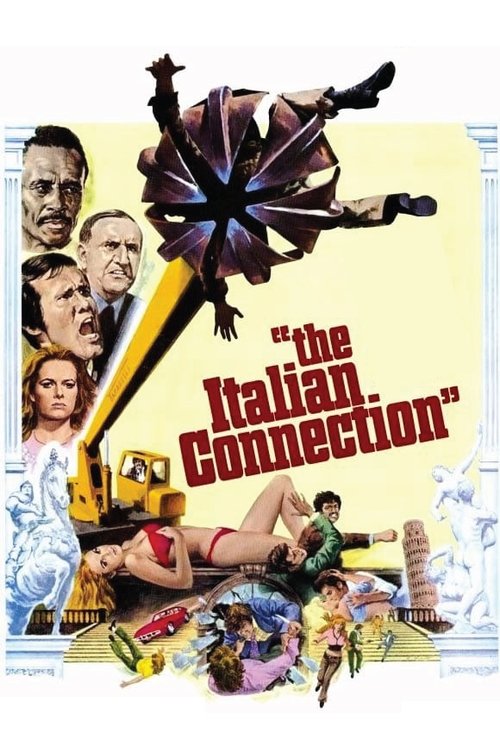
The Italian Connection1972
A limited docuseries on Joaquín Guzmán (El Chapo) told through archival footage, news clips, and interviews. It covers the cartel machinery and corruption networks that Drugs, Inc. hints at but rarely shows in this kind of institutional detail.
But It's Mexico-focused and heavily focused on one man as central figure. Some episodes feel like true-crime spectacle rather than sociological investigation.
Hot Girls Wanted2015
A documentary about amateur pornography that uses the same embedded-reporting style as Drugs, Inc.: access to the supply chain, interviews with people profiting and people being exploited, economic desperation as the baseline.
But It's about sex work and exploitation, not drugs. The shift in subject matter is jarring, and some viewers find the content deeply uncomfortable rather than illuminating.

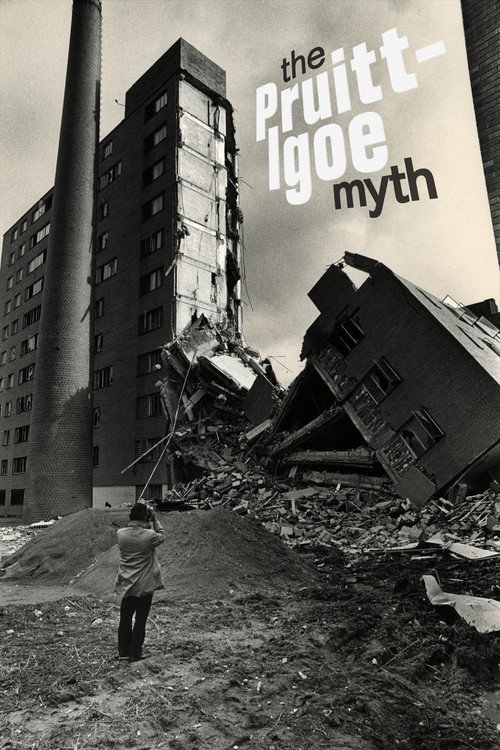
The Pruitt-Igoe Myth2012
Both show how individual choices happen inside systems that were designed or allowed. Drugs, Inc. follows supply chains; this follows how neighborhoods become supply chains.
A documentary about a St. Louis housing project's rise and demolition that, like Drugs, Inc., shows how geography and policy create the conditions for harm. It traces structural poverty and institutional failure without asking individuals to bear the weight of systemic breakdown alone.
But It's about urban planning and public housing, not drugs. The architecture documentary approach feels slow if you came for criminal or pharmaceutical narrative. Heavy on archives and expert interviews rather than street-level voices.
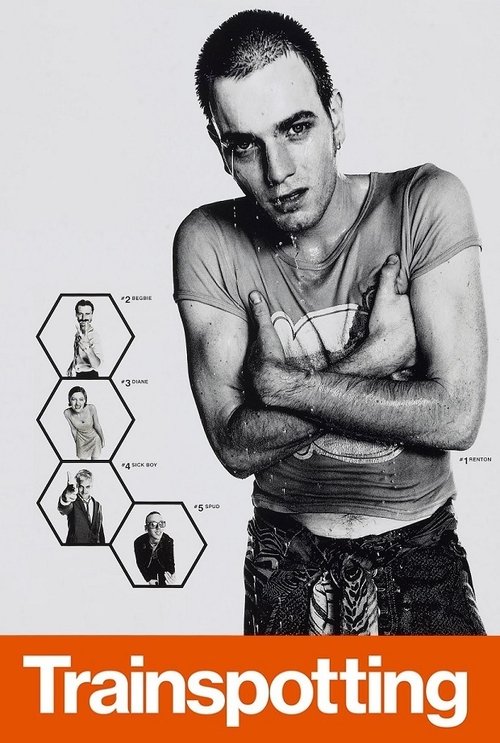
Trainspotting1996
Both treat addiction as something intelligent people do for reasons. Not a moral failure, not a disease metaphor imposed from outside, but a rational response to available options.
A Scottish fiction film about heroin addiction that captures addiction's texture and logic more vividly than most documentaries—the boredom, the mechanics, the seduction, the cost. It's sensory and specific in ways that make Drugs, Inc.'s interviews feel like confirmation.
But It's fictional and stylized, not reported. It's also transgressive by design—some sequences are deliberately repulsive. If you want sociology presented straight, this is art and provocation first.