
Film
Paradise Now
A Palestinian thriller that follows two childhood friends on the day they're chosen for a suicide bombing mission. Filmed with unflinching clarity, it examines ideology, friendship, and desperation without didacticism or easy answers. For viewers ready to sit with moral complexity and political pain.
If you liked this
The Battle of Algiers1966
Gillo Pontecorvo's masterpiece uses a terrorist cell's perspective to explore colonialism and resistance with the same austere intensity and refusal to simplify. Essential viewing for anyone wrestling with Paradise Now's themes.
But It's a 1960s film in French and Arabic with a grainy aesthetic that demands active watching. The politics are undisguised.

A Prophet2009
Jacques Audiard's prison drama about a young man's radicalisation through violence and manipulation. Shares Paradise Now's focus on how ordinary people become instruments of larger forces, told with equal moral clarity.
But It's French and bleak throughout. The protagonist is not sympathetic, and neither the film nor you will feel good at the end.

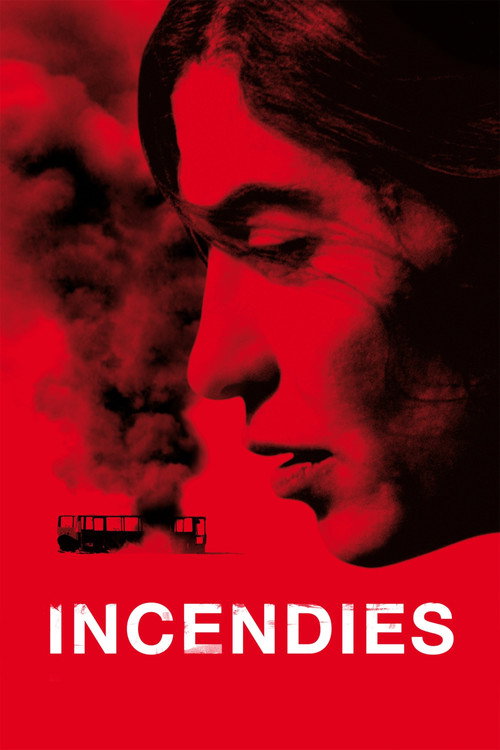
Incendies2010
Denis Villeneuve's devastating exploration of cycles of violence and revenge across generations in the Middle East. Complex, beautifully constructed, and refuses to let you off easy—morally or emotionally.
But It's a three-hour commitment with a final twist that will haunt you in ways you may not want. Not cathartic.
Not sure tonight? Get a pick in a minute, starting from Paradise Now
The wildcard
Something you would not have found on your own.
The Act of Killing2012
Both films refuse the easy distance between viewer and subject, forcing you to sit with perpetrators and understand how ordinary people convince themselves of the unforgivable.
Joshua Oppenheimer's documentary asks Indonesian death-squad leaders to reenact their massacres. It inverts Paradise Now's approach—asking perpetrators, not recruits, to confront themselves. Equally devastating about how people justify horror.
But It's a documentary, and watching men laugh while describing genocide is morally sickening by design. Some viewers find it exploitative; others find it necessary.

More like this (8)
In the Bedroom2001
Todd Field's study of how grief and rage calcify into violence within an ordinary American family. Shares Paradise Now's interest in how good people become capable of terrible acts.
But It's slow and domestic, which some find tedious. The moral weight feels American and intimate rather than political.

Under the Skin2014
Jonathan Glazer's haunting science-fiction film about predation and indifference. Uses an outsider's perspective to examine human vulnerability and complicity in a way that echoes Paradise Now's structural interrogation.
But It's minimalist, visually abstract, and emotionally distant. If you want plot clarity or character development, you'll be frustrated.

Come and See1985
Elem Klimov's Soviet masterpiece about a boy conscripted into WWII. Unblinching portrait of how ideology and circumstance corrupt innocence. Among cinema's most powerful examinations of violence's human cost.
But It's visually and sonically brutal. Not a film you watch for pleasure; an ordeal you survive. Some find it unwatchable.

A Ghost Story2017
David Lowery's formally audacious meditation on time, loss, and what we leave behind. Like Paradise Now, it uses genre constraints to examine something deeper about human existence and legacy.
But It's slow, meditative, and cryptic. Some scenes are deliberately static. Requires patience and tolerance for ambiguity.

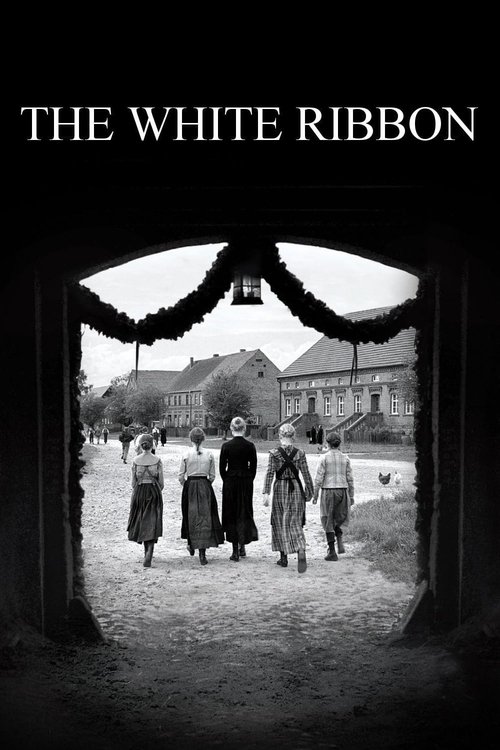
The White Ribbon2009
Michael Haneke's investigation of evil's origins in a German village pre-Nazi era. Shares Paradise Now's cold, observational approach to how ordinary communities enable atrocity.
But It's three hours of black-and-white austerity with no catharsis. Haneke's formalism can feel deliberately punishing.
Memories of Murder2003
Bong Joon-ho's serial killer thriller set during South Korea's authoritarian years. Examines institutional violence and moral compromise with the same unglamorous precision as Paradise Now.
But It's a long procedural that ends without resolution. The violence is sudden and the tonal shifts can feel disorienting.

Stalker1979
Like Paradise Now, it uses a simple premise to examine ideological conviction and the gap between belief and consequence. Both ask: what compels someone toward the point of no return?
Andrei Tarkovsky's science-fiction meditation on desire, faith, and what we're willing to risk for transcendence. Uses the journey toward a forbidden room as a metaphor for spiritual searching. Hypnotic and philosophical.
But It's 163 minutes of contemplative Soviet cinema. No plot momentum, minimal dialogue, deliberately paced. Patience is not optional.

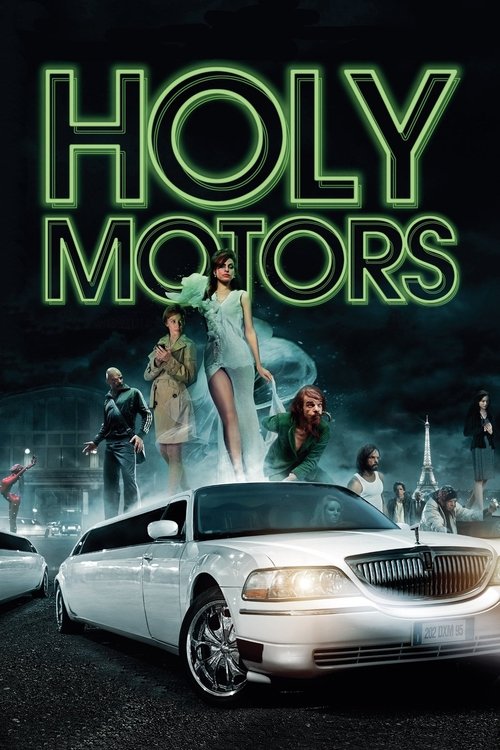
Holy Motors2012
Both films are fascinated by how people assume identities that aren't their own, and the psychological cost of stepping into someone else's script.
Leos Carax's hallucinatory art film about an actor moving through the city in disguise, playing different lives. Surreal and formally inventive, it shares Paradise Now's interest in performance, identity, and the roles we're cast into.
But It's deliberately cryptic and visually strange. No linear narrative. If you want meaning spelled out, you'll feel unmoored.
People
Cast
 Qais NashifSaid
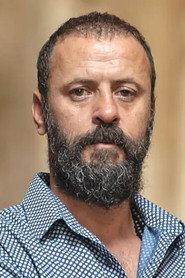 Ali SulimanKhaled
 Lubna AzabalSuha
 Amer HlehelJamal
 Hiam AbbassSaid's Mother
 Ashraf BarhomAbu Karem
 Abdulrahman ThaherMechanic
- Mohamed BustamiAbu Salim
- Dirar SuleimanTaxidriver Said
- Jamel DaherCar Owner (voice)
- Lutuf NouasserCar Owner
- Nour Abd El-HadiSaid's Sister
Directing
- Hany Abu-AssadDirector
Writing
- Bero BeyerWriter
- Hany Abu-AssadWriter
- Pierre HodgsonWriter
Production
- Peter HermannLine Producer
- Amir HarelProducer
- Bero BeyerProducer
- Gerhard MeixnerProducer
- Hengameh PanahiProducer
- Jeroen van den IdsertProducer
- Muhammed BuqaiProducer
- Rémi BurahProducer
- Roman PaulProducer
- YaniProducer