Television series
Veritasium
- Light-hearted
- Dip in and out
Veritasium is a YouTube series where physicist Derek Muller investigates curiosities that seem simple until they're not. Each episode dives into a specific phenomenon—from why the sky is blue to how fireworks work—and reveals the counterintuitive science beneath. It's visual, paced for genuine discovery, and made for anyone who loves having their assumptions cheerfully demolished.
Should you watch it?
Watch it if you like your science explained through experiments you can picture, with a host who builds a question around a puzzle and walks you to the answer rather than lecturing.
Skip it if you want a tight, polished documentary with one fixed arc, since these short standalone videos wander from curiosity to curiosity and rarely build toward a single story.
What it asks of you: Episodes run about eighteen minutes and stand alone, so you can dip in for one idea at a time; the pace is brisk and light, with little dead air.
Not sure? Find tonight's pick in a minute.
If you liked this
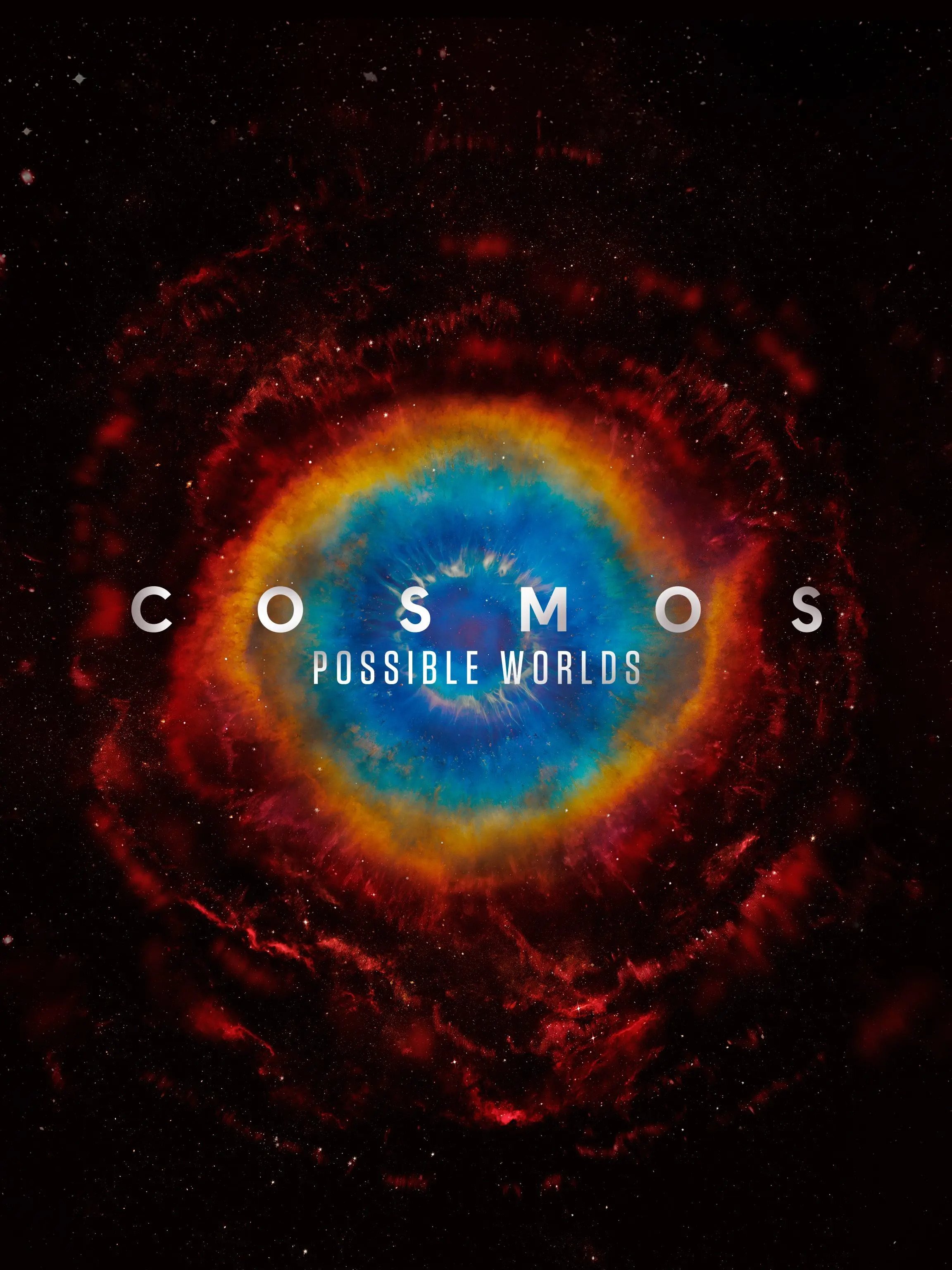
Cosmos1980
Carl Sagan's legacy remade with modern production values. Sweeping scope, accessible wonder, and the same imperative to make science feel urgent and alive. Neil deGrasse Tyson carries Sagan's torch.
But Ninety minutes per episode; some prefer Veritasium's snappier pace. Occasionally leans on sentimentality.
Paradise Now2005
Short, animated explainers on everything from neuroscience to economics. Same spirit as Veritasium—taking one good question seriously. Enormous library; you'll lose hours happily.
But Variable quality. Some are brilliant, others feel generic. No consistent host means no personality anchor.
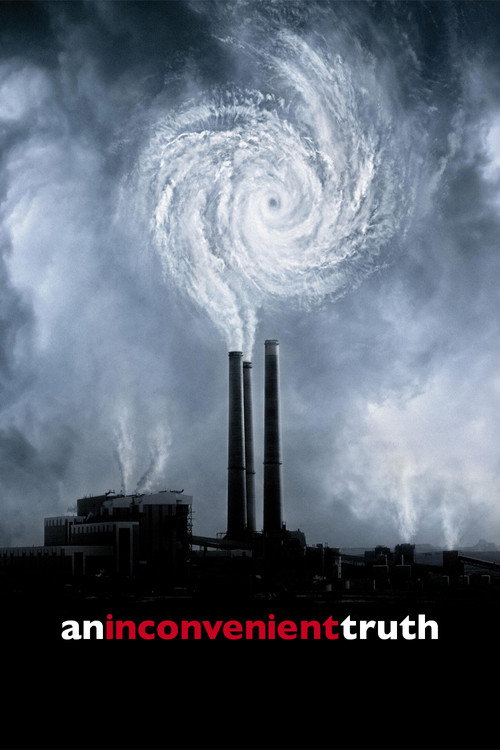
An Inconvenient Truth2006
Al Gore takes one massive scientific question and investigates it with the same rigor Veritasium brings to smaller mysteries. Compelling use of data and visual explanation. Changed how science gets communicated.
But Politically charged; some argue the presentation prioritizes impact over nuance. Feels dated now.
Not sure tonight? Get a pick in a minute, starting from Veritasium
The wildcard
Something you would not have found on your own.
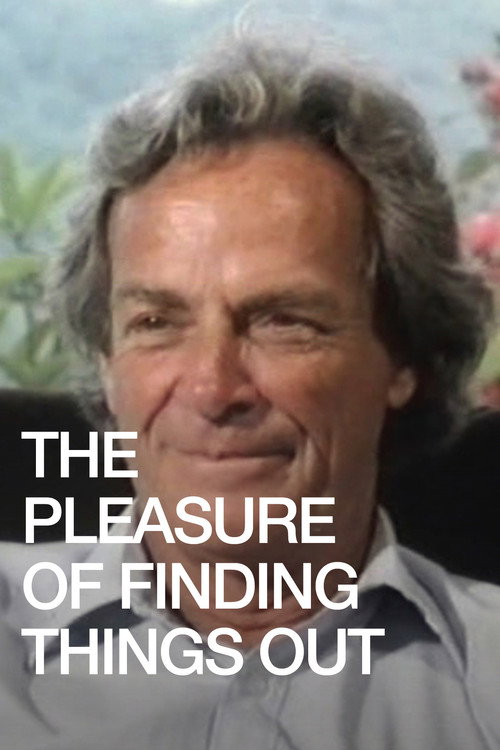
The Pleasure of Finding Things Out1981
Both are fundamentally about the joy of asking 'why'—and the refusal to pretend to understand something you don't. Derek's entire method is Feynman's legacy in practice.
A young Feynman being interviewed about curiosity, play, and why he does science. Raw and unpolished. Veritasium inherits Feynman's philosophy—this is where it came from, unfiltered and utterly magnetic.
But Barely structured; just a conversation. Black-and-white, low production value. Some find it slow.
More like this (3)
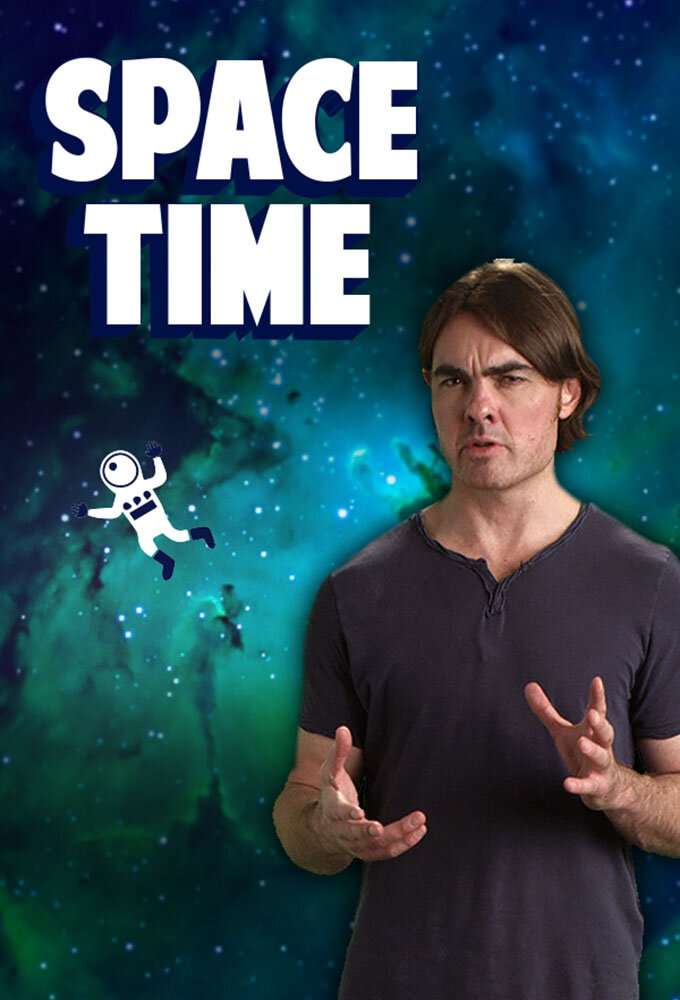
PBS Space Time2015
Physicist Matt O'Dowd tackles cosmology and quantum mechanics with elegant board-drawings and genuine intellectual play. Slower-burn than Veritasium but equally rigorous. Addictive if you like your science hard.
But Gets abstract fast. Episodes on quantum entanglement or general relativity demand patience and prior knowledge.
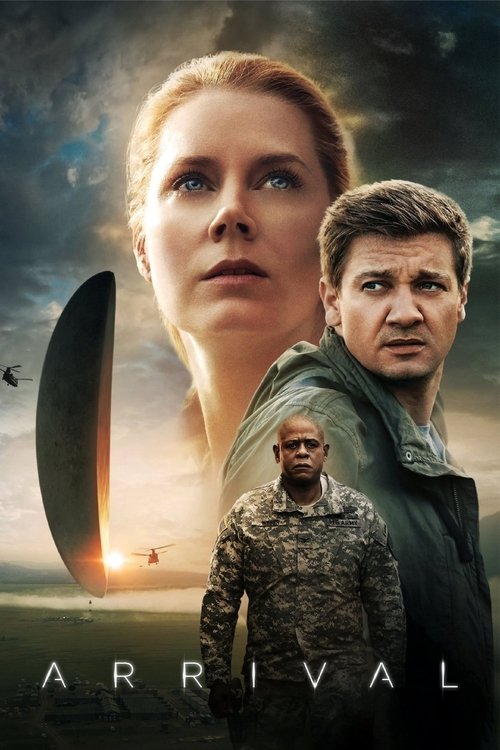
Arrival2016
Both treat scientific inquiry as something fundamentally human—a way of seeing the world more clearly. Veritasium asks 'how does this work?'; Arrival asks 'how do I understand what I'm seeing?'
Linguist Louise Banks must learn an alien language to prevent war. It's science-fiction that takes the *science* seriously—how we perceive, how we communicate, how understanding shapes reality. Genuinely thoughtful and moving.
But Slow, meditative; no action to speak of. Some find it precious. The ending relies on metaphysical stakes you may not accept.
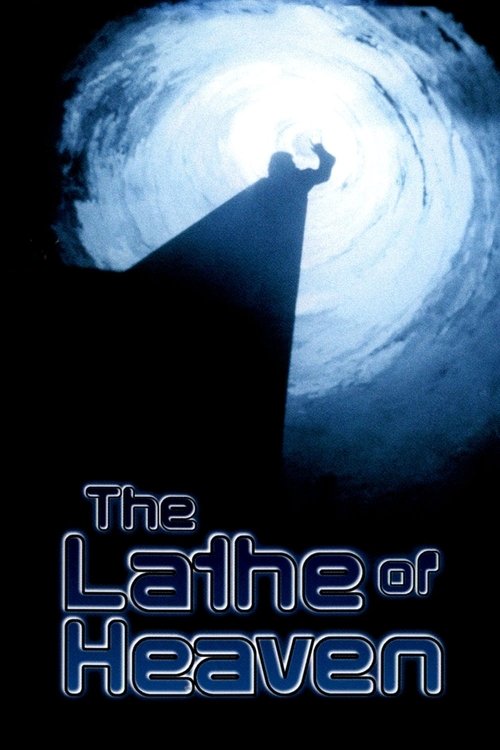
The Lathe of Heaven1980
Both grapple with what happens when humans intervene in systems we don't fully understand. Veritasium reveals why the world is counterintuitive; Lathe asks what happens when we try to force the world to be what we think it should be.
Adapted from Ursula K. Le Guin's novella: a man whose dreams reshape reality meets a scientist trying to exploit this for good. Eerily prescient meditation on unintended consequences, hubris, and the limits of control. Haunting.
But Deliberately low-fi (low budget 1980s TV movie feel). Existentially bleak. Slow burn; no payoff in the traditional sense.