Television series
StarTalk
- Comedy
- Light-hearted
- Dip in and out
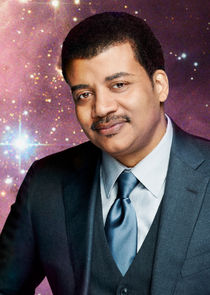
StarTalk is Neil deGrasse Tyson hosting a talk show where celebrities, comedians, and scientists collide over cosmic questions. It's warm, playful, and genuinely curious—no condescension, no dumbing down. Perfect for people who want to feel smarter without feeling lectured, who like their science with laughter.
Should you watch it?
Watch it if you enjoy talk shows where a physicist and a room of comedians chase a big cosmic question and get genuinely sidetracked, so the jokes and the science keep tripping over each other.
Skip it if you want a tightly plotted show or a host who lectures; the conversations meander, and a guest who lands their joke can overshadow the actual science.
What it asks of you: Each episode is about an hour of loose, unscripted talk, so you can dip in at any point, though following a single thread takes some patience.
Not sure? Find tonight's pick in a minute.
If you liked this
Cosmos1980
Carl Sagan's vision remade with modern visuals and Neil deGrasse Tyson's narration. Each episode is a gorgeous, intellectually generous journey through the universe's biggest questions.
But It's more meditative than playful, and thirteen hours is a commitment even for space enthusiasts.
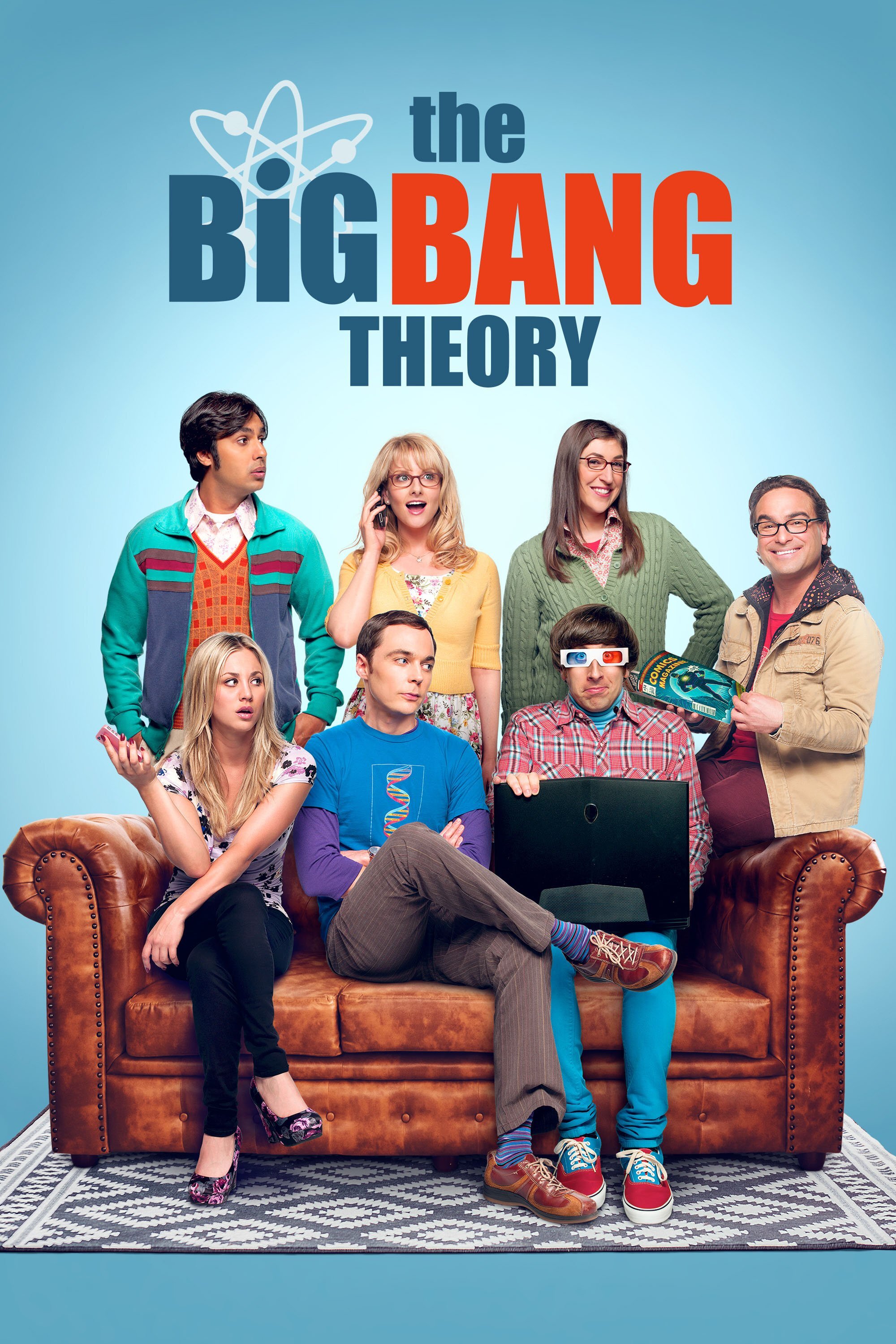
The Big Bang Theory2007
Scientists as actual characters, not punchlines. Sheldon and Leonard fumble through relationships, careers, and cosmic mysteries with genuine affection for the nerd detail.
But Later seasons lean harder on formula and sitcom shortcuts than real curiosity about the science.
Brainchild2018
Hosted by Mayim Bialik with the same light touch as StarTalk—take a scientific question kids ask and demolish it with experiments, guests, and genuine wonder. Fast-paced and infectious.
But It's aimed at younger viewers, so some of the demonstrations are simplified beyond what you might want.

Not sure tonight? Get a pick in a minute, starting from StarTalk
The wildcard
Something you would not have found on your own.
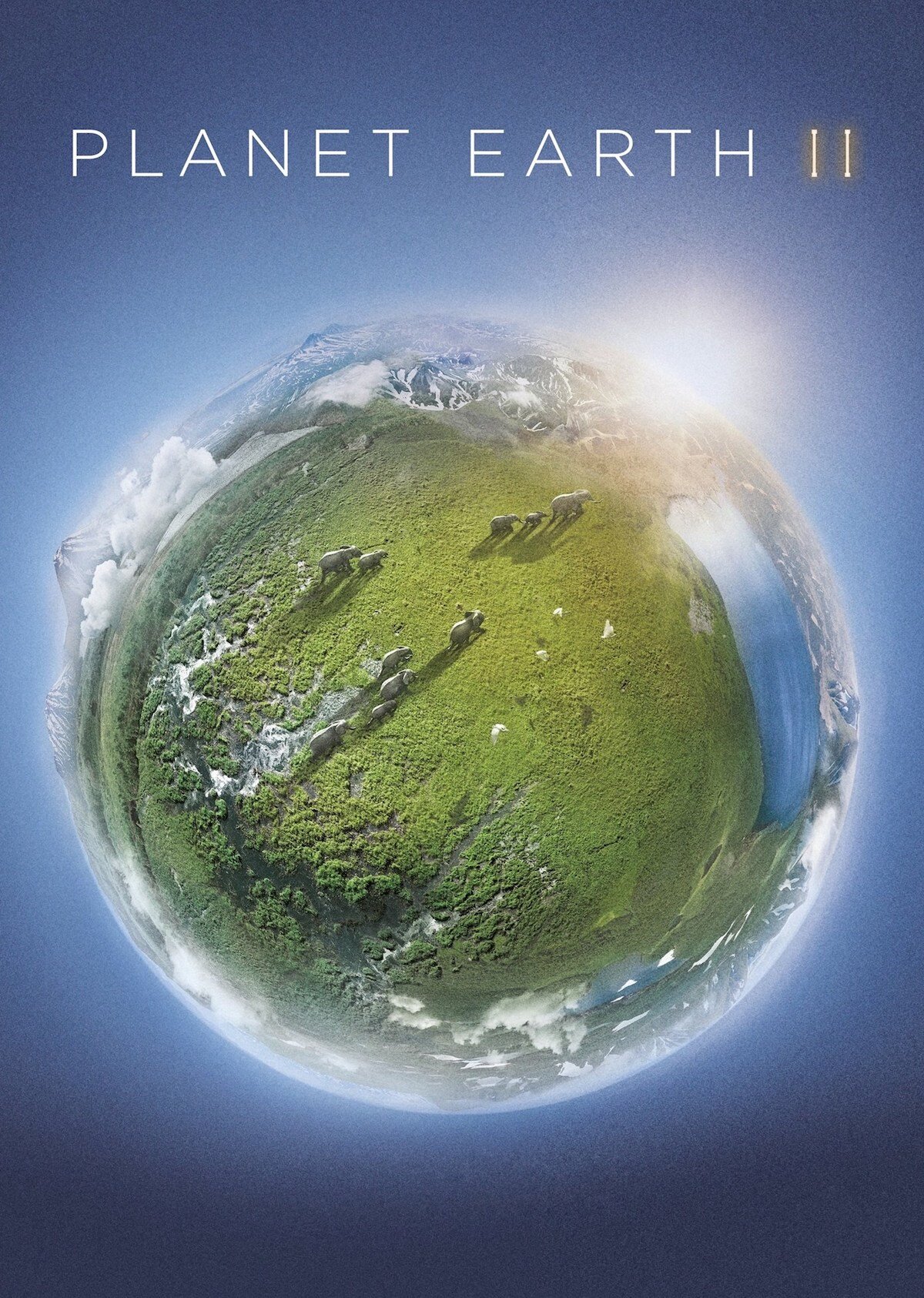
Planet Earth II2016
Same structure and spirit as StarTalk's best moments—big questions about the world we live in, paired with visual wonder and genuine reverence.
David Attenborough narrates five hours of the planet's ecosystems in 4K. It's the sibling show to Cosmos—knowledge as beauty, science as awe, visual spectacle in service of understanding.
But There's environmental collapse running underneath it all, which can be devastating to sit with.
More like this (4)
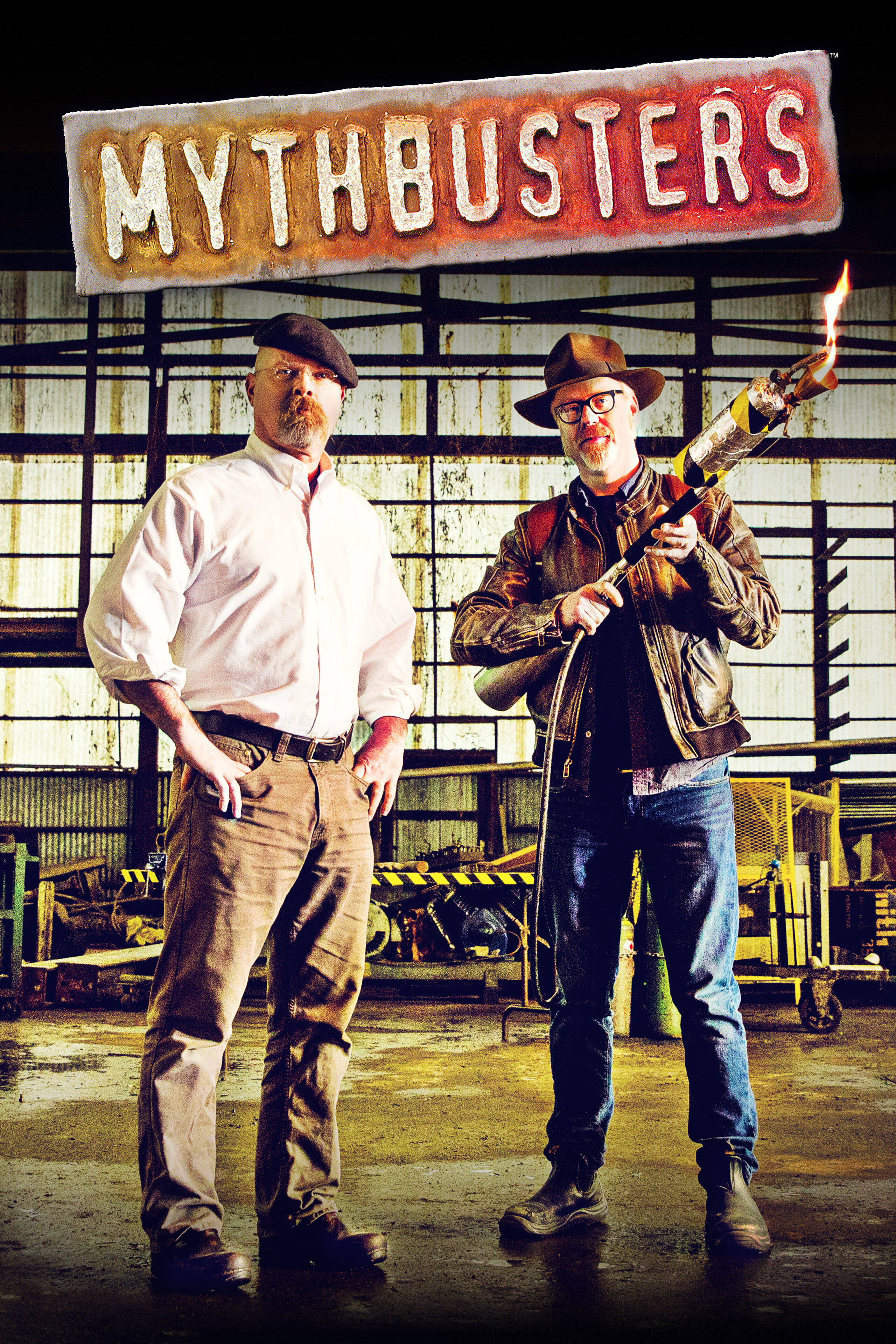
Mythbusters2003
Adam and Jamie take claims from pop culture, movies, and internet rumor and blow them up (literally, often). Science as play, discovery as entertainment.
But After fourteen seasons it gets repetitive, and the early episodes are better—the formula hardens over time.
Strip the Cosmos2014
Neil deGrasse Tyson returns to host an anthology exploring ideas about time—history, physics, memory, prophecy. Smarter than the original Cosmos in places, equally vast in scope.
But It assumes more scientific literacy than Spacetime Odyssey, and some episodes land harder than others.
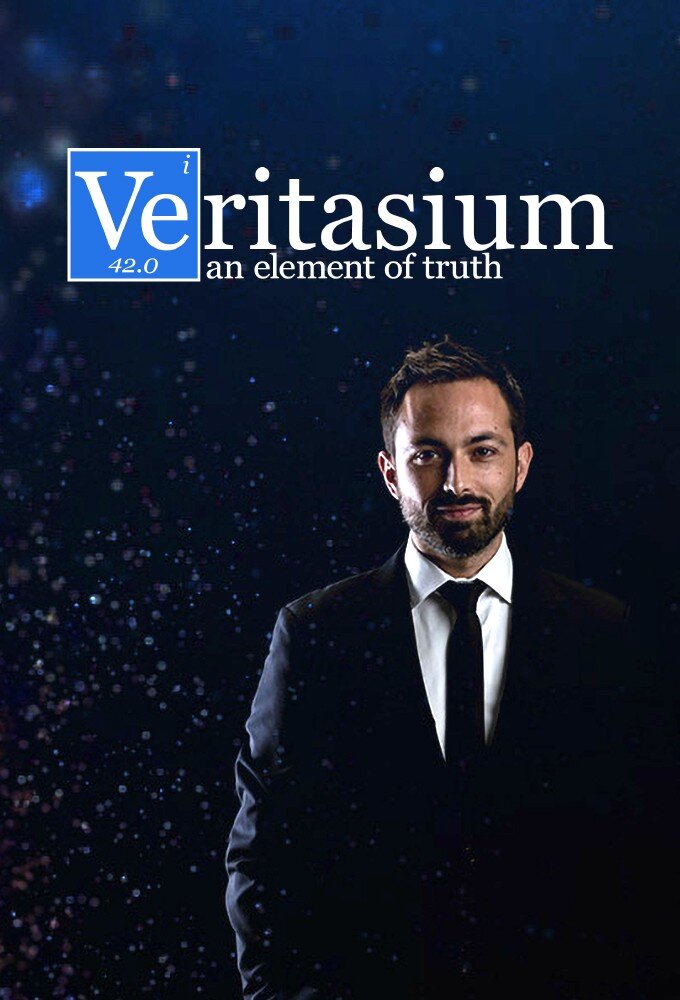
Veritasium2010
Derek Muller's YouTube channel makes physics tangible through live experiments and genuine confusion resolved. Each video is a small adventure in understanding why the world works.
But Ten-minute videos mean you're learning in chunks, not settling into a narrative. Not TV in the traditional sense.
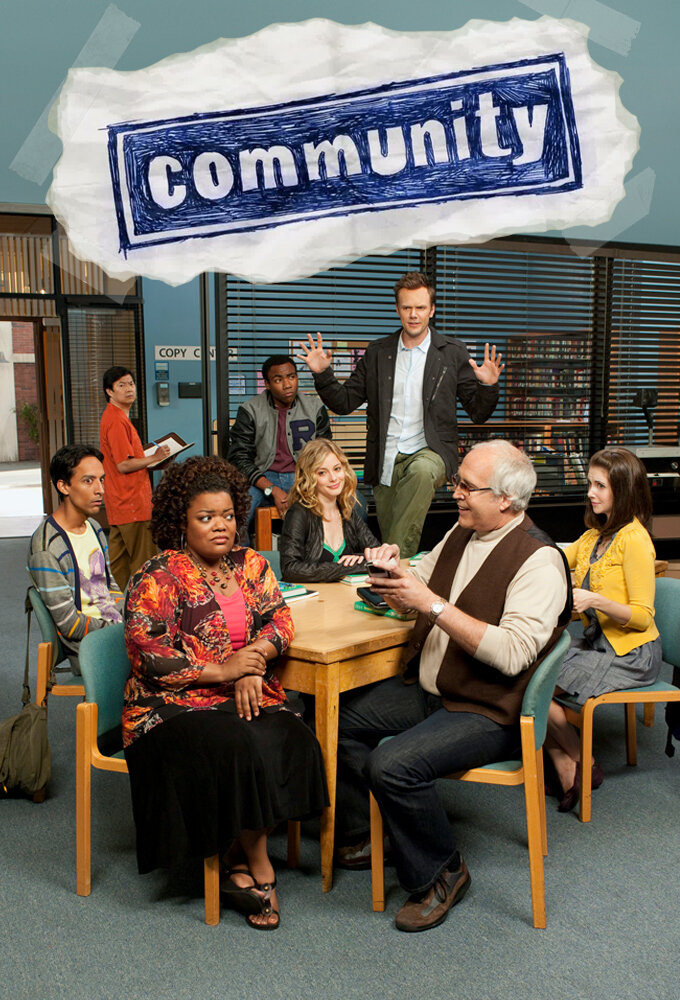
Community2009
Like StarTalk, it collides pop culture with genuine intelligence and finds real humanity in the collision. Both understand that caring deeply about weird things is not embarrassing—it's the opposite.
A show about community college nerds that respects nerd culture deeply—references are jokes AND character moments. Meta, clever, genuinely moving, and obsessed with science fiction and pop culture.
But It's aggressively idiosyncratic and the tone shifts wildly. Some people find it exhausting rather than charming.